

Ryzen 9800X3D CPU Review Gaming 2026
The Ryzen 7 9800X3D is the chip most gamers mean when they call something the best processor for gaming. It is an eight-core, sixteen-thread Zen 5 CPU on the AM5 socket, with AMD’s 3D V-Cache stacked on the compute die for 96MB of L3 cache. For a processor whose main job is keeping a graphics card supplied with frames, that cache is the reason the chip exists.
This is a buying guide, not a benchmark table. It explains what the 9800X3D does well, where it is the wrong purchase, and which alternatives make more sense for different budgets and workloads. The product card below is the closest match we could point you to. Check the listing for the exact model, cooler bundle and current price before you order.
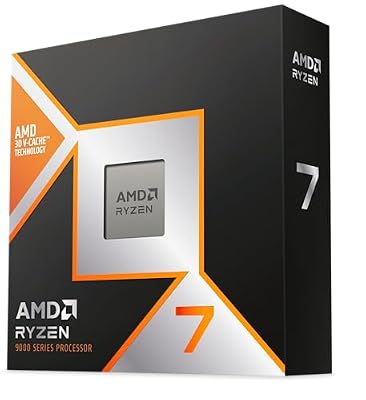

AMD Ryzen 7 7800X3D 8-Core, 16-Thread Desktop Processor
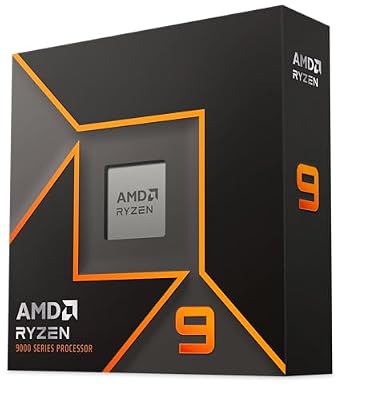

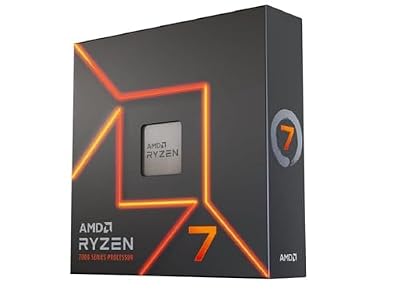
What Makes the Ryzen 9800X3D Different
Most desktop processors compete on clock speed and core count. The 9800X3D keeps the eight-core layout of the mainstream Ryzen 7 line and adds a large block of cache. Games constantly reuse the same data for physics, AI pathing, draw-call preparation and world streaming. When the processor can find that data in cache instead of main memory, it spends more time on the work the graphics card is waiting for. That is the core idea behind the chip, and it is why the CPU often matters more in gaming than the GPU sitting beside it.
The base platform is familiar. The chip uses AM5, DDR5 memory and a PCIe 5.0 graphics slot. A 600-series or 800-series AM5 motherboard is required, so a builder moving from an older AM4 system needs a new board and new memory as well as the processor.
Why cache helps in CPU-bound games
A game is CPU-bound when the processor cannot prepare the next frame quickly enough, even though the graphics card still has headroom. You see this most often at 1080p with a very fast GPU, in esports titles with high frame rate targets, and in open-world games with dense simulation and many active objects. In those cases a larger cache usually beats a few hundred megahertz of extra clock speed, which is why the 9800X3D tends to hold its lead in the lowest-resolution, highest-frame-rate tests.
Where the extra cache stops helping
At 4K, the graphics card does most of the work, and the gap between a strong CPU and the 9800X3D narrows. The chip is still a good choice at that resolution, but the case for paying a premium gets weaker unless you also want the same processor for other tasks. Spending more on a GPU will usually improve 4K results more than upgrading from a very fast mainstream CPU to this one.
Key Specs and Platform Requirements
The published specification for the Ryzen 7 9800X3D is eight cores and sixteen threads, a base clock of 4.7GHz and a maximum boost of 5.2GHz, with 96MB of L3 cache and a 120W TDP rating. The cooler should be sized for that power class. A quality tower air cooler handles the chip comfortably, and a 240mm or 360mm liquid cooler gives more room in a small case. Ryzen processors also prefer fast DDR5 with a sensible timing profile, so a memory kit tuned for AM5 is worth choosing over the cheapest stick on the shelf.
Comparison of the 9800X3D and nearby AMD options
| Processor | Cores / Threads | L3 Cache | Best For | Typical Price Range |
|---|---|---|---|---|
| Ryzen 7 9800X3D | 8 / 16 | 96MB with 3D V-Cache | Gaming-first builds, high refresh rate 1080p and 1440p | Premium tier, check current price |
| Ryzen 9 9950X3D | 16 / 32 | 128MB with 3D V-Cache | Gaming plus heavy multi-core work | Top tier, check current price |
| Ryzen 7 9700X | 8 / 16 | 32MB standard | Mixed use, lower cost, easier cooling | Mid tier, check current price |
| Ryzen 5 9600X | 6 / 12 | 32MB standard | Budget AM5 entry point | Budget tier, check current price |
The table makes the decision simple. If the machine is mainly for games, the 9800X3D is the cleanest answer in the AMD lineup. If the same machine also needs to compile code or render video all day, the sixteen-core 9950X3D is the better fit. The 9700X and 9600X are the right choices when the budget has to stretch further, with the understanding that you give up the extra cache.
Who Should Buy the Ryzen 9800X3D
Competitive players on high refresh monitors
If you play shooters or MOBA-style titles on a 240Hz or 360Hz panel at 1080p or 1440p, the 9800X3D is the processor that most often keeps the frame rate high enough to justify the monitor. Lower frame time spikes also make the game feel smoother, which matters more than the average frame rate figure in a long match.
Builders who want to keep the platform for years
AM5 is designed to take future processors through a long support window. Buying a 9800X3D now and a stronger AM5 chip later is a realistic upgrade path. That makes this chip a sensible centerpiece for a build that should last several years, provided the motherboard has enough VRM quality to handle the upgrade.
AMD RYZEN 7 9800X3D 8-Core, 16-Thread Desktop Processor


As an Amazon Associate we earn from qualifying purchases. Product prices and availability are accurate as of the date/time indicated.
Who Should Skip It
Budget builds with a mid-range GPU
If the graphics card is a budget model, the CPU will rarely be the bottleneck. Spending the difference on a better GPU, a larger SSD or a higher quality power supply will usually produce a better build. Our guide to budget CPUs for gaming covers the cheaper options that still make sense for a limited budget.
Multi-core production workloads
Video encoding, rendering and heavy compilation scale with core count. Eight cores are enough for a gaming PC that also streams, but a dedicated production machine benefits more from sixteen or more cores. The Ryzen 9950X3D review explains where that extra core count pays off.
Platform and Build Notes
The motherboard choice matters more than many buyers expect. A solid B650 or B850 board is enough for the 9800X3D in most builds, but a board with better power delivery and cooling is useful if you plan to upgrade later. Our overview of AM5 motherboards for gaming helps match a board to the chip. For a complete parts list, the step-by-step build guide shows the correct assembly order.
Memory deserves attention too. Most builders find the best balance with a quality DDR5 kit around the sweet spot, and our article on DDR5 6000 versus 7200 explains when the faster kit is worth the cost. Power is less dramatic. A reliable 750W to 850W unit from a reputable brand is enough for a 9800X3D with a mid-range or high-end graphics card, following the advice in our power supply guide.
Cooling is simple for this chip. A good tower air cooler is quiet and reliable. If you prefer liquid, a 240mm or 360mm AIO is plenty. The CPU cooler guide lists options by size and noise.
AMD Ryzen™ 9 9950X 16-Core, 32-Thread Unlocked Desktop Processor


As an Amazon Associate we earn from qualifying purchases. Product prices and availability are accurate as of the date/time indicated.
How It Compares With Intel and Earlier AMD Chips
The Ryzen 7 9800X3D is usually compared against Intel’s high-end desktop chips, and the right comparison depends on the platform you want. Intel’s Core Ultra 200S processors use a different socket and a different memory and motherboard ecosystem, so the decision is about the whole build, not only the CPU price. Our Intel 14900K versus 9800X3D comparison and the broader Intel versus AMD gaming overview cover that trade-off in detail.
Compared with older AM4 X3D chips, the 9800X3D moves to a newer core design and the AM5 platform. Upgrading from an AM4 system is a bigger step than swapping one CPU, because you also replace the motherboard and memory. If you already own an AM5 board with a 7000 or 9000 series processor, a 9800X3D upgrade is easier to justify.
Frequently Asked Questions
Is the Ryzen 9800X3D worth it over the Ryzen 7 9700X for gaming?
For gaming, usually yes, especially in CPU-bound titles and at 1080p or 1440p with a fast graphics card. The 9700X is a strong chip, but it lacks the extra cache that gives the 9800X3D its advantage in many games. If your graphics card is the limit at your resolution, the difference will be smaller, and the 9700X may be the better value.
Does the Ryzen 9800X3D need a special cooler?
No special cooler is required. A quality air cooler or a 240mm to 360mm liquid cooler handles the chip in normal gaming use. The main requirement is good case airflow, because a hot case slows down every component.
Can I use the Ryzen 9800X3D on an older motherboard?
No. The chip requires an AM5 socket and a compatible 600-series or 800-series motherboard. It will not fit AM4 boards. Check the motherboard support list and update the BIOS before installing the processor if the board ships with older firmware.
Is the 9800X3D good for streaming while gaming?
Yes, for most streamers. Eight cores with sixteen threads handle game and encoding workloads for a typical stream, especially with hardware encoding enabled on the graphics card. Heavy production workloads, such as multi-track editing, are better served by a higher core count chip.
Final Verdict
The Ryzen 7 9800X3D is the most sensible AMD gaming processor for a player who wants the best frame rate consistency without moving to a sixteen-core chip. It is a premium purchase with a clear purpose. Pair it with a capable graphics card, a quality AM5 motherboard and a reliable cooler, and the platform should serve you well for several years. If the budget is tight or the workload is mostly production, a different chip in the same family is the smarter buy.







