
80 Plus Titanium PSU Gaming 2026
80 Plus Titanium is the highest efficiency tier in the widely used 80 Plus certification program, and it is the rating that most gaming buyers see at the top of a power supply comparison. A Titanium unit wastes less of the wall power it draws, which means less heat in the case and, in theory, a calmer fan at the same load. This page explains what the tier does and does not deliver, and it is built around the listing above. We have not measured any unit here, so the guidance rests on the 80 Plus program definitions and the published specifications a buyer should check.
The hero listing above is the main pick for the query “80 Plus Titanium PSU”, with four alternatives in the same efficiency class or a close wattage range. Confirm the certification for the exact model, the rated output, the warranty and the connector set on the card. A Titanium claim is only as reliable as the certification listed for the specific model number, so check that first.

What the Titanium Tier Requires
The 80 Plus program measures efficiency at set load points, usually around 20, 50 and 100 percent of rated output. Titanium sits above Platinum and Gold and requires the highest minimum efficiency at each point. At the 50 percent load point, which is where many well-sized units run most of the time, the Titanium target is higher than the Platinum target. The gap is real, but it is a percentage of a percentage, so the absolute saving in a single gaming PC is usually modest.
The useful way to think about Titanium is as a heat and energy reduction. Less waste heat helps the case stay cooler and can lower the fan speed needed to keep the unit within its temperature limits. The benefit is most visible in compact cases, in systems that run for long hours, and in builds where the PSU sits in a warm part of the chassis. In an open, well-ventilated system used a few hours a week, the difference is harder to notice.
Is Titanium Worth the Premium?
Titanium costs more than Platinum and Gold, and the premium can be significant. Whether it pays off depends on how you use the system. A machine that runs demanding games for many hours every day gets more benefit from the efficiency gain than one that sits idle for most of the week. Buyers who keep a PSU for many years may also see the energy savings add up, but the calculation depends on local electricity prices and usage patterns, so run the numbers for your own situation before deciding.
Titanium is not a guarantee of build quality. A Titanium unit with a short warranty and a thin protection list is a weaker choice than a documented Gold or Platinum unit from a reputable maker. The efficiency tier should be one factor, and the warranty, the cable set and independent reviews should carry equal weight. The general power supply roundup compares tiers across several makers, and the PSU picks for gaming PCs page covers the wider market.
Specifications to Verify on a Titanium Unit
Certification on the Exact Model
Look for the 80 Plus Titanium certification on the model’s own listing or spec sheet. Marketing pages sometimes use efficiency language loosely, so confirm the certification for the exact model number in the official database or the manufacturer’s documentation.
Wattage Against the Build
Start with the recommended system wattage from the graphics card maker. Add the processor, memory, drives and cooling. Choose a unit with a comfortable margin above that total. Efficiency is generally best in the middle of a unit’s load range, so a correctly sized Titanium unit tends to run efficiently in normal gaming use. The 1000W roundup for RTX 5090 systems covers the higher wattage class, where Titanium units are most often discussed.
Connectors for Current Graphics Cards
High-end RTX 50 series cards use the 12V-2×6 connector. Confirm the Titanium model includes a native cable for that port, and count the PCIe outputs for any second device. Check the cable length against your case before you buy.
Comparing Titanium Options
The table compares the hero listing and four alternatives by role. It does not state prices or ratings, because those change often and vary between sellers. Confirm every number on the live listing before ordering.
| Option | Role in this guide | Best for | What to confirm | Price |
|---|---|---|---|---|
| Hero listing | Primary pick for the Titanium query | Long-session high-end builds | Titanium certification on the exact model | Check current price |
| Alternative 1 | Same tier, different wattage | Buyers sizing to a specific card | Rated output and cable count | Check current price |
| Alternative 2 | Same tier, different brand | Buyers comparing warranty and protections | Warranty length as written | Check current price |
| Alternative 3 | Same tier, newer revision | Builders who want the latest connector set | 12V-2×6 cable included | Check current price |
| Alternative 4 | Same tier, higher wattage option | Builds with a larger power budget | Fit and cable reach in the case | Check current price |
Use the table to compare the details that change the outcome: the exact certification, the wattage, the connector set and the warranty. Two Titanium units can differ in all four.

be quiet! Dark Power 13 1000W, ATX 3.1, PCIe 5.0, 80+ Titanium Power Supply | Frameless Silent Wings Fan, Overclocking Key, Full Bridge LLC, Active Rectifier, Japanese 105°C Capacitors, 10-Year Warranty


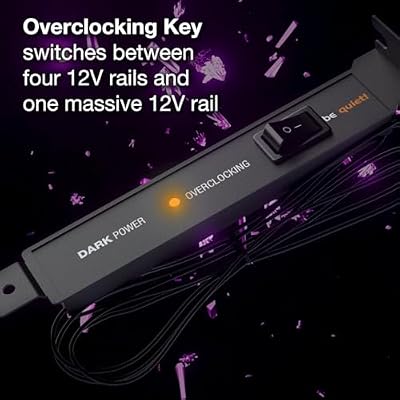
As an Amazon Associate we earn from qualifying purchases. Product prices and availability are accurate as of the date/time indicated.
Where Titanium Makes the Most Sense
A Titanium unit makes the most sense for a high-end system that runs for long hours, a compact case with limited airflow, or a builder who wants the lowest practical heat output from the PSU. A mainstream gaming PC used for a few hours each week often gets more value from a well-reviewed Gold or Platinum unit. The RTX 5090 review explains why the highest-end cards push builders toward larger units with higher efficiency, and the RTX 5080 review covers the next tier down.
Cooling is the other half of the heat picture. The CPU cooler guide for high-end builds explains the cooler options for the same class of system, and the ultimate gaming PC build guide shows how the power budget and the cooling fit together in a top-end system.
Buying Checklist
Verify the Certification First
Confirm the Titanium certification for the exact model number. Save the listing and the spec sheet so you have a record of the stated tier if the listing changes.
Balance Efficiency and Warranty
Check the warranty and the protection list before paying the Titanium premium. A well-documented unit in a lower tier can be the better purchase for most buyers.
Plan the Build
The step-by-step build guide explains where the PSU goes in assembly, and the gaming PC buying guide shows how the power supply fits with the rest of the system.
Frequently Asked Questions
Is 80 Plus Titanium worth it for gaming?
For long daily sessions, compact cases or high-end systems where heat matters, it can be. For occasional use, a well-reviewed Gold or Platinum unit is usually better value.
How much more efficient is Titanium than Platinum?
Titanium requires higher efficiency at each certified load point than Platinum. The difference is real but modest in percentage terms, and the absolute saving depends on how many hours the system runs each day.
Does Titanium make a PSU quieter?
It can help, because less waste heat means the fan may not need to spin as fast. Noise still depends on the fan design, the case and the cooling, so read reviews of the specific model.
Should I buy the highest tier for future upgrades?
Not automatically. Choose the wattage first, then the tier, and make sure the warranty and connector set match your build. A future upgrade is easier to plan when the current unit has the right cables and enough margin.


