Where the 3080 Ti Sits Now
The RTX 3080 Ti launched in mid-2021 as Nvidia’s answer to its own supply problem: a card slotted just under the 3090, with 12GB of GDDR6X instead of 10GB, and nearly the same GA102 die as the 3090. On paper it closed most of the gap to the flagship for less money. In practice, it’s now a secondhand or clearance-stock card, and that changes how you should think about it.
If you’re shopping in 2024 or later, you’re not buying this new from Nvidia’s current lineup. You’re buying old stock, a used card, or considering it as a value comparison point against RTX 40-series options. All three are reasonable paths, but they come with different risks.
What You Actually Get
12GB of VRAM is the headline spec, and it’s the main reason the 3080 Ti aged better than the vanilla 3080. At 1440p and even 4K with moderate settings, 10GB can start choking in newer titles with high-res texture packs; 12GB has more headroom. The core count and clocks put it close to 3090 performance in most games, usually within 5-10%, despite the 3090’s extra VRAM and wider bus.
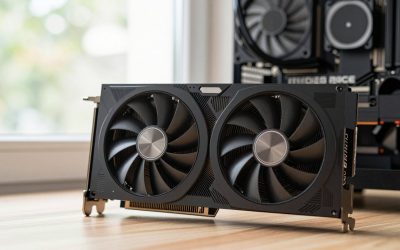
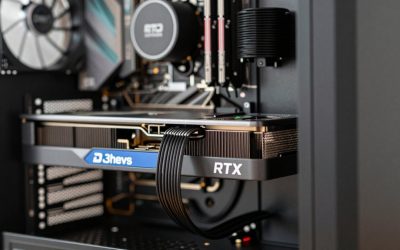
Power draw is the catch. This card wants a 350W+ power budget and a case with real airflow. It runs hot under sustained load, and the stock cooler on many partner cards is adequate, not generous. If you’re reusing an older PSU, check the rating before assuming it’ll handle this.
| Card | VRAM | Typical TDP | Where it stands today |
|---|---|---|---|
| RTX 3080 Ti | 12GB GDDR6X | 350W | Used/clearance only, strong 1440p/4K performance |
| RTX 3080 (10GB) | 10GB GDDR6X | 320W | Cheaper used option, VRAM-limited in newer titles |
| RTX 3090 | 24GB GDDR6X | 350W | Overkill VRAM for gaming, priced for content creation resale |
| RTX 4070 Ti Super | 16GB GDDR6X | 285W | New, better efficiency, often similar or better raster performance |
Buying One Used
This is where most people will actually encounter a 3080 Ti now. The usual secondhand risks apply, amplified by this card’s power draw: thermal paste that’s dried out after years of mining or heavy gaming load, fan bearings that have started ticking, and in rare cases, memory modules that have been pushed hard enough to develop artifacting under load. Ask the seller for a benchmark run on video, or at minimum photos of GPU-Z showing temps and clocks at idle and under load.
A fair used price should sit meaningfully below a new RTX 4070 or 4070 Super, because you’re taking on used-hardware risk and a worse power-to-performance ratio. If a seller is asking close to new 4070-class pricing, walk away. If you do go this route, budget for a thermal paste repaste as routine maintenance, not an emergency fix.
When a Current-Gen Card Makes More Sense
If you’re spending real money and have the choice, a new RTX 4070 Super or 4070 Ti Super usually makes more sense than hunting for a clean used 3080 Ti. You get a warranty, lower power draw (meaning a cheaper PSU and less heat dumped into your case), and DLSS 3 frame generation support, which the 30-series doesn’t have. The raw raster performance is often a wash or slightly in the 40-series’ favor, depending on the exact model and game.
The 3080 Ti still wins on one thing: if you can find one cheap enough, dollars-per-frame can beat a new card, especially in GPU-constrained regions or during temporary price dips. That’s the entire case for buying old-generation silicon. It’s not a better card, it’s sometimes a better price.
If you’re comparing current options side by side, browsing RTX 4070 Super graphics cards will give you a sense of where new pricing actually sits before you commit to a used 30-series purchase.
Who Should Still Consider It
Someone building a budget-conscious 1440p rig who’s comfortable buying used and troubleshooting hardware is the realistic buyer here. Someone who wants a plug-and-play experience with a warranty, or who’s building a new PC from scratch and doesn’t already own a case and PSU suited to a 350W card, is better served by new current-gen hardware.
If your PSU is already a quality 750W-plus unit and your case has decent airflow, the incremental cost of running a 3080 Ti is low and the used-market savings can be real. If you’d need to also upgrade your 750W 80+ Gold power supply to run it safely, factor that into the total cost before deciding it’s the cheaper option.
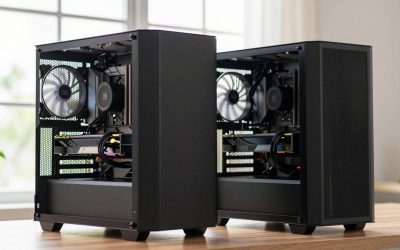
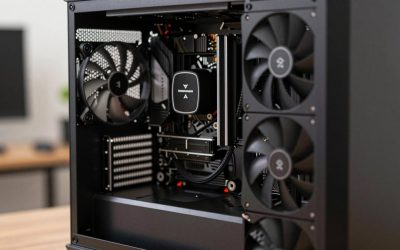
For cooling, a case with at least two intake fans and one exhaust is the practical minimum for keeping a 3080 Ti’s temps in check long-term. If your current case is a cramped budget box, pricing out a mid-tower case with good airflow is worth doing alongside the GPU purchase.
FAQ
Is the RTX 3080 Ti still good for 4K gaming?
Yes, for most games at high (not always max) settings, especially with DLSS enabled. Very demanding newer titles may need you to drop a setting or two to stay comfortably above 60fps.
Should I buy a used 3080 Ti instead of a new RTX 4060 Ti?
If raw performance is your priority, the 3080 Ti is faster. But the 4060 Ti draws far less power, runs cooler, and comes with a warranty. If you want warranty coverage and lower running costs, the 4060 Ti is the safer pick despite being slower.
How much should I pay for a used RTX 3080 Ti?
Check current new pricing on 4070-class cards first. A used 3080 Ti should cost noticeably less than that, to account for lost warranty and wear risk. If it doesn’t, the deal isn’t actually a deal.
Does the 3080 Ti need a special power supply?
It doesn’t require anything exotic, but you want a reputable 750W or higher unit with the right PCIe power connectors. Cheap or very old PSUs are the most common cause of instability with high-draw cards like this one.