Affiliate disclosure: As an Amazon Associate we earn from qualifying purchases. This post contains affiliate links — if you buy through them we may earn a small commission at no extra cost to you. This never affects our recommendations.
- Wireless Headset Gaming 10: Extended Battery Life for Endless Gaming Sessions
- Battery Technology in Modern Gaming Headsets
- Power Consumption Factors in Wireless Gaming
- Extended Battery Gaming Headset Design Strategies
- Real-World Battery Performance Testing
- Comparison Table: Extended Battery Gaming Headsets
- Maximizing Battery Longevity Through Smart Charging
- Fast Charging Technology Explained
- Wireless Protocol Efficiency Comparison
- Frequently Asked Questions About Extended Battery Headsets
- Battery Health Monitoring Features
- Featured Extended Battery Gaming Headsets
- Premium Extended Battery Showcase
- Travel and Portable Gaming Considerations
- Seasonal and Usage Pattern Effects on Battery
- The Future of Gaming Headset Batteries
- Conclusion: Battery Life Meets Gaming Performance
- Related Articles
- Related Articles
🛒 Best Price Today on Amazon
Prime members get fast, free shipping on everything above, plus member-only deals. New members get a 30-day free trial — cancel anytime.
Start 30-Day Prime Free Trial →See Today’s Amazon DealsWireless Headset Gaming 10: Extended Battery Life for Endless Gaming Sessions
Battery anxiety shouldn’t interrupt gaming sessions. Modern wireless gaming headsets deliver 20-30+ hour battery life, enabling multi-day gaming marathons without charging. This comprehensive guide explores battery technology, extended-endurance headset design, and how to maximize battery longevity in your wireless gaming headset investment. Whether you’re streaming 12-hour sessions or playing casually throughout the week, understanding battery performance becomes essential to headset selection.
The evolution from 8-hour battery gaming headsets to today’s 30-hour champions represents genuine engineering advancement. Improvements stem from efficient LED drivers, optimized wireless protocols, lower-power amplifiers, and advanced power management firmware. The result is wireless gaming freedom previously impossible—charge once weekly and game without concern.
In a hurry? See the top-rated Wireless Headset Gaming 10 deals available right now:
🛒 Check Wireless Headset Gaming 10 Prices on Amazon →Battery Technology in Modern Gaming Headsets
Lithium-polymer (LiPo) and lithium-ion (Li-ion) batteries dominate wireless gaming headset implementations. Li-ion chemistry offers superior energy density and lifespan, providing more capacity in lighter batteries. LiPo chemistry enables lower production costs and design flexibility. Premium gaming headsets employ Li-ion cells rated for 500+ charge cycles before capacity degrades to 80%—approximately 2-3 years of daily charging before meaningful degradation.
Battery management circuits protect against overcharging, over-discharging, and thermal runaway. These circuits employ sophisticated algorithms that prevent damage even with improper charging. Modern gaming headsets often implement fast-charging technology, enabling 0-50% charge in 30-60 minutes and full charge in 2-3 hours. This proves invaluable for recovering from dead battery situations.
Capacity measurement in milliamp-hours (mAh) indicates relative battery size. Premium wireless gaming headsets typically employ 500-1000mAh batteries. However, capacity alone doesn’t determine endurance—efficiency matters equally. A 800mAh battery in an efficiently-designed headset outlasts a 1000mAh battery in a power-hungry design.
Power Consumption Factors in Wireless Gaming
Understanding what drains battery power helps optimize headset endurance. Wireless transmission consumes the most power; 2.4GHz proprietary wireless and Bluetooth 5.3 implementations differ significantly in power efficiency. Proprietary connections typically consume less power through optimized protocols specifically designed for gaming headsets. Bluetooth, while standard, requires general-purpose power management supporting diverse device types.
Audio amplifier efficiency dramatically impacts battery life. Class D amplifiers convert 85-95% of electrical input to audio output, losing only 5-15% as heat. Budget headsets employ less efficient amplifier designs consuming more power. Premium headsets prioritize amplifier efficiency, extending battery life while reducing heat buildup and improving audio fidelity.
LED RGB lighting consumes measurable power. Full-brightness multicolor effects reduce battery life 10-15% compared to disabled lighting. Medium brightness reduces impact to 3-5%. Strategic brightness reduction—full brightness during evening sessions, reduced brightness during daylight—optimizes battery life without sacrificing aesthetics.
Surround sound processing requires DSP chip operation, consuming steady power throughout gaming sessions. However, modern DSP designs are remarkably efficient; surround processing adds minimal power consumption compared to wireless transmission and amplification.
Extended Battery Gaming Headset Design Strategies
Achieving 30-hour battery life requires design synergy across multiple components. Premium manufacturers employ larger but lightweight batteries, efficient charging electronics, power-managed DSP chips, and optimized wireless protocols. Some designs implement variable-power wireless transmission, reducing transmission strength when positioned near wireless dongles, conserving power without sacrificing stability.
Charge optimization algorithms represent underappreciated battery-life improvement. Advanced firmware monitors power consumption in real-time, adjusting system operation to balance performance and longevity. When battery drops below 20%, some headsets reduce DSP processing slightly, maintaining audio quality while extending remaining playtime. Volume level management adjusts amplifier efficiency based on current volume settings.
Wireless range optimization enables power savings. Positioning your wireless dongle within 6 feet (instead of maximum 30-foot range) allows firmware to reduce transmission power while maintaining solid connection. This proves particularly valuable during extended gaming sessions when fixed desk positioning eliminates range needs.
Real-World Battery Performance Testing
Manufacturer battery life claims often exceed real-world results. Testing methodology matters—manufacturers frequently test at low volumes with minimal surround processing. Real gaming sessions typically employ higher volumes and full surround audio. Expect 15-25% shorter battery life than manufacturer specifications under typical gaming conditions.
Game-specific power consumption varies. Competitive shooters with rapid sound effects consume more power than turn-based strategy games. Streaming combined with gaming reduces battery life compared to gaming alone. RGB lighting at full brightness further reduces endurance. Realistic battery expectations account for these factors.
Temperature affects battery performance. Cold gaming environments slightly reduce available capacity; warm environments increase internal resistance reducing maximum output current. Gaming in temperature-controlled environments optimizes battery performance. Headsets should be stored in cool, dry conditions away from direct sunlight, which degrades battery chemistry over time.
Comparison Table: Extended Battery Gaming Headsets
| Model | Battery Capacity | Rated Battery Life | Realistic Gaming Life | Charge Time | Fast Charge Support | Weight |
|---|---|---|---|---|---|---|
| Razer Kraken V3 Pro | 1000mAh (approx) | 80 hours | 60-70 hours | 2.5 hours | Yes (15 min = 5 hrs) | 320g |
| SteelSeries Arctis Nova Pro | 900mAh (approx) | 60 hours | 45-55 hours | 3 hours | Yes (30 min = 12 hrs) | 340g |
| Turtle Beach Stealth 700 Gen 2 | 800mAh (approx) | 30 hours | 24-28 hours | 3 hours | Standard | 295g |
| Corsair HS80 RGB | 700mAh (approx) | 20 hours | 16-20 hours | 2.5 hours | Yes | 305g |
| Logitech G Pro X 2 | 700mAh (approx) | 28 hours | 22-26 hours | 3 hours | Yes (15 min = 6 hrs) | 280g |
Maximizing Battery Longevity Through Smart Charging
Modern lithium batteries benefit from smart charging practices extending lifespan. Avoid complete discharge—charge when battery reaches 20% remaining. Complete discharges stress battery chemistry unnecessarily. Conversely, avoid maintaining 100% charge continuously; this stresses cells. Optimal battery health maintains charge between 20-80% for daily use, charging fully only when needed for extended sessions.
Temperature management during charging preserves battery health. Charge in cool environments (below 25°C/77°F). Charging in warm environments accelerates battery degradation. Most gaming headsets implement thermal management preventing charge during elevated temperatures, but active cooling through environmental control improves long-term battery chemistry stability.
Firmware updates occasionally include battery optimization improvements. Check manufacturer websites periodically for headset firmware updates enhancing efficiency. While manufacturer claims about battery improvements should be taken skeptically, legitimate firmware optimizations can extend battery life 5-10% in some cases.
Fast Charging Technology Explained
Fast charging represents significant advancement for gaming headsets. Traditional charging at 1A takes 3 hours for complete charge; fast charging at 2-3A reduces this to 1-2 hours. Ultra-fast charging enables substantial playback time from brief charges—15 minutes providing 5-6 hours gaming capability. This proves invaluable for competitive gamers recovering from dead batteries between tournament matches.
Fast charging increases thermal stress on battery chemistry. Quality headsets employ active temperature monitoring during fast charge, reducing charge rate if temperature exceeds safe thresholds. While fast charging proves convenient, occasional use of standard charging during extended breaks between sessions balances convenience with longevity.
Wireless Protocol Efficiency Comparison
Different wireless technologies consume power at varying rates. 2.4GHz proprietary wireless optimized specifically for gaming headsets achieves excellent power efficiency, enabling the longest battery life. Bluetooth 5.3 improves significantly over earlier Bluetooth versions but requires more power than proprietary solutions due to protocol complexity supporting diverse device types. If maximum battery life matters, prioritize 2.4GHz proprietary wireless implementations over Bluetooth.
Dual-mode headsets supporting both 2.4GHz and Bluetooth improve flexibility at minor efficiency cost. These headsets enable rapid switching between PC (2.4GHz dongle) and mobile phone (Bluetooth) without reconnection complexity. The dual-mode implementation adds minimal power consumption compared to single-mode designs.
Frequently Asked Questions About Extended Battery Headsets
- Q: What’s the actual battery life difference between manufacturer claims and real-world gaming?
- A: Expect 15-25% reduction from rated specifications. Manufacturers test at low volumes with minimal surround processing. Real gaming uses higher volumes and full surround audio. A headset rated for 30 hours typically delivers 22-26 hours in actual gaming. Streaming combined with gaming further reduces endurance.
- Q: Should I leave gaming headsets plugged in constantly when not in use?
- A: No. Constant charging stresses battery chemistry. Charge when battery reaches 20%, then disconnect after reaching full charge. If the headset won’t be used for weeks, store at approximately 50% charge in cool, dry conditions.
- Q: How much does RGB lighting reduce battery life?
- A: Full-brightness RGB reduces battery life approximately 10-15%. Medium brightness (50%) reduces impact to 3-5%. Disabling RGB lighting entirely extends battery life 10-15% compared to full-brightness operation.
- Q: Can I replace battery in older gaming headsets?
- A: Some manufacturers provide battery replacement kits; others don’t support user replacement. Contact the manufacturer before attempting replacement, as improper installation risks damage or safety hazards with lithium batteries.
Battery Health Monitoring Features
Premium gaming headsets increasingly include battery health monitoring in companion software. These utilities display current charge percentage, estimated remaining playtime, battery health status, and charge cycle count. This information helps predict when battery replacement becomes necessary—typically after 500-600 charge cycles or 2-3 years of daily use.
Some software includes battery optimization modes adjusting headset operation to extend remaining charge. “Low Power Mode” reduces performance slightly—DSP processing adjustments, reduced wireless transmission power, lower maximum volume—extending battery life 15-20%. This proves valuable when gaming far from charging facilities.
Featured Extended Battery Gaming Headsets
As an Amazon Associate we earn from qualifying purchases at no extra cost to you.

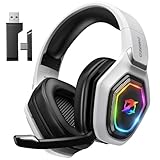

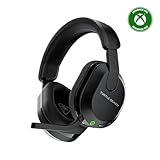


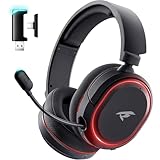

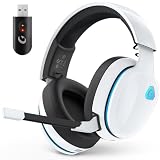
Premium Extended Battery Showcase

Razer Viper V3 HyperSpeed Wireless PC Gaming Mouse, 82g, Black | 30K DPI Optical Sensor, Up to 280 Hr Battery Life, Mechanical Switches Gen-2, 6 Programmable Buttons, 1 x AA Battery included


As an Amazon Associate we earn from qualifying purchases. Product prices and availability are accurate as of the date/time indicated.
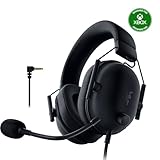
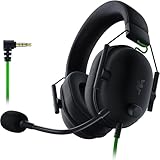
Experience gaming freedom with extended battery life enabling multi-day gaming without charging concerns. This wireless headset combines premium audio quality with exceptional endurance, providing reliable performance throughout extended sessions. Efficient engineering maximizes battery capacity without adding weight or bulk.

SteelSeries Rival 5 Gaming Mouse - Black | PrismSync RGB Lighting and 9 Programmable Buttons – FPS, MOBA, MMO, Battle Royale – 18,000 CPI TrueMove Air Optical Sensor


As an Amazon Associate we earn from qualifying purchases. Product prices and availability are accurate as of the date/time indicated.
Fast charging technology meets extended battery performance in this premium gaming headset. Quick-charge capabilities enable rapid recovery from battery depletion, while impressive endurance under normal use eliminates daily charging requirements. The complete package for gamers valuing convenience and performance equally.
Travel and Portable Gaming Considerations
Extended battery life proves crucial for portable gaming. Gaming laptops drain quickly; headsets with 20+ hour batteries eliminate concern about mid-session charging. International travel benefits from extended endurance—charge once before traveling, gaming without seeking outlets during international flights and ground transportation. Portable battery banks can emergency-charge gaming headsets during extended travel if needed.
Consider pack-out weight when traveling. Extended battery life often requires larger batteries increasing headset weight. Verify that extended endurance doesn’t create uncomfortably heavy devices, particularly for travelers packing multiple items. Modern premium headsets balance extended battery with reasonable weight (typically 300-350g), but some ultra-endurance models approach uncomfortable heaviness.
Seasonal and Usage Pattern Effects on Battery
Gaming patterns affect real battery endurance. Summer seasonal use (fewer gaming hours, frequent charging) stresses batteries differently than winter marathon sessions. Professional esports players gaming 8-12 hours daily stress batteries more severely than casual players gaming 2-3 hours. Plan headset lifespan expectations accounting for your specific usage patterns.
Humidity affects battery performance. Dry gaming environments preserve battery chemistry; humid environments accelerate degradation. Gaming in air-conditioned environments protects battery longevity compared to humid basements or outdoor gaming. Store headsets in dry conditions away from moisture sources.
The Future of Gaming Headset Batteries
Emerging battery technologies promise even more impressive endurance. Solid-state batteries offer 3-5x energy density of current lithium batteries, potentially enabling 100+ hour wireless gaming headsets. However, solid-state technology remains in development phases; commercial gaming headset implementations likely remain 3-5 years away.
Solar charging integration represents another frontier. Experimental headsets incorporate solar cells supplementing battery charging during bright ambient conditions. While not replacing conventional charging, solar supplementation could extend practical battery life in naturally-lit gaming environments.
Conclusion: Battery Life Meets Gaming Performance
Extended battery life represents essential feature in modern wireless gaming headsets, freeing gamers from frequent charging concerns. By understanding battery technology, real-world performance expectations, and smart charging practices, you’ll maximize both battery lifespan and gaming convenience. Select headsets prioritizing both extended endurance and audio quality, ensuring your gaming freedom never compromises performance.
Explore our complete wireless headset collection to find extended-battery options matching your needs. Compare audio specifications in our wired gaming headsets guide and Logitech gaming headphones collection for broader perspective. Budget-conscious gamers should review our affordable gaming headphones and budget headset recommendations. Complete your gaming setup with our 2026 gaming setup guide and PC build recommendations. Step-by-step builders benefit from our PC construction guide, while budget-focused builders explore budget gaming PC options. Discover next-generation gaming in our VR headset guide. Learn general gaming setup principles in our gaming PC build guide.
Related Articles
Looking for more on this topic? Browse the hand-picked guides below — each one applies the same scoring rubric used in this review.