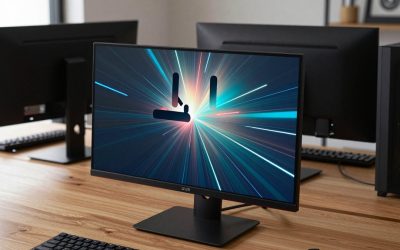
- Top Pick: Skytech Gaming PC Storm, Ryzen 5, RTX 5060 Ti 8GB, 16GB RAM, 1TB SSD
- Best Value: Skytech Gaming Storm Gaming PC, AMD Ryzen 7 5700 3.7GHz, NVIDIA RTX 5060 Ti 8GB VRAM, 1TB NVMe SSD, 32GB DDR4 RAM 3200, 650W Gold PSU, Wi-Fi 5, Windows 11, Desktop
- Premium Choice: Skytech Gaming Storm Gaming PC, AMD Ryzen 5 8400F 4.2GHz, NVIDIA RTX 5060 Ti 8GB VRAM, 1TB NVMe SSD, 16GB DDR5 RAM 6000, 650W Gold PSU, Wi-Fi 5, Windows 11, Desktop
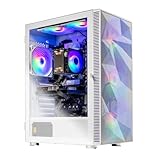
The Skytech Storm is a budget-friendly gaming desktop that aims to deliver strong 1080p performance without stretching the wallet. It pairs an 8-core AMD Ryzen 7 5700 with an NVIDIA GeForce RTX 5060 Ti for around $1,200, and it arrives with a solid base of buyer reviews behind it. This Skytech Storm review covers the specifications, gaming performance, build and value so you can see how much machine that price buys.

Skytech Gaming PC Storm, Ryzen 5, RTX 5060 Ti 8GB, 16GB RAM, 1TB SSD | Windows 11, AMD 5500, NVIDIA 5060 Ti 8G, NVMe SSD, DDR4 3200, 650W GOLD PSU, Wi-Fi 5, Desktop




As an Amazon Associate we earn from qualifying purchases. Product prices and availability are accurate as of the date/time indicated.
🛒 Best Price Today on Amazon
Prime members get fast, free shipping on everything above, plus member-only deals. New members get a 30-day free trial — cancel anytime.
As an Amazon Associate we earn from qualifying purchases.


Skytech Storm at a Glance
| Component | Specification |
|---|---|
| Processor | AMD Ryzen 7 5700 (8 cores, 16 threads, up to 4.6 GHz) |
| Graphics | NVIDIA GeForce RTX 5060 Ti 8GB GDDR7 (Blackwell) |
| Memory | 16GB DDR4-3200 |
| Storage | 1TB NVMe M.2 SSD |
| Power supply | 650W 80+ Gold |
| Cooling | High-performance ARGB air cooler |
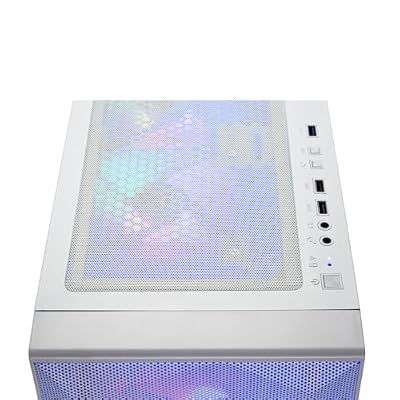
| Case | Skytech Storm, Black Edition with front mesh |
| Price | Check on Amazon |
Performance: Strong 1080p and Capable 1440p
The Storm is built around the RTX 5060 Ti, and that is the right call at this price. It is a strong high-refresh 1080p card that runs modern AAA titles smoothly at high settings, and it is a capable 1440p performer too. Because it uses the Blackwell architecture, it supports DLSS 4 with Multi Frame Generation, which lifts frame rates considerably in supported games and makes 1440p comfortable. This is the 8GB version of the card, so at 1440p with maxed textures in the most demanding 2026 titles you may need to make small settings adjustments, but for high-refresh 1080p it is comfortably equipped. Driving the GPU is the Ryzen 7 5700, an 8-core, 16-thread processor that boosts up to 4.6 GHz. It is a previous-generation chip rather than a current one, and that is a deliberate cost-saving choice — but eight cores still provide plenty of gaming performance and keep the RTX 5060 Ti supplied without becoming a bottleneck at this GPU tier. The 16GB of DDR4 covers mainstream gaming. For more on the GPU, see our RTX 5060 Ti guide.
Design, Cooling and Build Quality
The Storm uses Skytech’s Black Edition case with a front mesh panel, a sensible design that prioritises airflow — mesh fronts let cool air in far more freely than solid panels. Cooling is handled by a high-performance ARGB air cooler built for maximum airflow, a reliable and low-maintenance choice for an 8-core CPU and an entry-to-mid GPU, with no liquid-cooling pump to fail over the long term. Skytech also ships the system with no bloatware, so you get a clean Windows installation. The solid base of positive buyer reviews behind the Storm is good evidence that these machines arrive well-assembled and hold up in everyday use, which matters as much as any single component on a budget prebuilt.
Connectivity and Upgradability
Display outputs include HDMI and DisplayPort, with WiFi (802.11ac) for wireless and a standard USB selection. The 650W 80+ Gold power supply is efficient and well matched to the components. The Storm is built on the AM4 platform with DDR4 memory — the previous-generation standard — which is the main consideration if you plan to upgrade: memory and CPU upgrades will use the older AM4/DDR4 ecosystem rather than the current AM5/DDR5 one. That said, the 8-core Ryzen 7 5700 is already a capable chip, and the most likely real-world upgrades are more storage beyond the 1TB SSD and, eventually, more memory. The conventional tower layout makes those jobs straightforward. Compare it with other affordable options in our best prebuilt gaming PCs under $1,500 roundup.
Setup, Software and Ownership
The Storm keeps ownership simple. It arrives fully assembled with Windows 11 Home pre-installed and free of bloatware, so the system is clean and ready from the first boot. Because Skytech builds with standard, off-the-shelf components, there is no proprietary software ecosystem to learn and no locked-down layout — cleaning, servicing and upgrading all work exactly as they would on a hand-built PC. The high-performance air cooler has no pump or liquid to age, which suits a budget machine meant to run reliably for years with minimal maintenance, and the mesh-front case helps keep temperatures sensible without constant attention. Skytech backs the system with a 1-year warranty on parts and labour. For a buyer who wants an affordable, low-maintenance gaming PC that simply works out of the box, the Storm offers an approachable ownership experience. Compare it with the closely related Skytech Crystal review, which trades some GPU power for more memory.
Who Is the Skytech Storm For?
The Storm is aimed at the value-focused gamer who wants the most graphics performance possible near the $1,200 mark. If you game primarily at high-refresh 1080p, occasionally at 1440p, and would rather put your budget into a stronger GPU than into the latest CPU platform, the Storm is squarely your machine — the RTX 5060 Ti is the highlight, and the Ryzen 7 5700 is a sensible, capable partner for it. It is also a fine first gaming PC thanks to the low-maintenance air cooling and clean setup. It is less suited to two groups: buyers who specifically want a current-generation AM5/DDR5 platform for future upgrade paths; and enthusiasts chasing maxed 1440p or 4K, who need a more powerful GPU. For mainstream 1080p gaming on a budget, it is well judged.
Pros and Cons
- Pros: Strong RTX 5060 Ti for high-refresh 1080p and capable 1440p; capable 8-core Ryzen 7 5700; airflow-focused mesh-front case; low-maintenance air cooling; no bloatware; efficient 80+ Gold PSU; solid buyer-review record.
- Cons: Previous-generation AM4 platform with DDR4 memory; 8GB VRAM limits maxed 1440p textures; 16GB RAM and 1TB storage are mainstream.
Is the Skytech Storm Worth It?
At around $1,200 the Skytech Storm is a sensible value buy. It puts the budget where most gamers feel it — into the RTX 5060 Ti — and pairs it with a capable 8-core CPU, airflow-focused cooling and a clean, bloatware-free setup. The previous-generation AM4 platform is the clearest compromise, but for mainstream 1080p gaming it does not hold the machine back. For strong 1080p performance with capable 1440p on a budget, it earns a recommendation. Shoppers who want a current-platform machine should compare our under $1,500 guide, and our Skytech Archangel 5 review covers a current-generation alternative.
Frequently Asked Questions
Is the Skytech Storm good for 1440p gaming?
Yes, with sensible expectations. The RTX 5060 Ti is a capable 1440p card, especially with DLSS 4. It excels at high-refresh 1080p; at 1440p with maxed textures in demanding titles you may need minor settings adjustments due to the 8GB VRAM.
Is the Ryzen 7 5700 a good gaming CPU?
Yes. Although it is a previous-generation chip, the 8-core Ryzen 7 5700 still provides plenty of gaming performance and pairs well with the RTX 5060 Ti without bottlenecking it at this GPU tier.
Does the Skytech Storm use DDR5 memory?
No. The Storm uses 16GB of DDR4 memory on the AM4 platform — the previous-generation standard — which is one of the ways Skytech reaches this price. For mainstream 1080p gaming it performs perfectly well.
Does the Skytech Storm come with a warranty?
Yes. Skytech includes a 1-year warranty on parts and labour, and the system ships fully assembled with Windows 11 and no bloatware.
Affiliate Disclosure: As an Amazon Associate, we earn from qualifying purchases. If you click a link and make a purchase, we may earn a small commission at no extra cost to you. Prices and availability are accurate as of publication and may change.
Related Articles
Looking for more on this topic? Browse the hand-picked guides below — each one applies the same scoring rubric used in this review.