shapez 2 turns factory building into a puzzle about shapes. There are no enemies, no resource pressure and no timers, only belts, cutters, rotators and painters arranged across floating platforms in space. It sounds like a natural fit for Linux, and the question is whether Steam actually sells it that way.
The short version is that it does. Steam lists shapez 2 for Windows, Mac and Linux, publishes a Linux requirements tab, and ships a Linux depot the same size as the Windows and Mac depots. The longer version has wrinkles: the Deck paperwork predates the full release and the native build has documented quirks.
As an Amazon Associate, we earn from qualifying purchases.
Quick answer
Yes, shapez 2 runs natively on Linux. Steam sells a Linux build with a published requirements tab, a dedicated Linux depot of 3.21 GiB, and all three platform flags set to true, so a Linux library installs the native Unity build by default. ProtonDB rates the Windows build Platinum across 100 reports, and Valve rates the game Playable on Steam Deck.
The Steam record, layer by layer
The record for app 2162800 names the game “shapez 2 – Factory”, developed by tobspr Games and published by tobspr Games with Gamirror Games. It entered Early Access on 15 August 2024 and reached 1.0 on 23 April 2026. Both dates matter, because the Deck paperwork below was written during Early Access.
The platform flags read Windows true, Mac true and Linux true. All three requirements tabs are genuinely populated, minimum and recommended tiers alike. The Linux minimum asks for an Intel Core i5-10400 class processor, 8 GB of memory, a GeForce GTX 750 Ti class graphics card and 2 GB of storage, for the minimum preset at Full HD. The recommended side rises to a Core i5-12600, 16 GB of memory and a GeForce RTX 2060 for the high preset. The Linux tab adds one line that explains the input story: a two-button mouse with a scroll wheel is required.
The depot table is the decisive layer, and it is clean. Three content depots, one per platform, each about the same size: Windows 64-bit at 3.20 GiB, Linux at 3.21 GiB and macOS at 3.21 GiB, for a total install of 9.62 GiB. There are no size-less shells or “Unused” entries.
The purchase packages agree. The base package carries an all-true platform mask with the base app alone, and the Commercial License and Supporter Edition packages read the same way. No package narrows the platform set. The record carries no DRM notice and no third-party account notice, and the technology list names Unity Engine with the Mono, UnityBurst and UnityURP SDKs plus cURL.
Two paperwork lags are worth naming because they look like problems and are not. No LinuxClientIcon is registered — the icon set holds only the generic client icon, the TGA icon and the store icon. That is the inverse fossil shape: the icon is absent while the build is present. The osextended field reads macos64, macosapplesilicon and macosnotarized only, a Mac-only field that says nothing about Linux.
The launch configuration could not be extracted on any route this session: the SteamDB configuration page exposes no launch section, and the steamcmd mirror returns a redirect. The ruling rests on the flags, the packages, the requirements fields and the depot table, which are unanimous.
What the native build gets wrong
A native build is not the same as a flawless build, and the community file makes that distinction plainly. The summary record reads Platinum on the headline and best-reported tiers and Gold on the trending tier, across 100 reports with strong confidence. The ProtonDB game page classifies the game Native and heads its requirements block “Natively Supports:”, which agrees with Steam at every layer.
Most recent filings describe the native build working out of the box, including one that runs it natively on the Steam Linux Runtime. The dissent clusters around specific setups rather than the build in general. One filing reports the native version crashing when loading a save, with the Windows build under Proton Experimental running fine. Another reports the native Linux version essentially broken on 32:9 ultrawide displays, falling back to a pillarboxed 21:9 view with broken cursor interaction. A third reports alt-tab crashes on the native build, and a Wayland filing needs gamescope before the game behaves.
The pattern is familiar from other ageing native ports: the native build is the default and usually the right choice, while the Proton route is the fallback when a specific setup fights it.
The Deck sheet is old
Valve rates shapez 2 Playable on Steam Deck, with SteamOS separately Compatible. The sheet’s deductions are all input-shaped: some functionality needs the touchscreen, the virtual keyboard or a community configuration; the game sometimes shows mouse, keyboard or non-Deck controller icons; entering text requires manually invoking the on-screen keyboard; and some in-game text is small. The one passing check is that the default graphics configuration performs well on Deck. The recommended runtime is proton-stable, which means Valve graded the Proton route on a native game.
The paperwork is stale, and this is a firm supplement candidate. The single test dates from 15 August 2024 and graded build 15152349, the Early Access launch build. The game reached 1.0 on 23 April 2026, and the store assets were modified again on 3 July 2026, so the current branch is at least a full-release build, far past the one Valve tested. The exact current build id could not be extracted on any route this session. The store page’s own embedded record corroborates the category, reading resolved category 2, which is Playable. Valve’s compatibility endpoint returned compressed garbage all session, so the sheet was read through SteamDB’s republication of Valve’s data.
That staleness cuts both ways. The 1.0 release added systems the tested build never had, so a fresh test could find new problems — or find that the input deductions no longer apply. Until Valve retests, the community filings are the better guide: Deck filings describe out-of-the-box play at high settings.
The family and the storefront question
The family is small and unanimous. The DLC array holds two apps, read individually: the Supporter Edition Upgrade, released 15 August 2024, reads all-true, and the Hyper Skin DLC, released 25 June 2026, reads all-true. The Supporter Edition’s extra music tracks are a bonus inside that package rather than a separate soundtrack app, so no all-true soundtrack trap forms. Nothing dissents, and no ghost app appears.
GOG is the one place the sequel does not exist. The natural product address renders the general catalogue, not a product page. The products API returns an empty list and the catalogue API returns nothing; the embed search returns zero products, the known blind spot, not relied on. shapez 2 is a Steam purchase for now, and storefronts such as Humble supply it as a Steam key. That agrees with the original shapez article, which states the sequel is not sold on GOG at all.
The anti-cheat check is silence, reported as silence. The AWACY games list was read in full from the repo root path — 1,167 entries — and holds no entry for shapez 2. The game is single-player and carries no DRM notice.
The gear for the job
shapez 2 is a mouse-first game. The controller position comes from the game’s own record: appdetails carries no controller-support field, the purchase packages read full gamepad false, and no controller category appears on the store page. SteamDB’s controller tag wizard reads Yes, but that is a tag-wizard flag, not a support declaration. Pads are framed strictly as Steam Input translation devices.
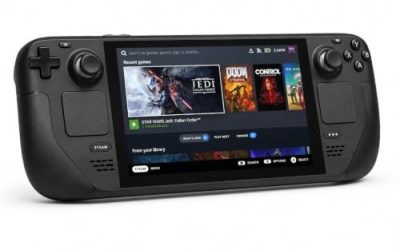
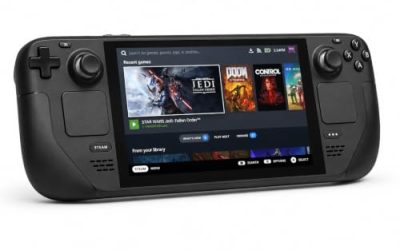
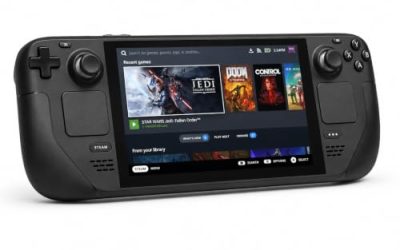
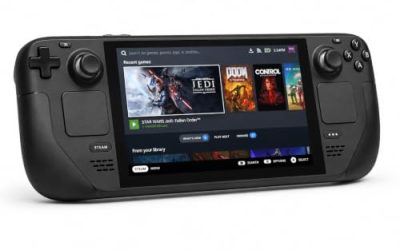
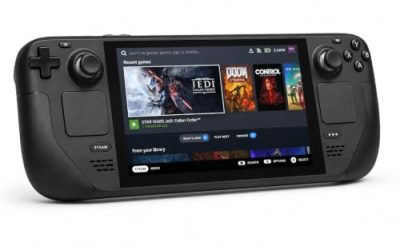
Valve Steam Deck OLED 512GB

The handheld the Verified badge was written for. The game’s published requirements are a rounding error next to the Deck’s APU.
Specs
- Display: 7.4-inch HDR OLED, 1280 by 800, up to 90 Hz
- Processor: AMD Zen 2 and RDNA 2 custom APU
- Memory: 16 GB LPDDR5
- Storage: 512 GB NVMe, plus a microSD slot
- Wireless: Wi-Fi 6E and Bluetooth
- Channel note: Valve sells the Deck mainly through its own store, so Amazon listings are third-party sellers
8BitDo Ultimate 2 Bluetooth Controller
The docked and desktop pad pick, with modern sticks and triggers plus back buttons for menu shortcuts.
Specs
- Connectivity: Bluetooth wireless and USB-C wired
- Joysticks: TMR electromagnetic, anti-drift design
- Triggers: Hall effect, with mode switching
- Extras: two remappable back buttons, motion control
- In the box: charging dock included
Xbox Wireless Controller, Carbon Black
The safest guest pad in PC gaming: Steam Input support is universal, the glyphs match what most games display, and it pairs over Bluetooth or its own wireless standard.
- Connectivity: Xbox Wireless and Bluetooth
- Port: USB-C for wired play
- Controls: hybrid D-pad, dedicated Share button
- Power: AA batteries or optional rechargeable pack
Logitech G502 HERO
At a desk, a precise wired mouse turns long factory sessions into single clicks.
Specs
- HERO optical sensor, up to 25,600 DPI
- 11 programmable buttons
- Adjustable weight system
- Wired USB connection
- On-board memory profiles
Samsung T9 Portable SSD 2TB
For moving a Linux game library between machines, or keeping an offline backup of installers, a fast USB-C drive is the simple answer. The headline figure needs a Gen 2×2 host port; on a lesser port the drive runs at that ceiling instead.
Specs
- Capacity: 2 TB portable SSD
- Interface: USB 3.2 Gen 2×2, USB-C connector
- Maker-rated speeds: up to 2,000 MB per second read, 1,950 MB per second write
- Features: Dynamic Thermal Guard, maker-rated drop resistance
How to choose
Buy the Steam copy, because it is the only PC edition on sale. On a desktop or laptop, install the native Linux build first: the depot, the requirements tab and the flags all point the same way. Keep the Proton route in reserve for the specific setups where the native build struggles — an ultrawide monitor, a Wayland session, or a save that will not load. On a Steam Deck, install and play, but expect the trackpad to do the work of a mouse and keep a keyboard handy for text entry.
Who should skip
Skip this one if you want a DRM-free offline installer, because no GOG edition exists. Skip it if you play on a 32:9 ultrawide display and will not use the Proton route, since the native build is documented as broken on that screen shape. Skip the Deck plan if you will not touch the trackpad or the virtual keyboard, because the Playable badge’s deductions are all about input.
FAQ
Is shapez 2 native on Linux?
Yes. Steam’s record for app 2162800 flags Windows, Mac and Linux, publishes a Linux requirements tab, and ships a Linux depot of 3.21 GiB beside the Windows and Mac depots. The ProtonDB page classifies the game Native.
Does shapez 2 need Proton on Linux?
No, not by default. Proton is the fallback for specific setups where the native build struggles: ultrawide displays, Wayland sessions, and a save-loading crash one filing reports. The Windows build holds a Platinum tier across 100 ProtonDB reports, so the fallback is strong.
Is shapez 2 Steam Deck Verified?
No. Valve rates it Playable, with deductions for the default controller configuration, non-Deck glyphs, manual keyboard invocation and small text. The single test dates from 15 August 2024 and graded an Early Access build, so the badge predates the 1.0 release.
Can I buy shapez 2 on GOG?
No. GOG has no edition of the sequel: the natural product address renders the general catalogue and the product and catalogue APIs return nothing. The original shapez is sold on GOG with a Linux version, but the sequel is a Steam purchase.
Final verdict
shapez 2 is a clean native release with honest rough edges. Steam sells a real Linux build, the depot table proves it, and the family agrees. The native build has documented quirks on ultrawide screens and Wayland, the Deck paperwork predates the full release, and there is no GOG route — but none of those change the verdict.
Product and ASIN Reference
| Product | ASIN |
|---|---|
| Valve Steam Deck OLED 512GB | B0CQ3RWQQZ |
| 8BitDo Ultimate 2 Bluetooth Controller | B0F194QFT2 |
| Xbox Wireless Controller, Carbon Black | B08DF248LD |
| Logitech G502 HERO | B07GBZ4Q68 |
| Samsung T9 Portable SSD 2TB | B0CHFS9K14 |