When buying an SSD you will see NVMe and SATA options, often at similar prices. Understanding the difference helps you pick the right drive for gaming, storage or an OS upgrade.
- The Core Difference
- Form Factors
- Does the Speed Matter for Gaming?
- Which Should You Buy?
- Compatibility Notes
- Heat and Cooling
- DirectStorage and the Future
- Mixing Drive Types
- Key Takeaways
- Real Gaming Differences
- Picking Capacity and Generation
- Final Thoughts and Quick Recap
- Frequently Asked Questions
- Related Guides
This guide explains NVMe vs SATA SSDs in plain terms and which to choose.
As an Amazon Associate we earn from qualifying purchases at no extra cost to you.




The Core Difference
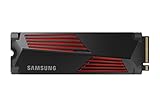
SATA SSDs use the older SATA interface, capped at around 550 MB/s. NVMe SSDs connect via the much faster PCIe bus through an M.2 slot, reaching 3,500 MB/s on PCIe 3.0, 7,000 MB/s on PCIe 4.0, and 14,000 MB/s on PCIe 5.0.
In short, NVMe is many times faster on paper than SATA, though real-world gaming differences are smaller than the numbers suggest.
Form Factors
SATA SSDs come as 2.5-inch drives (with a cable) or M.2 SATA sticks. NVMe drives are M.2 sticks that slot directly into the motherboard, saving cables and space. Note that an M.2 slot can be SATA or NVMe, so check your motherboard.
Most modern boards have multiple M.2 slots for NVMe drives.
Does the Speed Matter for Gaming?
For game load times, a SATA SSD is already a huge upgrade over a hard drive. NVMe shaves a little more off load times and is required for features like DirectStorage, which some new games use to stream assets fast.
For pure gaming, a good PCIe 4.0 NVMe drive is the sweet spot; PCIe 5.0 mainly benefits professional workloads today.
Which Should You Buy?
Choose NVMe for your OS and games drive whenever your motherboard supports it, since prices are now similar to SATA. Use SATA SSDs for cheap bulk storage or to reuse in older systems without M.2 slots.
A 1-2TB PCIe 4.0 NVMe drive is the ideal main drive for most gaming PCs in 2026.
Compatibility Notes
Confirm your motherboard’s M.2 slots and whether each is SATA or NVMe and which PCIe generation it supports. A PCIe 4.0 drive works in a 3.0 slot but at 3.0 speeds. Older laptops may only accept SATA M.2.
Check the manual before buying to avoid a drive that won’t run at full speed.
Heat and Cooling
High-end PCIe 4.0 and 5.0 NVMe drives can run hot under sustained writes and may throttle without a heatsink. Many motherboards include M.2 heatsinks, and PCIe 5.0 drives often ship with one. SATA SSDs run cool and need no cooling.
For a gaming main drive, a PCIe 4.0 NVMe with the motherboard’s heatsink stays cool enough without any fuss.
DirectStorage and the Future
Microsoft’s DirectStorage lets games load assets directly from an NVMe SSD to the GPU, reducing load times and stutter in supported titles. This is one area where NVMe offers a tangible gaming advantage over SATA.
As more games adopt DirectStorage, an NVMe drive becomes the sensible default for a gaming rig.
Mixing Drive Types
A common, cost-effective setup pairs a fast NVMe drive for Windows and your most-played games with a larger SATA SSD or hard drive for the rest of your library. This balances speed and capacity affordably.
Move games you are actively playing to the NVMe drive and keep the archive on cheaper storage.
Key Takeaways
To recap the essentials of this guide on nvme vs sata ssd: follow the official method, keep your software current, and change one thing at a time so you can tell what worked. The steps above are quick, safe and reversible.
If you take away one thing, it is that a little maintenance and the right free tools prevent most problems before they start, keeping your PC fast, stable and ready for the next game.
Real Gaming Differences
In practice, moving from a hard drive to any SSD is transformative, while moving from SATA to NVMe brings smaller, often subtle load-time gains in most current games. NVMe’s advantage grows with DirectStorage titles and large open worlds that stream assets constantly.
For a smooth experience today and readiness for future games, NVMe is the sensible main-drive choice at current prices.
Picking Capacity and Generation
A 1-2TB PCIe 4.0 NVMe drive hits the sweet spot for a gaming PC, balancing speed, capacity and price. PCIe 5.0 drives cost more and run hotter for benefits most gamers will not notice, so 4.0 is the pragmatic pick.
Confirm your motherboard’s M.2 slot generation so your drive runs at its intended speed.
Final Thoughts and Quick Recap
NVMe vs SATA SSD does not need to be complicated. Stick to the official tools and methods covered above, make one change at a time, and verify the result before moving on. That disciplined approach keeps your PC stable and avoids the trial-and-error that causes most headaches, and it applies whether you are a first-time builder or a seasoned enthusiast.
The key points are simple: use trusted sources, keep your software current, and let real data rather than guesswork guide your decisions about nvme vs sata ssd. A few minutes of care here saves hours of troubleshooting later, and the habits pay off across every game and application you run.
The payoff is a system that stays fast, quiet and reliable, ready for whatever you play next. Bookmark this guide and revisit the steps whenever you upgrade a component or run into a new issue, and use the related guides below to keep the rest of your build in equally good shape. Consistent, small maintenance beats occasional big fixes every time.
Frequently Asked Questions
Is NVMe much faster than SATA for gaming?
On paper yes, but real gaming load-time differences are modest. NVMe is still the better buy at similar prices and enables DirectStorage.
Can I put an NVMe drive in any M.2 slot?
Only in M.2 slots that support NVMe; some M.2 slots are SATA-only, so check your motherboard manual.
Is a PCIe 5.0 SSD worth it for gaming?
Not yet for most gamers; PCIe 4.0 is the sweet spot. PCIe 5.0 mainly helps professional workloads.
Should I use SATA SSDs at all?
Yes, for cheap bulk storage or older systems without NVMe support.
Related Guides
- What Is an SSD? A Beginner’s Guide
- How to Check SSD Health
- Best 1TB SSD Price in 2026
- How Much RAM Do You Need for Gaming?