- Top Pick: NEEWER Professional Microphone Pop Filter Shield
- Best Value: NEEWER Metal Pop Filter for Microphone, Six Layer Professional Foam Mic Isolation Shield Windscreen Cover with Flexible Arm for Podcast Live Streaming Voice Over Singing Studio Music Recording, MS044
- Premium Choice: NEEWER Microphone Isolation Ball Shield Pop Filter, Portable Windscreen Mic Cover for Studio Vocal Booth Recording, Sound Absorbing Five Layer Foam Acoustic Equipment for 43-68 mm Mics, MS012
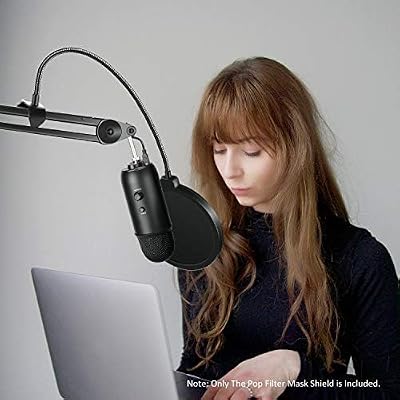
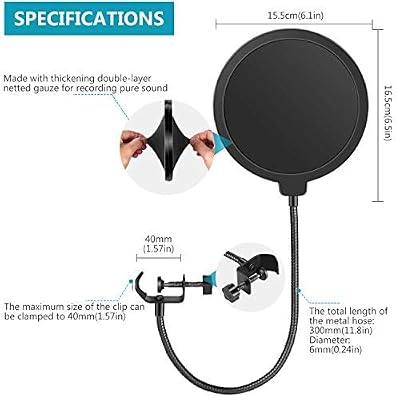
The Neewer Professional Pop Filter Shield is the classic dual-layer nylon pop filter that has been a staple of home recording desks for over a decade. It is the entry-level pop filter design — twin nylon mesh discs on a six-inch frame, mounted to a flexible gooseneck with a clamp that fits onto a mic stand or boom arm. With pricing around $10 it is one of the most accessible plosive-control accessories available, and it remains the natural first purchase for a streamer or podcaster who has just bought a USB or XLR microphone. This Neewer Professional Pop Filter Shield review covers the specifications, build, plosive reduction performance and value.

NEEWER Professional Microphone Pop Filter Shield | Compatible with Blue Yeti and Other Mic, Dual Layered Wind Pop Screen, Flexible 360 Degree Gooseneck Clip, Stabilizing Arm



As an Amazon Associate we earn from qualifying purchases. Product prices and availability are accurate as of the date/time indicated.
🛒 Best Price Today on Amazon
Prime members get fast, free shipping on everything above, plus member-only deals. New members get a 30-day free trial — cancel anytime.
As an Amazon Associate we earn from qualifying purchases.




Neewer Professional Pop Filter Shield at a Glance
| Specification | Detail |
|---|---|
| Type | Dual-layer nylon mesh pop filter |
| Mounting | Gooseneck with screw-clamp |
| Compatible mic mount thread | Universal clamp; fits 5/8″ and 3/8″ stand poles |
| Layer count | Double-layer (twin nylon mesh) |
| Material | Nylon mesh discs with plastic frame and metal gooseneck |
| Adjustment range | Roughly 6-inch flexible gooseneck arm |
| Color options | Black |
| Compatibility list | Blue Yeti, HyperX QuadCast, Shure SM7B, Rode NT1 and most desk-mounted USB or XLR mics |
| Approx price | Around $10 |
Build Quality & Materials
The Neewer Professional Pop Filter Shield is built to a budget but built honestly. The two mesh discs are nylon stretched over a plastic frame — the standard pop-filter design that has been the norm for two decades — and the gooseneck arm is a flexible metal-wrapped tube with a plastic clamp at the base. For a sub-$10 accessory the construction is exactly what should be expected: the mesh and frame are correct for the function, the gooseneck holds position reliably once set, and the clamp fits the typical mic-stand pole.
The weakness of any nylon mesh pop filter is the long-term durability of the mesh itself. Nylon stretches and discolours over time, especially in a setup where the speaker is close to the filter, and the mesh can begin to sag after a year or two of heavy use. For a budget filter at this price that is an honest trade-off — the unit pays for itself many times over against the cost of replacement, and the dual-layer construction continues to reduce plosives even as the mesh ages cosmetically. Inside the budget tier the build is appropriate.
Mounting & Compatibility
The clamp at the base of the gooseneck is a universal screw-clamp designed to grip the pole of a mic stand or the secondary mount of a boom arm. It does not thread onto the mic itself, which is the right design choice — pop filters work best mounted independently of the microphone so they do not transmit vibration. The clamp opens wide enough for the typical 5/8-inch or 3/8-inch stand pole and tightens via a knurled plastic knob.
Compatibility is therefore essentially universal in the desk-mounted mic world. The Blue Yeti, HyperX QuadCast, Shure SM7B, Rode NT1 and the broad USB and XLR mic category all work with this filter, provided the mic is on a stand or boom arm that the clamp can grip. The one configuration where it does not fit is the tabletop-tripod mic with no separate stand — for those setups, look at filters that mount directly to the mic stem. Pair with one of the arms in our best boom arms guide and the install is straightforward.
Plosive Reduction Performance
The dual-layer nylon mesh design is the workhorse plosive-control approach. The first mesh disrupts the high-velocity air burst of a plosive consonant — the puff of air that accompanies a hard P or B — and the gap between the two layers gives the airflow space to disperse before reaching the second mesh, which catches any residual burst. In practice the result is a clear, consistent reduction in plosive thumps on recordings, which is what a pop filter is for.
Where a budget nylon filter shows its price is in the upper-frequency transparency. A premium metal-mesh or triple-layer mesh+foam+etamine filter passes more high-frequency detail through to the mic than a dual-nylon design, which can soften consonants very slightly. For a streaming or podcasting use case the difference is essentially inaudible to the listener — the nylon filter does the job that matters, which is removing plosive bursts. For a critical vocal-recording session in a studio, a triple-layer or metal filter is the upgrade. For everyday streaming and content creation, the Neewer is well judged.
Cleaning & Maintenance
Nylon pop filters need occasional cleaning because saliva, breath moisture and ambient dust collect on the mesh over time. The standard maintenance is to remove the filter from the stand, wipe the mesh gently with a slightly damp cloth, and allow it to air-dry fully before reinstalling. Do not soak the mesh, do not use detergents and do not rub aggressively — the nylon fibres are delicate and can be damaged.
Plan a clean every two to three months for a typical streaming setup, more often for a heavy-use podcasting workflow. The gooseneck arm and clamp need essentially no maintenance — a wipe with a dry cloth keeps them tidy. The mesh is the consumable element, and after a year or two of heavy use a replacement filter at this price point is the simplest fix. For users who want a filter with effectively zero maintenance, a metal-mesh design is the better long-term choice.
Use Cases — Streaming / Podcast / Vocal Recording
For streaming, the Neewer pop filter is well matched to the typical desk setup. A streamer sitting 4 to 8 inches from the mic produces plosive bursts on hard consonants that the filter removes cleanly, and the budget price keeps the overall streaming-gear cost reasonable. Combined with a quality USB or XLR mic from our best streaming microphones guide, it produces broadcast-clean speech audio. For podcasting, the same applies — the dual-layer mesh handles the close-mic technique that podcasters use, and the gooseneck arm positions the filter at the optimal 2-to-4-inch distance from the mic capsule.
For critical vocal recording — sung vocals in a music studio, voiceover for commercial work, ADR for film — the budget nylon filter is functional but a step below the triple-layer or metal-mesh alternatives. Vocal recording technique often involves dynamic mic positioning where the singer moves closer and further from the mic, and the high-frequency transparency of a premium filter becomes audible in the final mix. For everyday content creation it is the correct choice; for paid studio work, the upgrade path is clear. See our best USB microphones and best XLR microphones guides for mic pairings.
Verdict
The Neewer Professional Pop Filter Shield is the right buy for a specific user: a streamer, podcaster or content creator running a desk-mounted USB or XLR microphone, looking to add plosive control without spending more than $10. Inside that envelope it delivers what it should — clean dual-layer plosive reduction, universal mic-stand compatibility, simple installation and a finish that looks fine on a streaming desk.
It is not the right buy for a critical studio vocal-recording workflow or for users who want a maintenance-free metal-mesh design — for those cases, look further down this guide at the triple-layer and metal filters. For the streaming or podcasting desk where the priority is removing plosive bursts at the lowest sensible price, however, the Neewer is one of the most sensible accessory purchases available. Pair it with a webcam from our best streaming webcams guide and the rest of our best streaming gear recommendations for a complete streaming setup.
Frequently Asked Questions
Will this pop filter fit a Blue Yeti?
Yes. The clamp grips the pole of any mic stand or boom arm the Blue Yeti is mounted on, and the gooseneck positions the filter in front of the mic capsule. The filter does not need to attach to the Blue Yeti itself — it mounts independently to the stand.
How far should the pop filter sit from the mic?
Roughly 2 to 4 inches from the mic capsule. Closer than 2 inches reduces effectiveness because the air burst does not have room to disperse; further than 4 inches risks the speaker leaning past the filter and missing it entirely.
Is dual-layer nylon as good as a metal mesh filter?
For plosive reduction the dual-layer nylon design is highly effective and what matters most. A metal-mesh filter offers slightly better high-frequency transparency and effectively zero maintenance, which is the upgrade case. For most streaming and podcasting use the nylon filter is the right tool.
How long does a nylon pop filter last?
Typically one to two years of heavy use before the mesh begins to sag or discolour. At the budget price replacement is straightforward, but for a maintenance-free long-term option, a metal-mesh filter from this guide is the upgrade.
More Mic Accessory Reviews
- On-Stage Foam Ball Microphone Windscreen Review
- Aokeo Professional Pop Filter Mask Review
- Aokeo 3-Layer 360 Flex Pop Screen Review
- Aokeo Metal Mesh Pop Filter for HyperX QuadCast Blue Yeti Review
- PEMOTech 3-Layer Metal Mesh Foam Etamine Pop Filter Review
- Mudder 5-Pack Foam Mic Cover Windscreen Review
- Dragonpad USA Gooseneck Pop Filter Review
- Aokeo Upgraded 3-Layer Pop Filter Metal Mesh Foam Review
Affiliate Disclosure: As an Amazon Associate, we earn from qualifying purchases. If you click a link and make a purchase, we may earn a small commission at no extra cost to you. Prices and availability are accurate as of publication and may change.