The On-Stage Foam Ball Microphone Windscreen is the classic open-cell foam windscreen that slips over the head of a handheld microphone. Unlike a pop filter, which mounts separately in front of a desk-mounted mic, a foam windscreen fits directly onto the mic capsule itself — it is the right tool for handheld vocal mics, on-location recording, outdoor video, podcast roving mics and any situation where a fixed pop filter on a stand is impractical. At around $5 it is one of the cheapest pieces of mic accessory hardware available. This On-Stage Foam Ball Windscreen review covers the specifications, fit, performance and value.


As an Amazon Associate we earn from qualifying purchases. Product prices and availability are accurate as of the date/time indicated.
🛒 Best Price Today on Amazon
Prime members get fast, free shipping on everything above, plus member-only deals. New members get a 30-day free trial — cancel anytime.
As an Amazon Associate we earn from qualifying purchases.


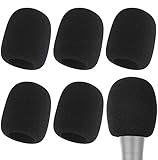
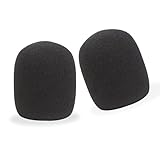


On-Stage Foam Ball Windscreen at a Glance
| Specification | Detail |
|---|---|
| Type | Foam windscreen (slip-over) |
| Mounting | Internal — slips over the mic capsule |
| Compatible mic mount thread | N/A — capsule-fit, not stand-mounted |
| Layer count | Single-layer open-cell foam |
| Material | Open-cell polyurethane foam |
| Adjustment range | Friction fit; stretches to grip the capsule |
| Color options | Black |
| Compatibility list | Shure SM58, SM57, Sennheiser e835/e845, AKG D5, most handheld dynamic mics with standard capsule diameter |
| Approx price | Around $5 |
Build Quality & Materials
The On-Stage windscreen is open-cell polyurethane foam moulded into a ball shape that slips over the mic head. The foam is the standard density used industry-wide for vocal-mic windscreens — soft enough to compress over the capsule grille, dense enough to dampen wind and breath blasts without significantly muffling the audio. For a sub-$5 accessory the construction is exactly correct. There are no metal parts, no mounting hardware, no electronics — just the foam, which is the right design for the job.
Long-term, foam windscreens are consumable. Open-cell foam degrades over time from exposure to UV light, saliva moisture and physical handling, and a windscreen in regular use will need replacement after one to three years. The On-Stage version is priced to make replacement painless, and the foam density holds up well across that lifespan in normal use. For an occasional-use spare in a gig bag or roving-mic kit, a single windscreen can last a decade with minimal degradation.
Mounting & Compatibility
Mounting is the simplest possible — stretch the foam over the head of the mic until it seats against the body of the capsule grille. The foam grips by friction and stays in place during normal handling. There are no threads, no clamps and no adjustment. The On-Stage windscreen is sized for standard handheld vocal mics, which covers the broad Shure SM58 and SM57 class, the Sennheiser e835 and e845, the AKG D5 and most handheld dynamic mics with a standard capsule diameter.
It does not fit the broader large-diaphragm condenser mics — the Blue Yeti, HyperX QuadCast, Shure SM7B, Rode NT1 and similar — because those mics have non-standard capsule shapes and are designed to be used with separate pop filters, not capsule-fit windscreens. For a desk-mounted condenser, a pop filter from elsewhere in this guide is the correct tool. For a handheld dynamic, the On-Stage windscreen is the right fit. Confirm capsule diameter against your mic spec sheet before purchase.
Plosive Reduction Performance
A foam windscreen is the right tool for two specific problems: outdoor wind noise and breath noise from close-mic handling. Open-cell foam dampens the high-velocity airflow of wind without significantly attenuating the audio frequencies that matter for speech and vocals. For an outdoor video shoot, an on-location interview, a streetside podcast or any field recording, the foam windscreen is essential — without it, even light wind produces a low-frequency rumble that ruins the recording.
For breath noise on a handheld vocal mic the windscreen is also effective. Plosive bursts are reduced by the foam dispersing the air before it reaches the capsule, though a dedicated pop filter mounted separately is more effective for the controlled desk recording scenario. The trade-off is the slight high-frequency dampening that any foam introduces — vocals through a foam windscreen are very slightly softer than through a pop filter. For handheld and outdoor use the trade-off is correct; for a desk-mounted condenser, the pop filter is the better tool.
Cleaning & Maintenance
Foam windscreens collect dust, saliva and ambient debris over time and need periodic cleaning. The standard method is to remove the windscreen from the mic, rinse it under cool running water without detergent, squeeze (do not wring) to remove excess moisture, and allow to air-dry fully — typically 24 hours — before refitting. The foam is delicate when wet, so handle gently during cleaning.
A heavily soiled windscreen can be hand-washed with a tiny amount of mild soap, rinsed thoroughly, and dried as above. Do not put a foam windscreen in a washing machine, dryer or dishwasher. Plan a clean every two to three months for a regular-use windscreen, more often for outdoor field-recording use where dust and pollen accumulate. The foam is consumable; when it begins to discolour permanently or lose its springy density, replace rather than over-clean.
Use Cases — Streaming / Podcast / Vocal Recording
For streaming with a desk-mounted condenser, the foam windscreen is the wrong tool — a pop filter is what you want. For podcasting with a handheld dynamic mic in an interview or roving-mic format, the foam windscreen is essential and is the standard piece of kit. For on-location video work, field recording, outdoor interviews and any situation involving moving air, the foam windscreen is the only practical solution.
For vocal recording in a controlled studio environment, the foam windscreen is generally bypassed in favour of a separate pop filter, which preserves more high-frequency detail. The studio engineer’s standard kit includes a separate pop filter for studio vocals and foam windscreens kept in reserve for outdoor and live-sound situations. For most home content creators the foam windscreen is a useful piece of secondary kit to keep in the gear bag for those situations — and at $5 it is essentially free insurance. See our best streaming microphones guide for the broader mic ecosystem.
Frequently Asked Questions
Will this windscreen fit a Blue Yeti?
No. The On-Stage foam windscreen is sized for standard handheld dynamic mics (Shure SM58 class), not for large-diaphragm condensers such as the Blue Yeti. For a desk-mounted condenser use a pop filter from elsewhere in this guide.
Is a foam windscreen as effective as a pop filter for streaming?
No. For a desk-mounted condenser used for streaming, a separate pop filter mounted on a gooseneck arm is more effective at plosive reduction and preserves more high-frequency detail. The foam windscreen is the right tool for handheld mics and outdoor use.
Does this windscreen fit a Shure SM58 or SM57?
Yes. The On-Stage windscreen is sized for the standard handheld dynamic mic capsule diameter, which covers the Shure SM58, SM57, Sennheiser e835/e845, AKG D5 and most handheld dynamic mics. Confirm capsule diameter against your mic spec sheet.
How do you clean a foam windscreen?
Rinse under cool running water without detergent, squeeze gently to remove excess moisture, and air-dry fully for about 24 hours before refitting. For heavy soiling use a tiny amount of mild soap. Do not machine-wash.
More Mic Accessory Reviews
- Aokeo Professional Pop Filter Mask Review
- Aokeo 3-Layer 360 Flex Pop Screen Review
- Aokeo Metal Mesh Pop Filter for HyperX QuadCast Blue Yeti Review
- PEMOTech 3-Layer Metal Mesh Foam Etamine Pop Filter Review
- Mudder 5-Pack Foam Mic Cover Windscreen Review
- Dragonpad USA Gooseneck Pop Filter Review
- Aokeo Upgraded 3-Layer Pop Filter Metal Mesh Foam Review
- Pop Filter Screen Gooseneck Clamp for Blue Yeti Review
Affiliate Disclosure: As an Amazon Associate, we earn from qualifying purchases. If you click a link and make a purchase, we may earn a small commission at no extra cost to you. Prices and availability are accurate as of publication and may change.