LISA: The Painful is Dingaling Productions’ side-scrolling RPG, published by Serenity Forge and released on Steam on 15 December 2014. It is set in the wasteland of Olathe, where Brad Armstrong crosses a ruined landscape in a turn-based journey built around permanent party choices and resource scarcity. Its themes are bleak, and Steam’s own content descriptors flag mature content as a label fact; everything below describes the game in gameplay terms only.
The Linux question for a 2014 RPG Maker title is usually a Proton question. This record is different. Steam’s own files for app 335670 claim a native Linux build, and here the flag, the requirements tab and the depot table all point the same way. This article reads each layer separately: the flags, the requirements field, the depots, the two DLC apps, the anti-cheat sources, the ProtonDB file, the Deck sheet and the GOG catalogue.
As an Amazon Associate, we earn from qualifying purchases.
Quick answer
LISA: The Painful is genuinely native on Linux. Steam flags all three platforms true, the Linux requirements tab is populated, and the depot table holds a dedicated Linux content depot of about 509 MB. No Proton is required. The Steam Deck sheet rates it Playable with a native recommended runtime, and there is no GOG edition.
What the store record claims
Steam’s platform flags for app 335670 read windows true, mac true and linux true. The Linux requirements field is genuinely populated at the minimum tier: Ubuntu 12.04 or higher, 2 GB of RAM, a Radeon HD 2400 or comparable graphics, 800 MB of storage, and a note that anything supporting OpenGL 2.0 should work in theory. No recommended tier is published for Linux, and the Mac field is the same minimum-only shape.
Two fields are absent, recorded here as gaps rather than promises: the record carries no drm_notice and no ext_user_account_notice. The category list is single-player only — Steam Achievements, Steam Trading Cards, Partial Controller Support, Steam Cloud and Family Sharing. Nothing in the record describes an online component.
The depot table settles it
A true flag with a populated tab can still be leftover paperwork, so the depot table is the deciding layer. SteamDB’s table lists a dedicated Linux depot, numbered 335672 and named Linux LISA Content, at 509.01 MiB, beside a Windows content depot at 516.85 MiB and a macOS content depot at 526.16 MiB. The Linux download is a real, separately sized build.
One field dissents: osextended reads macos64. That string is Mac packaging metadata; set against a true flag, a populated tab and a delivered Linux depot, it does not describe the Linux position. The asset list also holds a Linux client icon — artwork, but here the artwork matches the delivery underneath it. The public branch stands on a build set in August 2025, so the depot table describes the current download.
The family shelf: two DLC apps, read one by one
The game’s DLC array holds exactly two apps, both read individually. LISA: The Joyful (app 379310, released 24 August 2015) is the story expansion: it flags all three platforms true, its Linux requirements field is populated at the minimum tier, and SteamDB lists its own Linux depot at 470.81 MiB. Its native claim is backed the same way the base game’s is.
The second app is LISA: Original Soundtrack + Art Collection (app 336370). It also flags linux true, but its Linux requirements field is an empty list outright — a bare flag on a music and art product. That is the recurring trap shape in this series, and here it is harmless: the soundtrack’s flag proves nothing on its own, and it does not need to, because the game’s own flag is independently backed by a populated tab and a sized depot. The family count is three Linux flags across three readable records; only the soundtrack’s one is paper.
Anti-cheat: three sources, all quiet
Steam’s record names no anti-cheat, which fits a single-player-only category list. SteamDB’s detected technologies are the RPGMaker and Unity engine listings alongside Mono, Ogg, OpenAL, SteamworksNET, Vorbis and cURL — engine, audio and plumbing components, no anti-cheat product among them. The Are We Anti-Cheat Yet dataset, searched by name and app id across its full catalogue, carries no entry for this game. Three sources, kept separate, all negative: no anti-cheat layer blocks Linux play here.
The ProtonDB file could not be read
One source failed this session, and the article says so plainly. The ProtonDB summary record returned a page-not-found response on repeated attempts, and the game page did not return readable content, so no tier, report count, confidence figure or classification header is claimed anywhere here. For a native title the gap matters less than usual: a ProtonDB file would only grade the Windows build under Proton, the fallback route here.
Steam Deck: Playable, tested on the native runtime
Valve’s own compatibility endpoint returned no usable answer this session, so the Deck verdict and paperwork were read from SteamDB’s republication of Valve’s compatibility data. The category reads Playable, and the configuration’s recommended runtime is named as native — the badge describes the Linux build itself, not a Proton run.
The passing items are that interface text is legible and the default graphics configuration performs well. The deductions are input-shaped: some functionality is not accessible with the default controller configuration and needs the touchscreen, virtual keyboard or a community configuration; the game sometimes shows mouse, keyboard or non-Deck controller icons; entering text requires manually invoking the on-screen keyboard; and the game supports the Deck’s native resolution but does not set it by default. SteamOS compatibility is listed separately as Compatible.
The dated paperwork was tested on 18 August 2022 against build 3877335. The public branch has since moved to a build set in August 2025, so the test sheet predates the current branch build while the live category still reads Playable: the verdict is current, the dated test behind it is not.
The GOG ruling
There is no GOG edition of this game. The natural product addresses on GOG resolve to the store’s general games catalogue — GOG’s behaviour for titles it does not sell — and its embed catalogue search returns zero products for the title. Steam is the only PC storefront of the two checked that sells this game.
Gear that fits the record
The gear below follows the record’s shape: the handheld the Playable badge was written for, two pads, a mouse for menu-heavy desktop sessions, and library storage.
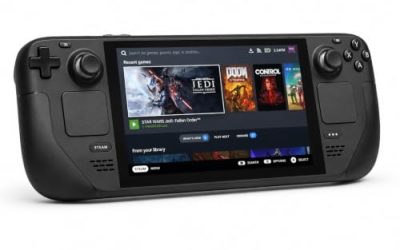
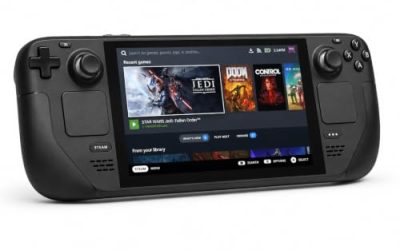
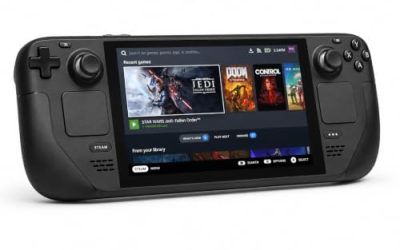
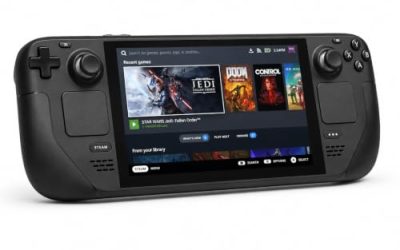
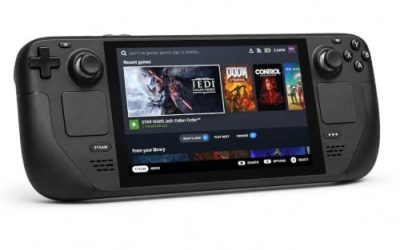
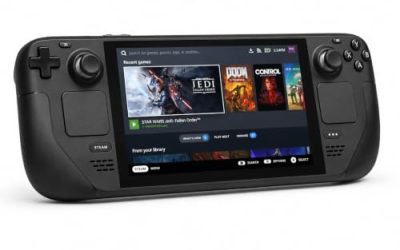
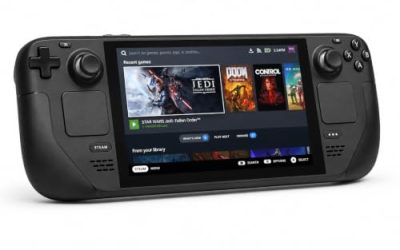
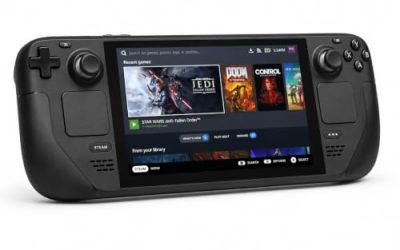
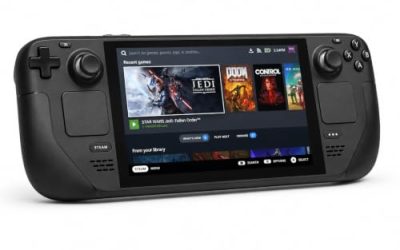
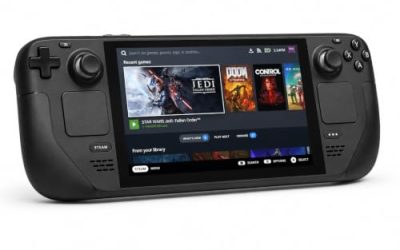
Valve Steam Deck OLED 512GB

The handheld the Playable rating was written for. Valve’s sheet tests the native build on this hardware, and the game’s requirements sit far below what the APU offers; the sheet’s deductions concern controller configuration, not performance.
Specs
- Display: 7.4-inch HDR OLED, 1280 by 800, up to 90 Hz
- Processor: AMD Zen 2 and RDNA 2 custom APU
- Memory: 16 GB LPDDR5
- Storage: 512 GB NVMe, plus a microSD slot
- Wireless: Wi-Fi 6E and Bluetooth
- Channel note: Valve sells the Deck mainly through its own store, so Amazon listings are third-party sellers
8BitDo Ultimate 2 Bluetooth Controller

The docked and desktop pad pick. The Deck sheet notes some functions need more than the default configuration, and remappable back buttons cover the inputs a menu-driven RPG repeats most.
Specs
- Connectivity: Bluetooth wireless and USB-C wired
- Joysticks: TMR electromagnetic, anti-drift design
- Triggers: Hall effect, with mode switching
- Extras: two remappable back buttons, motion control
- In the box: charging dock included
Xbox Wireless Controller, Carbon Black

The safest guest pad in PC gaming: Steam Input support is universal, the glyphs match what most games display, and it pairs over Bluetooth or its own wireless standard. On the handheld, an external pad may need a manual Quick Access Menu switch before it takes over.
- Connectivity: Xbox Wireless and Bluetooth
- Port: USB-C for wired play
- Controls: hybrid D-pad, dedicated Share button
- Power: AA batteries or optional rechargeable pack
Logitech G502 HERO

LISA’s battles and menus are pointer-friendly at a desk, and a precise wired mouse turns inventory trips into single clicks. Eleven programmable buttons cover the confirm, cancel and movement inputs a session repeats.
Specs
- HERO optical sensor, up to 25,600 DPI
- 11 programmable buttons
- Adjustable weight system
- Wired USB connection
- On-board memory profiles
Samsung T9 Portable SSD 2TB

For moving a Linux game library between machines, or keeping an offline backup of installers, a fast USB-C drive is the simple answer. The headline figure needs a Gen 2×2 host port; on a lesser port the drive runs at that ceiling.
Specs
- Capacity: 2 TB portable SSD
- Interface: USB 3.2 Gen 2×2, USB-C connector
- Maker-rated speeds: up to 2,000 MB per second read, 1,950 MB per second write
- Features: Dynamic Thermal Guard, maker-rated drop resistance
How to choose
Start from the record, not the genre’s reputation. This app’s flag, tab and depot table all say native, so install it as a Linux game and leave Proton as the fallback. If you play on Deck, budget a few minutes for the controller configuration: the Playable deductions concern default bindings and on-screen keyboard calls, and a community configuration or a back-button pad answers most of them. The Joyful expansion repeats the same native pattern, so the base-game decision carries over. There is no storefront choice — GOG does not sell the game — so the only decision is hardware: handheld native, docked with a pad, or desktop with a mouse.
Who should skip
Skip the native-first plan if your workflow depends on reading a ProtonDB record before installing: this session could not read that file, and this article claims nothing from it. Skip the Deck as your only device if the input deductions bother you — text entry needs a manually invoked keyboard and some functions sit outside the default configuration. And skip the game itself, on any platform, if its store-listed mature content descriptors describe material you do not want; that is a content decision, not a compatibility one.
FAQ
Is LISA: The Painful native on Linux?
Yes. Steam flags linux true, the Linux requirements tab is populated at the minimum tier, and SteamDB’s depot table lists a dedicated Linux content depot of 509.01 MiB beside the Windows and macOS depots.
Does the Linux version cover The Joyful expansion too?
Yes, on the record. The Joyful (app 379310) flags all three platforms true, publishes a populated Linux requirements field, and has its own Linux depot of 470.81 MiB. The soundtrack app also flags Linux, but with an empty requirements list, so its flag is paperwork only.
Is LISA: The Painful Steam Deck Verified?
No — it is rated Playable, one step below Verified. The deductions concern controller configuration, glyphs and manual keyboard invocation, not performance, and the tested configuration’s recommended runtime is named as native. The test paperwork dates from August 2022 and predates the current branch build.
What does ProtonDB say about LISA: The Painful?
This article does not know, and says so: the ProtonDB summary record returned a page-not-found response on repeated attempts and the game page was unreadable this session, so no tier or report count is claimed. Because the game ships a native build, that file would only describe the Windows build under Proton anyway.
Final verdict
LISA: The Painful is one of the clean native records in this series: a true Linux flag, a populated requirements tab, a separately sized Linux depot in the current branch, an expansion that repeats the pattern, and a Deck sheet that tested the native runtime and rated it Playable. The honest gaps are the missing ProtonDB read, the 2022 Deck paperwork and a soundtrack app whose Linux flag is paper. None touch the central answer: on Linux, this game runs as itself.
Product and ASIN Reference
| Product | ASIN |
|---|---|
| Valve Steam Deck OLED 512GB | B0CQ3RWQQZ |
| 8BitDo Ultimate 2 Bluetooth Controller | B0F194QFT2 |
| Xbox Wireless Controller, Carbon Black | B08DF248LD |
| Logitech G502 HERO | B07GBZ4Q68 |
| Samsung T9 Portable SSD 2TB | B0CHFS9K14 |