Input lag is the invisible enemy of competitive gaming. It is the tiny delay between the moment you move your mouse or press a key and the moment that action appears on screen, and while a few milliseconds sound trivial, they add up to the difference between landing a shot and missing it. Reducing input lag makes a game feel instant and connected, and the best part is that most of the fixes are free settings changes rather than expensive hardware.
- Watch: How to Reduce Input Lag in Games — Video Review
- Enable Low-Latency and Reflex Settings
- Raise Your Frame Rate and Refresh Rate
- Choose a Fast, Responsive Mouse
- Turn Off V-Sync and Use Adaptive Sync Instead
- Optimize Your System and Connection
- Tips
- Frequently Asked Questions
- Conclusion
- Related Articles
- Related Guides
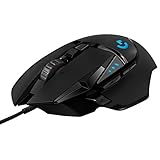
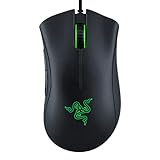
This guide walks through the real sources of input lag and how to eliminate them one by one, from display settings to peripherals to in-game options. You will learn which changes give the biggest improvement, how your mouse and monitor contribute to responsiveness, and how to build a low-latency setup end to end. The high-performance gaming mice below are strong choices where hardware upgrades genuinely help, and they anchor several of the recommendations here.
As an Amazon Associate we earn from qualifying purchases at no extra cost to you.



⚡ Save on Your Next PC — Amazon Prime
Prime members get fast free shipping on the systems above, plus early access to Prime Day & Black Friday PC deals. New members get a 30-day free trial.
Watch: How to Reduce Input Lag in Games — Video Review
Enable Low-Latency and Reflex Settings
Modern GPUs and games include latency-reduction features that are among the most effective free wins available. In your graphics driver, enable the low-latency or reflex mode, which reduces the queue of frames waiting to be rendered so your inputs reach the screen faster. Many competitive games also expose an in-game reflex or low-latency toggle; turn it on. These settings shave real milliseconds off the render pipeline without costing you frame rate in most cases, and they should be the very first thing you configure on a new setup.
Raise Your Frame Rate and Refresh Rate
Higher frame rates directly lower input lag because each new frame is a fresh chance for your action to appear on screen. Pairing a high frame rate with a high-refresh monitor compounds the benefit, since the display updates more often too.
- Uncap your frame rate or set a cap slightly below your monitor’s refresh to keep latency low and consistent.
- Lower graphics settings that tank frame rate without adding competitive value, like heavy post-processing.
- Use a high-refresh monitor so those extra frames actually reach your eyes sooner.
Choose a Fast, Responsive Mouse
Your mouse is where input begins, and a high-quality gaming mouse with a fast sensor and high polling rate minimizes the delay before your movement even leaves the device. Wired mice like the Logitech G502 Hero and the Razer Basilisk V3 deliver rock-solid, lag-free input, while modern wireless options such as the Logitech G305 Lightspeed and the Razer Basilisk V3 X HyperSpeed have closed the gap to the point where they feel effectively instant. A responsive mouse with a high polling rate, like the Logitech G PRO X2 SUPERSTRIKE, ensures the first link in the chain is not the weak one.
Turn Off V-Sync and Use Adaptive Sync Instead
Traditional V-Sync eliminates screen tearing but adds significant input lag because it forces frames to wait for the monitor’s refresh cycle. For low-latency gaming, disable V-Sync and instead rely on adaptive sync, FreeSync or G-SYNC, which prevents tearing without the latency penalty. If you must cap frame rates to stay within the adaptive sync range, use an in-game or driver frame limiter rather than V-Sync. This single change can dramatically improve how immediate your controls feel, especially in fast shooters.
Optimize Your System and Connection
A cluttered or misconfigured system adds latency in ways that are easy to overlook. Close background applications that consume CPU or GPU resources, since they can cause stutters that feel like lag. Plug your mouse and keyboard directly into rear USB ports rather than hubs, and for online games use a wired ethernet connection instead of Wi-Fi to reduce network latency. A budget wired mouse like the Redragon M612 still benefits from clean USB connectivity, and keeping your drivers and Windows updated ensures the whole chain runs as fast as the hardware allows.
Tips
- Enable your GPU and game’s reflex or low-latency mode first, it is the single biggest free improvement.
- Disable V-Sync and use FreeSync or G-SYNC to avoid tearing without the latency cost.
- Plug peripherals into direct rear USB ports and use wired ethernet for online play.
- Push frame rate as high as your GPU allows, since more frames mean lower, more consistent latency.
Frequently Asked Questions
Does a higher frame rate reduce input lag?
Yes. Higher frame rates mean the screen shows your actions sooner, lowering latency. This is why competitive players push for the highest stable frame rate their hardware can deliver, even beyond their monitor’s refresh rate.
Is a wired mouse faster than wireless?
Wired mice have historically had a slight edge, but modern wireless gaming mice using dedicated low-latency technology are now effectively instant. Either is an excellent choice today, so pick based on your preference for cables versus freedom.
Should I turn off V-Sync to reduce input lag?
Yes, traditional V-Sync adds noticeable latency. Disable it and use adaptive sync like FreeSync or G-SYNC instead, which prevents screen tearing without the input delay that V-Sync introduces.
Does my monitor affect input lag?
Absolutely. A monitor’s own processing delay and refresh rate both contribute to total latency. A high-refresh gaming monitor with low processing lag ensures the display is not the bottleneck in your input chain.
Conclusion
Reducing input lag is one of the most satisfying upgrades in gaming because most of the gains cost nothing but a few minutes in a settings menu. Enable reflex and low-latency modes, disable V-Sync in favor of adaptive sync, push your frame rate high, and make sure your mouse and connection are not holding you back. Stack these changes together and your setup will feel instant and responsive, giving you the reaction edge that competitive play demands.