- Top Pick: Razer BlackShark V2 X Xbox Gaming Headset, 3.5mm Audio Jack, Black
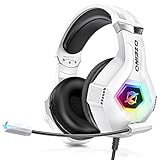
- Best Value: Ozeino Gaming Headset for PC, Ps4, Ps5, Xbox Headset with 7.1 Surround Sound Gaming Headphones with Noise Canceling Mic, LED Light Over Ear Headphones for Switch, Xbox Series X/S, Laptop, Mobile White
- Premium Choice: JBL Quantum 100M2 Wired Gaming Headset, Detachable Mic – Black
Putting together your first gaming setup is exciting and a little overwhelming. Every forum has strong opinions, every product claims to be essential, and it is easy to overspend on flashy extras while missing the pieces that actually shape how you play. The truth is that a great beginner setup is not about buying the most expensive gear; it is about spending on the things you notice every session and skipping the things you never will.
This guide lays out how to build a solid gaming setup from scratch in 2026 without wasting money: where to prioritize your budget, why audio matters more than beginners expect, how to get comfortable for long sessions, and how to leave room to grow. We will keep it practical and beginner-friendly. Our recommended headsets below are a great starting point, since good sound and clear voice chat are among the highest-impact upgrades a new gamer can make.
As an Amazon Associate we earn from qualifying purchases at no extra cost to you.





⚡ Save on Your Next PC — Amazon Prime
Prime members get fast free shipping on the systems above, plus early access to Prime Day & Black Friday PC deals. New members get a 30-day free trial.
Watch: Best Gaming Setup for Beginners (2026 Guide) — Video Review
Where to Spend Your Budget First
With limited money, spend where you spend your time. The parts you touch and sense constantly, your monitor, mouse, keyboard, and headset, matter more day to day than the last few frames of raw power. A responsive monitor and a comfortable mouse improve every single match, while an overpriced case does nothing for how a game feels. Audio is a common blind spot: a solid headset like the Razer BlackShark V2 X or the JBL Quantum 100M2 costs little yet transforms both immersion and your ability to hear opponents. Build the core first, then add extras once you know what you actually miss.
Why Audio Matters More Than You Think
New gamers often treat sound as an afterthought, then discover that a good headset is one of the biggest upgrades to both fun and skill. Directional audio lets you hear footsteps and gunfire before you see anything, which is a genuine competitive edge in shooters. A clear microphone makes team games far more enjoyable and keeps you from being the muffled teammate nobody can understand. Options like the BENGOO G9000 or the Ozeino Gaming Headset deliver surround-style sound and a decent mic on a tight budget, while a wireless model like the Turtle Beach Stealth 600 frees you from cable clutter as you grow.
Comfort for Long Sessions
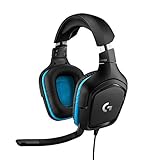
- Choose a headset with breathable earcups and light clamping force, since a heavy or tight one becomes painful after an hour; memory-foam models like the BENGOO G9000 help here.
- Set your chair and desk so your feet are flat, elbows are near 90 degrees, and the monitor top sits at eye level.
- Keep your mouse and keyboard close enough that your shoulders stay relaxed rather than reaching forward.
- Take short breaks each hour to rest your eyes and wrists; comfort keeps you playing longer and better.
Wired or Wireless as a Beginner
You do not need to overthink the wired-versus-wireless question starting out. Wired gear like the Logitech G432 or JBL Quantum 100M2 is cheaper, needs no charging, and is perfectly reliable, making it a smart first choice while you learn what you like. Wireless options such as the Logitech G522 Lightspeed or the AOC 2.4GHz Wireless Headset add convenience and a cleaner desk, and modern low-latency dongles feel just as responsive. If budget is tight, put the savings from wired gear toward a better monitor or mouse; you can always go wireless later.
Leaving Room to Grow
Your first setup should be a foundation, not a finished monument. Resist the urge to buy every accessory at once; live with the core kit for a few weeks and let real friction tell you what to upgrade. Maybe you crave a second monitor, a better microphone for streaming, or a mechanical keyboard once you know your play style. Buying gear that supports expansion, like a headset compatible across PC and consoles such as the Razer BlackShark V2 X, means your early purchases keep serving you as your setup evolves rather than being replaced.
Tips
- Spend on the things you touch and sense every session first: monitor, mouse, keyboard, and headset.
- Do not skimp on audio; a good headset is one of the cheapest ways to boost both immersion and skill.
- Start wired to save money and avoid charging; upgrade to wireless later once you know your preferences.
- Buy your core kit, then wait a few weeks before adding extras so you spend on what you actually miss.
Frequently Asked Questions
What is the most important part of a beginner gaming setup?
The gear you interact with constantly, especially your monitor, mouse, and headset. These shape how every game feels and plays far more than flashy extras. A comfortable, responsive core kit beats an expensive setup with a great case and a mediocre headset.
Do I really need a gaming headset?
For most games, yes. Directional audio gives you a real edge by letting you hear opponents, and a built-in mic makes team play far more enjoyable. Even a budget headset dramatically improves immersion over tinny speakers, making it one of the highest-value first purchases.
Should beginners buy wired or wireless gear?
Wired is the safer starting point: it is cheaper, never needs charging, and is fully reliable. Wireless adds convenience and a tidier desk, and modern dongles feel just as fast, but there is no rush. Start wired and upgrade once you know what matters to you.
How much should I spend on my first setup?
Only as much as it takes to cover a solid core: a decent monitor, a comfortable mouse and keyboard, and a good headset. Avoid buying every accessory at once. Spend on essentials, then let real use reveal what is worth upgrading next.
Conclusion
A great beginner gaming setup comes from smart priorities, not a big budget. Spend first on the gear you touch and hear every session, treat audio as the high-value upgrade it is, and get comfortable enough to play for hours without strain. Start wired to stretch your money, then let real experience guide your next purchases. Build a solid foundation now and your setup will grow naturally with you rather than needing a costly redo.