Affiliate disclosure: As an Amazon Associate we earn from qualifying purchases. This post contains affiliate links — if you buy through them we may earn a small commission at no extra cost to you. This never affects our recommendations.
A well-organized gaming desk isn’t just about aesthetics—it’s about functionality and maximizing your workspace efficiency. Whether you’re juggling multiple peripherals, streaming setup equipment, or simply tired of cable clutter, the right gaming accessory combination can transform your entire setup. Gaming USB hubs and desk organizers have become essential components for any serious gamer’s workstation, offering solutions that separate casual players from those who truly optimize their gaming environment.
In this comprehensive guide, we’ll explore the best gaming accessory variants designed specifically for desk organization and peripheral management. These products combine practical design with gaming-focused aesthetics to create a workspace that’s both functional and inspiring.
In a hurry? See the top-rated Gaming USB Hub & Desk Organizer for Your Setup deals available right now:
🛒 Check Gaming Usb Hub & Desk Organizer For Your Setup Prices on Amazon →🛒 Best Price Today on Amazon
Prime members get fast, free shipping on everything above, plus member-only deals. New members get a 30-day free trial — cancel anytime.
Start 30-Day Prime Free Trial →See Today’s Amazon DealsWhy Gaming Desk Accessories Matter
Your gaming desk is the foundation of your entire setup. Without proper organization and connectivity solutions, even the most powerful gaming rig becomes frustrating to use. When cables are tangled, peripherals aren’t accessible, and your desk space is wasted, your gaming experience suffers—not from performance issues, but from preventable friction that disrupts your flow.
Gaming-specific USB hubs and organizers address these pain points directly. Unlike generic office products, gaming accessories are designed with:
- Aesthetic Alignment: Modern gaming peripherals demand accessories that match their styling, RGB compatibility, and overall design language
- High-Speed Data Transfer: Gaming requires fast USB 3.0+ speeds for streaming equipment, recording devices, and peripheral synchronization
- Multiple Port Options: Gaming setups expand quickly—streaming cameras, capture cards, wireless receivers, charging docks—all demand dedicated ports
- Cable Management: Professional-grade cable routing keeps your desk clean and prevents performance issues from interference
- Modular Expansion: As your setup grows, you need accessories that grow with you without requiring a complete replacement
The gaming accessory market has matured significantly, offering solutions that respect both your equipment and your aesthetic preferences. Whether you’re building your first gaming setup or optimizing a professional streaming station, the right USB hub and organizational accessories make a tangible difference.
Top Gaming Accessory Variants: Product Comparison
As an Amazon Associate we earn from qualifying purchases at no extra cost to you.




Let’s examine the key characteristics that distinguish premium gaming accessories from standard alternatives:
| Feature | Gaming USB Hub | Premium Organizer | Budget Alternative |
|---|---|---|---|
| USB Ports | 4-7 ports (USB 3.0) | 2-4 ports (USB 3.0/3.1) | 2-4 ports (USB 2.0) |
| Data Transfer Speed | Up to 5 Gbps | Up to 10 Gbps | Up to 480 Mbps |
| Design | Gaming aesthetic, RGB optional | Sleek aluminum/plastic blend | Generic plastic |
| Cable Management | Dedicated routing, clips | Integrated design | Basic or none |
| Organizational Features | Pegboard integration, mounting | Multiple compartments, drawers | Single storage area |
| Price Range | $35-85 | $25-65 | $15-40 |
| Warranty | 2-3 years | 1-2 years | 6-12 months |
Key Features & Benefits
USB Hub Advantages for Gaming Setups

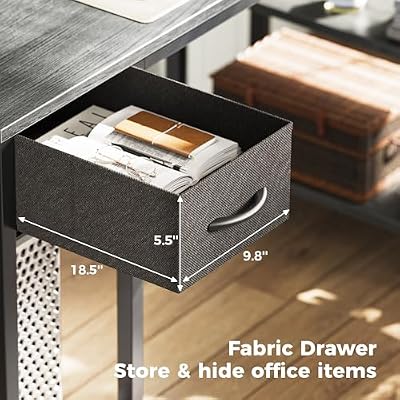
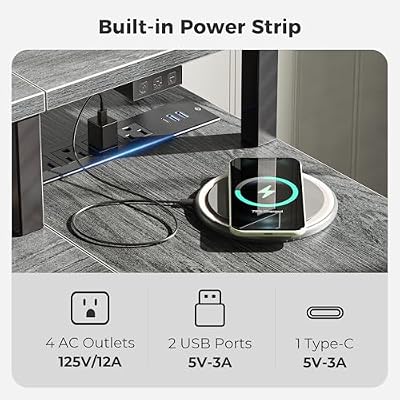
SUPERJARE 47 inch Reversible L Shaped Desk with LED Lights & Power Outlets, Computer Desk with Shelves & Monitor Stand, Gaming Desk with Drawer, Home Office Desk Corner Desk, Grey




As an Amazon Associate we earn from qualifying purchases. Product prices and availability are accurate as of the date/time indicated.
A dedicated gaming USB hub solves the port scarcity problem that plagues modern gaming rigs. Most gaming PCs come with 2-4 rear USB ports and maybe 1-2 front headers, which isn’t nearly enough when you add capture cards, wireless receivers, streaming cameras, and external storage.
Premium gaming USB hubs offer:
- Daisy-Chain Capability: Some models support connecting multiple hubs without performance degradation
- Individual Switches: Control each connected device independently without unplugging
- Fast Charging Ports: Dedicated charging circuits for gaming controllers and mobile devices
- Enhanced Shielding: EMI/RFI protection prevents interference with wireless peripherals and audio equipment
- Compact Form Factor: Mounts behind monitor or integrates with desk organization without visible cables
For competitive gaming, USB hub quality directly impacts wireless peripheral reliability. A poorly-shielded hub can cause latency spikes and connection drops that trash your competitive edge. Quality gaming hubs use isolated power management and noise filtering to maintain stable connections even under stress.
Desk Organizer Integration
The best gaming accessories work together as a system. A well-designed desk organizer doesn’t just hold supplies—it creates a foundation for your entire setup. When you combine organizational furniture with a high-quality USB hub, you get:
- Cable Routing: Built-in channels guide cables from devices to the hub with minimal tangling
- Compartmentalization: Dedicated spaces for controllers, headsets, keycaps, streaming equipment, and cables
- Desk Real Estate: Vertical organization frees up surface area for gaming and streaming
- Aesthetic Cohesion: Coordinated colors and materials create a professional appearance
- Accessibility: Quick-access compartments let you swap peripherals without rearranging your entire desk
Many professional streamers and esports players invest heavily in organizing their physical workspace because it reduces setup friction. When you need to test different microphones, swap keyboards, or reorganize for console streaming, proper organization means you can do it in seconds rather than minutes.
Gaming Desk Integration Guide
Integrating a USB hub and organizer into your gaming desk requires strategic planning. Here’s the professional approach:
Positioning Strategy
Consider these placement options:
- Behind Monitor Mount: Mount the hub on the back of your monitor arm for easy access without taking desk space
- Desk Organizer Integration: Some hubs fit directly into desk organizer compartments
- Tower Adjacent: Position near your PC tower for shortest cable runs and easiest troubleshooting
- Under-Desk Bracket: Mount below the desk surface to keep it out of sight but accessible
The optimal position minimizes cable distance (which reduces interference), maximizes port accessibility, and keeps your desk visually clean. Professional setups often hide the hub entirely while keeping the organizer visible as a functional design element.
Cable Management Best Practices
Once your hub and organizer are positioned, professional-grade cable management becomes essential:
- Separate Power and Data: Route power cables on one side and USB data cables on the other to minimize interference
- Use Cable Sleeves: Group cables with braided sleeves to prevent tangling and improve aesthetics
- Label Everything: Use color-coded tags or labels so you know which port connects to which device
- Leave Slack: Don’t pull cables tight—leave 10-15% extra length for movement and adjustments
- Test Periodically: Every few months, verify all connections are still secure and no new interference has developed
Related Reading: Check out our guides on best gaming desks, ergonomic desk solutions, and gaming keyboard organization for comprehensive setup guidance.
Performance Considerations

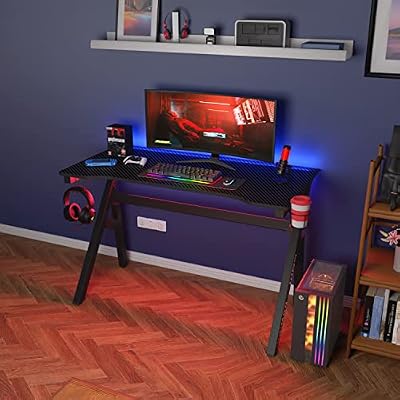
BestOffice | 47" Gaming Table | Red | R-Shaped Computer Desk


As an Amazon Associate we earn from qualifying purchases. Product prices and availability are accurate as of the date/time indicated.
Gaming USB hub performance directly impacts your streaming and recording quality. Here’s what separates quality hubs from bargain alternatives:
Bandwidth Allocation
USB 3.0 provides 5 Gbps theoretical bandwidth. In practice, real-world throughput is 320-400 Mbps per device when multiple devices are connected. This means:
- High-Resolution Cameras: Require 100-200 Mbps per stream (4K @ 30fps)
- Capture Cards: Demand 200-300 Mbps for passthrough plus capture
- External SSDs: Can saturate available bandwidth if poorly managed
- Wireless Dongles: Only need 10-50 Mbps but require low-latency processing
Budget hubs don’t prioritize bandwidth allocation, causing bottlenecks. Quality gaming hubs use intelligent traffic management to ensure gaming peripherals (keyboards, mice, headsets) maintain responsiveness while streaming equipment gets sufficient bandwidth.
Power Delivery Capabilities
Not all USB hubs are created equal when it comes to power delivery. Gaming setups often charge controllers, power wireless receivers, and supply current to RGB devices simultaneously. Budget hubs can deliver 500mA per port maximum. Quality gaming hubs offer:
- Dedicated Power Supply: 5A or higher total current delivery
- Per-Port Protection: Overcurrent shutdown protects connected devices
- Fast Charging Support: Dedicated charging ports deliver 1.5-2.4A for quick controller charges
- Stable Voltage Regulation: Prevents power fluctuations from affecting sensitive gaming peripherals
When your RGB lighting flickers or your wireless mouse randomly disconnects while streaming, the problem is often insufficient or unstable power delivery from a cheap hub. Quality gaming hubs maintain stable power regardless of load.
Value Assessment & Pricing Strategy
Gaming accessories range from $15 budget options to $150+ premium solutions. Understanding the value equation helps you make smart investments.
Budget Tier ($15-30)
What you get:
- Basic USB 2.0 or 3.0 hub with 4 ports
- Minimal cable management features
- Generic plastic construction
- No advanced power management
- Short warranty (6-12 months)
Best for: Temporary solutions, light use, backup hub
Mid-Range Tier ($30-65)
What you get:
- USB 3.0 or 3.1 hub with 6-7 ports
- Integrated cable management
- Decent power delivery (3-4A)
- Gaming aesthetic or premium finish
- 2-year warranty
Best for: Serious gamers, streamers, everyday use
Premium Tier ($65-150)
What you get:
- USB 3.1 hub with 7+ ports plus specialty connections
- Advanced cable management and routing
- RGB lighting integration
- Dedicated power delivery and protection
- 3-year warranty with premium support
Best for: Professional streamers, esports players, maximized setups
For most gamers, the mid-range ($35-55) represents the best value. You get quality components that handle serious gaming and streaming without premium pricing. Only invest in premium tiers if you’re running a professional setup or need specialty features.
Pros and Cons Analysis
Gaming USB Hub Pros
- ✓ Solves port scarcity immediately
- ✓ Improves wireless peripheral stability
- ✓ Enables proper streaming equipment setup
- ✓ Professional appearance when hidden
- ✓ Most affordable solution for port expansion
Gaming USB Hub Cons
- ✗ Requires additional power supply (some models)
- ✗ Can introduce interference if poorly designed
- ✗ Takes up desk or mount space
- ✗ Budget models fail quickly under stress
Desk Organizer Pros
- ✓ Maximizes vertical space utilization
- ✓ Keeps peripherals easily accessible
- ✓ Improves overall desk aesthetics
- ✓ Reduces setup/teardown time for modular gaming
- ✓ Works with any desk configuration
Desk Organizer Cons
- ✗ Takes up desk or wall space
- ✗ Requires initial setup and organization
- ✗ Some designs don’t accommodate larger peripherals
- ✗ May not match all gaming aesthetics
Frequently Asked Questions
Can I connect multiple USB hubs together without losing performance?
Yes, but with caveats. Daisy-chaining hubs is technically possible (some hubs support it), but each additional hub adds latency. Most quality gaming hubs support 1-2 hubs maximum before performance degrades. For serious streaming/gaming, it’s better to invest in one high-capacity hub than multiple smaller ones. Each daisy-chained hub reduces available bandwidth by 10-15%, which is critical when streaming.
Do gaming USB hubs cause interference with wireless mice and keyboards?
Poorly designed hubs absolutely cause interference. Quality gaming hubs use shielded connections and isolated power management to prevent this. This is why paying for a reputable brand matters—cheap hubs can introduce enough EMI/RFI to cause noticeable lag spikes and connection drops in wireless peripherals. Check reviews specifically mentioning wireless peripheral stability before purchasing.
What’s the difference between USB 3.0 and USB 3.1 for gaming?
USB 3.1 (also called USB 3.1 Gen 2) provides 10 Gbps bandwidth versus 5 Gbps for USB 3.0. In practice, for gaming, the difference is minimal unless you’re transferring large files regularly. Where it matters: if you use a capture card (2 Gbps), high-res camera (200-500 Mbps), AND external SSD (500+ Mbps) simultaneously, USB 3.1 prevents bottlenecking. For pure gaming with wireless peripherals, USB 3.0 is sufficient.
Can I use a USB hub for charging gaming controllers?
Yes, dedicated gaming hubs with fast charging ports work well. Standard USB provides 500mA, but quality hubs offer 1.5-2.4A charging ports. This reduces charge time from 4 hours to 1-2 hours for most controllers. However, avoid charging controllers through a hub while simultaneously streaming/gaming with heavy peripheral load, as power delivery can become unstable.
What’s the best way to hide cables with gaming accessories?
Professional streamers use layered approaches: (1) position hub behind monitor or under desk, (2) run cables through desk grommets or under-desk routing channels, (3) use cable sleeves to group related cables, (4) label everything for quick identification, (5) leave slack for adjustment and movement. This setup takes 1-2 hours initially but saves hours of troubleshooting later.
Final Recommendation
The best gaming accessories combine functionality with aesthetics and performance. Whether you’re building your first gaming setup or upgrading a streaming station, investing in quality USB hub and organizational solutions pays dividends in reliability, performance, and workflow efficiency.
For most gamers, a mid-range USB 3.0 hub paired with a modular desk organizer creates the perfect foundation. The hub solves immediate connectivity needs, while the organizer keeps everything accessible and looking professional. Together, they transform a chaotic desk into a tool-ready gaming station.
Related guides: Explore our comprehensive reviews of gaming PC builds, monitor selection guides, and peripheral recommendations to complete your setup.
Take your gaming setup seriously. Quality accessories aren’t luxuries—they’re investments in stability, performance, and the years of gaming enjoyment ahead.
Related Articles
Looking for more on this topic? Browse the hand-picked guides below — each one applies the same scoring rubric used in this review.
Ready to decide? Our #1 pick for 2026 is the USB Ports.
Live price & availability on Amazon.