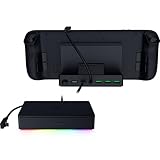
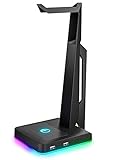
- Top Pick: Razer Base Station V2 Chroma Headphone Headset Stand Holder, Black
- Best Value: Razer Mouse Dock Pro with Wireless Charging Puck: Magnetic Wireless Charging – Integrated HyperPolling 8K Hz Transceiver – Anti-Slip Base – Chroma RGB Lighting – Classic Black
- Premium Choice: Razer Handheld Dock Chroma, Charging Hub & Expand Connectivity, 100W
Affiliate disclosure: As an Amazon Associate we earn from qualifying purchases. This post contains affiliate links — if you buy through them we may earn a small commission at no extra cost to you. This never affects our recommendations.
- The Critical Role of Headset Storage
- Razer Base Station V2 Chroma: Feature Overview
- Core Features & Benefits
- Setup Integration Strategies
- Compatibility & Headset Selection
- Performance Comparison with Alternatives
- Maintenance & Longevity
- Related Gaming Accessory Resources
- Frequently Asked Questions
- Final Recommendation
- Related Articles
- Related Articles
A gaming headset is one of your most expensive and frequently-used peripherals. How you store it when not actively gaming impacts both its lifespan and your overall setup aesthetics. The Razer Base Station V2 Chroma solves a problem most gamers don’t realize they have: it’s not just a headset stand—it’s a complete desk accessory system that combines headset storage, RGB lighting, USB hub functionality, and cable management into a single device.
As an Amazon Associate we earn from qualifying purchases.





This intersection of form and function defines modern gaming accessories. A quality headset stand isn’t just about organization; it’s about creating a cohesive visual and functional experience that elevates your entire setup. The Razer Base Station V2 accomplishes both simultaneously.
In a hurry? See the top-rated Razer Base Station V2 Chroma deals available right now:
🛒 Check Razer Base Station V2 Chroma Prices on Amazon →🛒 Best Price Today on Amazon
Prime members get fast, free shipping on everything above, plus member-only deals. New members get a 30-day free trial — cancel anytime.
Start 30-Day Prime Free Trial →See Today’s Amazon DealsThe Critical Role of Headset Storage
Gaming headsets represent significant investments. Quality gaming audio equipment costs $150-400+, yet most gamers store them carelessly. This leads to predictable problems:
Common Headset Damage Patterns
- Headband Cracking: Unsupported headsets develop stress fractures in the plastic headband within 18-24 months from gravity and contact pressure
- Ear Cup Degradation: Resting ear cups on hard surfaces causes material breakdown. Leather cracks, plastic warps, speaker covers get dented
- Microphone Connector Failure: Boom microphones flexing during storage cause connector pins to loosen, leading to intermittent audio or complete failure
- Cable Tangling: Coiled cables develop kinks. Memory from kinks translates to connection instability and eventual internal wire breaks
- Driver Damage: Headsets stored carelessly get bumped, causing internal speaker damage that doesn’t show externally but reduces audio quality
A proper headset stand prevents every single one of these problems. This isn’t luxury—it’s insurance protecting your equipment investment.
Performance Impact of Proper Storage
When your headset’s microphone connector is loose from careless storage, you experience intermittent audio cutouts during competitive gaming. Your teammates can’t hear call-outs at critical moments. Your streaming audio drops randomly. These aren’t hardware failures—they’re consequences of poor storage.
Professional gamers and streamers invest in proper headset stands because they understand: five minutes of careful storage every day prevents weeks of frustration later.
Razer Base Station V2 Chroma: Feature Overview
Let’s examine what distinguishes the Razer Base Station from generic headset stands:
| Feature | Razer Base Station V2 | Premium Competitors | Budget Stands |
|---|---|---|---|
| Headset Cradle Design | Padded support, curved shape, microphone routing | Padded support, limited adjustment | Basic hook or unsupported |
| USB Hub Ports | 3x USB 3.0 + dedicated charging | 0-2 USB ports | None |
| RGB Lighting | Razer Chroma sync, 16M colors | Fixed RGB or none | None |
| Cable Management | Integrated routing channels, clips | Basic organization | None |
| Material Quality | Premium plastic, rubberized base | Mixed materials | Basic plastic |
| Stability | Heavy base, non-slip pads, no tipping | Moderate stability | Tip-prone with heavy headsets |
| Compatibility | Universal headset support, over-ear focus | Limited range | Very limited |
| Price | $50-70 | $30-60 | $15-30 |
Core Features & Benefits
Engineered Headset Cradle

HyperX Cloud III – Wired Gaming Headset, PC, PS5, Xbox Series X|S, Angled 53mm Drivers, Spatial Audio, Memory Foam, Durable Frame, Ultra-Clear 10mm Mic, USB-C, USB-A, 3.5mm – Black/Red


As an Amazon Associate we earn from qualifying purchases. Product prices and availability are accurate as of the date/time indicated.
The Base Station V2’s cradle design represents careful engineering for gaming headsets:
- Curved Support: Matches the natural arc of headset headbands, distributing pressure evenly and preventing stress concentration that leads to cracks
- Padded Contact Points: Soft rubber pads prevent marking and material damage that hard plastic contact causes
- Microphone Routing: Dedicated channel holds boom microphones in neutral position, preventing connector stress
- Width Adjustment: Accommodates gaming headsets from 4.5″ to 7″ wide—universal coverage
- Height Clearance: Standing headsets keep ear cups suspended, preventing them from contacting the desk surface
This is the critical difference between a headset stand and a headset storage solution. Generic stands hold headsets. Quality stands protect them.
Integrated USB Hub Functionality
The Base Station V2 includes three USB 3.0 ports, solving a dual problem: headset charging and peripheral connectivity. This matters because:
- Charging Accessibility: Store your headset on the stand and charge it simultaneously—no disconnecting when you want to game
- Wireless Receiver Integration: Mount wireless dongle directly in USB ports for optimal signal and cable-free setup
- Controller Charging: Charge gaming controllers while they’re organized on your desk
- Peripheral Connection: Gaming mouse adapter, capture card, or streaming camera can connect through the hub
- Centralized Power: Single power connection provides USB connectivity for multiple devices
This eliminates the problem of a headset stand occupying space while your actual USB connectivity remains scattered. The Base Station becomes a connectivity hub, not just a stand.
Razer Chroma RGB Integration
The V2 features Razer’s Chroma ecosystem lighting, which might seem cosmetic but serves functional purposes:
- Visual Cohesion: If your gaming setup features Razer peripherals, Chroma sync creates unified lighting across devices
- Status Indication: RGB can indicate when devices are charging or wireless connections are active
- Mood Control: Lighting profiles adjust for different gaming contexts (competitive mode = aggressive red, streaming = professional white)
- Aesthetic Polish: Professional-looking setup attracts viewers for streamers and impresses gaming friends
RGB lighting’s value depends on your setup’s existing ecosystem. If you already use Razer products and Chroma, this adds meaningful value. If not, it’s a nice bonus that doesn’t affect core functionality.
Cable Management System
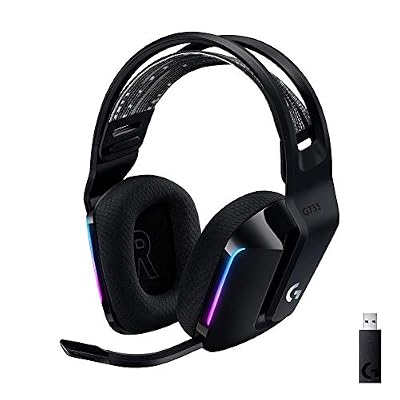
Logitech G733 Lightspeed Wireless Gaming Headset - Black


As an Amazon Associate we earn from qualifying purchases. Product prices and availability are accurate as of the date/time indicated.
The Base Station V2 includes professional cable management:
- Integrated Routing Channels: Guide headset cables down the stand side, keeping them organized and out of sight
- Velcro Ties: Secure excess cable length without permanent fasteners
- Power Cable Routing: Power cord runs along stand back edge, maintaining clean appearance
- Quick-Release Design: Disconnect headset cable without moving the stand
- Peripheral Cable Routing: Additional cable slots accommodate controller charging and wireless dongle cables
Cable chaos is the primary culprit behind setups looking amateurish. The Base Station V2’s cable management turns what could be messy wiring into an organized, professional-looking desk element.
Setup Integration Strategies
Desk Positioning for Gaming
Optimal placement depends on your specific setup:
- Dominant-Hand Side: Position within arm’s reach of your dominant side so grabbing/storing headsets is intuitive
- Monitor-Relative Placement: Keep the stand in peripheral vision rather than blocking your view or creating clutter
- Keyboard Spacing: Maintain 6-12″ clearance from keyboard so removing/replacing headsets doesn’t disrupt gameplay
- Charging Access: Position where you can easily plug charging cables without reaching across your gaming area
- Lighting Visibility: If using RGB lighting, position where it’s visible but not so prominent it becomes distracting during gaming
Most gamers position the Base Station to the side (left or right) of their monitor stack, in the “less critical” real estate. This keeps it accessible without interfering with gaming.
Multi-Headset Gaming
Some gamers rotate between different headsets (gaming headset, streaming microphone headset, casual wireless). The Base Station approach enables this:
- Store primary gaming headset on the stand for immediate access
- Keep secondary headset in nearby organizer or charging dock
- Swap headsets by disconnecting USB from stand (if wireless) or audio cable
- Charge both headsets simultaneously using the hub and nearby charging devices
This flexibility makes the Base Station valuable for multi-role gamers (competitive gaming + streaming + content creation).
Streaming Setup Integration
For streamers, the Base Station V2 solves specific problems:
- Microphone Boom Routing: Store boom mic in the stand’s routing channels, keeping it readily accessible between takes
- USB Connectivity: Stream deck, capture card, or secondary camera connects through the hub
- Visual Professionalism: Organized headset storage looks professional during on-camera breaks
- Quick Swaps: Switch between gaming and streaming audio setups in seconds without cable fumbling
- RGB On-Camera: Chroma lighting adds visual interest to your setup during stream downtime or camera transitions
Professional streamers often position the Base Station prominently because it serves both functional and aesthetic purposes on camera.
Compatibility & Headset Selection
Headset Types That Work Well
The Base Station V2 supports most over-ear gaming headsets:
- Wired Gaming Headsets: Perfect compatibility; cable routes through stand channels
- Wireless Gaming Headsets: Excellent compatibility; wireless dongle mounts in USB hub port
- Esports Headsets: Designed specifically for this use case; padding supports competition headsets
- Streaming Microphone Headsets: Works well with Condenser microphones and XLR headsets via USB interface
Headsets to Avoid
- Earbuds/Earphones: Not designed for stand storage; use alternative accessories
- Very Lightweight Headsets: May not provide stable appearance on cradle
- Unusual Headband Shapes: Non-traditional designs may not fit cradle comfortably
- Extremely Heavy Headsets: Rare, but headsets over 350 grams might tip the stand
For standard gaming headsets (Hyperx, SteelSeries, Audio-Technica gaming lines, Corsair), compatibility is universal.
Performance Comparison with Alternatives
vs. Generic Headset Hooks
Razer Base Station Advantages:
- USB hub integration (hooks have zero connectivity)
- Padded cradle protects headsets (hooks allow damage)
- Professional appearance with RGB
- Cable management system
- Stable base prevents tipping
Generic Hook Advantages:
- Lower cost ($15-25)
- Minimal footprint
- Works with any wall mount system
vs. Premium Headset Stands
Razer Base Station Advantages:
- Integrated USB hub functionality
- Razer Chroma ecosystem integration
- Lower price ($50-70)
- Compact design
Premium Stand Advantages:
- Ultra-premium materials (wood, aluminum)
- Larger storage for multiple headsets
- Minimal visible branding
- Longer lifespan (20+ years)
For gamers, the Base Station V2 offers the best balance of functionality, price, and gaming-specific features.
Maintenance & Longevity
Proper maintenance extends the Base Station V2’s lifespan to 5+ years:
Regular Care
- Weekly: Wipe down cradle and headset contact points with soft cloth
- Monthly: Check USB connections for any looseness or corrosion
- Quarterly: Inspect padding for compression or material degradation
- Annually: Test all USB ports to verify functionality
Common Wear Points
- Rubber Pads: May compress over 3-5 years; replacement pads available
- USB Connections: Can develop intermittent contact; verify headsets are charging properly monthly
- Cradle Material: Premium plastic resists cracking but can develop stress lines if heavily used
- RGB LED Lifespan: Lighting should last 10,000+ hours; essentially permanent for home use
Replacement Timeline
Most gamers keep a Base Station V2 for 5-7 years before replacing. Failure is rare with normal use. Eventual replacement comes from aesthetic preferences (wanting new RGB color schemes) or desk redesigns rather than functional failure.
Related Gaming Accessory Resources
- Gaming Headset Selection Guide — Choosing quality audio
- Premium Gaming Audio — High-end headset options
- Gaming Desk Setup — Workspace integration
- Keyboard Organization — Complete setup optimization
- Ergonomic Desk Solutions — Workspace ergonomics
- Monitor Setup — Visual component positioning
- Gaming PC Selection — Central component overview
Frequently Asked Questions
Can the Base Station V2 hold heavier gaming headsets?
Yes. The Base Station V2 has a heavy rubberized base designed to support headsets up to 400+ grams. Most gaming headsets (even premium models like HyperX Cloudbase) weigh 300-350 grams, well within the support range. The stand won’t tip or degrade performance under normal gaming headset weight. Only extremely specialized or dual-headset setups would exceed capacity.
Do I need Razer products for the Base Station V2 to work well?
No. The Base Station V2 functions perfectly as a headset stand and USB hub regardless of your other peripherals. Razer Chroma integration enhances aesthetics if you have compatible devices, but the core functionality (headset storage, USB connectivity, cable management) works with any brand of headset or peripheral. The RGB is bonus, not requirement.
Can I charge multiple controllers simultaneously on the Base Station?
Yes, with limitations. The Base Station has three USB 3.0 ports. You can connect controller charging cables (or hubs with multiple charging ports) to these USB connections. However, simultaneous charging of 4+ controllers would require an external powered hub connected to one of the Base Station’s USB ports. For typical gaming (1-2 controllers), the built-in USB capacity is sufficient.
Is the Razer Chroma RGB distracting during gameplay?
Not for most gamers. The RGB is positioned on the stand itself, not in your direct line of sight. You see it peripherally, similar to any other desk lighting. If you find RGB distracting, you can disable the lighting through Razer’s software or simply turn off the stand’s power. Most competitive gamers leave RGB enabled for aesthetic reasons without gameplay impact.
What’s the warranty on the Base Station V2?
Razer offers a 2-year manufacturer warranty covering defects in materials and workmanship. USB port failure, LED degradation, and cradle damage (from normal use) are typically covered. Physical damage from dropping, water damage, or modifications are not covered. The warranty is one of the best in the gaming accessory category, reflecting Razer’s confidence in build quality.
Final Recommendation
The Razer Base Station V2 Chroma represents the sweet spot in gaming headset storage: it protects your expensive equipment, adds functional USB connectivity, completes your setup’s aesthetic through RGB integration, and costs less than many standalone gaming headsets.
If you own a quality gaming headset ($150+), a Base Station V2 is an essential protective investment. If you’re building a gaming setup with streaming ambitions, the integrated USB hub makes it practical beyond just headset storage. If you want your desk to look professionally organized, the RGB lighting and cable management deliver visible results.
Invest in proper headset storage. Your equipment—and your setup’s appearance—will improve measurably.
Related Articles
Looking for more on this topic? Browse the hand-picked guides below — each one applies the same scoring rubric used in this review.
Ready to decide? Our #1 pick for 2026 is the Headset Cradle Design.
Live price & availability on Amazon.