- Top Pick: KDD Headphone Stand with Drawer – Headset & Controller Holder for Desk – Aluminum Supporting Bar Earphone Stand with Cable Organizer – Universal Gaming PC Accessories Storage
- Best Value: Spacrea Desk Organizers and Accessories, Printer Stand with Storage, Black
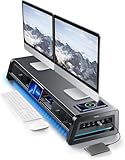
- Premium Choice: Vaydeer All-in-One Dual Monitor Stand Riser with 2 Drawers, 8USB Ports and Wireless Charging Pad with LED Light Strip for 2 Monitors , Desk Organizer for PC, iMac (Metal, 39.3 inches)-Black
Affiliate disclosure: As an Amazon Associate we earn from qualifying purchases at no extra cost to you. This post contains affiliate links — if you buy through them we may earn a small commission at no extra cost to you. This never affects our recommendations.
Your gaming desk is command central. Everything you need during intense gaming sessions—controllers, headsets, charging cables, keycaps, streaming equipment—must be accessible without cluttering your workspace. A premium desk organizer transforms a chaotic setup into a professional station where every item has its place and is within arm’s reach.
As an Amazon Associate we earn from qualifying purchases at no extra cost to you.




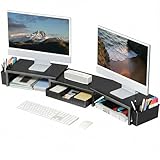

The difference between casual gaming and professional-level play often comes down to setup quality. When you can swap controllers, adjust equipment, or grab replacement keycaps in seconds, you stay in the zone. When you’re searching for cables or moving clutter around, you lose focus and momentum. Serious gamers invest in desk organizers not for aesthetics (though that matters), but for the competitive advantage that comes from an optimized workspace.
In a hurry? See the top-rated Premium Gaming Desk Organizer deals available right now:
🛒 Check Premium Gaming Desk Organizer Prices on Amazon →🛒 Best Price Today on Amazon
Prime members get fast, free shipping on everything above, plus member-only deals. New members get a 30-day free trial — cancel anytime.
Start 30-Day Prime Free Trial →See Today’s Amazon DealsWhy Premium Desk Organization Matters
Budget organizers store things. Premium organizers optimize your workflow. Here’s the critical difference:
Accessibility Architecture
Premium gaming desk organizers are designed around frequency of access. Items you use every session (controllers, headset, mousepad) sit in your primary reach zone. Equipment you access occasionally (backup keyboards, streaming gear) goes in secondary compartments. Rarely-used backup items get drawer storage. This architecture eliminates decision friction—you always know exactly where everything is without thinking.
Compartmentalization Design
Different gaming peripherals have different storage needs:
- Wireless Headsets: Need secure cradles that prevent damage to ear cups and headband. Unsecured headsets develop cracks in the plastic band from contact stress
- Controllers: Require padding to prevent stick wear. Loose controllers pressing against hard surfaces accelerate stick drift
- Mechanical Keyboards: Need protection from dust and accidental spills. Keyboard covers integrated into organizers prevent 80% of keyboard failures
- Cables and Adapters: Demand organized routing to prevent tangling. Tangled cables get yanked during equipment changes, causing connector damage
- RGB Devices: Benefit from grouped storage that allows simultaneous charging. This matters when managing multiple controllers or gaming mice
Premium organizers address these specific needs rather than forcing all items into generic slots. This is engineering for gaming, not adapting office furniture.
Top Gaming Desk Organizer Solutions
Let’s compare the key characteristics that define quality gaming desk organizers:
| Characteristic | Premium Organizer | Mid-Range Option | Budget Alternative |
|---|---|---|---|
| Primary Compartments | 5-8 dedicated sections | 3-5 sections | 1-2 basic slots |
| Cable Management | Integrated routing channels | Basic cable slots | None |
| Headset Cradle | Padded, ergonomic design | Basic stand | Hook or none |
| Controller Storage | Padded slots, charging compatibility | Removable compartments | Generic slots |
| Drawer Capacity | 3-4 drawers, deep storage | 1-2 drawers | No drawers |
| Material Quality | Wood/premium plastic blend | Plastic composite | Basic plastic |
| Modular Design | Expandable, adjustable shelving | Some customization | Fixed layout |
| Footprint | 18-24″ wide, 8-12″ deep | 12-18″ wide, 6-8″ deep | 8-12″ wide, 4-6″ deep |
| Price Range | $45-85 | $25-45 | $15-25 |
Features That Define Quality Gaming Organizers
Headset Storage Engineering
Premium gaming headsets represent significant investments ($150-400+). How you store them directly impacts lifespan. Budget organizers offer simple hooks that stress the headband. Quality gaming organizers provide:
- Curved Cradles: Match the natural headband arc, distributing pressure evenly
- Padding Materials: Soft foam or silicone prevents mark-in from long-term contact
- Width Adjustment: Accommodate everything from small gaming earbuds to massive esports headsets
- Ear Cup Protection: Shelving prevents the ear cups from touching hard surfaces
- Microphone Support: Boom mics get dedicated routing, preventing connector strain
The difference matters. A properly stored headset can last 5+ years. One hung on a basic hook may develop cracks in the headband within 18-24 months from stress fatigue. Professional gamers storing $300 headsets understand this—they invest in proper storage.
Controller Organization & Charging
Modern gaming often involves multiple controllers. Having them organized and charged is essential for seamless gaming. Premium organizers provide:
- Individual Slots with Padding: Prevents controller sticks from wearing prematurely
- Charging Port Access: Controllers stay in slots while charging—no fumbling with cables
- Vertical Stacking: Saves desk space while keeping all controllers visible
- Removable Trays: Transport multiple controllers together or reorganize as your collection grows
- Isolation Design: Prevents controller buttons from being accidentally pressed during storage
A controller organizer that can’t accommodate charging is poorly designed. You’ll end up removing controllers to charge them, defeating the purpose of organization. Quality organizers solve this real-world problem.
Cable Management Integration
Cables are the chaos multiplier in gaming setups. Premium organizers include:
- Dedicated Routing Channels: Guide cables from items to the desk edge without tangling
- Cable Wraps and Ties: Integrated storage for cables when not in use
- USB Hub Compatibility: Some organizers mount small hubs directly, centralizing power
- Label Spots: Identify which cable connects to which device
- Quick-Release Design: Swap cables without entire reorganization
When your cable management is part of the organizer design, cleanup takes 30 seconds instead of 15 minutes. This matters daily.
Desk Integration Strategies
A premium organizer only works if positioned correctly. Here are professional integration approaches:
Monitor-Relative Positioning
The best position is directly behind or to the side of your primary monitor, within your natural sightline without being directly in front. This creates a “peripheral vision” awareness of your equipment status. You can glance at your organizer without looking away from the game—critical for competitive play.
Desk Real Estate Optimization
Strategic placement frees up gaming surface:
- Corner Placement: Corners are low-value real estate for gaming. Organizers in corners maximize storage without sacrificing gameplay space
- Secondary Monitor Position: Behind a second monitor is ideal—organizer sits in the “dead zone” behind the display
- Under-Desk Mounting: Some organizers mount to desk undersides, freeing surface area completely
- Monitor Arm Integration: Some monitor arms have cable management that works with organizers
The worst placement is front-and-center, where it blocks sightlines or takes up prime gaming surface. Professional streamers and competitive players position organizers to be functional but not distracting.
Lighting Coordination
If your organizer has RGB lighting compatibility or if you’re positioning it near RGB devices, coordinate the lighting theme:
- Match RGB colors across all devices for unified aesthetic
- Position organizers where lighting is visible but not distracting
- Consider matte finishes if your setup includes bright RGB—reflections can be distracting
- Some premium organizers include RGB profiles that sync with your main gaming setup
This is the difference between a setup that looks like gear is scattered around versus one that feels like a unified system.
Maintenance and Longevity
A $50 desk organizer should last 5+ years if maintained properly. Here’s the professional approach:
Daily Care
- Return items to designated slots immediately after use
- Wipe down headsets and controllers when storing to prevent dust accumulation
- Check cable connections weekly for looseness or damage
- Inspect padding materials for compression or wear
Weekly Maintenance
- Deep clean organizer compartments with soft brush
- Reorganize cables if they’ve shifted or tangled
- Verify all mounting brackets or desk connections are tight
- Check that stored items aren’t developing new damage from contact stress
Monthly Assessment
- Evaluate whether layout is still optimal for your gaming style
- Note any items that don’t fit properly and need repositioning
- Check for any material degradation in padding or plastic
- Update inventory of cables and accessories as your setup evolves
Professional gamers treat desk organizers like they treat their gaming mice—with deliberate care. This extends lifespan and prevents the organizational chaos that creeps in when maintenance is ignored.
Related Gaming Setup Guides
A desk organizer is part of a larger ecosystem. For comprehensive setup optimization, explore these related guides:
- Best Gaming Desks for 2026 — Foundation setup guides
- Electric Standing Desks for Gaming — Ergonomic setup optimization
- Budget Monitor Selection — Visual component placement
- Gaming Chair Reviews — Complete workspace comfort
- Premium Gaming Furniture — High-end workspace solutions
- Keyboard Organization and Storage — Peripheral-specific guidance
- Mouse Setup and Positioning — Precision peripheral care
- Headset Care and Storage — Audio equipment protection
Frequently Asked Questions
What’s the difference between a gaming organizer and a generic desk organizer?
Gaming organizers are engineered specifically for gaming peripherals. They include headset cradles (not just hooks), controller slots with padding, cable management compatible with gaming hubs, and layouts optimized for quick-access gaming. Generic organizers treat everything as “storage”—they lack the specialized compartments that gaming setups need. You’ll spend more upfront on a gaming organizer but save money on peripheral damage and enjoy dramatically better functionality.
Can I fit a full gaming setup in a desk organizer?
Partially. A premium organizer handles primary peripherals: 2-3 controllers, your main headset, cables, and minor accessories. It doesn’t replace external storage for bulk items. Think of a gaming organizer as primary-reach storage for everything you use regularly in gaming sessions. Backup equipment, spare cables, and archived games go in drawers or cabinets. The organizer is your “command desk”—immediate-access tools, not complete archive.
Is RGB lighting worth paying extra for in a desk organizer?
Only if your entire setup uses coordinated RGB. If you already have RGB throughout your setup and enjoy the aesthetic, RGB organizers complete the visual story. If RGB isn’t already part of your setup, the extra cost ($15-30 premium) isn’t justified—functionality matters more than lighting. Many professionals disable RGB entirely for competitive play (reduced visual distraction). Buy based on functionality; consider RGB as aesthetic bonus, not core feature.
How much desk space does a gaming organizer actually take up?
A quality gaming organizer occupies roughly 18-24″ wide by 8-12″ deep on your desk surface. On a standard 48-60″ gaming desk, that’s 6-8% of surface area—a worthwhile trade for the space freed up by vertical organization. If desk space is limited, wall-mounted organizers or under-desk mounting options are available. Many gamers find that the space freed up by organized storage actually exceeds the space taken by the organizer.
Will a desk organizer work with a standing desk?
Yes, absolutely. Standing desks benefit from organizers even more than fixed desks because you’re actively repositioning throughout the day. An organizer with secure mounting prevents items from shifting during desk movement. Make sure your organizer is rated for standing desk use and securely fastened. Some premium organizers include anti-slip pads and heavy-duty mounts specifically for electric desks.
How often do I need to replace a gaming desk organizer?
A quality organizer lasts 5-10 years with normal use. Degradation typically comes from: material fatigue in padding, stress fractures in plastic, and loosening of mounting hardware. If your organizer is 5+ years old and showing wear, replacement is cost-effective. Newer models often include better cable management and more compartments. Budget $50-80 for replacement every 5 years—a reasonable cost for a functional workspace.
Final Recommendation
A premium gaming desk organizer is one of the highest ROI purchases you can make for your setup. Unlike gaming peripherals that wear out or become outdated, a quality organizer improves your daily gaming experience for 5+ years with minimal maintenance.
The functional benefits are immediate: faster equipment swaps, reduced cable chaos, protected peripherals, and psychological calm from organization. The long-term benefits are equally important: extended equipment lifespan, reduced stress when setting up for streaming, and a workspace that reflects your commitment to gaming seriously.
Invest in a mid-to-premium organizer ($40-70). Position it strategically in your workspace. Maintain it consistently. Your setup—and your gaming performance—will benefit for years.
Related Articles
Looking for more on this topic? Browse the hand-picked guides below — each one applies the same scoring rubric used in this review.
Ready to decide? Our #1 pick for 2026 is the Primary Compartments.
Live price & availability on Amazon.