Top Picks at a Glance

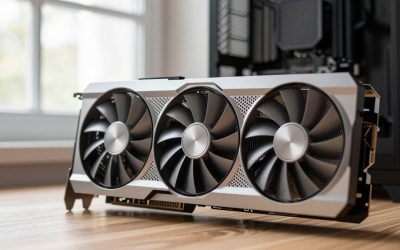
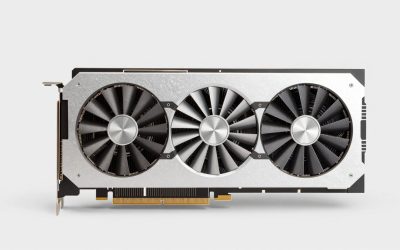
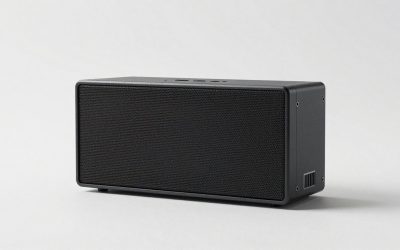
PowerColor Reaper AMD Radeon RX 9060 XT 16GB GDDR6
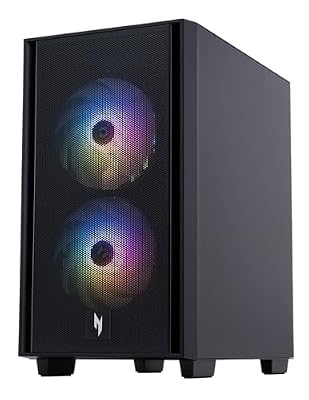
Acer Nitro 60 N60-181-UR26 Gaming Desktop | AMD Ryzen 9 7900 12 Core Processor | NVIDIA GeForce RTX 5070 Ti Graphics (1406 AI TOPS) | 32GB DDR5 | 2TB PCIe 4.0 SSD | Wi-Fi 6 802.11ax | Gigabit Ethernet

Corsair Vengeance a7500 Gaming PC – Liquid Cooled AMD Ryzen™ 7 9800X3D CPU – AMD® Radeon RX 9070XT GPU – 32GB Vengeance RGB DDR5 Memory – 1TB M.2 SSD – Black

Velztorm Pilum Z2 Gaming Desktop PC with 240mm AIO, 32GB DDR4/1TB SSD

msi Aegis ZS Gaming Desktop, AMD Ryzen 9 9900X, GeForce RTX 5080, 32GB RAM, 2TB SSD, Liquid Cooling, Wi-Fi 7, Keyboard & Mouse Included, DIY Friendly, Windows 11 Pro
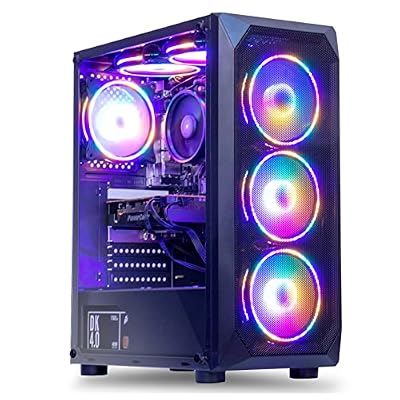
MXZ Gaming PC Desktop Computer, AMD Ryzen 5 5600, RTX 4060Ti, 16GB DDR4, NVME 1 T SSD, 6RGB Fans, Win 11 Pro Ready, Gamer Desktop Computer(R5 5600| RTX4060Ti)
As an Amazon Associate we earn from qualifying purchases. Product prices and availability are accurate as of the date/time indicated.
Affiliate disclosure: GamingPCGuru may earn a commission from purchases made through links on this page, at no extra cost to you.
By Alex Rivera, Hardware Reviewer · May 2026
Best AMD Radeon Graphics Cards in 2026
Quick Answer (TLDR)
If you only have a minute: the AMD Radeon RX 9070 XT (16GB GDDR6) is the top pick for 2026 1440p ultra and 4K compromise gaming on a budget, and the Radeon RX 9060 XT (16GB GDDR6) is the value pick for 1080p high-refresh builders who want maximum raster per dollar.
Why AMD Radeon
AMD’s RDNA 4 generation (the RX 9000 series) launched in early 2025 and stabilized through 2026 as the better-value alternative to NVIDIA’s RTX 50-series. AMD’s headline advantage remains raster performance per dollar — the 9070 XT routinely matches or beats the RTX 5070 Ti in pure rasterization while costing $100–$150 less. AMD also leads on VRAM-per-dollar across the entire stack, with no 8GB-tier modern cards in the 2026 lineup.
The 2026 catch is that AMD still trails NVIDIA on three software fronts: ray tracing performance (closing but not closed), FSR 4 vs DLSS 4 (FSR 4 is dramatically better than FSR 3 thanks to AMD’s AI upscaling, but DLSS 4 retains an edge in fine-detail preservation), and CUDA-dependent productivity apps (3D rendering, AI workloads). For pure raster gaming, Radeon is the better value; for ray tracing or content creation, NVIDIA still leads.
Our Top 5 Radeon Picks
1. AMD Radeon RX 9070 XT (16GB GDDR6) — suggested AIB partner card: Sapphire Nitro+ RX 9070 XT
Why it wins: The 9070 XT is the best raster-per-dollar card of 2026 — matches the 5070 Ti in raster, costs noticeably less, and ships with 16GB VRAM as standard. Target buyer: 1440p enthusiast who values raster performance over ray tracing.
2. AMD Radeon RX 9060 XT (16GB GDDR6) — suggested AIB partner card: PowerColor Hellhound RX 9060 XT
Why it wins: The most affordable 16GB card of 2026 with real 1080p high-refresh and entry 1440p capability. Target buyer: budget builder who needs future-proof VRAM.
3. AMD Radeon RX 9070 (16GB GDDR6) — suggested AIB partner card: ASRock Steel Legend RX 9070
Why it wins: The non-XT 9070 is the volume 1440p AMD card of 2026 — slightly lower TDP than the XT and meaningful price savings. Target buyer: 1440p mainstream gamer.
4. AMD Radeon RX 9080 XT (20GB GDDR6) — suggested AIB partner card: Sapphire Toxic RX 9080 XT
Why it wins: AMD’s 2026 flagship update brings 20GB VRAM and meaningful 4K performance — not 5090 territory, but a credible 5080 competitor at a lower price. Target buyer: 4K-curious enthusiast who wants AMD ecosystem.
5. AMD Radeon RX 9060 (12GB GDDR6) — suggested AIB partner card: XFX Speedster QICK RX 9060
Why it wins: The entry-tier RDNA 4 card — great for esports and 1080p high-refresh in modern AAA. Target buyer: esports player or first-time PC builder.
Buyer’s Guide
When picking a Radeon card in 2026, four factors dominate: raster vs ray tracing priority (if you play mostly esports and AAA raster, Radeon is the better value; if you prioritize ray-traced graphics, lean NVIDIA), VRAM headroom (12GB minimum for 1440p, 16GB recommended; AMD makes this easier since 16GB is standard from 9060 XT up), FSR 4 support in your favorite games (FSR 4 needs developer integration; check the games you play), and AIB partner (Sapphire, PowerColor, ASRock are top tier for AMD; XFX is mid; off-brand caution applies).
AMD cards in 2026 are generally easier on PSUs than NVIDIA equivalents — the 9070 XT happily runs on a quality 750W unit, where a 5070 Ti benefits from 800W+.
Common Brand-Specific Pitfalls
Three AMD-specific 2026 things to know. First, Adrenalin Software has improved dramatically but still occasionally fights with Windows updates — if performance drops after a Windows patch, reinstall the latest Adrenalin. Second, AMD’s ray tracing performance is closer to NVIDIA in 2026 than ever, but heavy path-traced titles still favor NVIDIA — don’t buy AMD if Cyberpunk Path Tracing or Alan Wake 2 PT is your benchmark. Third, the AMD Frame Generation feature is now competitive with DLSS Multi-Frame Generation in most cases — test in your specific games.
FAQ
Q: Is the Radeon RX 9070 XT better than the RTX 5070 Ti?
In pure rasterization, often yes — and at a lower price. In ray tracing and CUDA-dependent productivity, the 5070 Ti wins.
Q: How does FSR 4 compare to DLSS 4 in 2026?
FSR 4 is dramatically better than FSR 3 thanks to AMD’s AI upscaling on RDNA 4. DLSS 4 still has a slight edge in fine-detail preservation and motion stability, but the gap is much narrower than two years ago.
Q: Is AMD good for streaming and content creation in 2026?
For pure live streaming (AV1 encode), yes — RDNA 4 has competitive AV1 encoders. For 3D rendering and AI workloads, NVIDIA’s CUDA ecosystem still leads.
Q: Will AMD cards work with my existing FreeSync monitor?
Yes — FreeSync support is universal across the RX 9000 series and works seamlessly with both FreeSync and FreeSync Premium displays.
Price & Availability in 2026
Radeon RX 9000-series 2026 pricing maintains AMD’s value advantage over NVIDIA. Expect the RX 9060 (12GB) in the $299–$349 range, the RX 9060 XT 16GB at $399–$449, the RX 9070 at $549–$599, the RX 9070 XT at $649–$749, and the RX 9080 XT at $899–$999. Premium AIB variants (Sapphire Nitro+, PowerColor Red Devil) add $50–$150 over base MSRP. AMD’s price-per-frame advantage is typically 15–25% versus equivalently-positioned NVIDIA cards.
Availability is strong across Newegg, Best Buy, and Amazon throughout 2026. Unlike the RTX 5090, no Radeon card has experienced sustained stock shortages this year. AMD’s AIB partners (Sapphire, PowerColor, ASRock, XFX) consistently maintain MSRP pricing, and Newegg’s Shell Shocker deals regularly drop the 9070 XT and 9080 XT to attractive promotional prices. For buyers prioritizing total cost, an AMD GPU plus a higher-tier monitor often delivers better gaming experience than the NVIDIA equivalent within the same budget.
Performance Expectations by Resolution
Realistic RDNA 4 performance per resolution in 2026: At 1080p, the RX 9060 (12GB) delivers high settings at 100–144 FPS in modern AAA and 240+ FPS in esports. At 1440p, the RX 9070 hits high settings at 144 FPS in most AAA titles with FSR 4 Quality. The 9070 XT pushes ultra at 144 FPS at 1440p without upscaling crutches. At 4K, the RX 9080 XT delivers high settings at 80–100 FPS with FSR 4 in modern AAA. Path-traced workloads remain NVIDIA territory — the 9080 XT can run them but with meaningful performance penalty versus the equivalently-priced RTX 5080.
For pure raster gaming — competitive shooters, MOBAs, MMOs, and most AAA titles without aggressive RT — AMD delivers superior frames per dollar across the entire 2026 stack. For VR, the RX 9070 is the practical entry tier; the 9080 XT handles Pimax Crystal Light well. For productivity, AMD’s ROCm ecosystem has improved but still trails CUDA significantly for 3D rendering and AI workloads.
Radeon vs RTX in 2026: When to Pick Which
The Radeon vs RTX decision in 2026 deserves nuance. Pick Radeon when: you play primarily raster-heavy AAA and esports titles, you prioritize maximum frames per dollar, you need 16GB VRAM at lower price tiers (the RX 9060 XT 16GB undercuts the equivalent NVIDIA offering), you want lower power draw for a quieter PSU and chassis, or you specifically support AMD’s open-source driver approach. Pick RTX when: you play games with heavy ray tracing or path tracing (Cyberpunk 2077, Alan Wake 2, Black Myth Wukong with full RT), you use CUDA-dependent productivity apps (Blender, DaVinci Resolve, local LLMs requiring CUDA), or you stream and prioritize NVENC’s superior encoder quality.
For the practical mid-tier buyer in 2026, the RX 9070 XT vs RTX 5070 Ti comparison is the most direct competition — the 9070 XT delivers 10–20% more raster frames per dollar but loses meaningfully in path-traced workloads and CUDA productivity. Pick based on what you actually play and create.
Final Take
AMD Radeon in 2026 is the value pick for raster-focused gamers and the smart pick for buyers who don’t need CUDA. The RX 9070 XT is our enthusiast sweet-spot pick, the RX 9060 XT 16GB wins entry value, and the RX 9080 XT is the credible flagship competitor at a lower price than RTX 5080. Match priorities (raster vs ray tracing), pick a reputable AIB partner, and you’ll get a card that delivers more frames per dollar than anything else on the market. AMD’s 2026 software maturation — particularly FSR 4’s AI-accelerated upscaling on RDNA 4 hardware — has closed the gap with NVIDIA more than any prior generation, making Radeon a serious consideration for buyers who would have defaulted to RTX two years ago.
Frequently Asked Questions
Is the AMD Radeon RX 7900 XTX good for gaming?
Very — the RX 7900 XTX is a flagship-class card that excels at 4K rasterised gaming and offers large 24GB VRAM, often beating similarly priced NVIDIA cards in pure raster. NVIDIA still leads in ray tracing and DLSS, so choose based on the games you play.