- Top Pick: First Alert Plug in Carbon Monoxide Alarm | CO606, 9V Battery Backup
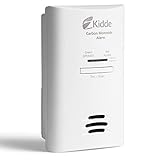
- Best Value: Kidde Carbon Monoxide Detector, Plug-in Carbon Monoxide Detector with AA Battery Backup, 85 dB Alarm, LED Status Light Indicators, 3rd Edition
- Premium Choice: Kidde Carbon Monoxide + Explosive Gas, Natural Gas & Propane Alarm, Plug-in with 9V Battery Backup, Digital Display, 85 dB Alarm, LED Status Indicators, 3rd Edition
Searching for a plug-in smoke and carbon monoxide detector usually means one thing: you want protection that goes into an outlet without a ladder, a drill, or an electrician. There is a catch worth knowing before you shop. Plug-in alarms are overwhelmingly carbon monoxide alarms, because smoke rises and belongs high on a ceiling or wall. In this lineup eight of the nine units are CO-focused plug-ins, and the single smoke-and-CO combination alarm is a hardwired model, not a plug-in.
That makes this guide most useful for renters, apartment dwellers, and homeowners who want to cover bedrooms and basements with outlet-powered CO alarms, and who may pair them with a separate smoke solution. Based on the listed specs, the options span simple battery-backup alarms, smart units with phone alerts, a gas-sensing combination, and long-life battery designs. If you are shopping for 2026 move-ins, a quick read of the buying checklist below will keep you from buying features your layout cannot use. Think about which rooms need coverage first: the hallway outside bedrooms, the floor with the furnace or water heater, and any room over an attached garage are the usual priorities.
Quick Picks
As an Amazon Associate we earn from qualifying purchases at no extra cost to you.




| Product | Best for | Key spec from the title |
|---|---|---|
| First Alert CO606 | Straightforward bedroom coverage | Plug-in CO alarm, 9V battery backup |
| Kidde Plug-in CO (3rd Edition) | AA-battery backup users | 85 dB alarm, LED status lights |
| Kidde CO + Explosive Gas | Homes with gas appliances | Natural gas and propane alert, digital display |
| Kidde COP (5th Edition) | Apartments and outlets with surge worries | Rotating plug, power surge immunity |
| Kidde Smart COPDW | Phone alerts while away | Real-time alerts, backlit display |
| Siterlink CO Detector | Travel and hotel stays | 10 year replaceable battery, 1 pack |
| SITERWELL CO Detector | Covering several rooms | 10 year battery, AC powered, 4-pack |
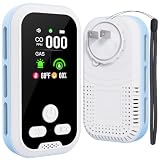
| Kidde Smart CO + Air Quality | Low-level CO and air data | Detects low levels of CO, air quality analysis |
| First Alert SMICO100-AC | Smoke and CO in one hardwired unit | Hardwire combination smoke and CO, 9V backup |
How to Choose
Know what each alarm actually detects
Read the first three words of the title. “Carbon monoxide alarm” does not detect fire. A true combination alarm names both smoke and CO, as the First Alert SMICO100-AC does. If your home needs fire detection, plan for a dedicated smoke alarm on each level and inside every sleeping room, whatever else you plug in.
Backup power and battery life
Plug-in alarms ride on household power, so the backup battery decides what happens during an outage. Options here include a 9V battery, AA batteries, and a sealed 10-year design. A replaceable AA or 9V is easy to service; a 10-year sealed battery cuts maintenance but ties the unit’s life to that battery. Check whether the battery is user-replaceable before you assume you can swap it.
Alarm loudness, displays, and smart features
Several titles list an 85 dB horn, a common loudness figure for residential CO alarms. A digital display shows readings, which helps you spot a rising trend before the horn sounds. Smart models add phone alerts, which help when you are away, but they depend on your Wi-Fi staying connected. For bedrooms, loudness and a clear status light matter more than app features.
Placement, standards, and replacement dates
Place CO alarms on every level and near sleeping areas, in outlets that are not controlled by a wall switch and not blocked by furniture or curtains. Look for UL 2034 on the packaging for CO alarms, and write the install date on the unit. Manufacturers set a replacement window, often five to ten years, so a budget unit with a short life span may need replacing sooner than a long-life design. Ignore marketing about sensor “technology” names unless the listing explains the sensing type, and treat portable travel alarms as supplements, not whole-home solutions.
The 9 Best Options
First Alert CO606
A plug-in carbon monoxide alarm with 9V battery backup, this is the minimal, no-surprises design. It suits a hallway or bedroom outlet where you want a single job done and a familiar battery format. For a landlord outfitting several units, or a homeowner adding a second alarm upstairs, the uncomplicated layout means little to learn and little to configure.
- Strength: 9V battery backup keeps it running through an outage.
- Strength: a focused plug-in layout with no screens or apps to configure.
- Trade-off: the title lists no display and no smoke detection.
Skip it if you want a readout of CO levels or any phone connectivity.
Kidde Plug-in CO Detector, 3rd Edition
This Kidde plug-in uses AA batteries for backup and lists an 85 dB alarm with LED status indicators. AA cells are easy to find, so it works for households that keep spare batteries around. The 3rd Edition label in the title tells you this is an older design generation than the 5th Edition units further down, which matters if you prefer the newest feature set.
- Strength: AA battery backup is simple to replace.
- Strength: LED status lights give a quick visual check from across a room.
- Trade-off: no digital display is mentioned, so you see status, not readings.
Skip it if you want to read CO values or want alerts sent to your phone.
Kidde CO + Explosive Gas Alarm
This one pairs carbon monoxide detection with natural gas and propane alerts, plus a digital display and 9V backup. It is built for homes with gas ranges, furnaces, or a propane setup, and a kitchen or utility-room outlet is the obvious home for it. Because explosive gas and carbon monoxide behave differently in a room, read the placement guidance in the manual rather than treating it like a standard bedroom alarm.
- Strength: covers both CO and explosive gas, two separate hazards, in one outlet.
- Strength: digital display and 85 dB alarm with LED indicators.
- Trade-off: no smoke detection, so it does not replace a fire alarm.
Skip it if you cook and heat entirely with electricity.
Kidde COP Plug-in, 5th Edition
The COP highlights a rotating plug and power surge immunity, which helps in apartments with awkward outlet orientations, such as outlets mounted sideways or sitting right beside a cabinet. It uses AA backup and lists LED status lights and an 85 dB alarm.
- Strength: rotating plug fits horizontal and vertical outlets.
- Strength: power surge immunity is listed in the title.
- Trade-off: no display or app connectivity.
Skip it if you want smart alerts or a numeric readout.
Kidde Smart CO Detector COPDW
The smart member of the family adds real-time alerts, a digital backlit display, and the promise of no low battery chirps. It is designed for people who are often away from home, such as a landlord with a rental unit or a family with a lake house that sits empty between visits.
- Strength: real-time alerts reach you when the house is empty.
- Strength: backlit display plus AA backup.
- Trade-off: smart alerts depend on your home network staying online.
Skip it if you do not want another device on your Wi-Fi.
Siterlink CO Detector, 10 Year Battery
Sold as a one-pack, this plug-and-play alarm lists a 10 year replaceable battery and describes itself as portable for home, travel, and hotel use. It fits a frequent traveler who rents rooms or cabins and wants an extra layer of protection in an unfamiliar bedroom, though it should supplement the alarms already installed in the property rather than replace them.
- Strength: long-life battery reduces maintenance.
- Strength: portable positioning suits travel bags.
- Trade-off: the title offers few safety details beyond the battery, so check the packaging for certification marks.
Skip it if you need smoke detection or a display.
SITERWELL Plug-in CO Detector, 4-Pack
This four-pack lists a 10 year battery, AC power, and an electrochemical sensor with a sound warning. The pack count is the attraction for multi-room coverage, and identical units make it easier to track one shared replacement date across the whole house.
- Strength: four units cover bedrooms, hall, and basement from one purchase.
- Strength: electrochemical sensor named in the title, plus AC power.
- Trade-off: no display or smart alerts are listed.
Skip it if you only need one alarm.
Kidde Smart CO + Indoor Air Quality COPDLQW
Beyond smart alerts, this model lists air quality analysis and detection of low levels of carbon monoxide, with a digital display and AA backup. It suits data-minded households that like to see numbers on a display and would rather catch a slow rise in carbon monoxide than wait for a horn to sound.
- Strength: low-level CO detection is named in the title.
- Strength: air quality analysis adds context beyond a yes/no alarm.
- Trade-off: more features mean more settings to manage.
Skip it if you want the simplest possible alarm.
First Alert Hardwire Combination SMICO100-AC
This is the only smoke and CO combination here, and it is hardwired rather than plug-in. It carries a 9V backup battery and is a ceiling-or-wall fixture that needs household wiring. It belongs in the guide because it is the only unit in the group that addresses fire, and because a homeowner who already has a hardwired alarm circuit may find it a natural swap for an aging fixture.
- Strength: one unit covers both smoke and carbon monoxide.
- Strength: 9V battery backup alongside hardwired power.
- Trade-off: installation involves wiring, not just an outlet.
Skip it if you rent, cannot modify wiring, or want a true plug-in.
Which One Fits Your Situation
You rent and want fast coverage
The Kidde COP’s rotating plug and surge immunity make it a practical apartment choice, and it needs nothing but an outlet.
You cook with gas or heat with propane
The Kidde CO + Explosive Gas alarm covers carbon monoxide along with natural gas and propane in one device.
You want to cover several rooms at once
The SITERWELL four-pack covers multiple rooms with the same alarm type, which keeps maintenance schedules identical.
You travel and are away often
The Kidde Smart COPDW sends alerts while you are gone at home, and the Siterlink fits your bag when you stay in hotels.
Common Mistakes
- Assuming a plug-in CO alarm also detects smoke, when most titles do not say so.
- Plugging an alarm into an outlet behind a sofa or curtain where airflow is blocked.
- Forgetting to write the install date, then missing the replacement window.
- Installing a single unit near the kitchen only, leaving bedrooms unprotected.
- Ignoring a low-battery chirp because the unit is also on household power.
Related guides
- Combination Smoke And Carbon Monoxide Detectors
- Aio Liquid Coolers For High Performance Gaming
- Graphics Cards For Low Wattage Power Supplies
Frequently Asked Questions
Can a plug-in alarm replace my smoke detectors?
No. Most plug-in alarms in this guide detect carbon monoxide only. Keep dedicated smoke alarms on each level and in each sleeping area.
Where should I plug them in?
Choose outlets on every level and near bedrooms, away from direct blockage and not controlled by a wall switch. Follow the instructions printed inside the package.
How long do these alarms last?
Manufacturers set a replacement date, often between five and ten years. Check the date on the back of the unit rather than guessing from the battery.
Are smart alarms worth it?
They help if you travel or own a second home, since alerts reach your phone. If you are always home, a basic horn alarm covers the core need.