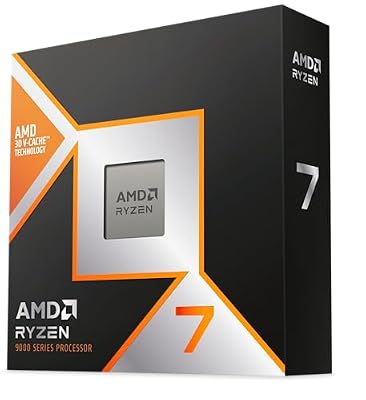
Best Multicore CPU for Gaming and Streaming in 2026
Gaming and streaming at the same time is one of the hardest jobs a desktop processor can do. The game needs fast cores and a steady frame delivery, while the encoder, chat, browser and overlays need spare threads that do not steal time from the game. A multicore CPU can cover that load, but only if you understand how cores, cache and platform features work together. This guide explains what to look for and how to choose between high-core chips for a streaming rig.
This is a buying guide. It does not publish benchmark numbers, because streaming results depend on the encoder, bitrate, game and graphics card. Where we describe how a chip behaves under mixed load, we rely on processor design and on the general patterns that independent reviewers have reported. Confirm the details against current review charts before you commit.
The listings below were returned for this search. The first is the primary pick and the others are close alternatives. The listing above may not be the exact model you had in mind, so check the card for the precise model, core configuration and price before ordering.

AMD Ryzen 9 9900X3D 12-Core Processor

Intel Core Ultra 7 Desktop Processor 265K - 20 cores (8 P-cores + 12 E-cores) up to 5.5 GHz
What a Streaming CPU Has to Handle
A stream is more than a game running in the background. The processor may be managing game logic, feeding the graphics card, running a software encoder, handling audio and chat, and keeping a browser or companion app open. If the game and the stream compete for the same cores, frame times suffer and the stream drops frames. That is why core count matters for streamers, even though most games still focus on a handful of strong cores.
Core Count Versus Single-Thread Speed
High core counts help when you run several heavy tasks at once. Single-thread speed still matters, because many game engines rely on a few main threads. The best streaming chip is usually one that has enough cores to keep the stream smooth while keeping the game’s main threads fast. Look for a chip that balances both rather than maxing out one number.
Cache and Frame Consistency Under Load
Large cache can help a streaming build because it reduces the time the processor spends fetching data during mixed workloads. Chips with extra cache often deliver steadier frame times in games, which matters when a stream is also using resources. Consistency is easy to overlook, but viewers notice stutter faster than they notice a small drop in average frame rate.
Hybrid Designs and Thread Scheduling
Some Intel chips use performance and efficiency cores, and the operating system schedules tasks across both. Efficiency cores can absorb background work such as chat or encoding, but they are not identical to performance cores. Check how the chip is configured and whether the scheduler and driver support are current before relying on it for a streaming rig.

Intel® Core™ Ultra 9 Desktop Processor 285K, 24 Cores (8P + 16E), up to 5.7 GHz


As an Amazon Associate we earn from qualifying purchases. Product prices and availability are accurate as of the date/time indicated.
Comparison Table: Streaming-Oriented Processor Options
The table compares the listings by the streaming trade-off they represent. It avoids prices and ratings, because those change and vary by seller. Use it to match each option to your stream setup.
| Option | ASIN | Best for | Price guidance | Trade-off to check |
|---|---|---|---|---|
| Primary pick (hero) | B0DFKC99VL | Gamers who stream at 1080p or 1440p | Check current price | Core layout and cooler requirements |
| Alternative 1 | B0DWGWN8GY | Streamers who want more threads for encoding | Check current price | Power draw and cooling needs |
| Alternative 2 | B0DFK2MH2D | Builders matching an existing board | Check current price | Socket compatibility |
| Alternative 3 | B0HQ4XLHLW | High-core workloads beside gaming | Check current price | Total platform cost |
| Alternative 4 | B0H5KBXR26 | Value-focused streamers | Check current price | Warranty and return window |
Read the table as a shortlist. The right row depends on your encoder, your bitrate and how much you run alongside the game. A high core count with a weak cooler can throttle under a long session, so plan the cooling as carefully as the processor.
Building Around a Streaming CPU
Cooling for Long Sessions
Streaming sessions are long, and sustained load tests a cooler differently than a short benchmark. Choose a high-quality tower cooler or a 240mm to 360mm liquid cooler, depending on the chip. Check the cooler’s socket support before you buy. Our CPU cooler guide for gaming covers the common options, and the 360mm AIO roundup helps if you choose a liquid cooler for a high-core chip.
Memory and Storage for a Stream Rig
A streaming PC benefits from 32GB or more of DDR5 memory, because the game, the encoder, the browser and the chat app all draw from the same pool. Fast NVMe storage helps with recordings and game loading. Pick a memory kit with a stable memory profile for your board, and keep the operating system and recording drive on separate SSDs if you can.
Power Supply Headroom
A high-core chip plus a midrange or high-end graphics card can draw a lot of power under combined load. Choose a reputable power supply with headroom above the sum of your components’ rated draw, not just the minimum. The 850W power supply guide helps with sizing.
Which Multicore Chip to Choose
For Streamers Who Game at 1440p
At 1440p, the graphics card usually sets the frame rate in demanding games, so the processor’s job is to keep the game and the stream from competing. A mid-to-high core-count chip with strong single-thread performance is a balanced choice. The gaming and streaming CPU guide compares the options in more depth. A full streaming rig layout is covered in the gaming streaming PC guide.
For Heavy Multitasking Beside Gaming
If you run rendering, video editing or large compile jobs beside gaming, the highest core counts make the most sense. Compare the Ryzen 9 options against the Intel high-core chips in the Ryzen 9 9950X vs Core Ultra 9 285K comparison, and read the Ryzen 9 9950X3D review if you want a cache-focused high-core option. The Ryzen 9 9900X review covers a non-X3D high-core alternative for comparison.
AMD Ryzen 9 9900X3D 12-Core Processor


As an Amazon Associate we earn from qualifying purchases. Product prices and availability are accurate as of the date/time indicated.
Frequently Asked Questions
How many cores do I need for gaming and streaming?
Most streamers do well with a chip that has enough cores to keep the stream and the game separate, plus strong single-thread speed for the game. The exact count depends on your encoder and what else runs in the background. Check reviews that test streaming scenarios.
Does a streaming CPU need a special motherboard?
No, but the board should offer stable power delivery, enough memory support and the features you need, such as enough M.2 slots. A high-core chip on a weak board can throttle under long sessions.
Is hardware encoding better than CPU encoding?
Hardware encoding on a graphics card frees the processor for the game, which is often the better choice for gaming plus streaming. Software encoding on the CPU can look better at the same bitrate but uses more cores. Test both settings in your own setup.
Final Verdict
The best multicore CPU for gaming and streaming in 2026 is the one that keeps your game frame times steady while the stream runs. Start by choosing the number of cores your encoder and background apps need, then check single-thread strength for the game. Plan cooling and power headroom at the same time, and confirm the exact model and price on the listing card before you buy.