- Top Pick: Four Room Set Sonos One SL – The powerful microphone-free speaker for music and more – Black
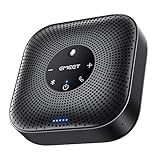
- Best Value: Venucast Harmony A2 – Wireless Auracast Speaker System for Background Audio | Multi-Room Sync, Expandable, Easy Pairing, One-Button Control, Bluetooth/Optical/AUX for Stores & Venues
- Premium Choice: Dio Node Multiroom Wi-Fi Home Speakers (3-Pack), Works with Apple AirPlay 2 and Other Apple Devices, Immersive Sound System, Easy to Connect, Spotify Player
A multi-room speaker setup solves a simple annoyance: the song, podcast or ball game you started in the kitchen fades the moment you walk to the patio. The catch is that the term covers very different systems. Some are Wi-Fi speakers that join a household network and play in sync, some use the newer Auracast broadcast standard, and some are simply speakers you can run independently around a house or a shop. Choosing the wrong family locks you into the wrong phone, app or cable setup.
This guide is for households planning to cover three or more rooms, small business owners who need background audio, and anyone who wants a speaker kit they can grow over time. Six listings made the cut for 2026, and each is judged only on what its title states about connectivity, pack size and design. Treat the picks as a way to decide which ecosystem fits, and verify app support, compatible music services and placement before you buy.
Quick Picks
As an Amazon Associate we earn from qualifying purchases at no extra cost to you.


| Product | Best for | Key spec from the title |
|---|---|---|
| Sonos One SL Four Room Set | Whole-home starter kit | Four speakers, microphone-free |
| Venucast Harmony A2 | Shops and venues | Auracast, multi-room sync, expandable |
| Dio Node 3-Pack | Apple households, three rooms | Wi-Fi multiroom, AirPlay 2 |
| Avantree Harmony | TV audio and outdoor areas | Multi-room, each speaker independent |
| Dio Node 5-Pack | Larger homes | Wi-Fi multiroom, AirPlay 2, Spotify |
| Sonos Era 100 SL | One premium room, stereo pairing | Dual angled tweeters, Wi-Fi, Bluetooth |
How to Choose
Wi-Fi, Bluetooth or Auracast
True multi-room playback needs a way to keep speakers in sync. Wi-Fi systems stream from the network, so every speaker plays at the same moment and a phone can leave the room without stopping the music. Bluetooth is a one-to-one link and is not designed for whole-home sync. Auracast is a broadcast method that lets many receivers join one stream, which suits shops and venues. Match the technology to how many rooms and who controls them. A family where several people want to pick the music suits a Wi-Fi system with a shared app, whereas a shop with one manager can get by with a single button and a wired source. Also think about whether you want the speakers to keep playing when someone leaves the house with a phone, because that separates network-based systems from phone-dependent ones.
Ecosystem and apps
Look for named standards in the title: Apple AirPlay 2 for iPhone and Mac owners, Spotify as a built-in player, or a brand app such as the one a Sonos speaker uses. If your household is on Android, confirm that the control app and your streaming service are supported. Avoid mixing systems from different brands in one setup, since they usually cannot join the same group. It is also worth reading how the title describes control: one-button control, an app or voice input each imply a different daily routine, and the wrong one becomes a nuisance within weeks.
Pack size, stereo pairs and placement
Multi-packs are an efficient way to start because every speaker is the same model, which keeps volume and tone consistent from room to room. Four and five-speaker sets cover most homes, while a pair-able speaker lets you convert one room into stereo or rear surround later. Place units away from corners if you want clean bass, and keep them within comfortable Wi-Fi range. Before ordering a set, sketch the rooms you want to cover and count how many speakers you really need, since a speaker in a hallway or closet rarely earns its place. Bathrooms and covered patios deserve extra thought about humidity and exposure, which a title rarely addresses.
Where budget models cut corners
Lower-tier systems may skip smart assistants, use plain plastic cabinets, provide only a basic app or lack wired inputs. A speaker without a microphone is not a weakness if you prefer privacy. Be wary of multi-room claims that depend on a particular phone being on and nearby, because that makes the whole group fragile. Check whether the speakers can work independently if the network goes down.
The 6 Best Options
Sonos One SL Four Room Set
The title describes a set for four rooms of the powerful microphone-free Sonos One SL, in black. That makes it the most complete starter package here for a household that wants to cover living room, kitchen, bedroom and office from day one. Leaving out the microphone is a plus for people who do not want an always-listening device. Because all four units are the same model, tone and volume stay consistent as you move from room to room, and you avoid the guesswork of matching different speakers later.
- Strength: Four matching speakers in one set.
- Strength: Microphone-free design for privacy.
- Trade-off: Four speakers is a bigger commitment than a single trial unit.
Skip it if you only need one or two rooms or want voice control built in.
Venucast Harmony A2
Aimed at stores and venues, this Auracast system promises background audio with multi-room sync, expandable setup, easy pairing and one-button control. Bluetooth, optical and AUX inputs give it flexibility when a mixer, TV or laptop is the source. A cafe owner or gym manager is the natural buyer. The one-button control matters in workplaces where the person turning the music on is not a technician, and the expandable design leaves room to add another area later.
- Strength: Auracast with multi-room sync and expandability.
- Strength: Bluetooth, optical and AUX inputs.
- Trade-off: Commercial positioning means fewer home-streaming features.
Skip it if you want AirPlay or app-based music service control.
Dio Node 3-Pack
Three Wi-Fi multiroom speakers that work with Apple AirPlay 2 and other Apple devices, with a Spotify player and immersive sound called out in the title. It suits an Apple household that wants a bedroom, living room and kitchen on one system without managing cables. Anyone already sending music from an iPhone or Mac will find the AirPlay 2 support the simplest path, since the speakers appear as destinations alongside other Apple devices. A three-pack is also a practical size for a small apartment or townhouse.
- Strength: AirPlay 2 plus Spotify player.
- Strength: Three-pack suits a mid-size home.
- Trade-off: Apple focus may leave Android users with fewer options.
Skip it if your phones are Android and you rely on a different music app.
Avantree Harmony
The Avantree Harmony is described as a multi-room wireless speaker system for TV and outdoors, ideal for wired audio sources, with each speaker usable independently. A buyer who wants to extend TV sound to a patio, or play a turntable through several rooms, will see the logic. The independent-use note also means one speaker can serve a workshop or garage while another stays with the television, which suits people who prefer simple, cable-fed audio over an app-based system.
- Strength: Works with wired sources such as a TV.
- Strength: Each speaker can operate independently.
- Trade-off: No Wi-Fi streaming or Apple standards are mentioned.
Skip it if you mainly stream from music apps over Wi-Fi.
Dio Node 5-Pack
This is the same Node family as the three-pack, scaled to five speakers with AirPlay 2, Spotify player and an easy-connect pitch. A larger home with a basement, deck or home office can place a speaker in each space while keeping one consistent sound. Hosts who move between indoor and outdoor gatherings, or households with a finished basement, are the audience that benefits most from the larger pack. Remember that more speakers also means more devices competing for the same router.
- Strength: Five matching Wi-Fi speakers.
- Strength: AirPlay 2 and Spotify support.
- Trade-off: Large pack suits only larger homes.
Skip it if you only need three zones.
Sonos Era 100 SL
A compact, microphone-free speaker with dual angled tweeters and a powerful midwoofer, Wi-Fi and Bluetooth, according to the title. It can be paired in twos for stereo or used as rear speakers with a soundbar, which makes it the pick for a room that deserves better sound. Listeners who start with one unit can grow into a stereo pair or a home theater rear channel later, so the purchase does not lock you into a single configuration.
- Strength: Dual angled tweeters with a midwoofer.
- Strength: Pair two for stereo or soundbar rears.
- Trade-off: Sold as a single speaker, so a multi-room build is gradual.
Skip it if you want a full kit at once.
Which One Fits Your Situation
You want to cover the whole house at once
The Sonos One SL Four Room Set is the most direct answer, and the Dio Node 5-Pack is the choice if you have a fifth space and an Apple-centered household.
You run a shop, studio or cafe
The Venucast Harmony A2 is designed around background audio, Auracast and wired inputs, so staff can start a playlist with a single button. It also fits a studio or waiting room that wants a quiet backdrop across several corners.
You need TV sound in another area
The Avantree Harmony lists wired sources and independent speakers, which fits TV audio for a porch or backyard.
You want to start small and grow
Begin with the Sonos Era 100 SL in your most-used room. You can add a matching one later for stereo, which gives the system room to expand. If your priority is more rooms rather than better sound in one, the Dio Node 3-Pack gets three zones going straight away.
Common Mistakes
- Mixing speaker brands and assuming they will sync together.
- Counting a Bluetooth stereo pair as a multi-room system.
- Ignoring the phone ecosystem, so AirPlay-only speakers disappoint Android owners.
- Placing speakers far from the router and then blaming the app for dropouts.
- Buying a full kit before confirming that the control app supports your streaming service.
Related guides
- Combination Smoke And Carbon Monoxide Detectors
- Aio Liquid Coolers For High Performance Gaming
- Graphics Cards For Low Wattage Power Supplies
Frequently Asked Questions
Do multi-room speakers need Wi-Fi?
Most home systems do, since the network keeps every speaker in sync. Auracast and wired-input designs such as those aimed at venues use other methods and can work with less network dependence.
What does microphone-free mean?
It means the speaker has no built-in microphone for voice assistants. You lose hands-free commands but gain peace of mind for bedrooms and offices. Playback is then controlled from an app, a phone or a remote source instead of by speaking to the room.
Can I add speakers later?
Often yes, provided you stay inside the same brand and system. The Venucast lists itself as expandable and the Sonos Era 100 SL can be paired with a second unit. Keeping to one model, as with the multi-pack Dio Node sets, also keeps the sound consistent from room to room.
Is AirPlay 2 required?
Only if you use Apple devices and want to send audio directly from them. Android households should check for Spotify, app or Bluetooth support instead, and should confirm that their preferred streaming service appears in the speaker’s control app before building a multi-room group around it.