

- Top Pick: AI Systems Performance Engineering: Optimizing Model Training and Inference Workloads with GPUs, CUDA, and PyTorch
- Best Value: High Performance GPU Computing with C++ and CUDA: Design Robust, Hardware-Agnostic Solutions for the Next Generation of Accelerated Computing
- Premium Choice: Parallel and High Performance Computing
🛒 Best Price Today on Amazon
Prime members get fast, free shipping on everything above, plus member-only deals. New members get a 30-day free trial — cancel anytime.
- Top High Performance Gpus Picks for 2026
- Best High Performance GPUs at a Glance
- 1. ASUS Prime GeForce RTX 5080 OC Edition 16GB GDDR7 Graphics Card
- 2. ASUS Prime GeForce RTX 5070 Ti OC 16GB GDDR7 Graphics Card
- 3. NVIDIA RTX PRO 4000 SFF Blackwell 24GB GDDR7 ECC Workstation Card
- 4. MXZ Gaming PC — AMD Ryzen 7 9700X, GeForce RTX 4070, 16GB DDR5, 1TB NVMe
- 5. MSI Gaming GeForce RTX 3060 12GB GDDR6 Graphics Card
- 6. ASUS Dual GeForce RTX 3050 6GB OC Edition Graphics Card
- How to Choose a High Performance GPU (and Spot What Isn’t One)
- Related Guides
- Frequently Asked Questions
- Related Guides
- Related Articles
Top High Performance Gpus Picks for 2026
Here are our current top high performance gpus picks, compared on real Amazon owner reviews, price, and features. Live prices update below.
As an Amazon Associate we earn from qualifying purchases at no extra cost to you.


‘High performance GPU’ is flagship and high-end intent: the cards that chew through 1440p and 4K, drive high-refresh displays, and have the headroom for ray tracing and demanding new releases. That sets a high bar, and not every graphics product lives up to it. This guide rounds up our curated list with that bar firmly in mind, leading with the cards that genuinely deserve the ‘high performance’ label and being candid about the ones that, for different reasons, do not.
Two clear winners anchor the list: the ASUS RTX 5080 OC and the ASUS RTX 5070 Ti OC, both current-generation GDDR7 cards built for serious 1440p and 4K gaming. After those we include three items that need honest framing. The NVIDIA RTX PRO 4000 SFF Blackwell is extremely powerful but it is a professional workstation card, not a gaming flagship. The ‘MXZ Gaming PC’ is not a graphics card at all — it is a complete prebuilt computer that happens to contain an RTX 4070. And the RTX 3060 12GB and RTX 3050 6GB are previous- generation mid-range and entry-level cards respectively, well short of high-performance today. We have ordered the list accordingly. Below is an at-a-glance table that states what each item really is, then a closer look at every entry and a buyer’s guide to high-end graphics.
Best High Performance GPUs at a Glance
| Product | Best For | What it really is | Approx Price |
|---|---|---|---|
| ASUS Prime RTX 5080 OC (16GB GDDR7) | Flagship 4K gaming | Genuine high-end GPU — top match | around $1,500 |
| ASUS Prime RTX 5070 Ti OC (16GB GDDR7) | High-refresh 1440p/4K | Genuine high-end GPU — strong match | around $1,450 |
| NVIDIA RTX PRO 4000 SFF Blackwell 24GB | Pro/workstation workloads | Workstation card, NOT a gaming flagship | around $2,047 |
| MXZ Gaming PC (Ryzen 7 9700X + RTX 4070) | A ready-to-run system | A whole prebuilt PC, NOT a GPU | around $1,549 |
| MSI GeForce RTX 3060 12GB | 1080p value (last-gen) | Mid-range, prior-gen — not high-perf | around $399 |
| ASUS Dual RTX 3050 6GB OC | Entry-level / light gaming | Entry-level card — NOT high performance | around $240 |
1. ASUS Prime GeForce RTX 5080 OC Edition 16GB GDDR7 Graphics Card

14
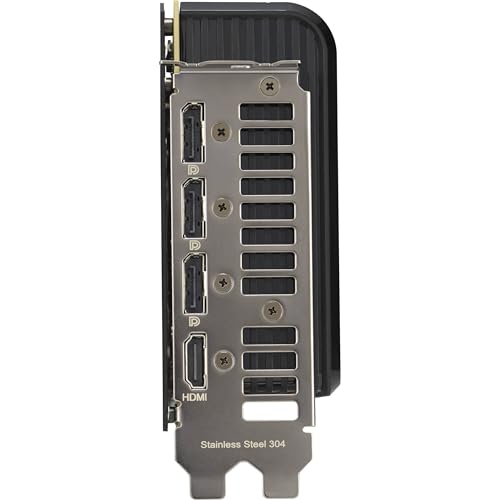
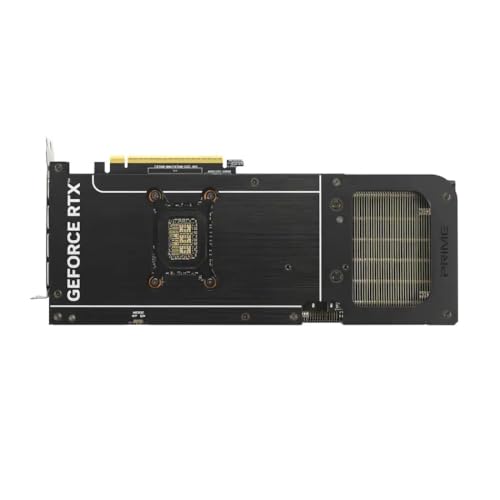
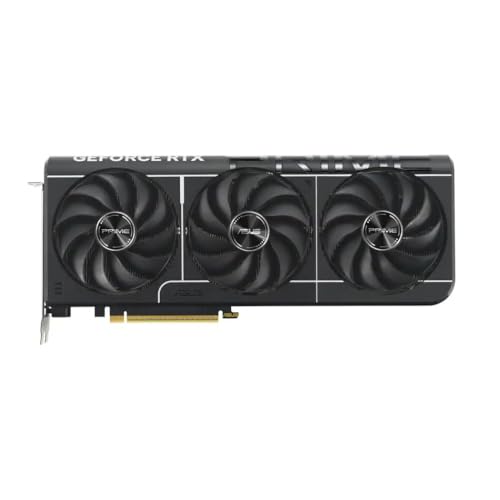
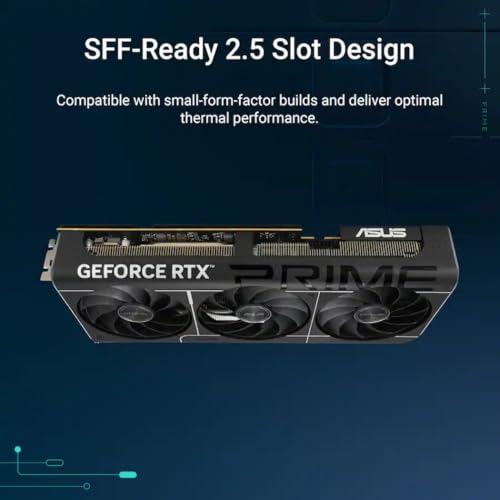
ASUS Prime GeForce RTX 5080 OC Edition Triple Fan Graphics Card, 16GB GDDR7, 1827 AI Tops, 5th Gen Tensor Cores, DLSS 4, PCIe 5.0, DP 2.1b x3, HDMI 2.1b, with GPU Holder
In Stock



As an Amazon Associate we earn from qualifying purchases. Product prices and availability are accurate as of the date/time indicated.
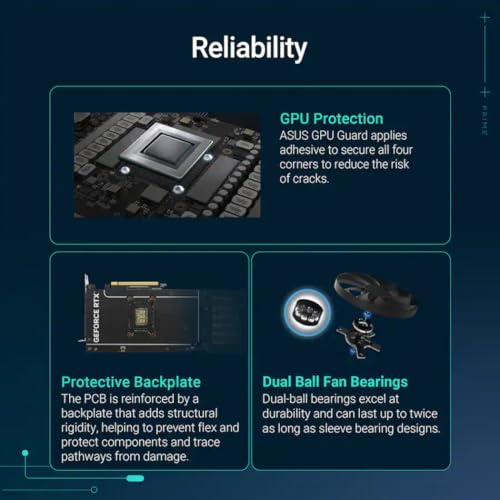
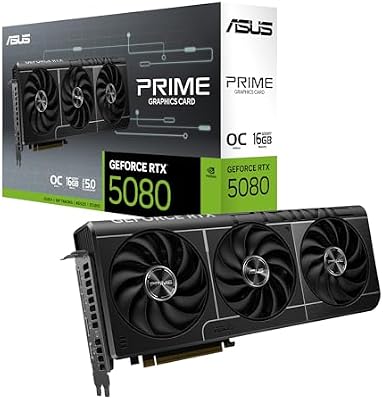
This is what the keyword is really asking for. The ASUS Prime RTX 5080 OC is a current-generation flagship-class graphics card, pairing a high-end GPU with 16GB of fast GDDR7 memory, a factory OC and a robust triple-fan cooler. It supports PCIe 5.0 and the latest display outputs, and it is built to push demanding games at 4K and high-refresh 1440p with ray tracing enabled. At around $1,500 it is a premium card, and it earns the price with genuine top-tier performance.
If you want a no-compromises high performance GPU, start here. The RTX 5080 has the raw power and the 16GB GDDR7 frame buffer to handle maxed-out settings in modern titles, drives high-refresh 4K and ultrawide panels comfortably, and leaves headroom for upscaling and frame-generation features. The ASUS Prime cooler keeps it quiet and cool under sustained load. For flagship 4K gaming and creative work that leans on the GPU, this is the standout pick on the list and the truest match for ‘high performance.’
Pros: Current-gen flagship power, 16GB GDDR7, PCIe 5.0, built for 4K and high-refresh gaming.
Cons: Premium price; large triple-fan card needs a roomy case and a strong PSU.
2. ASUS Prime GeForce RTX 5070 Ti OC 16GB GDDR7 Graphics Card

15
Prime
ASUS Prime RTX 5070 Ti OC 16GB GDDR7 GPU, PCIe 5.0, HDMI 2.1b, 3X DP 2.1b, High FPS 4K Gaming, Creator PC, AI Creation, Video Editing, 3D Rendering, Streaming, Local AI, with GPU Holder
In Stock



As an Amazon Associate we earn from qualifying purchases. Product prices and availability are accurate as of the date/time indicated.
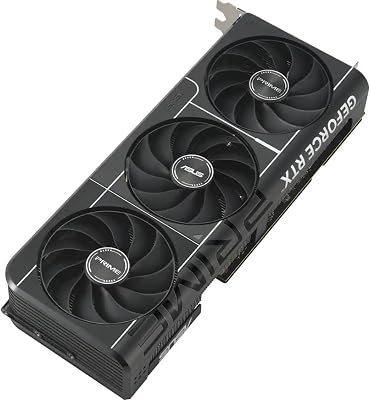
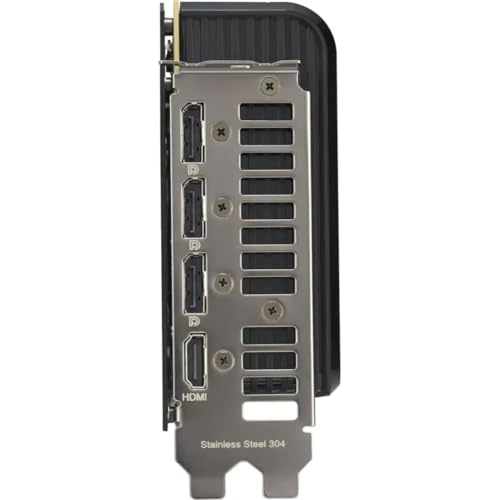
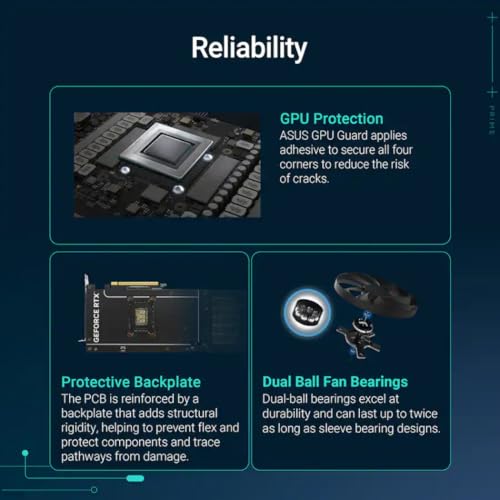
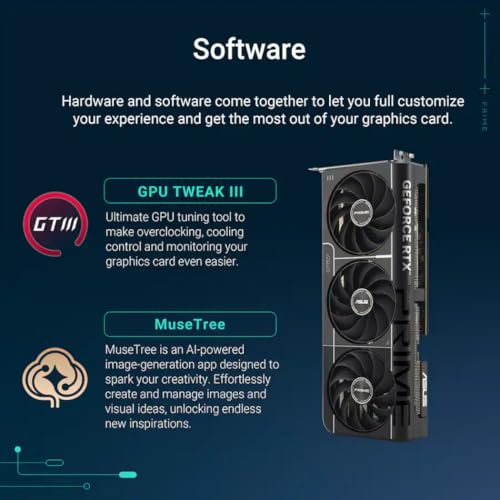
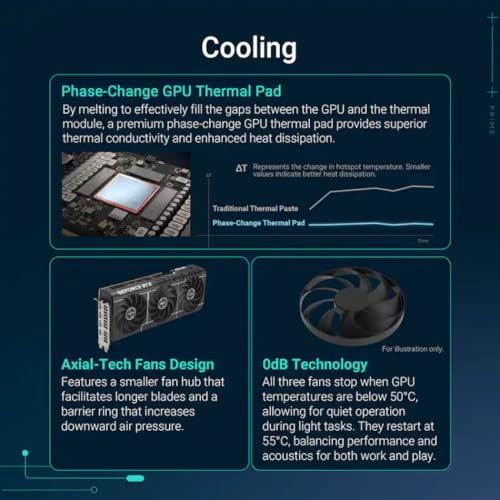
The ASUS Prime RTX 5070 Ti OC is the other genuine high performer here, and for many it will be the smarter buy. It is a current-generation card with 16GB of GDDR7, PCIe 5.0, HDMI 2.1b and triple DisplayPort 2.1b outputs, and a factory overclock. It sits a step below the 5080 but firmly in high-end territory, targeting maxed-out 1440p and very capable 4K gaming. At around $1,450 it is priced close to the 5080 in this listing, so weigh the two carefully.
Choose the 5070 Ti when you want flagship-adjacent performance with a little more value, especially for high-refresh 1440p where it shines. The 16GB GDDR7 buffer is generous for current games, the modern display outputs drive high-refresh and high-resolution panels, and the ASUS cooler handles the thermals well. It is a legitimate high performance GPU for the vast majority of enthusiast gamers, and a strong runner-up to the 5080 at the top of this list.

Pros: Genuine high-end GPU, 16GB GDDR7, PCIe 5.0, excellent for high-refresh 1440p and 4K.
Cons: Priced close to the 5080 here, so the value gap is narrow; still a costly card.
3. NVIDIA RTX PRO 4000 SFF Blackwell 24GB GDDR7 ECC Workstation Card

7
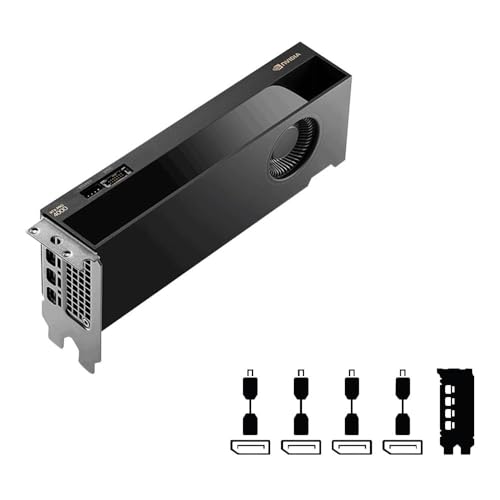
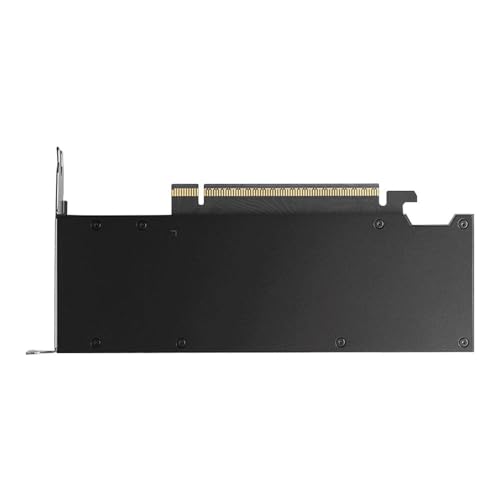
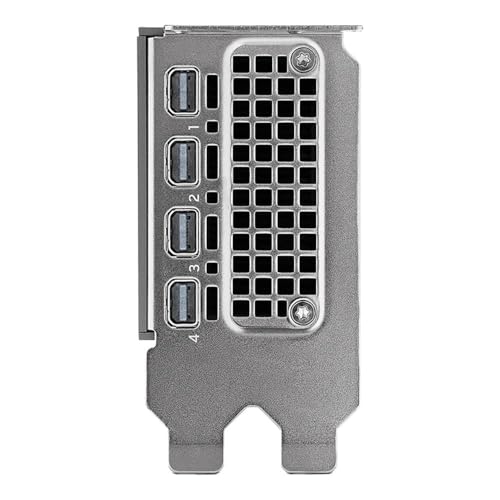
NVIDIA RTX PRO 4000 SFF Blackwell 24GB GDDR7 ECC – PCIe 5.0×8, 4X mDP 2.1b, Low-Profile Dual-Slot AI Workstation GPU Retail
In Stock


As an Amazon Associate we earn from qualifying purchases. Product prices and availability are accurate as of the date/time indicated.
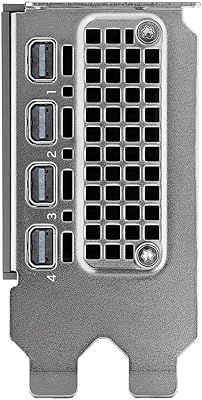
Honest framing needed: the RTX PRO 4000 SFF Blackwell is a professional workstation card, not a gaming flagship. It is genuinely powerful — 24GB of GDDR7 with ECC, PCIe 5.0 x8, four Mini DisplayPort outputs and a compact, low-profile SFF form factor — but it is engineered and priced for professional workloads, not for chasing game frame rates. At around $2,047 it is the most expensive item on the list, and its value lies in pro features, not gaming-per-dollar.
This card makes sense for a very specific buyer: someone running professional 3D, rendering, AI, CAD or other workstation applications, especially in a small-form-factor or workstation chassis where its low-profile design and ECC memory matter. It will run games, but you are paying a heavy premium for certified-driver, large-VRAM, ECC capabilities that gamers do not need. If your goal is high performance gaming, the RTX 5080 or 5070 Ti deliver far more gaming value; the RTX PRO 4000 belongs on this list only as a workstation powerhouse, clearly labelled as such.
Pros: Powerful pro workstation card, 24GB ECC GDDR7, compact low-profile SFF design.
Cons: Not a gaming flagship — workstation-focused; highest price here and poor gaming value.
4. MXZ Gaming PC — AMD Ryzen 7 9700X, GeForce RTX 4070, 16GB DDR5, 1TB NVMe

7
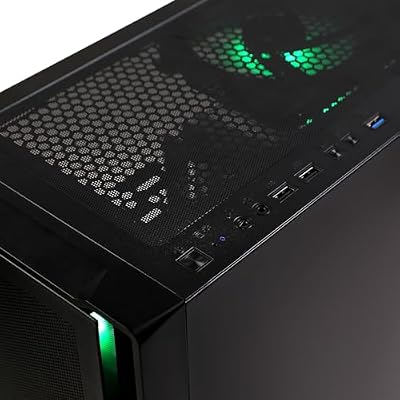
MXZ Gaming PC,AMD Ryzen 7 9700X, GeForce RTX 4070,16GB DDR5, NVME 1 T,B650
In Stock




As an Amazon Associate we earn from qualifying purchases. Product prices and availability are accurate as of the date/time indicated.
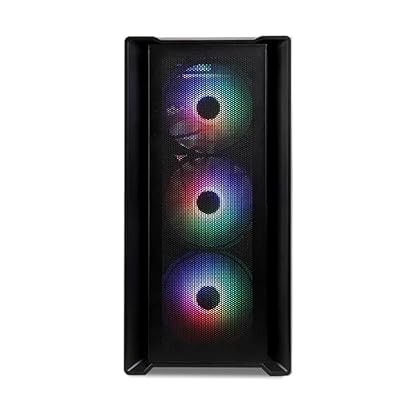
Important clarification: this entry is not a graphics card at all — it is a complete prebuilt desktop computer. The MXZ Gaming PC packages an AMD Ryzen 7 9700X processor, a GeForce RTX 4070 graphics card, 16GB of DDR5-6000 memory and a 1TB NVMe SSD into a ready-to-run system. We are including it transparently for what it is: a whole machine, listed here at around $1,549, that contains a capable mid-to-high-tier GPU rather than being a GPU you install yourself.
As a system it is a reasonable proposition for someone who wants to skip building and start gaming out of the box. The RTX 4070 inside is a solid 1440p performer, the Ryzen 7 9700X is a strong modern CPU, and the DDR5 and NVMe round out a balanced spec. But if you came to this guide to buy a high performance graphics card to drop into an existing PC, this is the wrong type of product — you would be buying an entire computer. For a standalone high-performance GPU, the RTX 5080 or 5070 Ti are the picks; consider the MXZ only if a complete prebuilt is genuinely what you want.
Pros: Complete ready-to-run prebuilt: Ryzen 7 9700X, RTX 4070, DDR5-6000, 1TB NVMe.
Cons: Not a GPU — it is a whole PC; the RTX 4070 inside is mid-high tier, not flagship.
5. MSI Gaming GeForce RTX 3060 12GB GDDR6 Graphics Card

msi Katana 15 15.6” 165Hz QHD Gaming Laptop: Intel Core i7-13620H, NVIDIA Geforce RTX 4070, 16GB DDR5, 1TB NVMe SSD, Cooler Boost 5, Win 11: Black B13VGK-2000US
In Stock
As an Amazon Associate we earn from qualifying purchases. Product prices and availability are accurate as of the date/time indicated.
The MSI RTX 3060 12GB is a likeable card, but it does not meet the high performance bar in 2026 — it is a previous-generation mid-range GPU. Its one notable strength is a generous 12GB of GDDR6 on a 192-bit bus, which helps in memory-hungry games at 1080p. It uses PCIe 4.0 and a dual-fan Torx cooler. At around $399 it is the value entry on this list, but value at the mid-range is a different thing from flagship performance.
Read this as a solid 1080p card, not a high-end one. For esports, 1080p gaming and lighter 1440p with tuned settings, the RTX 3060 still does a respectable job, and the 12GB buffer ages better than smaller frame buffers. What it cannot do is deliver the maxed-out 4K and high-refresh experience that defines a high performance GPU — that is simply not its tier or its generation. If your budget tops out here, it is a sensible mainstream choice; if you specifically want high performance, look to the current-gen cards higher up the page.
Pros: Generous 12GB GDDR6 for its class, capable 1080p performance, lowest-cost real GPU here.
Cons: Previous-gen mid-range — not a high performance card; struggles with maxed 1440p/4K.
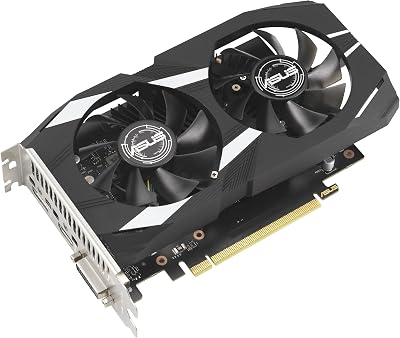
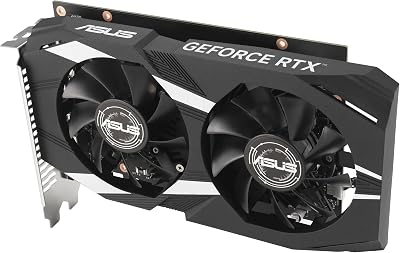
6. ASUS Dual GeForce RTX 3050 6GB OC Edition Graphics Card

31
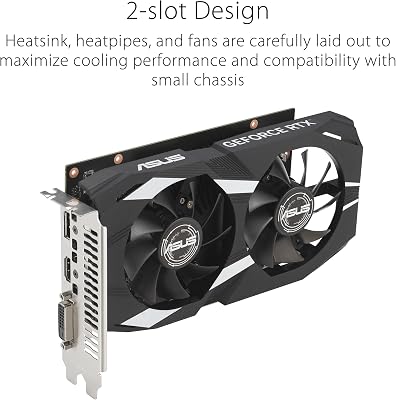
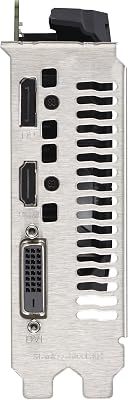
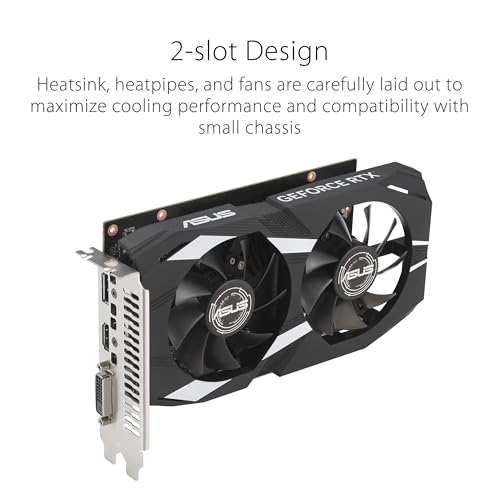
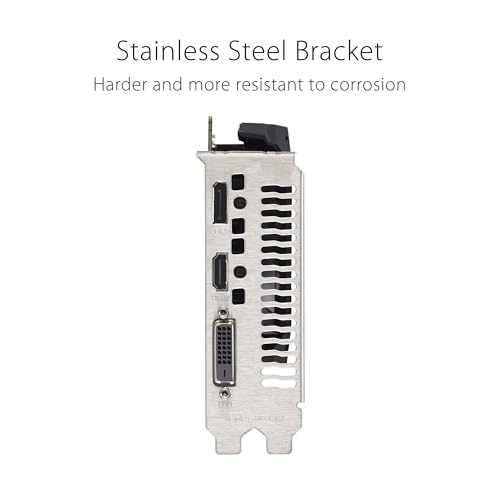
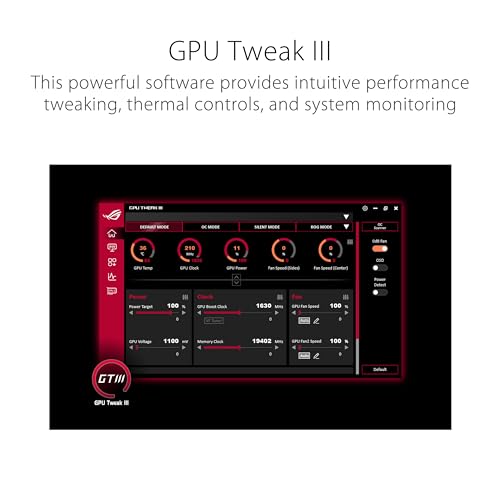
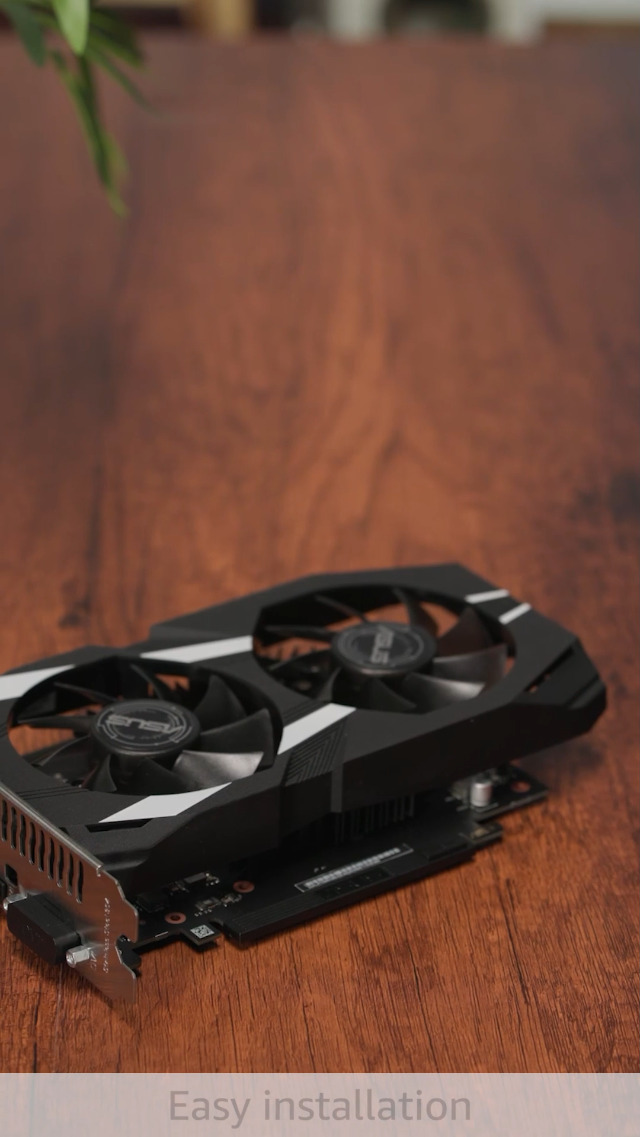
ASUS Dual NVIDIA GeForce RTX 3050 6GB OC Edition Gaming Graphics Card – PCIe 4.0, 6GB GDDR6 Memory, HDMI 2.1, DisplayPort 1.4a, 2-Slot Design, Axial-tech Fan Design, 0dB Technology, Steel Bracket
In Stock














As an Amazon Associate we earn from qualifying purchases. Product prices and availability are accurate as of the date/time indicated.
Rounding out the list with a clear flag: the ASUS Dual RTX 3050 6GB is an entry-level graphics card, the opposite end of the spectrum from ‘high performance.’ It is a compact, low-power 6GB GDDR6 card on PCIe 4.0, designed for affordable, light-duty builds. At around $240 it is inexpensive and efficient, but it does not pretend to be — and we will not pretend it is — a high-end GPU.
Its honest use-case is entry-level and small-form-factor gaming. The 6GB RTX 3050 is fine for esports titles, older games and lighter 1080p workloads, and its low power draw and modest size let it slot into compact or lower-wattage systems without a beefy PSU. But for the demanding 1440p and 4K gaming this guide is about, it is well below the mark. Include it on your shortlist only if you want a cheap, compact card for light gaming; for genuine high performance, the RTX 5080 and 5070 Ti at the top are the cards to buy.
Pros: Affordable, efficient and compact 6GB card for entry-level and small builds.
Cons: Entry-level — NOT high performance; underpowered for demanding 1440p/4K gaming.
How to Choose a High Performance GPU (and Spot What Isn’t One)
Start by being honest about what ‘high performance’ means: a current-generation high-end or flagship gaming card with the muscle for 1440p and 4K, high refresh rates and ray tracing. On this list, that describes the ASUS RTX 5080 and RTX 5070 Ti — both new-generation GDDR7 cards with PCIe 5.0 and large frame buffers. If a card is two generations old or sits in the entry tier, it is not a high performance GPU no matter how it is marketed, which is why the RTX 3060 and especially the RTX 3050 do not qualify here.
Watch for products that are not actually graphics cards. The ‘MXZ Gaming PC’ in this listing is a complete prebuilt computer, not a GPU you install — a perfectly valid purchase if you want a ready-made system, but the wrong thing to buy if you need a card for an existing PC. Always confirm you are buying a standalone graphics card and not a full system or a workstation accessory when the goal is to upgrade your GPU.
Distinguish gaming flagships from workstation cards. The RTX PRO 4000 SFF is powerful and expensive, but its ECC memory, certified pro drivers and low-profile design are aimed at professional 3D, rendering and AI work, not at maximising game frame rates. Pro cards usually offer worse gaming value than a gaming flagship at the same price. Buy a workstation card only if you run professional applications that specifically benefit from it; otherwise a GeForce flagship gives far more gaming performance per dollar.
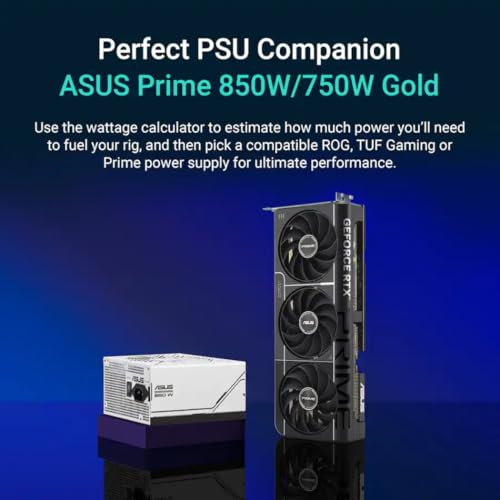
Finally, size the rest of your system to the card. A genuine high performance GPU like the RTX 5080 is large, draws real power and wants a quality PSU and a case with clearance and airflow — and a CPU and display that can keep up, since a flagship card paired with a weak processor or a 60Hz 1080p panel is wasted. Set a realistic budget, pick the current-gen high-end card that fits it (the 5080 for outright performance, the 5070 Ti for value), and make sure the platform around it can deliver the performance you are paying for.
Frequently Asked Questions
Which products on this list are actually high performance GPUs?
Two: the ASUS RTX 5080 OC and the ASUS RTX 5070 Ti OC. Both are current-generation high-end graphics cards with 16GB of GDDR7 and PCIe 5.0, built for demanding 1440p and 4K gaming. The RTX PRO 4000 is a workstation card, the MXZ entry is a whole prebuilt PC rather than a GPU, and the RTX 3060 and RTX 3050 are previous-generation mid-range and entry-level cards.
Is the NVIDIA RTX PRO 4000 SFF a good gaming card?
It is powerful, but it is a professional workstation card, not a gaming flagship, and it offers poor gaming value for its roughly $2,047 price. Its 24GB ECC GDDR7, certified drivers and compact low-profile design target professional 3D, rendering, CAD and AI work. For high performance gaming, the RTX 5080 or RTX 5070 Ti deliver far more frames per dollar.
The MXZ listing is cheaper than the RTX 5080 — is it a better GPU deal?
It is not a GPU at all — it is a complete prebuilt PC containing a Ryzen 7 9700X and an RTX 4070. So you cannot compare it directly to a graphics card. If you want a ready-to-run system, it is a reasonable mid-to-high-tier machine. If you want a high performance card to add to your own PC, buy a standalone GPU like the RTX 5080 or 5070 Ti instead.
Is the RTX 3060 12GB still worth buying for high-end gaming?
Not for high-end gaming. The RTX 3060 12GB is a previous-generation mid-range card; its strength is a generous 12GB buffer that keeps it respectable at 1080p and lighter 1440p. For maxed-out 1440p and 4K — the high performance brief — it falls short. It is a fine mainstream 1080p value pick, but the current-gen cards at the top of this list are the high performance choices.
Related Guides
- Best GPUs for Your Build
- Best GPUs for 4K Gaming
- Best CPUs with PCIe 5.0
- Best PSUs for RGB Builds
- Best Prebuilt Gaming PCs
- Best Gaming Monitors
Affiliate Disclosure: As an Amazon Associate, we earn from qualifying purchases. If you click a link and make a purchase, we may earn a small commission at no extra cost to you. Prices and availability are accurate as of publication and may change.










