

- Top Pick: Retro Gaming Console 4K HDMI for TV, 20000 Games & 23 Emulators
- Best Value: LIUWEI New Retro Gaming Console & Game Stick Pro – 20,000+ Classic Video Games, 23 Emulators, Dual Wireless Controllers, 4K HDMI Output, Plug & Play, Compatible with TV, PC, Projector, 64GB
- Premium Choice: Retro Gaming Console Plug & Play Game Console for TV, 20001 Games-White, 4K HD HDMI Video Console, Dual 2.4G Wireless Controllers, Emulator Stick to Upgrade Nostalgia
Game development is a visual discipline. Whether you are building levels, tuning lighting and HDR, checking UI scaling, or reviewing how a title looks on a living-room screen, the display you preview on shapes the decisions you make. A genuinely useful ‘dev preview’ screen is a large, color-accurate, high-resolution panel that shows you what players will actually see — and ideally one that handles a console or dev kit over HDMI as comfortably as it handles your workstation. This guide rounds up the best gaming TVs for game development in 2026, alongside a few large pro-grade monitors that do the same job from a desk.
- Best Gaming TVs for Game Development at a Glance
- 1. LG C3 Series 55-Inch Class OLED evo 4K Smart TV for Gaming
- 2. LG 48-Inch Class OLED evo C5 Series 4K Smart TV w/Dolby Atmos
- 3. Samsung 49″ Odyssey G93SC QD-OLED Curved Gaming Monitor, 240Hz
- 4. Samsung 49″ Odyssey OLED G9 (G95SC) QD-OLED Smart Gaming Monitor, 240Hz
- 5. Hisense 65″ U7 Series Mini-LED ULED 4K UHD Google Smart TV (65U75QG)
- 6. ASUS ROG Swift PG32UCDM 32″ 4K OLED Gaming Monitor (QD-OLED)
- How to Choose a Display for Game Development
- Frequently Asked Questions
- Related Guides
- Related Articles
- Related Guides
An honest note up front: of the six picks here, three are true 4K smart TVs (the LG OLED models and the Hisense Mini-LED) and three are large, premium gaming monitors (the two Samsung Odyssey OLED ultrawides and the ASUS ROG 4K OLED). We have included the monitors deliberately, because for desk-bound developers a big OLED monitor is often the more practical preview display than a wall-mounted TV — but we will tell you plainly which is which so you can choose the right tool. Prices here run from around $697 up to around $1,700. Below is an at-a-glance comparison of all six, then a closer look at each and a buyer’s guide built around the things that matter for previewing a game in development: resolution, color fidelity, panel type, and HDMI handling.
As an Amazon Associate we earn from qualifying purchases.






🛒 Best Price Today on Amazon
Prime members get fast, free shipping on everything above, plus member-only deals. New members get a 30-day free trial — cancel anytime.
Best Gaming TVs for Game Development at a Glance
| Display | Best For | Standout Spec | Approx Price |
|---|---|---|---|
| LG C3 55-inch OLED evo 4K TV | Couch-style HDR preview | 55-inch OLED, 4K, true TV | around $1,099 |
| LG C5 48-inch OLED evo 4K TV | Compact OLED dev display | 48-inch OLED, 4K, true TV | around $897 |
| Samsung Odyssey G93SC 49-inch QD-OLED (monitor) | Ultrawide desk previewing | 49-inch QD-OLED, 240Hz | around $1,179 |
| Samsung Odyssey OLED G9 G95SC 49-inch (monitor) | Dual-QHD pro workspace | 49-inch QD-OLED, 240Hz | around $1,700 |
| Hisense 65-inch U7 Mini-LED 4K TV | Bright big-screen preview | 65-inch Mini-LED, 4K | around $697 |
| ASUS ROG Swift PG32UCDM 32-inch 4K OLED (monitor) | Reference-style 4K desk | 32-inch 4K QD-OLED | around $1,249 |
1. LG C3 Series 55-Inch Class OLED evo 4K Smart TV for Gaming

LG C3 Series 55-Inch Class OLED evo 4K Processor Smart Flat Screen TV for Gaming with Magic Remote AI-Powered OLED55C3PUA, 2023 with Alexa Built-in





As an Amazon Associate we earn from qualifying purchases. Product prices and availability are accurate as of the date/time indicated.
The LG C3 55-inch is the pick when you want to preview a game the way a living-room player will actually experience it. It is a true 4K OLED evo smart TV with per-pixel black levels, excellent HDR handling, and the wide viewing angles OLED is known for — exactly the kind of panel you want when judging contrast, lighting and color in a build. At around $1,099 it is a proven, well-rounded OLED for couch-style development review.
For game development this is the screen for checking how your title presents on a big-screen TV: HDR tone mapping, dark-scene detail, motion clarity, and UI legibility from across a room. As a smart TV it accepts a console or dev kit straight over HDMI, the 55-inch size fills your field of view for immersion testing, and OLED’s true blacks make it easy to spot crushed shadows or banding. If your priority is previewing a game in its intended living-room context, the C3 is the obvious starting point.
Pros: True 4K OLED TV, per-pixel contrast, strong HDR, big-screen living-room preview.
Cons: TV-class peak brightness is lower than Mini-LED; not a desk monitor.
2. LG 48-Inch Class OLED evo C5 Series 4K Smart TV w/Dolby Atmos

LG 48-Inch Class OLED evo AI Super Upscaling 4K C5 Series Smart TV w/Dolby Atmos & Vision, HDR10, Filmmaker Mode, Wow Orchestra, Alexa Built-in (OLED48C5PUA, 2025)


As an Amazon Associate we earn from qualifying purchases. Product prices and availability are accurate as of the date/time indicated.
The LG C5 48-inch is the compact OLED pick — the same OLED evo strengths in a size that fits a desk or a small studio space far better than a 55-inch panel. It is a genuine 4K smart TV with AI upscaling and Dolby Atmos, delivering OLED’s per-pixel blacks and accurate color in a more manageable footprint. At around $897 it is the most affordable true OLED here and a smart dev display.
For development work the 48-inch C5 hits a sweet spot: large enough to scrutinise lighting, HDR and detail, yet small enough to sit at a reasonable viewing distance behind a keyboard. It takes a console or dev kit over HDMI for in-context testing, the OLED panel makes color and contrast decisions trustworthy, and the smaller size means less head-turning during long review sessions. If you want OLED accuracy for previewing builds without dedicating a wall to it, the C5 48-inch is the standout.
Pros: Compact 48-inch true OLED, 4K with AI upscaling, desk-friendly preview size.
Cons: Still a TV, not a high-refresh desk monitor; OLED brightness ceiling.
3. Samsung 49″ Odyssey G93SC QD-OLED Curved Gaming Monitor, 240Hz

Samsung 49" Odyssey (G93SC) Series QD-OLED Curved Gaming Monitor | 240Hz, 0.03ms, DQHD, G-Sync Compatible, FreeSync Premium Pro, Adjustable Stand (LS49CG932SNXZA)


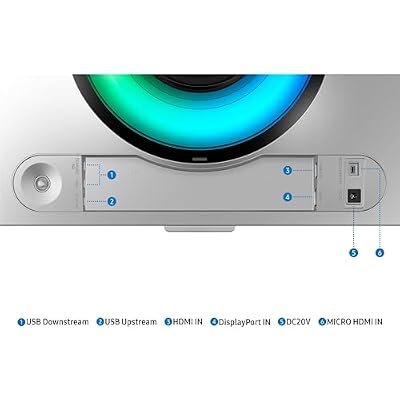


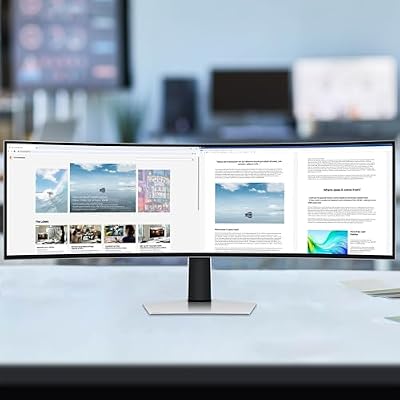
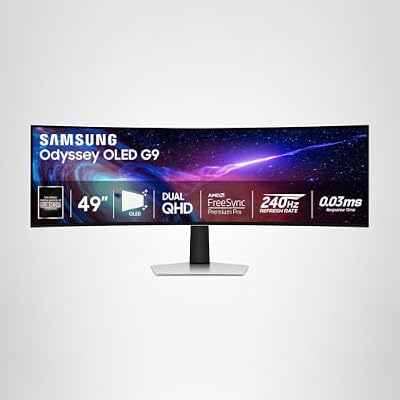
As an Amazon Associate we earn from qualifying purchases. Product prices and availability are accurate as of the date/time indicated.
The Samsung Odyssey G93SC is the first of two large ultrawide monitors here, and an honest clarification: it is a 49-inch QD-OLED gaming monitor, not a TV. It pairs a super-ultrawide dual-QHD curved QD-OLED panel with a fast 240Hz refresh and a near-instant response time. At around $1,179 it is a striking, high-end desk display for developers who work seated at a workstation.
For game development the appeal is sheer horizontal real estate and QD-OLED color. The 32:9 panel lets you preview a game on one half and keep your engine, timeline or code on the other, the QD-OLED gives rich, accurate color and per-pixel contrast for judging lighting, and the curve wraps a very wide canvas comfortably into view. It is not for couch testing, but as a do-everything desk panel that previews and builds side by side, the G93SC is a powerful, productivity-first choice.
Pros: Huge 49-inch QD-OLED desk canvas, accurate color, side-by-side preview and build.
Cons: A monitor, not a TV; super-ultrawide is not living-room representative.
4. Samsung 49″ Odyssey OLED G9 (G95SC) QD-OLED Smart Gaming Monitor, 240Hz
Samsung 49" Odyssey (G93SC) Series QD-OLED Curved Gaming Monitor | 240Hz, 0.03ms, DQHD, G-Sync Compatible, FreeSync Premium Pro, Adjustable Stand (LS49CG932SNXZA)
As an Amazon Associate we earn from qualifying purchases. Product prices and availability are accurate as of the date/time indicated.
The Samsung Odyssey OLED G9 (G95SC) is the premium ultrawide pick — and, to be clear, it is also a monitor rather than a TV, the step-up sibling to the G93SC. It offers the same 49-inch dual-QHD curved QD-OLED panel and 240Hz refresh, with Samsung’s smart-monitor platform and a more premium build and feature set. At around $1,700 it is the most expensive display here and the flagship desk option.
For developers, the G95SC delivers the same expansive QD-OLED workspace as the G93SC with extra polish: smart features, a refined stand, and Samsung’s gaming extras. The vast 32:9 canvas is excellent for keeping a running build beside your tools, the QD-OLED color and contrast make it trustworthy for lighting and HDR review, and the smart platform adds streaming and connectivity at the desk. If you want the most capable super-ultrawide preview-and-work monitor and budget is secondary, the G95SC is the showpiece.
Pros: Flagship 49-inch QD-OLED, smart-monitor features, premium build, vast work canvas.
Cons: Highest price here; a monitor, and 32:9 is not a TV preview substitute.
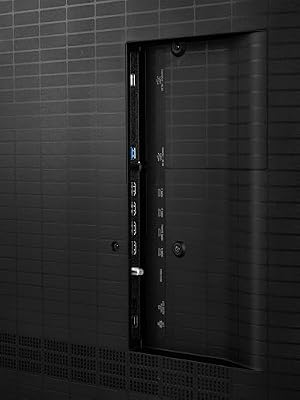
5. Hisense 65″ U7 Series Mini-LED ULED 4K UHD Google Smart TV (65U75QG)
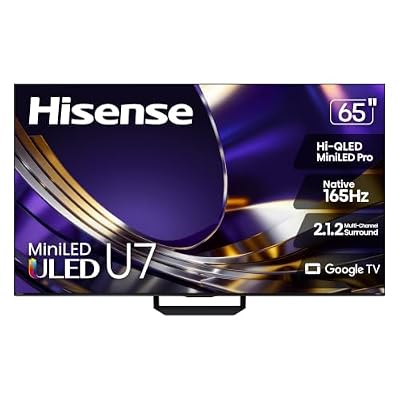
Hisense 65" U7 Mini-LED ULED 4K UHD Best Premium Gaming HDR Smart Google TV (65U7SG, 2026 NEW) - Hi-QLED, Native 165Hz, VRR 330, HDR10+, Dolby Vision IQ·Atmos, IMAX Enhanced, Anti-Reflection, 2.1.2 Ch







As an Amazon Associate we earn from qualifying purchases. Product prices and availability are accurate as of the date/time indicated.
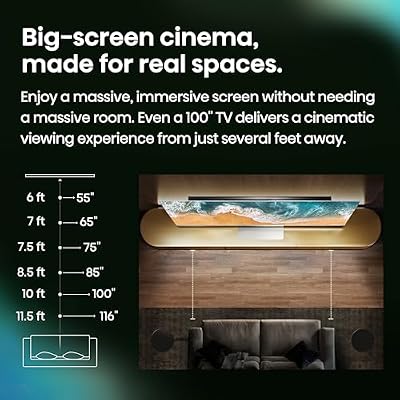
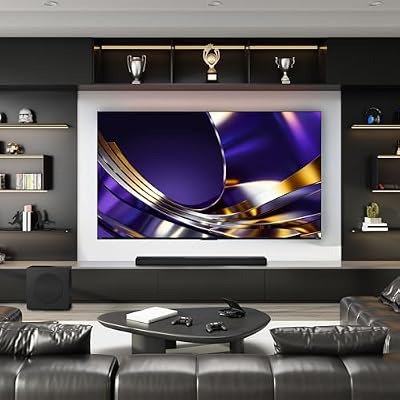
The Hisense 65-inch U7 is the big-screen value pick and a true 4K smart TV. It uses a Mini-LED ULED panel that pushes notably higher peak brightness than OLED, runs Google TV, and spans a generous 65 inches. At around $697 it is by far the most affordable display on this list and the largest, making it a compelling preview screen for developers on a budget.
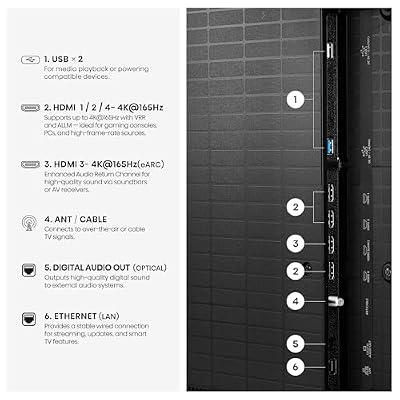
For game development the U7’s strength is bright, large-format preview. The Mini-LED backlight makes HDR highlights pop and keeps the picture vivid in a well-lit studio where OLED can look dim, the 65-inch size is genuinely living-room-scale for immersion and UI testing, and Google TV plus HDMI makes it easy to connect a console or dev kit. Mini-LED’s local dimming is not per-pixel like OLED, so blooming can appear in dark scenes, but for a large, bright, affordable preview TV the Hisense U7 is outstanding value.
Pros: True 65-inch 4K Mini-LED TV, high brightness, largest and cheapest here, Google TV.
Cons: Local dimming can bloom vs OLED; less precise in pure dark-scene contrast.
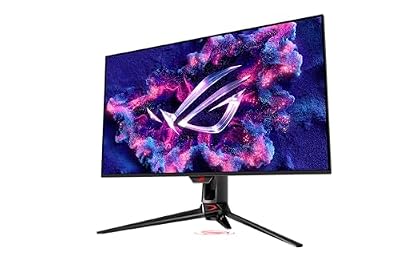
6. ASUS ROG Swift PG32UCDM 32″ 4K OLED Gaming Monitor (QD-OLED)

ASUS ROG PG32UCDM 32 Inch 4K 240Hz OLED Gaming Monitor QD-OLED | UHD, Custom Heatsink, 0.03ms, G-SYNC Compatible, USB-C 90W, True 10-bit, Graphene Film, 99% DCI-P3, for PS5 and Xbox




As an Amazon Associate we earn from qualifying purchases. Product prices and availability are accurate as of the date/time indicated.
Rounding out the list is the ASUS ROG Swift PG32UCDM, a 32-inch 4K QD-OLED gaming monitor — again, a monitor rather than a TV, but arguably the most ‘reference-like’ desk display here. It combines true 4K resolution (3840 x 2160) with a QD-OLED panel for per-pixel contrast and rich, accurate color. At around $1,249 it is a premium desktop screen aimed at users who want 4K fidelity at a comfortable desk size.
For developers the PG32UCDM is the pick when you want full 4K resolution and QD-OLED color in a single 16:9 panel that sits naturally on a desk. The native 4K matches the resolution most modern games target, the QD-OLED makes lighting, HDR and color decisions trustworthy, and the 32-inch 16:9 shape mirrors a standard TV’s aspect ratio more closely than the ultrawides do. If you build and preview in 4K from a workstation and want a near-reference desk display, the ROG Swift is the standout monitor here.
Pros: Native 4K QD-OLED at a desk-friendly 32 inches, 16:9, accurate reference-style color.
Cons: A monitor, not a TV; smaller than the big-screen panels for couch testing.
How to Choose a Display for Game Development
Start by being honest about how you will actually preview your game. If you want to judge a title the way a living-room player will, a true 4K smart TV like the LG C3, LG C5 or Hisense U7 is the right tool — it connects a console or dev kit over HDMI, fills the room, and shows you real TV behaviour like tone mapping and overscan. If you work seated at a workstation and want a preview window beside your engine and code, a large monitor such as the Samsung Odyssey ultrawides or the ASUS ROG 4K OLED is often the more practical choice. Decide which scenario matters more before anything else.
Color fidelity and panel type are the next priority, because development decisions about lighting, HDR and art direction are only as trustworthy as the screen showing them. OLED and QD-OLED panels — the LG TVs, the Samsung Odyssey monitors and the ASUS ROG — deliver per-pixel blacks and rich, accurate color, which makes spotting crushed shadows, banding or color casts far easier. Mini-LED, as on the Hisense U7, trades some dark-scene precision for much higher brightness, which is valuable in a bright studio. Match the panel to your lighting and to how critical color accuracy is for your work.
Resolution and aspect ratio determine how representative your preview is. Native 4K — on the LG and Hisense TVs and the ASUS ROG — matches the resolution most modern games render at, so you see real detail and UI scaling. Aspect ratio matters too: a 16:9 panel like the TVs and the ROG mirrors what most players use, whereas the 32:9 Samsung ultrawides are superb for side-by-side productivity but are not a faithful stand-in for how a game looks on a standard screen. Use an ultrawide for workflow, and a 16:9 panel for representative framing.
Finally, weigh size, HDMI handling and budget together. A bigger screen aids immersion and UI legibility testing but needs more space and a greater viewing distance; confirm your room or desk suits a 65, 55, 49 or 32-inch panel. Check that any TV’s HDMI inputs and game mode handle your console or dev kit cleanly, and remember the price spread here is wide — from the value Hisense U7 to the flagship Odyssey G9. Pick the display whose panel, size and format best match how you preview and build, and you will make better visual decisions every day.
Frequently Asked Questions
Can a gaming monitor work for game development instead of a TV?
Absolutely, and for desk-bound developers it is often the better choice. Large monitors like the Samsung Odyssey ultrawides or the ASUS ROG 4K OLED sit at a comfortable viewing distance, offer accurate QD-OLED color, and let you keep a preview beside your engine and code. The main reason to use an actual TV is to check how a game behaves in a real living-room context — tone mapping, overscan and couch viewing — which a monitor cannot fully replicate.
Is OLED or Mini-LED better for previewing a game?
It depends on your environment and what you are checking. OLED and QD-OLED — the LG TVs and the Samsung and ASUS monitors — give per-pixel blacks and superb color accuracy, ideal for judging lighting, contrast and art direction. Mini-LED, like the Hisense U7, is much brighter and excels in a well-lit studio and for vivid HDR highlights, at the cost of some dark-scene precision. Choose OLED for accuracy, Mini-LED for brightness.
Which screen size is best for a dev preview display?
Match it to your space and use. A 65-inch TV like the Hisense U7 is great for living-room-scale immersion and UI legibility testing from a distance, while a 48-inch like the LG C5 or a 32-inch like the ASUS ROG sits comfortably on or near a desk. The 49-inch Samsung ultrawides are about horizontal workspace rather than diagonal size. Pick the size that fits your viewing distance and the kind of review you do most.
Do I need 4K for game development preview?
For most modern development, yes — native 4K, as on the LG and Hisense TVs and the ASUS ROG, matches the resolution today’s games target, so you see accurate detail, texture work and UI scaling. The Samsung Odyssey ultrawides use a dual-QHD resolution that is excellent for workspace but is not native 16:9 4K. If faithfully previewing 4K output matters, prioritise a true 4K panel.
Related Guides
- Best 4K Monitors
- Best OLED Monitors
- Best Gaming Monitors
- Best Monitors for Content Creation
- Best Ultrawide Monitors
- Best Gaming PCs for Development
Affiliate Disclosure: As an Amazon Associate, we earn from qualifying purchases. If you click a link and make a purchase, we may earn a small commission at no extra cost to you. Prices and availability are accurate as of publication and may change.










