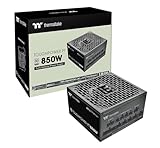
- Top Pick: Thermaltake Toughpower PT 850W; ATX 3.1; Native PCIe 5.1 12V-2×6; Etched Flat Cables; Dual-Color H++ Connectors; 100% Japanese Capacitors; 135mm Fan; 80 Plus Platinum; Black; PS-TPP-0850FNFAPU-1
- Best Value: Thermaltake Toughpower TF3 1300W; 2X Native PCIe 5.1 12V-2×6; Dual-Color H++ Connectors; Etched Flat Cables; Multi/Single Rail OCM Toggle; 100% Japanese Capacitors; 80+ Titanium; PS-TPD-1300FNFATU-1
- Premium Choice: Pomya EGPU Dock Station with 800W PSU, Suitable for Graphics Cards Under 600W Power, PCIe 4.0 X4, OCULINK, USB4.0 Ports and TGX Hot Swap, External GPU Docking Station (US Plug)
🛒 Best Price Today on Amazon
Prime members get fast, free shipping on everything above, plus member-only deals. New members get a 30-day free trial — cancel anytime.
- Top Gpus Under 600 Picks for 2026
- Best GPUs under $600 at a Glance
- 1. MSI Gaming GeForce RTX 3060 12GB 15 Gbps GDDR6 192-Bit Torx Twin Fan
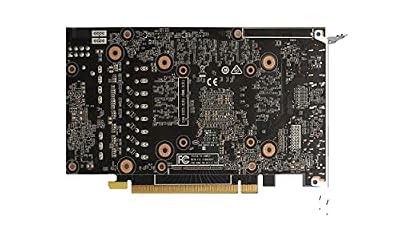
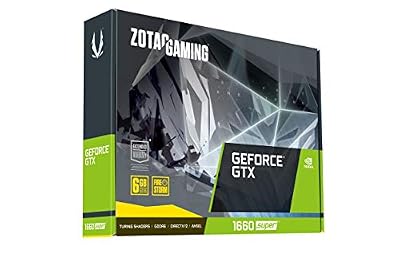
- 2. ZOTAC Gaming GeForce GTX 1660 Super 6GB GDDR6 192-bit Graphics Card
- 3. EVGA GeForce RTX 2060 KO Ultra Gaming 6GB GDDR6, Dual Fans
- 4. EVGA GeForce GTX 1660 Super SC Ultra Gaming 6GB GDDR6, Dual Fan
- 5. ASUS TUF Gaming GeForce GTX 1660 Super Overclocked 6GB Edition
- 6. maxsun AMD Radeon RX 550 4GB GDDR5 ITX Computer PC Gaming Video Graphics Card
- How to Choose a GPU under $600
- Frequently Asked Questions
- Related Guides
- Related Articles
Top Gpus Under 600 Picks for 2026
Here are our current top gpus under 600 picks, compared on real Amazon owner reviews, price, and features. Live prices update below.
As an Amazon Associate we earn from qualifying purchases at no extra cost to you.


For most gamers, the GPU is the single most important component, and the sub-$600 bracket is where the best value lives. This is the price range that delivers smooth 1080p and capable 1440p gaming without venturing into flagship territory, and the smart play here is balancing two things above all: raw rendering performance and the amount of VRAM, since modern games increasingly lean on video memory at higher settings. This guide rounds up the best GPUs under $600 in 2026, leading with the cards that offer the strongest mix of performance and VRAM for the money, and being upfront about where each card genuinely fits.
Our picks were chosen on what actually matters for a graphics card: gaming performance for its target resolution, VRAM capacity, efficiency and value. The list spans a wide spread of capability and price, and we are honest about it — most of these are excellent 1080p cards, with the standouts reaching comfortably into 1440p, while one entry is a genuine budget/entry-level part rather than a mainstream gaming GPU. We avoid quoting invented frame-rate numbers; instead we describe each card’s fit. Below is an at-a-glance comparison of all six, then a closer look at each and a buyer’s guide built around VRAM, resolution and value.
Best GPUs under $600 at a Glance
| GPU | Best For | Standout Spec | Approx Price |
|---|---|---|---|
| MSI GeForce RTX 3060 12GB | Best VRAM and 1440p value | 12GB GDDR6, RTX features | around $399 |
| ZOTAC GeForce GTX 1660 Super 6GB | Strong 1080p value | 6GB GDDR6, compact | around $320 |
| EVGA GeForce RTX 2060 KO 6GB | 1080p with RTX/DLSS | 6GB GDDR6, ray tracing | around $290 |
| EVGA GeForce GTX 1660 Super SC 6GB | Reliable 1080p pick | 6GB GDDR6, dual-fan | around $280 |
| ASUS TUF GTX 1660 Super OC 6GB | Budget 1080p durability | 6GB GDDR6, TUF cooling | around $163 |
| maxsun Radeon RX 550 4GB | Entry/HTPC display card | 4GB GDDR5, ITX size | entry-level |
1. MSI Gaming GeForce RTX 3060 12GB 15 Gbps GDDR6 192-Bit Torx Twin Fan

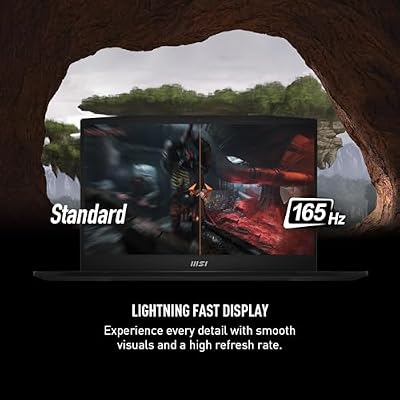
msi Katana 15 15.6” 165Hz QHD Gaming Laptop: Intel Core i7-13620H, NVIDIA Geforce RTX 4070, 16GB DDR5, 1TB NVMe SSD, Cooler Boost 5, Win 11: Black B13VGK-2000US



As an Amazon Associate we earn from qualifying purchases. Product prices and availability are accurate as of the date/time indicated.
The MSI GeForce RTX 3060 12GB is the lead pick of this roundup, and the VRAM is exactly why. With a generous 12GB of GDDR6 it carries more video memory than every other card here, which pays off as games push higher textures and settings — and it adds NVIDIA’s RTX feature set, including ray tracing and DLSS upscaling, on MSI’s well-cooled Torx Twin Fan design. At around $399 it is the strongest blend of performance, VRAM and features under $600.
This is the card to choose for confident 1080p gaming with real headroom into 1440p, and the one best positioned to age gracefully. The 12GB framebuffer means you are far less likely to run short on VRAM at higher texture settings, DLSS can lift frame rates in supported titles, and ray tracing is on the table where you want it. The dual-fan cooler keeps it quiet and cool under load. For the best mix of capability and future-friendly VRAM in this list, the RTX 3060 12GB is the clear standout.
Pros: Class-leading 12GB VRAM, RTX ray tracing and DLSS, capable 1080p and 1440p, well cooled.
Cons: Not a high-refresh 1440p flagship; the most expensive card here.
2. ZOTAC Gaming GeForce GTX 1660 Super 6GB GDDR6 192-bit Graphics Card

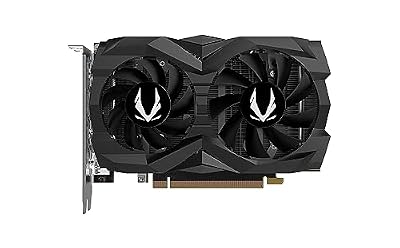
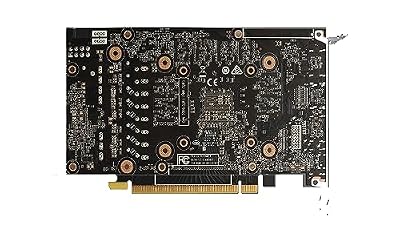
ZOTAC Gaming GeForce GTX 1660 Super 6GB GDDR6 192-bit Gaming Graphics Card, Super Compact, ZT-T16620F-10L









As an Amazon Associate we earn from qualifying purchases. Product prices and availability are accurate as of the date/time indicated.
The ZOTAC GeForce GTX 1660 Super is a strong 1080p value pick in a compact package. It pairs the well-regarded GTX 1660 Super GPU with 6GB of fast GDDR6 on a 192-bit bus, delivering excellent mainstream 1080p performance, and ZOTAC’s shorter card design fits comfortably in smaller cases. At around $320 it is a dependable choice for a tidy 1080p gaming build.
This is the card for the gamer focused squarely on smooth 1080p play who values a compact, fuss-free GPU. The GTX 1660 Super is a proven 1080p performer that handles modern titles well at sensible settings, the 6GB of GDDR6 is adequate for 1080p, and the small footprint suits mini-ITX and compact builds. It does not offer ray tracing or DLSS, focusing instead on strong raw rasterization value. For dependable 1080p gaming in a smaller chassis, the ZOTAC 1660 Super is a sensible pick.

Pros: Strong 1080p performance, fast 6GB GDDR6, compact card for small cases, good value.
Cons: No ray tracing or DLSS; 6GB and the older architecture are 1080p-focused.
3. EVGA GeForce RTX 2060 KO Ultra Gaming 6GB GDDR6, Dual Fans

EVGA 06G-P4-2068-KR GeForce RTX 2060 KO Ultra Gaming, 6GB GDDR6, Dual Fans, Metal Backplate


As an Amazon Associate we earn from qualifying purchases. Product prices and availability are accurate as of the date/time indicated.
The EVGA GeForce RTX 2060 KO brings ray tracing and DLSS to the budget end of the list. It is an RTX-class card with 6GB of GDDR6 and EVGA’s dual-fan cooler, offering capable 1080p gaming plus access to NVIDIA’s RTX feature set that the GTX cards here lack. At around $290 it is an affordable way to get ray tracing and DLSS on a mainstream budget.
This is the card for the 1080p gamer who specifically wants to experiment with ray tracing and benefit from DLSS upscaling without spending big. The RTX 2060 delivers solid 1080p rasterization, DLSS can help recover frame rate in supported games (useful when ray tracing is enabled), and the dual-fan EVGA design keeps temperatures sensible. Its 6GB of VRAM is the main limiter compared with the 12GB RTX 3060, so it is best kept to 1080p. For affordable RTX features, the 2060 KO is a smart value option.
Pros: RTX ray tracing and DLSS on a budget, capable 1080p, dual-fan cooling, good value.
Cons: Only 6GB VRAM limits higher settings; best kept to 1080p.
4. EVGA GeForce GTX 1660 Super SC Ultra Gaming 6GB GDDR6, Dual Fan

EVGA 06G-P4-1068-KR GeForce GTX 1660 Super Sc Ultra Gaming, 6GB GDDR6, Dual Fan, Metal Backplate


As an Amazon Associate we earn from qualifying purchases. Product prices and availability are accurate as of the date/time indicated.
The EVGA GeForce GTX 1660 Super SC is the reliable 1080p pick from a brand with a strong reputation for build quality and support. It uses the proven GTX 1660 Super GPU with 6GB of GDDR6 and EVGA’s SC Ultra dual-fan cooler for cool, quiet operation. At around $280 it is a dependable, well-built choice for a mainstream 1080p gaming rig.
This is the card for the gamer who wants solid, no-surprises 1080p performance backed by EVGA’s quality cooling and finish. The GTX 1660 Super comfortably handles modern games at sensible 1080p settings, the 6GB of GDDR6 is suited to that resolution, and the dual-fan SC Ultra cooler runs quietly under load. Like the other GTX cards here it forgoes ray tracing and DLSS in favor of strong raw value. For a robust, reliable 1080p graphics card, this EVGA model is an easy recommendation.

Pros: Dependable 1080p performance, quiet dual-fan SC Ultra cooler, solid EVGA build quality.
Cons: No ray tracing or DLSS; 6GB GDDR6 keeps it to 1080p.
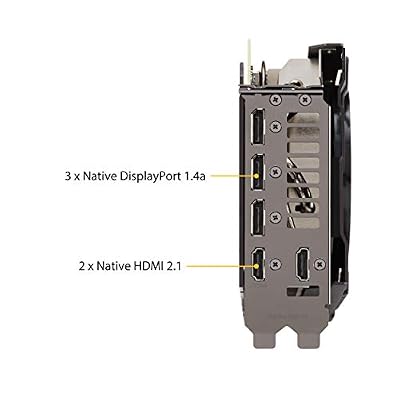
5. ASUS TUF Gaming GeForce GTX 1660 Super Overclocked 6GB Edition

ASUS TUF Gaming NVIDIA GeForce RTX 3080 V2 OC Edition Graphics Card (PCIe 4.0, 10GB GDDR6X, LHR, HDMI 2.1, DisplayPort 1.4a, Dual Ball Fan Bearings, Military-Grade Certification, GPU Tweak II)


As an Amazon Associate we earn from qualifying purchases. Product prices and availability are accurate as of the date/time indicated.
The ASUS TUF Gaming GTX 1660 Super is the budget 1080p durability pick, and its standout strength is build quality at a low price. It is a factory overclocked GTX 1660 Super with 6GB of GDDR6, wrapped in ASUS’s rugged TUF cooling and components rated for tough, long-term use. Listed at around $163 here, it is the most affordable 1080p gaming card in the roundup.
This is the card for the value-focused gamer who wants dependable 1080p performance and hardware built to last without paying a premium. The factory overclock gives it a small edge over reference 1660 Super cards, the 6GB of GDDR6 suits 1080p gaming, and the TUF cooling and durable components are designed for reliability over the long haul. It skips ray tracing and DLSS in favor of robust raw value. For a tough, affordable 1080p GPU that should keep running for years, the ASUS TUF is a smart buy.
Pros: Affordable 1080p gaming, factory overclock, durable TUF cooling and components, strong value.
Cons: No ray tracing or DLSS; 6GB GDDR6 is 1080p-oriented.
6. maxsun AMD Radeon RX 550 4GB GDDR5 ITX Computer PC Gaming Video Graphics Card

MAXSUN AMD Radeon RX 550 4GB GDDR5 ITX Computer PC Gaming Video Graphics Card GPU 128-Bit DirectX 12 PCI Express X16 3.0 DVI-D Dual Link, HDMI, DisplayPort


As an Amazon Associate we earn from qualifying purchases. Product prices and availability are accurate as of the date/time indicated.
In the interest of honesty, the maxsun Radeon RX 550 is the odd one out here: it is an entry-level / display-class card rather than a mainstream gaming GPU like the others. It is a tiny ITX-sized board with 4GB of GDDR5, designed for basic display output, light esports titles, media playback and compact or low-power systems. It is the budget specialist of the list, not a card for demanding modern gaming.
This is the card to choose for a very specific job: adding graphics output to a small form factor or home-theater PC, building an ultra-low-budget machine, or running older and lighter games where heavy performance is not needed. The compact ITX size fits where larger cards will not, the 4GB of GDDR5 and modest power draw suit small builds, and it gets a basic system displaying and playing casual titles. For mainstream 1080p gaming you should pick one of the GTX or RTX cards above — but as an honest entry-level/HTPC option, the RX 550 has its place.

Pros: Tiny ITX size, low power draw, fine for display output, media and light esports, very affordable.
Cons: Entry-level performance only — not a mainstream gaming GPU; not for demanding 1080p titles.
How to Choose a GPU under $600
Start with the resolution and refresh rate you actually play at, because that decides how much GPU you need. The honest reality of this list is that most of these cards — the GTX 1660 Super models and the RTX 2060 — are excellent 1080p performers, the RTX 3060 12GB reaches comfortably into 1440p, and the RX 550 is an entry-level display card rather than a gaming GPU. Pin down your target first, then choose the card that comfortably hits it rather than overspending for resolution you will not use.
VRAM is the spec to scrutinise closely in 2026, because modern games lean on video memory at higher textures and settings. This is the single biggest differentiator here: the RTX 3060’s 12GB gives it real breathing room and the best chance of aging well, while the 6GB cards are perfectly capable at 1080p but more constrained at higher settings, and the RX 550’s 4GB is strictly entry-level. If you want a card to last, prioritise the larger framebuffer — VRAM headroom matters.
Decide whether ray tracing and DLSS matter to you, as they split this list cleanly. The RTX 3060 and RTX 2060 support NVIDIA’s RTX features — ray tracing for nicer lighting and DLSS upscaling to recover frame rate in supported titles — while the GTX 1660 Super cards focus purely on raw rasterization value. If you want to enable ray tracing or lean on DLSS, choose an RTX card; if you simply want maximum raw 1080p performance per dollar, a well-built GTX 1660 Super delivers.
Finally, weigh the physical card, cooling and brand against your case and budget. A compact card like the ZOTAC 1660 Super suits small builds, robust coolers like ASUS’s TUF and EVGA’s dual-fan designs prioritise durability and quiet running, and brand support varies. Make sure the card fits your case and that your power supply has the right connectors. Set your resolution target, prioritise VRAM if you want longevity, choose RTX features if you want them, and pick the GPU on this list that best matches how and where you play.
Frequently Asked Questions
How much VRAM do I need for gaming in 2026?
More than you might expect, because modern games increasingly rely on video memory at higher textures and settings. For 1080p, the 6GB on cards like the GTX 1660 Super and RTX 2060 is workable but increasingly tight at high settings, while the RTX 3060’s 12GB gives genuine headroom and the best chance of aging well. If longevity matters, prioritise a card with more VRAM rather than chasing a small raw-performance edge with less memory.
Which GPU here is best for 1440p gaming?
The MSI RTX 3060 12GB is the clear pick for stepping into 1440p. Its 12GB of VRAM and RTX 30-series performance reach comfortably beyond 1080p, whereas the 6GB GTX 1660 Super cards and the RTX 2060 are really 1080p-focused. The RX 550 is an entry-level display card, not a 1440p option at all. For 1440p value under $600, the RTX 3060 12GB is the one to choose.
Is the Radeon RX 550 good for gaming?
Only for light, casual use. To be clear, the RX 550 is an entry-level / display-class card, not a mainstream gaming GPU like the others here. It is well suited to home-theater PCs, small form factor builds, basic display output, media playback and older or lighter esports titles. For demanding 1080p gaming you should choose one of the GTX 1660 Super cards or an RTX 2060 or 3060 instead, which are built for that job.
Do I need ray tracing and DLSS?
It depends on the games you play and the look you want. Ray tracing improves lighting and reflections in supported titles, and DLSS upscaling can recover frame rate, which is especially useful when ray tracing is enabled. The RTX 3060 and RTX 2060 here support both, while the GTX 1660 Super cards focus on raw rasterization value. If these features appeal to you, choose an RTX card; if not, a strong GTX 1660 Super offers excellent pure 1080p value.
Related Guides
- Best CPUs Under $300
- Best Power Supplies for Your GPU
- Best Gaming Monitors
- Best Motherboards for Multitasking
- Best Gaming PC Builds
- Best PC Cases for Airflow
Affiliate Disclosure: As an Amazon Associate, we earn from qualifying purchases. If you click a link and make a purchase, we may earn a small commission at no extra cost to you. Prices and availability are accurate as of publication and may change.