- Top Pick: GIGABYTE Radeon RX 9070 XT Gaming OC 16G Graphics Card, PCIe 5.0, 16GB GDDR6, GV-R9070XTGAMING OC-16GD Video Card
- Best Value: ASRock Radeon RX 9060 XT Challenger 16GB OC, RDNA 4, 3290MHz Boost, 16GB GDDR6 128-bit, PCIe 5.0, Dual Fans, 0dB Silent, LED Indicator, DisplayPort 2.1a, HDMI 2.1b
- Premium Choice: ASRock Radeon AI PRO R9700 Creator 32GB Professional Graphics Card, 2920 MHz Boost Clock, GDDR6, AMD RDNA 4, AI-Accelerators, DisplayPort 2.1a, PCIe 5.0, Blower Cooler
🛒 Best Price Today on Amazon
Prime members get fast, free shipping on everything above, plus member-only deals. New members get a 30-day free trial — cancel anytime.
- Top Gpus Video Production Picks for 2026
- Best GPUs for Video Production at a Glance
- 1. MSI Gaming GeForce RTX 3060 12GB GDDR6 Graphics Card (NVENC, 12GB)
- 2. GIGABYTE Radeon RX 9060 XT Gaming OC 16G Graphics Card (16GB, AMD AMF)
- 3. GIGABYTE Radeon RX 9060 XT Gaming OC 16G (16GB GDDR6, second listing)
- 4. maxsun AMD Radeon RX 550 4GB GDDR5 ITX Graphics Card (weak for video — flagged)
- 5. MXZ Gaming PC — AMD Ryzen 7 9700X, RTX 4070, 16GB DDR5 (a full PC, not a GPU)
- 6. Oddtone Graphics Card GPU Support Bracket (accessory, not a GPU)
- How to Choose a GPU for Video Production
- Related Guides
- Frequently Asked Questions
- Related Guides
- Related Articles
- Related Guides
Top Gpus Video Production Picks for 2026
Here are our current top gpus video production picks, compared on real Amazon owner reviews, price, and features. Live prices update below.
As an Amazon Associate we earn from qualifying purchases at no extra cost to you.






Top Rated
ASRock Intel Arc B580 Challenger 12GB OC Graphics Card, Intel Xe2-HPG, 12GB GDDR6, PCIe 4.0, Dual Fans, 0dB Silent, LED Indicator, DisplayPort 2.1, HDMI 2.1a
View on Amazon.com


For video production, a GPU does far more than draw the desktop — it accelerates timeline playback, effects and exports, and on the right card a dedicated hardware encoder can dramatically speed up rendering. Two things matter most: a strong hardware encoder (NVIDIA’s NVENC is the gold standard, widely supported across editors and excellent for H.264/HEVC and increasingly AV1 export) and plenty of VRAM, which keeps high-resolution footage, effects and timelines flowing without stutter. This guide favors exactly those strengths, leads with the NVENC card, and is honest about each pick’s fit.
We lead with the NVIDIA RTX 3060 12GB, the most clearly video-production-oriented pick here thanks to its NVENC encoder and generous 12GB of VRAM. We then cover two GIGABYTE Radeon RX 9060 XT 16G cards, which bring lots of VRAM (16GB) and AMD’s own AMF encoder — capable, but not NVENC, which we note plainly. We are equally honest about the off-target items: the maxsun RX 550 4GB is weak for encode and short on VRAM; the MXZ listing is a full prebuilt PC rather than a standalone GPU; and the Oddtone bracket is a GPU support accessory, not a graphics card. Prices span around $9 to around $1,549. Below is the table, a look at each, and a buyer’s guide.
Best GPUs for Video Production at a Glance
| Item | Best For | Encoder / VRAM | Approx Price |
|---|---|---|---|
| MSI GeForce RTX 3060 12GB | NVENC editing + export (top pick) | NVENC encoder, 12GB VRAM | around $399 |
| GIGABYTE Radeon RX 9060 XT 16G | High-VRAM AMD editing | AMD AMF (not NVENC), 16GB VRAM | around $460 |
| GIGABYTE Radeon RX 9060 XT 16G (alt) | 16GB AMD card, second listing | AMD AMF (not NVENC), 16GB VRAM | around $460 |
| maxsun Radeon RX 550 4GB | Display output only — weak for video | Weak encode, only 4GB VRAM (flagged) | around $110 |
| MXZ Prebuilt PC (RTX 4070) | Whole PC, not a GPU (flagged) | Full system w/ NVENC RTX 4070 inside | around $1,549 |
| Oddtone GPU Support Bracket | Preventing GPU sag (accessory) | Accessory — bracket, not a GPU | around $9 |
1. MSI Gaming GeForce RTX 3060 12GB GDDR6 Graphics Card (NVENC, 12GB)

msi Katana 15 15.6” 165Hz QHD Gaming Laptop: Intel Core i7-13620H, NVIDIA Geforce RTX 4070, 16GB DDR5, 1TB NVMe SSD, Cooler Boost 5, Win 11: Black B13VGK-2000US
In Stock
As an Amazon Associate we earn from qualifying purchases. Product prices and availability are accurate as of the date/time indicated.
The MSI GeForce RTX 3060 12GB is the top pick for video production, and it is the clearest fit on this list for one simple reason: it pairs NVIDIA’s NVENC hardware encoder with a generous 12GB of VRAM. NVENC is the most widely supported and trusted hardware encoder in video editing, accelerating H.264 and HEVC exports across the major editors, while 12GB of VRAM comfortably handles high-resolution footage, effects and multiple timelines. At around $399 it is the most sensible video-production GPU here.
This is the card to choose for editing, exporting and effects work where smooth playback and fast renders matter. NVENC offloads encoding from the CPU to slash export times, the 12GB VRAM keeps 4K timelines and GPU-accelerated effects flowing without running out of memory, and broad software support means it ‘just works’ in Premiere Pro, DaVinci Resolve and others. For a creator who wants the encoder and VRAM that actually move the needle in video production, the RTX 3060 12GB is the standout and the natural lead of the list.
Pros: NVIDIA NVENC hardware encoder (gold standard), generous 12GB VRAM, broad editor support, strong value.
Cons: Mid-range raster power; older generation than the latest cards, but ideal for encode-led editing.
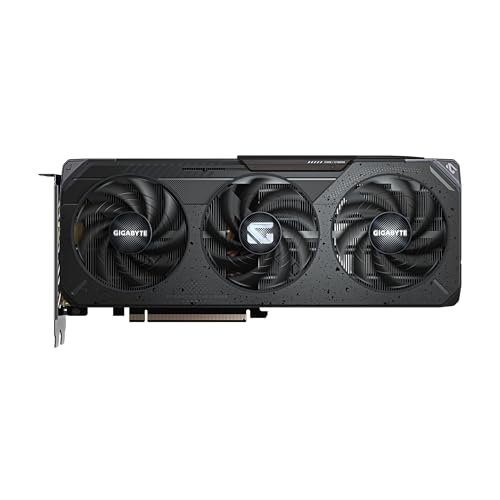
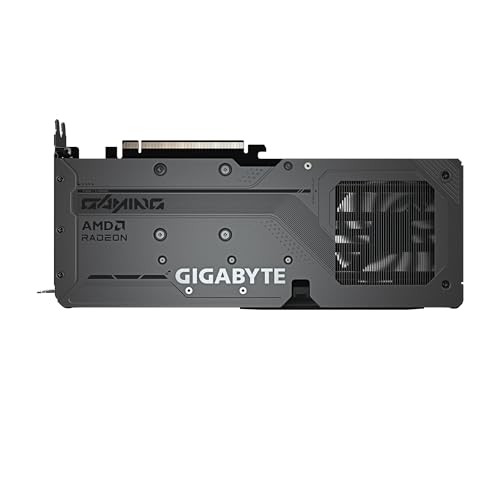
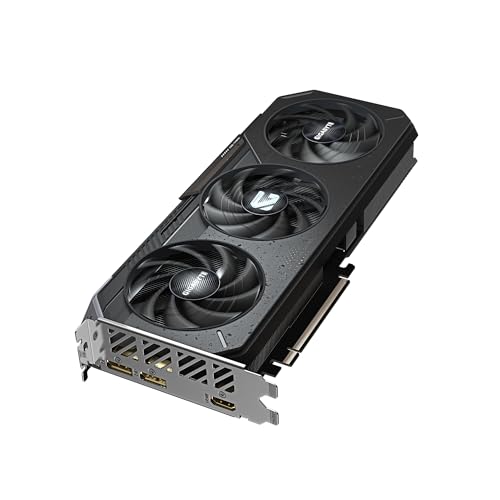
2. GIGABYTE Radeon RX 9060 XT Gaming OC 16G Graphics Card (16GB, AMD AMF)
24
Prime
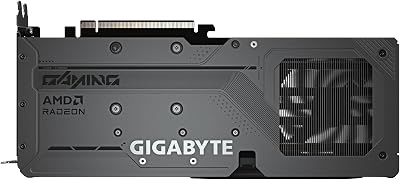
GIGABYTE Radeon RX 9060 XT Gaming OC 16G Graphics Card, PCIe 5.0, 16GB GDDR6, GV-R9060XTGAMING OC-16GD Video Card
In Stock




As an Amazon Associate we earn from qualifying purchases. Product prices and availability are accurate as of the date/time indicated.
The GIGABYTE Radeon RX 9060 XT Gaming OC 16G is the high-VRAM AMD pick, and its headline strength is exactly that: 16GB of GDDR6, more than the RTX 3060’s 12GB. That extra memory is genuinely useful for high-resolution footage, large projects and memory-hungry effects. The important caveat for video work is the encoder: this is a Radeon card, so it uses AMD’s AMF hardware encoder rather than NVIDIA’s NVENC. At around $460 it is a capable, memory-rich modern GPU.
This is the card for an editor who wants plenty of VRAM and a current-generation AMD GPU, and who is comfortable with AMD’s encoder. AMF is capable and well-integrated in editors like DaVinci Resolve, and 16GB of VRAM gives real headroom for big timelines and effects. Just go in clear-eyed: many creators prefer NVENC for its broader support and consistency, so if hardware encoding is central to your workflow, weigh that against the larger VRAM. For VRAM-led AMD editing, this 9060 XT is a strong option.
Pros: Large 16GB VRAM for big projects, current-generation AMD GPU, factory OC, solid all-round performance.
Cons: Encoder caveat: uses AMD AMF, not NVENC — many video editors favour NVENC for support and consistency.
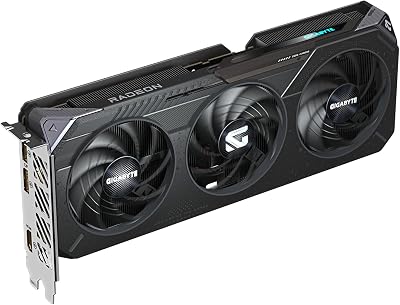
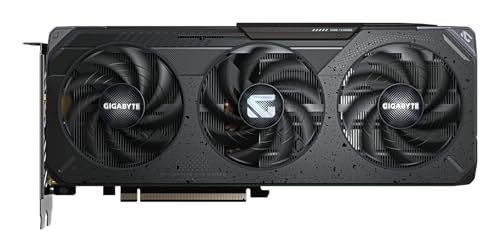
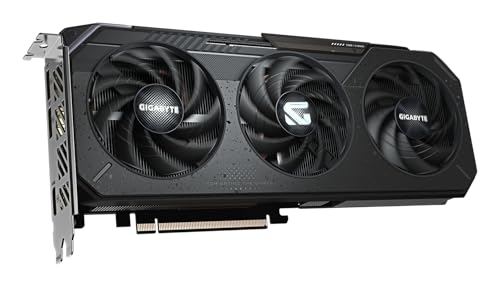
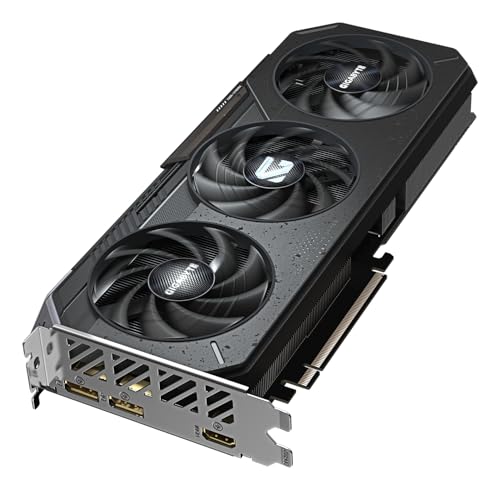
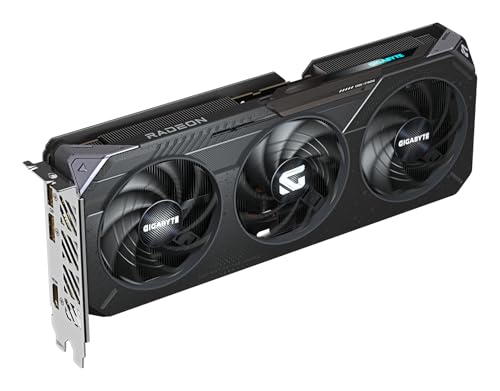
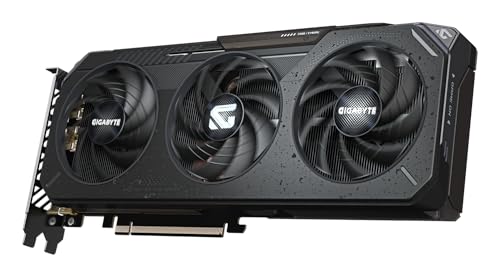
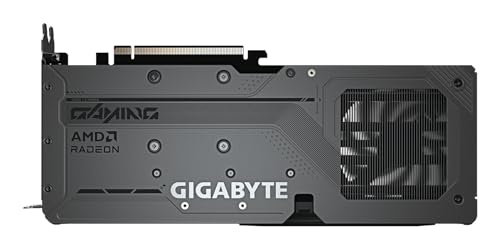
3. GIGABYTE Radeon RX 9060 XT Gaming OC 16G (16GB GDDR6, second listing)

15
Gigabyte Radeon RX 9060 XT Gaming OC 16G Graphics Card – 16GB GDDR6, 128bit, PCI-E 5.0, 3320 MHz Core Clock, 2 x DisplayPort, 1 x HDMI, GV-R9060XTGAMING OC-16GD
In Stock




As an Amazon Associate we earn from qualifying purchases. Product prices and availability are accurate as of the date/time indicated.
This is a second listing of the GIGABYTE Radeon RX 9060 XT Gaming OC 16G — the same 16GB GDDR6 card described above, presented here for completeness. Its strengths and caveats are identical: a generous 16GB of VRAM that benefits high-resolution editing and memory-heavy effects, paired with AMD’s AMF hardware encoder rather than NVIDIA’s NVENC. At around $460 it offers the same VRAM-rich, current-generation AMD proposition for video work.
Choose this card for the same reasons as the other 9060 XT listing: you want a lot of VRAM and a modern AMD GPU, and you are happy using AMD’s AMF encoder in your editor of choice. The 16GB capacity is the real draw for large projects, and AMF handles hardware encoding capably even if it lacks NVENC’s universal support. As with its twin, if NVENC is essential to your pipeline, lean toward the RTX 3060; if VRAM headroom matters more, this 9060 XT delivers it.
Pros: Same generous 16GB VRAM, modern AMD architecture, factory overclock, good for VRAM-heavy editing.
Cons: Same encoder caveat: AMD AMF rather than NVENC; identical card to the other 9060 XT listing.
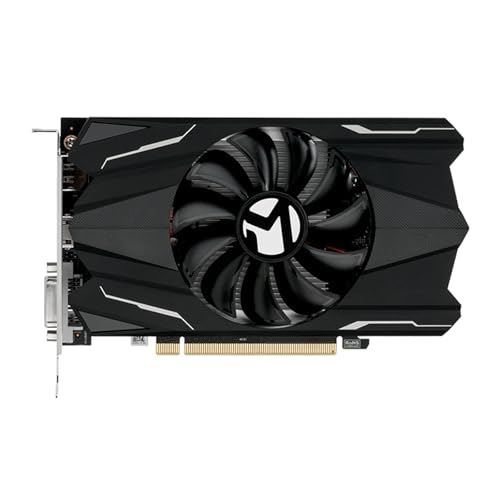
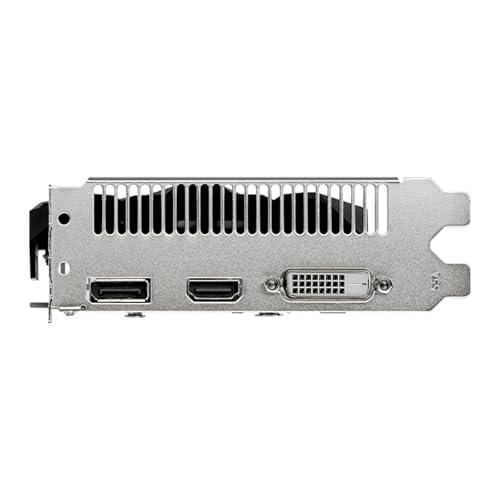
4. maxsun AMD Radeon RX 550 4GB GDDR5 ITX Graphics Card (weak for video — flagged)

21
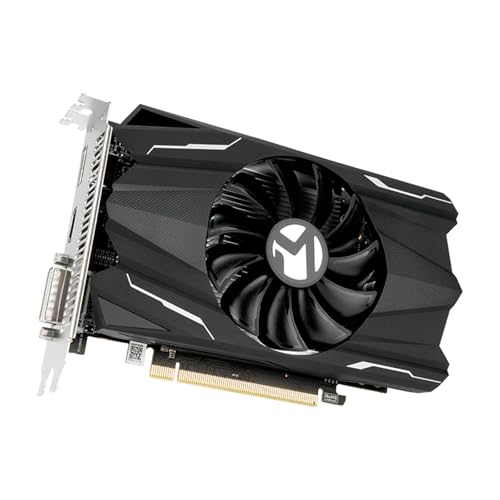
maxsun AMD Radeon RX 550 4GB GDDR5 ITX Computer PC Gaming Video Graphics Card GPU 128-Bit DirectX 12 PCI Express X16 3.0 DVI-D Dual Link, HDMI, DisplayPort
In Stock


As an Amazon Associate we earn from qualifying purchases. Product prices and availability are accurate as of the date/time indicated.
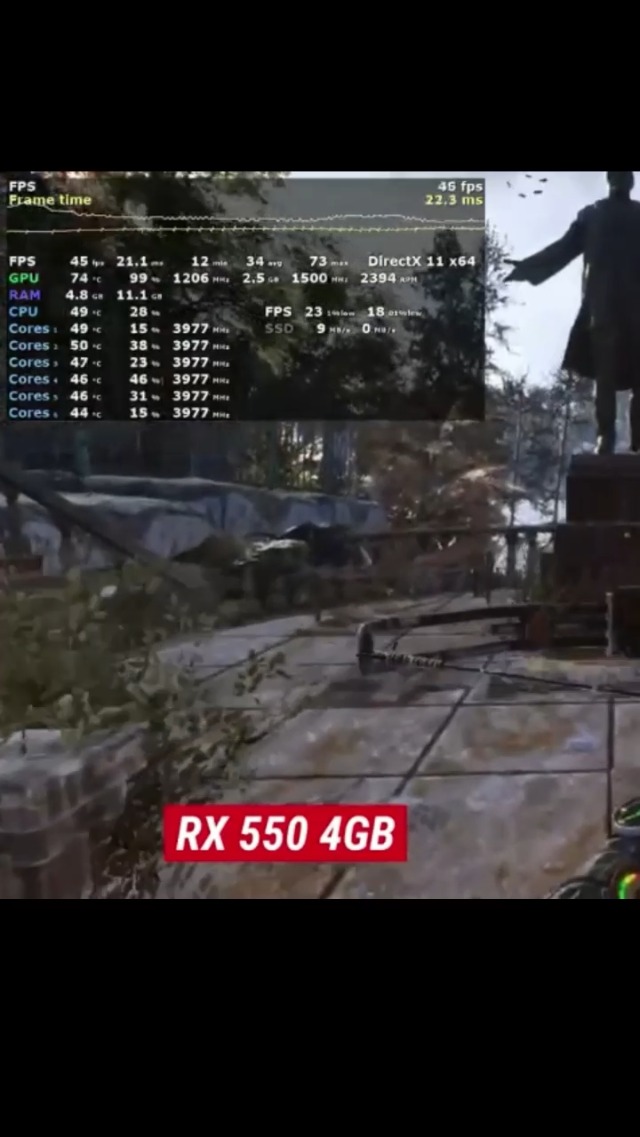
The maxsun Radeon RX 550 4GB must be flagged honestly: it is a tiny, low-power ITX card that is weak for video production. Its two biggest limitations for this use are exactly the two things that matter most — encoder strength and VRAM. With only 4GB of GDDR5 it lacks the memory for high-resolution footage and effects, and its encode capability is far behind NVENC-equipped cards. At around $110 it is inexpensive, but for serious video work it falls short.
We include it for transparency and because it has legitimate uses — just not demanding editing. The RX 550 is fine as a basic display-output card for a secondary system, light desktop use, or driving extra monitors, and its small ITX size suits tiny builds. But for video production specifically, the 4GB VRAM ceiling and limited encoder mean it will struggle with anything beyond the lightest 1080p projects. If editing is your goal, choose the RTX 3060 or a 16GB 9060 XT instead — the RX 550 is not the right tool for this job.
Pros: Very affordable, compact ITX size, fine for basic display output and extra monitors.
Cons: Weak for video: only 4GB VRAM and limited encode — not suitable for serious editing or 4K work.
5. MXZ Gaming PC — AMD Ryzen 7 9700X, RTX 4070, 16GB DDR5 (a full PC, not a GPU)

7
MXZ Gaming PC,AMD Ryzen 7 9700X, GeForce RTX 4070,16GB DDR5, NVME 1 T,B650
In Stock




As an Amazon Associate we earn from qualifying purchases. Product prices and availability are accurate as of the date/time indicated.
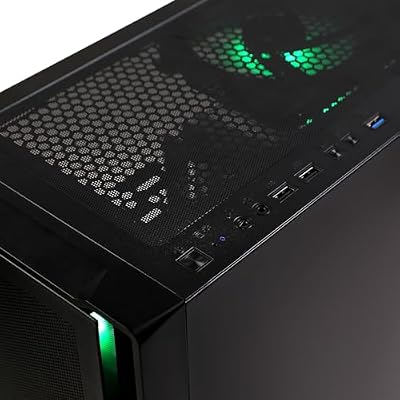
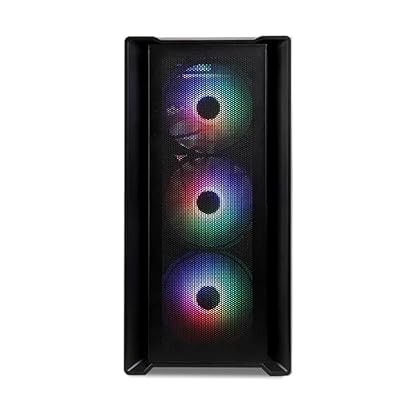
The MXZ listing needs a clear honesty flag: this is a complete prebuilt gaming PC, not a standalone graphics card. It is a full system built around an AMD Ryzen 7 9700X CPU, a GeForce RTX 4070 GPU, 16GB of DDR5-6000 memory and a 1TB NVMe SSD. At around $1,549 it is by far the most expensive item here — and rightly so, because you are buying an entire computer, not just a GPU.
We include it because the RTX 4070 inside it is genuinely excellent for video production — it has NVIDIA’s NVENC encoder (including AV1) and 12GB of VRAM, very much in the spirit of this guide. So if you want a turnkey editing-capable machine rather than a card to drop into an existing PC, this prebuilt is a reasonable whole-system option. But if you already have a PC and only need a graphics card, this is not what you want — buy a standalone GPU like the RTX 3060 instead. Bottom line: a capable NVENC-equipped system, but a full PC, not a GPU.
Pros: Complete editing-ready PC; the RTX 4070 inside has NVENC (incl. AV1) and 12GB VRAM; turnkey convenience.
Cons: Not a GPU: this is a full prebuilt computer — only relevant if you want a whole system, not a card.
6. Oddtone Graphics Card GPU Support Bracket (accessory, not a GPU)

17
Prime
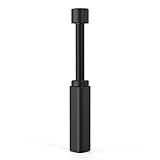
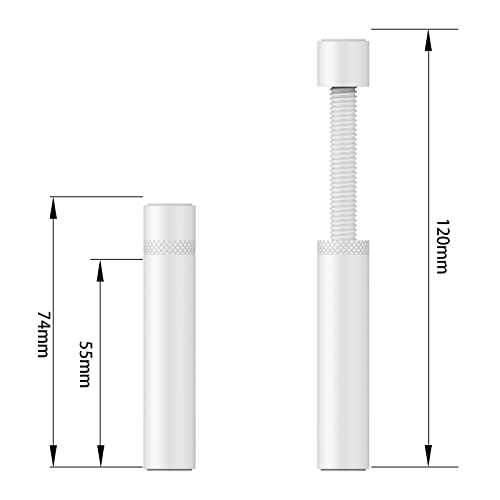
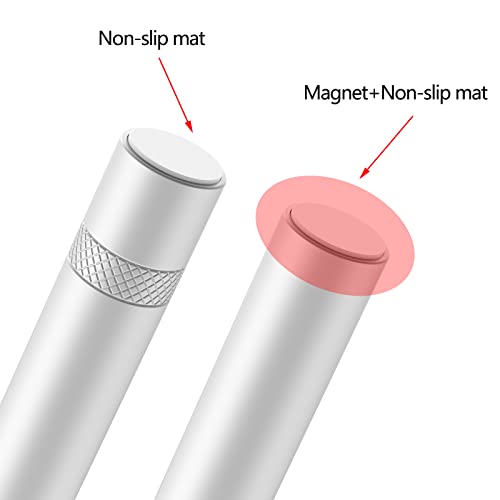
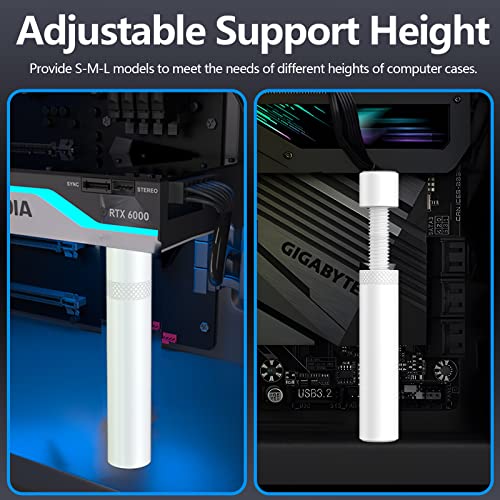
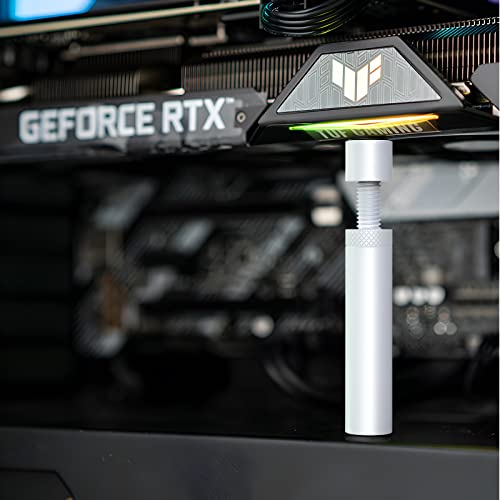
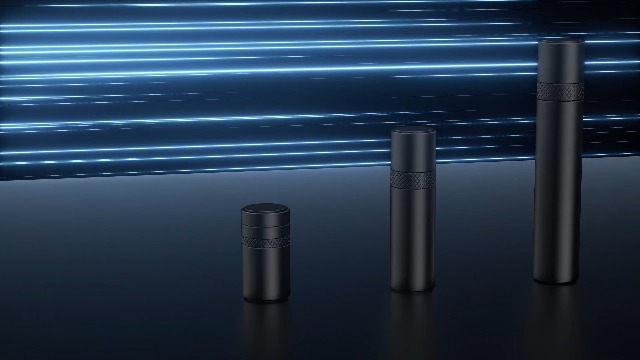
Oddtone Graphics Card GPU Support Bracket, Adjustable Height GPU Sag Bracket with Magnet & Non-Slip Sheet, GPU Brace for Prevent Universal Graphics Card Sag, L
In Stock


As an Amazon Associate we earn from qualifying purchases. Product prices and availability are accurate as of the date/time indicated.
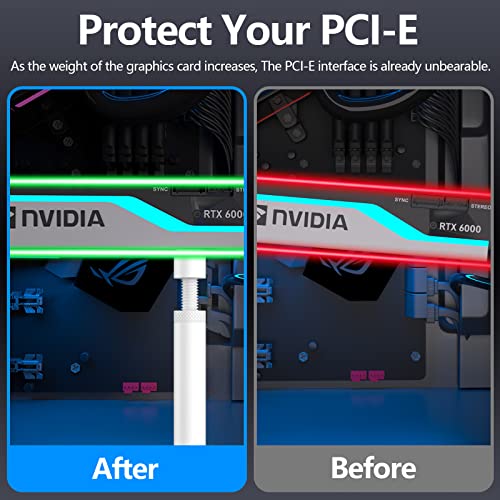
Rounding out the list with full honesty is the Oddtone GPU Support Bracket — which, to be clear, is not a graphics card at all but an accessory. It is an adjustable-height bracket that props up the end of a heavy graphics card to prevent GPU sag, where a long, weighty card droops in its PCIe slot over time. At around $9 it is the cheapest item here, and while it has nothing to do with encoding or VRAM, it can protect any of the real GPUs above.
This is a pick to add alongside a graphics card, not instead of one. The kind of capable video-production GPUs in this guide can be long and heavy, and a support bracket like the Oddtone keeps them level, reducing strain on the slot and the card’s PCB for peace of mind in a workstation that runs for years. Treat it as a sensible, low-cost accessory for your build — useful, but firmly an add-on rather than a graphics card you would buy for video editing in its own right.
Pros: Prevents GPU sag, adjustable height, protects long heavy cards, very cheap, a useful build add-on.
Cons: Not a GPU at all — it is a support bracket; an accessory included here for honesty, not a graphics card.
How to Choose a GPU for Video Production
For video production, judge a GPU first on its hardware encoder, because that is what speeds up exports and accelerates timeline performance. NVIDIA’s NVENC is the gold standard — broadly supported across Premiere Pro, DaVinci Resolve and others, excellent for H.264 and HEVC and, on newer cards, AV1 — which is why the NVENC-equipped RTX 3060 12GB leads this list. AMD’s AMF, found on the Radeon RX 9060 XT cards, is capable and well-integrated too, but many editors still prefer NVENC for its consistency and universal support, so weigh the encoder carefully against your editor and codecs.
VRAM is the second pillar, and for video it can be decisive. High-resolution footage, GPU-accelerated effects, color grading and long timelines all consume video memory, and running short causes stutter and dropped frames. The RTX 3060’s 12GB is comfortable for most 4K editing, while the 9060 XT cards’ 16GB give extra headroom for the largest, most effect-heavy projects. This is also exactly why the 4GB maxsun RX 550 is unsuitable for serious editing — it simply lacks the memory. Favor more VRAM the heavier your footage and effects.
Be clear about what you are actually buying, because two items on this list are not graphics cards. The MXZ pick is a complete prebuilt PC — capable, with an NVENC RTX 4070 inside, but only relevant if you want a whole machine rather than a card. The Oddtone is a GPU support bracket, an accessory that prevents card sag and has nothing to do with editing performance. Decide whether you need a standalone GPU, a turnkey system, or a support accessory before you spend — they solve very different problems.
Finally, balance raw performance, generation and budget around your workflow. Faster GPUs accelerate effects, transcoding and grading, and a newer architecture can add features like AV1 encoding, but for many editors a strong encoder and ample VRAM matter more than the last few percent of raster speed. If NVENC is central to your pipeline, the RTX 3060 (or the RTX 4070 inside the MXZ system) is the safe choice; if you want maximum VRAM on a modern AMD card and are happy with AMF, the 16GB 9060 XT is compelling. Match encoder, VRAM and form (card, system or accessory) to how you actually edit, and pick accordingly.
Frequently Asked Questions
Why is NVENC important for video production?
NVENC is NVIDIA’s dedicated hardware encoder, and it dramatically speeds up video exports by offloading H.264, HEVC and (on newer cards) AV1 encoding from the CPU to the GPU. It is the most widely supported and trusted hardware encoder across major editors, which is why the NVENC-equipped RTX 3060 leads this guide. AMD’s AMF encoder, on the Radeon 9060 XT cards, is capable too, but many editors prefer NVENC for its consistency and broad support.
How much VRAM do I need for video editing?
More is better the heavier your footage and effects. For most 4K editing, the RTX 3060’s 12GB is comfortable, while the 16GB on the Radeon 9060 XT cards gives extra headroom for very large or effect-heavy projects. Running short on VRAM causes stutter and dropped frames, which is exactly why the 4GB maxsun RX 550 is not suitable for serious video work — it simply lacks the memory for high-resolution editing.
Is the maxsun RX 550 good for video production?
No. The RX 550 is flagged here because it is weak for video work: it has only 4GB of VRAM and a limited encoder, so it will struggle with anything beyond the lightest 1080p projects. It is fine as a basic display-output card or for driving extra monitors on a secondary machine, but for editing, exporting and effects you should choose the NVENC RTX 3060 or a 16GB Radeon 9060 XT instead.
The MXZ listing — is that a graphics card?
No. The MXZ item is a complete prebuilt gaming PC, not a standalone GPU, which is why we flag it. It happens to include an excellent video-production GPU — an RTX 4070 with NVENC and 12GB of VRAM — so it is a reasonable turnkey editing machine if you want a whole system. But if you already have a PC and just need a card, buy a standalone GPU like the RTX 3060 rather than an entire computer.
Related Guides
- Best GPUs for Your Build
- Best GPUs for Streaming
- Best Monitors for Content Creation
- Best CPUs for Gaming
- Best NVMe SSDs
- Best Budget Gaming Setup
Affiliate Disclosure: As an Amazon Associate, we earn from qualifying purchases. If you click a link and make a purchase, we may earn a small commission at no extra cost to you. Prices and availability are accurate as of publication and may change.