- Top Pick: NVD RTX PRO 6000 Blackwell Professional Workstation Edition Graphics Card for AI, Design, Simulation, Engineering – 96GB DDR7 ECC Memory – 4th Gen RT/5th Gen Tensor Core GPU – OEM Packaging
- Best Value: ASRock Intel Arc Pro B60 Creator 24GB Graphics Card, Workstation GPU, Xe2-HPG, 2400MHz, 24GB GDDR6 192-bit, PCIe 5.0, 4X DP 2.1, Blower
- Premium Choice: ASUS ATS Radeon RX 9070 GRE 12GB GDDR6 OC Edition Gaming Graphics Card
🛒 Best Price Today on Amazon
Prime members get fast, free shipping on everything above, plus member-only deals. New members get a 30-day free trial — cancel anytime.
- Top Gpus Graphic Design Picks for 2026
- Best GPUs for Graphic Design at a Glance
- 1. ASUS TUF Gaming GeForce RTX 5070 Ti 16GB GDDR7 OC Edition
- 2. GIGABYTE Radeon RX 9060 XT Gaming OC 16G
- 3. Gigabyte Radeon RX 9060 XT Gaming OC 16G (16GB, 128-bit, PCIe 5.0)
- 4. ASUS TUF Gaming GeForce RTX 3070 Ti OC Edition (8GB GDDR6X)
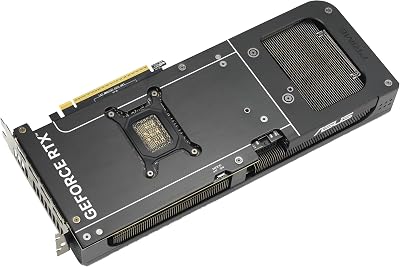
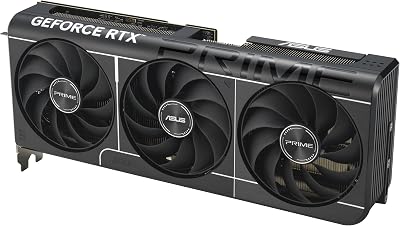
- 5. ASUS Prime GeForce RTX 5070 12GB SFF-Ready Graphics Card
- 6. MSI Gaming GeForce RTX 3060 12GB GDDR6 Twin Fan
- How to Choose a GPU for Graphic Design
- Related Guides
- Frequently Asked Questions
- Related Guides
- Related Articles
- Related Guides
Top Gpus Graphic Design Picks for 2026
Here are our current top gpus graphic design picks, compared on real Amazon owner reviews, price, and features. Live prices update below.
As an Amazon Associate we earn from qualifying purchases at no extra cost to you.






Top Rated
ASRock Intel Arc B580 Challenger 12GB OC Graphics Card, Intel Xe2-HPG, 12GB GDDR6, PCIe 4.0, Dual Fans, 0dB Silent, LED Indicator, DisplayPort 2.1, HDMI 2.1a
View on Amazon.com


Graphic design asks different things of a GPU than gaming does. Instead of chasing the highest frame rate, designers care about VRAM capacity for large canvases, layered files and multiple high-resolution documents; consistent, accurate color across the workspace; and the ability to drive several high-resolution monitors at once. This guide ranks the best GPUs for graphic design in 2026 around those creative priorities. We are upfront where it matters: a couple of these cards have smaller 8GB or 12GB frame buffers, which can become limiting on very large canvases, high-resolution multi-display setups, or heavy effects, so we flag that honestly rather than pretend every card suits every project.
Our picks were ordered for design fit first — favouring higher VRAM, strong display output and proven driver stability over gaming-only headline numbers — and we note the trade-offs of the lower-VRAM options plainly. The list mixes NVIDIA GeForce and AMD Radeon cards with frame buffers from 8GB up to 16GB and prices from around $399 to around $1,070. We describe each by its suitability for design work rather than inventing benchmark figures. Below is an at-a-glance comparison, then a closer look at each card and a buyer’s guide built around VRAM, color and multi-monitor support — the things that genuinely matter for a design workstation.
Best GPUs for Graphic Design at a Glance
| GPU | Best For | Standout Spec | Approx Price |
|---|---|---|---|
| ASUS TUF RTX 5070 Ti OC 16GB | Large canvases + heavy effects | 16GB GDDR7, top VRAM + output | around $1,070 |
| GIGABYTE Radeon RX 9060 XT Gaming OC 16G | 16GB value for design | 16GB GDDR6, PCIe 5.0 | around $460 |
| Gigabyte Radeon RX 9060 XT Gaming OC 16G (alt) | 16GB value, alternate SKU | 16GB GDDR6, 128-bit | around $460 |
| ASUS TUF RTX 3070 Ti OC 8GB | Strong GPU, watch the 8GB | Fast core, 8GB GDDR6X | around $759 |
| ASUS Prime RTX 5070 12GB (SFF) | Compact build, 12GB middle ground | 12GB GDDR7, SFF-ready | around $642 |
| MSI RTX 3060 12GB Twin Fan | Budget design with healthy VRAM | 12GB GDDR6, value pick | around $399 |
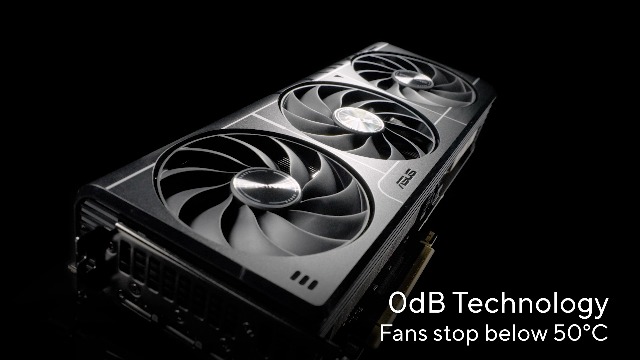
1. ASUS TUF Gaming GeForce RTX 5070 Ti 16GB GDDR7 OC Edition

41
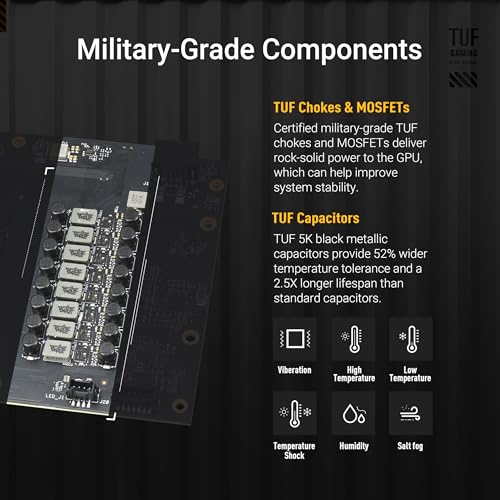
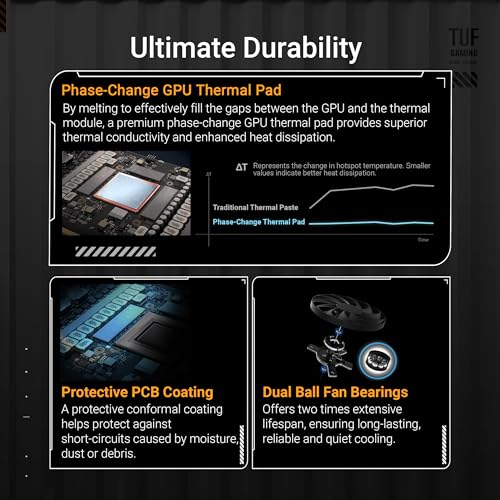
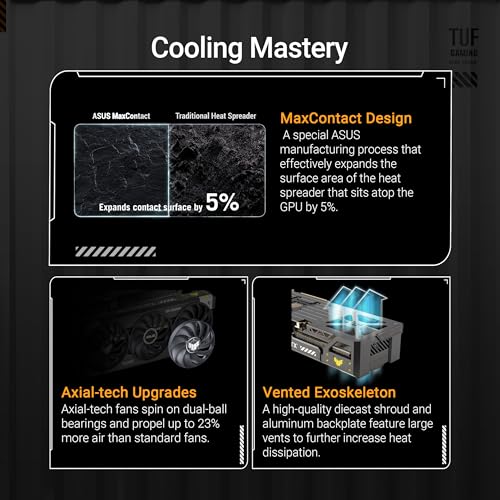
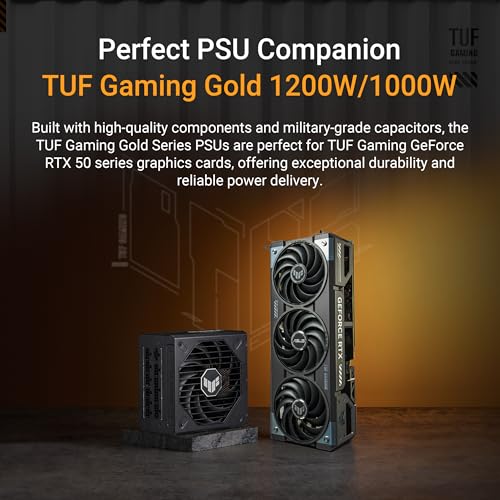
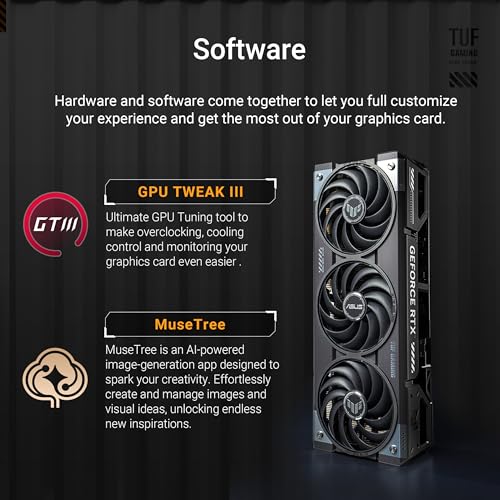
ASUS TUF GeForce RTX™ 5070 Ti 16GB GDDR7 OC Edition Graphics Card, NVIDIA, Desktop (PCIe® 5.0, HDMI®/DP 2.1, 3.125-Slot, Military-Grade Components, Protective PCB Coating, Axial-tech Fans)
In Stock


As an Amazon Associate we earn from qualifying purchases. Product prices and availability are accurate as of the date/time indicated.
The ASUS TUF RTX 5070 Ti leads this design-focused ranking because it pairs the largest, fastest frame buffer here — 16GB of GDDR7 — with strong display output and a robust cooler. For graphic design, that generous VRAM is the headline: it gives you room for very large canvases, deeply layered files, high-resolution documents and multiple displays without running short. At around $1,070 it is the premium pick, and the capability is why it tops the list.
This is the card for the professional or serious creator whose projects are large and demanding — big print resolutions, complex compositions, GPU-accelerated effects, and several high-resolution monitors at once. The 16GB of fast GDDR7 keeps heavy files responsive, the modern architecture accelerates creative apps that lean on the GPU, and the TUF build runs cool and quiet for long sessions. It is overkill for simple layouts, but for a design workstation that must not stall on big work, the 5070 Ti is the standout.
Pros: Largest 16GB GDDR7 buffer here, strong multi-monitor output, robust cooling, accelerates creative apps.
Cons: Highest price by far; more capability than light design work needs.
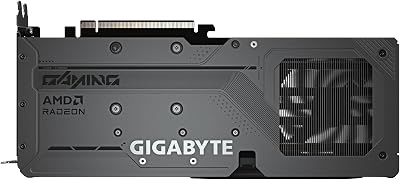
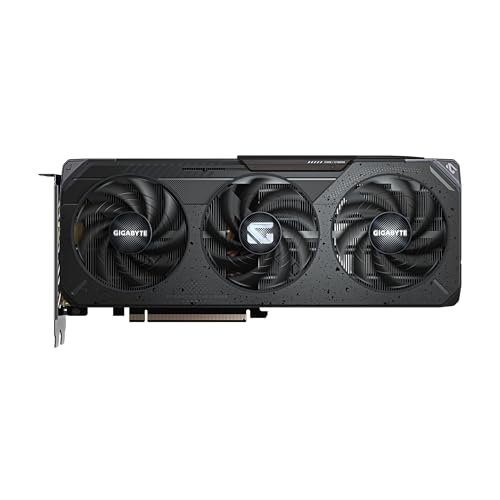
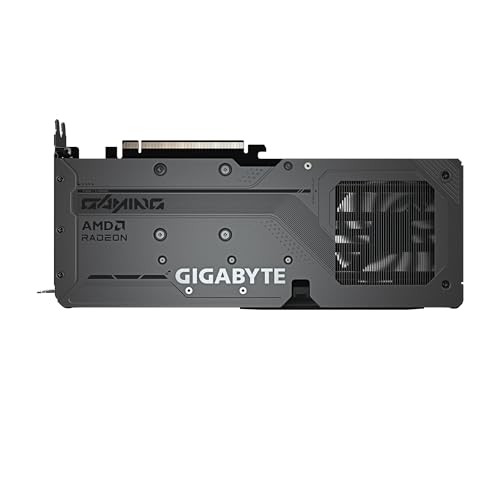
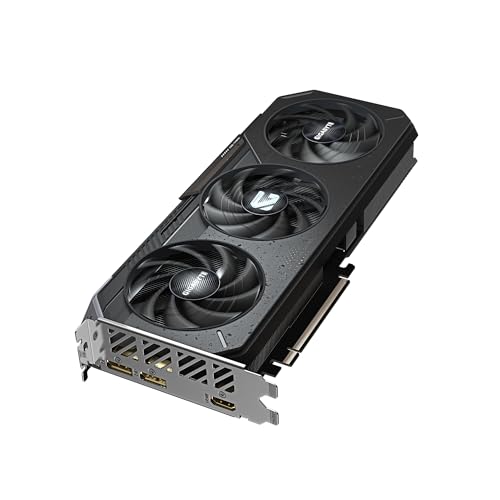
2. GIGABYTE Radeon RX 9060 XT Gaming OC 16G
24
Prime
GIGABYTE Radeon RX 9060 XT Gaming OC 16G Graphics Card, PCIe 5.0, 16GB GDDR6, GV-R9060XTGAMING OC-16GD Video Card
In Stock




As an Amazon Associate we earn from qualifying purchases. Product prices and availability are accurate as of the date/time indicated.
The GIGABYTE Radeon RX 9060 XT is the value pick that gets the most important design spec right: 16GB of VRAM. That large frame buffer, paired with a modern PCIe 5.0 design, means it comfortably handles big canvases, layered documents and multi-monitor setups that would pressure an 8GB card. At around $460 it delivers the capacity designers actually need at a fraction of the flagship price.
This is the pick for the designer who has learned that VRAM matters more than raw gaming speed and wants that capacity affordably. The 16GB buffer gives real headroom for large files and several displays, the card drives multi-monitor workspaces well, and the Gaming OC cooler keeps it composed under sustained creative load. For most photo, vector and layout work — and even fairly heavy projects — this 16GB Radeon offers the smartest balance of capacity and cost on the list.
Pros: 16GB VRAM at a great price, PCIe 5.0, capable multi-monitor support, strong value for design.
Cons: Memory bus is narrower than premium cards; not a flagship for the heaviest 3D.
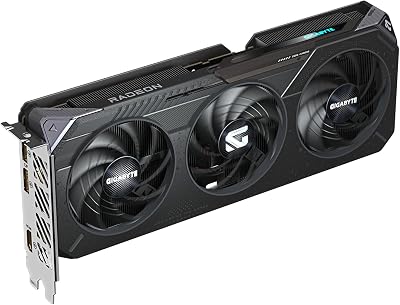
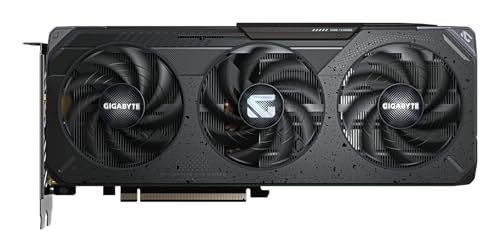
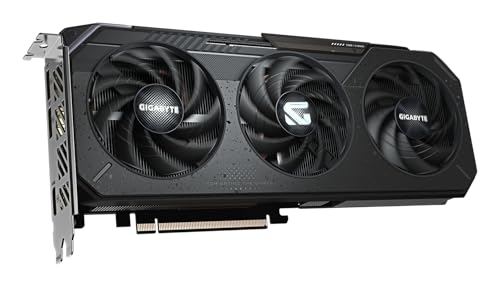
3. Gigabyte Radeon RX 9060 XT Gaming OC 16G (16GB, 128-bit, PCIe 5.0)

15
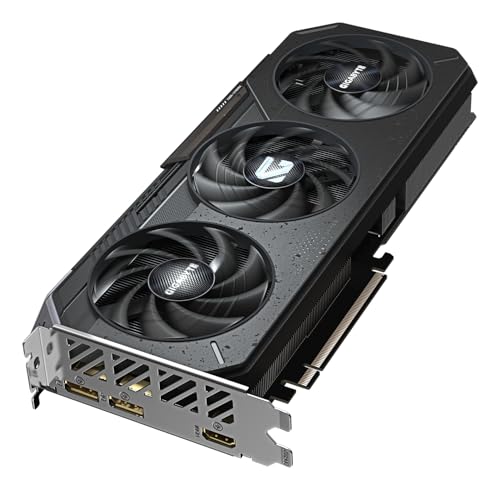
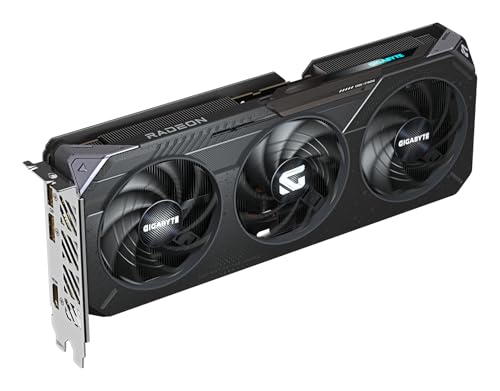
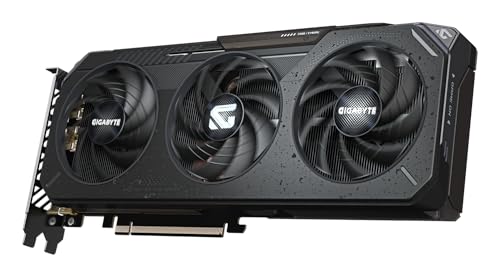
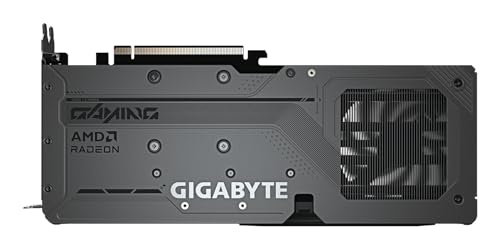
Gigabyte Radeon RX 9060 XT Gaming OC 16G Graphics Card – 16GB GDDR6, 128bit, PCI-E 5.0, 3320 MHz Core Clock, 2 x DisplayPort, 1 x HDMI, GV-R9060XTGAMING OC-16GD
In Stock




As an Amazon Associate we earn from qualifying purchases. Product prices and availability are accurate as of the date/time indicated.
This Gigabyte Radeon RX 9060 XT is an alternate SKU of the same value-and-VRAM proposition, again built around a 16GB GDDR6 frame buffer on a 128-bit bus with PCIe 5.0. For graphic design the takeaway is identical: plenty of memory for large canvases, layered files and multiple monitors, at a price — around $460 — that keeps a capable design build affordable.
This is the pick for the same value-minded designer, useful when this particular version is in stock or better priced than its sibling. The 16GB of VRAM is the reason to choose it over 8GB cards, giving headroom for demanding documents and multi-display work, while the Gaming OC cooling handles long creative sessions. The 128-bit memory bus is worth noting for the very heaviest workloads, but for the photo, vector and layout tasks most designers run daily, this 16GB Radeon is a well-judged, cost-effective choice.
Pros: 16GB VRAM for the money, PCIe 5.0, solid multi-monitor design card, good value alternate SKU.
Cons: 128-bit bus limits the very heaviest 3D/effects; essentially a sibling SKU.
4. ASUS TUF Gaming GeForce RTX 3070 Ti OC Edition (8GB GDDR6X)

21
Prime
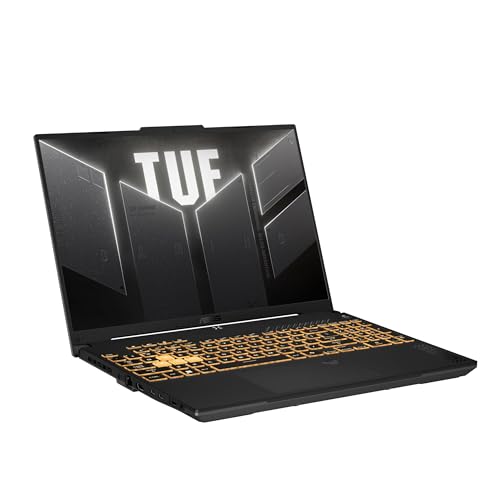
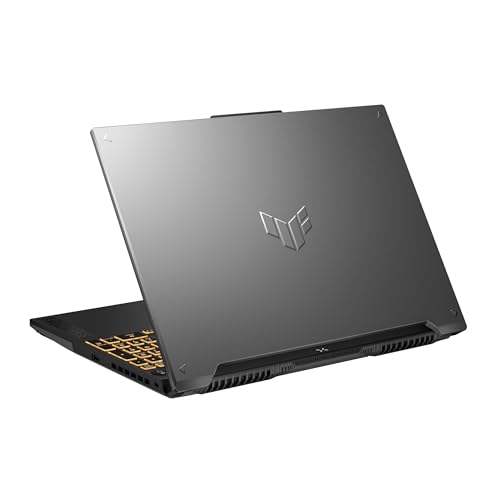
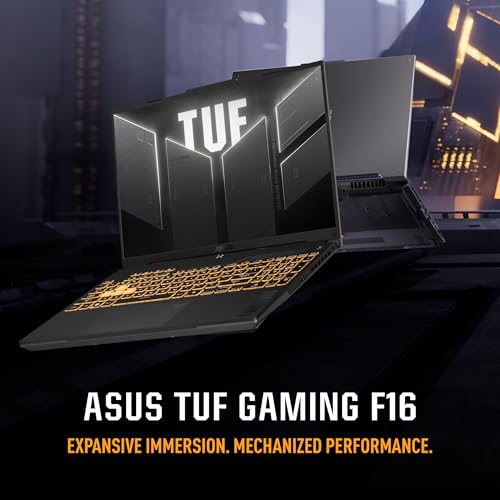
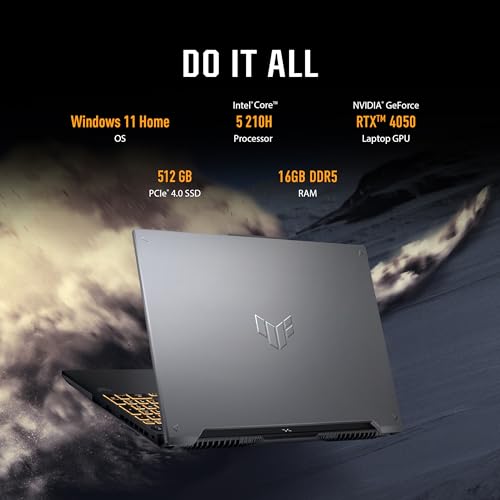
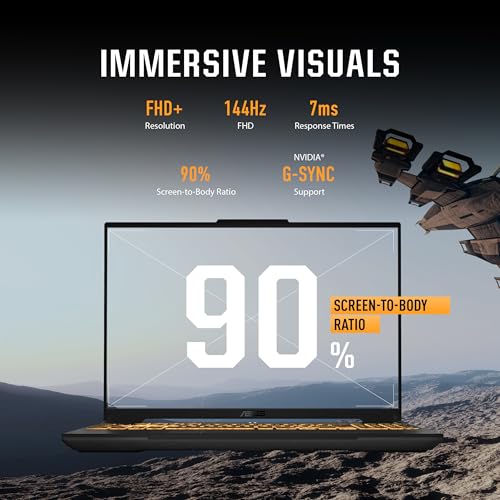
ASUS TUF Gaming F16 Gaming Laptop, 16” FHD+ 144Hz IPS-Level 16:10 Display, Intel® Core™ 5 210H, NVIDIA® GeForce RTX™ 4050, 16GB DDR5, 512GB PCIe Gen4 SSD, Wi-Fi 6, Win11 Home, FX607VU-SS53
In Stock



As an Amazon Associate we earn from qualifying purchases. Product prices and availability are accurate as of the date/time indicated.
The ASUS TUF RTX 3070 Ti is a genuinely fast, well-built GPU — but for graphic design it comes with an honest asterisk: it has only 8GB of VRAM. The core is powerful and the GDDR6X memory is quick, so it accelerates creative apps capably, yet that 8GB buffer is the smallest practical capacity here and can become a limiting factor on very large canvases, high-resolution multi-monitor setups or heavy GPU effects. At around $759 you are paying largely for a strong core rather than design-friendly memory.
This is the card for the creator whose work also includes gaming or GPU compute and whose design files are moderate in size, where 8GB is sufficient. The fast core and GDDR6X make everyday creative tasks snappy and it drives multiple monitors fine. But if your canvases are large, your documents heavily layered, or you run several high-resolution displays, the 8GB ceiling is a real constraint — one of the 16GB cards above would serve a design-first workstation better. Choose this for raw speed with modest files, not for maximum VRAM headroom.
Pros: Fast core, quick GDDR6X, capable for moderate design files and multi-monitor use.
Cons: Only 8GB VRAM — limiting for large canvases, high-res multi-display or heavy effects.
5. ASUS Prime GeForce RTX 5070 12GB SFF-Ready Graphics Card
40
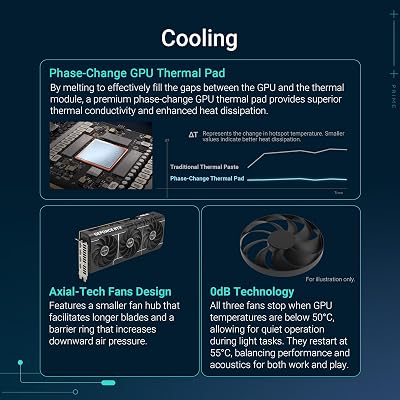
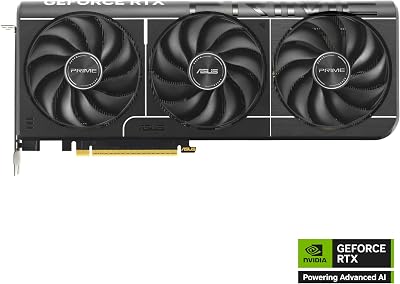
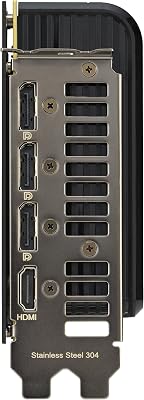
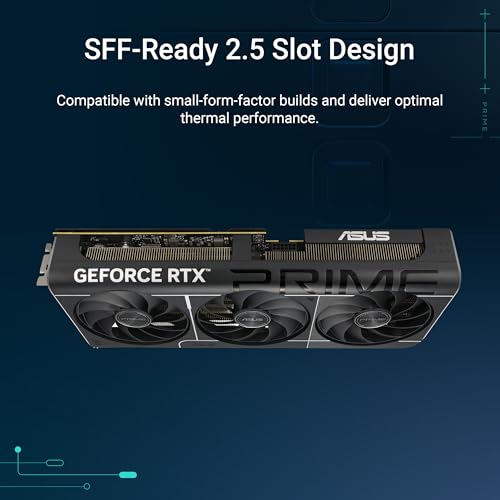
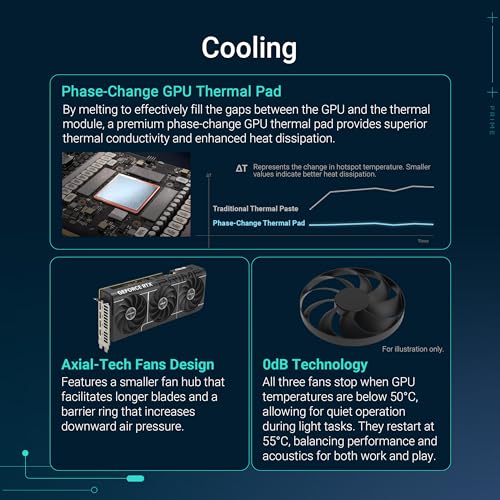
ASUS The SFF-Ready Prime GeForce RTX™ 5070 Graphics Card, NVIDIA (PCIe® 5.0, 12GB GDDR7, HDMI®/DP 2.1, 2.5-Slot, Axial-tech Fans, Dual BIOS)
In Stock









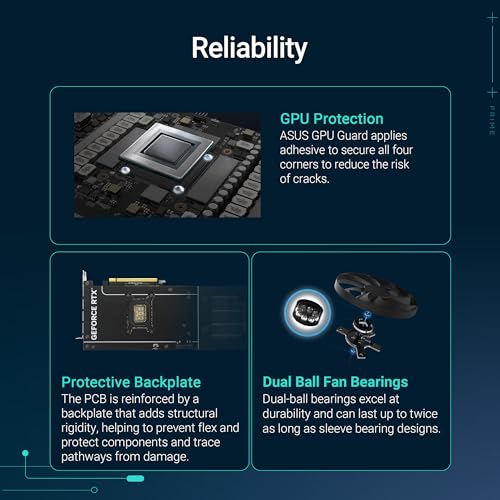
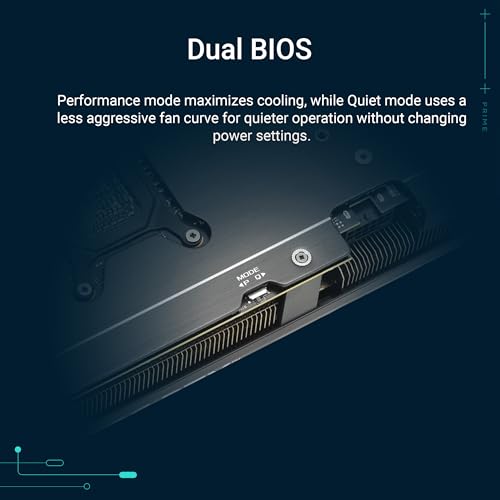
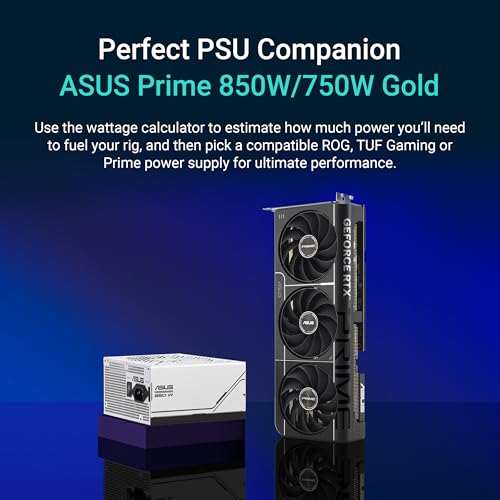
As an Amazon Associate we earn from qualifying purchases. Product prices and availability are accurate as of the date/time indicated.
The ASUS Prime RTX 5070 is the compact-build pick and a sensible middle ground on memory, with 12GB of fast GDDR7. For graphic design that 12GB sits comfortably between the constrained 8GB cards and the roomy 16GB options — enough for most large documents and multi-monitor work, with the modern architecture accelerating creative apps. Its SFF-ready design also makes it a strong choice for small-form-factor workstations. At around $642 it is a balanced option.
This is the pick for the designer building a compact or space-limited workstation who still wants healthy VRAM and modern performance. The 12GB buffer handles sizeable canvases and layered files well and drives several displays, the GDDR7 memory keeps things quick, and the SFF-ready dimensions fit where a full-size flagship will not. It is not the maximum-VRAM choice — very large or effect-heavy projects benefit from 16GB — but as a quick, compact, 12GB design card it strikes a thoughtful balance.
Pros: 12GB GDDR7 middle-ground capacity, SFF-ready for compact builds, modern architecture, drives multiple displays.
Cons: 12GB sits below the 16GB cards for the very largest canvases and heavy effects.
6. MSI Gaming GeForce RTX 3060 12GB GDDR6 Twin Fan

msi Katana 15 15.6” 165Hz QHD Gaming Laptop: Intel Core i7-13620H, NVIDIA Geforce RTX 4070, 16GB DDR5, 1TB NVMe SSD, Cooler Boost 5, Win 11: Black B13VGK-2000US
In Stock
As an Amazon Associate we earn from qualifying purchases. Product prices and availability are accurate as of the date/time indicated.
Rounding out the list is the MSI RTX 3060 12GB, the budget pick that earns its place with a surprisingly healthy 12GB of VRAM. For graphic design that capacity is the key point: despite being the cheapest card here at around $399, its 12GB frame buffer actually exceeds the pricier 8GB RTX 3070 Ti, giving it genuine headroom for large canvases, layered files and multi-monitor work that an entry card would struggle with.
This is the pick for the designer on a budget who refuses to be VRAM-starved. The 12GB buffer comfortably handles sizeable documents and several displays, the dual-fan MSI cooler keeps it quiet under creative load, and the card accelerates mainstream creative apps well. It is not the fastest core on the list, so the heaviest 3D or effects work belongs to pricier cards, but for photo, vector and layout work where memory capacity matters more than raw speed, the 12GB RTX 3060 is outstanding value and a smart entry to a capable design build.
Pros: Lowest price here with 12GB VRAM, generous memory for the money, quiet dual-fan cooler, multi-monitor capable.
Cons: Slower core than the pricier cards; best for mainstream rather than heavy 3D work.
How to Choose a GPU for Graphic Design
For graphic design, put VRAM at the top of your list — it is the single spec that most often decides whether your workflow stays smooth or stalls. Large canvases, deeply layered files, high-resolution documents and multi-monitor setups all consume video memory, so a generous frame buffer keeps everything responsive. This is exactly why the 16GB Radeon RX 9060 XT cards and the 16GB RTX 5070 Ti top the list, and why even the budget RTX 3060’s 12GB makes it a smarter design buy than the faster-but-8GB RTX 3070 Ti for large work. Be wary of 8GB cards if your projects are big.
Color accuracy and display output come next, because design lives or dies on what you actually see. A capable GPU drives multiple high-resolution monitors at full refresh and bit depth, which matters when you spread tools, references and a canvas across several screens — and pairs with a color-accurate monitor to keep your work true. All the cards here can run multi-monitor setups; the higher-VRAM, higher-output models simply do it with more headroom for high-resolution displays. Match the card’s output capability to how many screens you actually run.
Weigh the creative workload honestly, then size the card to it. Mainstream photo, vector and layout work is comfortably served by a 12GB card like the RTX 3060 or RTX 5070; very large canvases, heavy GPU-accelerated effects, or 3D-adjacent work reward 16GB cards like the 9060 XT or 5070 Ti. The RTX 3070 Ti has a strong core but its 8GB buffer is the constraint to watch — choose it only if your files are moderate or you also game. Buy capacity for the projects you actually run, not the ones you imagine.
Finally, factor in your platform, your case and your budget. The newer cards use PCIe 5.0 and modern memory, the ASUS Prime RTX 5070 is SFF-ready for compact builds where a full-size flagship will not fit, and prices here span from around $399 to around $1,070 — a wide range that maps neatly to how demanding your work is. Set your budget, prioritise VRAM for your canvas sizes, confirm the card fits your case and drives your displays, and pick the GPU on this list that matches your design workload. For design, memory headroom beats headline frame rates every time.
Frequently Asked Questions
How much VRAM do I need for graphic design?
More than you might think, because large canvases, layered files, high-resolution documents and multi-monitor setups all consume video memory. For mainstream photo, vector and layout work, 12GB — as on the RTX 3060 or RTX 5070 — is a comfortable baseline. For very large canvases, heavy effects or demanding multi-display work, step up to a 16GB card like the Radeon RX 9060 XT or RTX 5070 Ti. Treat 8GB as a potential limit for big projects.
Is the 8GB RTX 3070 Ti a bad choice for design?
Not bad, but be aware of the trade-off. The RTX 3070 Ti has a fast core and quick GDDR6X memory, so it accelerates creative apps well and is fine for moderate file sizes. Its 8GB VRAM, however, is the smallest here and can become a real constraint on very large canvases, high-resolution multi-monitor setups or heavy GPU effects. If your work is large, one of the 12GB or 16GB cards is a better design-first choice.
Do I need an NVIDIA or AMD GPU for design work?
Both work well for graphic design — the list deliberately includes NVIDIA GeForce and AMD Radeon options. What matters more than the brand is VRAM capacity, color-accurate multi-monitor output and driver stability. The 16GB Radeon RX 9060 XT and the NVIDIA RTX cards all drive multi-display creative workspaces capably; choose based on the memory capacity your canvases need and your budget rather than the badge.
Can a budget GPU handle graphic design?
Yes, if it has enough VRAM. The MSI RTX 3060 12GB is the budget standout here precisely because its 12GB frame buffer gives real headroom for large documents and multi-monitor work — more, in fact, than the pricier 8GB RTX 3070 Ti. Its core is slower, so the heaviest 3D or effects work is better suited to pricier cards, but for mainstream photo, vector and layout design it is excellent value.
Related Guides
- Best GPUs for Your Build
- Best GPUs for Video Editing
- Best Monitors for Content Creation
- Best 4K Monitors
- Best Workstation CPUs
- Best Budget Gaming Setup
Affiliate Disclosure: As an Amazon Associate, we earn from qualifying purchases. If you click a link and make a purchase, we may earn a small commission at no extra cost to you. Prices and availability are accurate as of publication and may change.