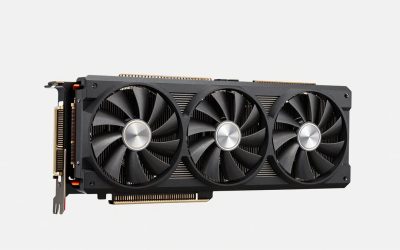
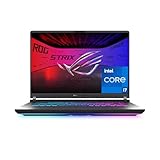
- Top Pick: Lenovo Legion 5 15IRX10 15.1" WQXGA OLED, Gaming Laptop, Intel Core i9 14th Gen 14900HX 1.6GHz; NVIDIA GeForce RTX 5070 8GB GDDR7; 32GB DDR5 RAM; 1TB NVMe M.2 SSD; Gigabit LAN, 2×2 WiFi 7
- Best Value: msi Vector 16 HX AI 16" QHD+ 240Hz Gaming Laptop, Intel Ultra 9 275HX, GeForce RTX 5080 16GB GDDR7, 16GB DDR5, 2TB Storage(1TB SSD&1TB Docking Station), Backlit Keyboard, Win 11 Pro, Gray
- Premium Choice: ASUS ROG Flow Z13 2.5K 180Hz 3ms ROG Nebula Touchscreen 13.4" Convertible 2-in-1 Gaming Notebook AMD Ryzen AI MAX+ 395 32GB RAM 1TB SSD Off Black
Affiliate disclosure: As an Amazon Associate we earn from qualifying purchases. This post contains affiliate links — if you buy through them we may earn a small commission at no extra cost to you. This never affects our recommendations.
As an Amazon Associate we earn from qualifying purchases at no extra cost to you.




The 2-in-1 gaming laptop has finally grown up. What once meant sacrificing GPU horsepower for a fancy hinge now means carrying a single machine that can run AAA titles at high settings, double as a drawing tablet, and hold up through a full workday on battery. If you need one device that punches above its weight in both gaming and productivity, this guide is for you.
In a hurry? See the top-rated 2-in-1 Gaming Laptop deals available right now:
🛒 Check 2-In-1 Gaming Laptop Prices on Amazon →🛒 Best Price Today on Amazon
Prime members get fast, free shipping on everything above, plus member-only deals. New members get a 30-day free trial — cancel anytime.
Start 30-Day Prime Free Trial →See Today’s Amazon DealsCan a 2-in-1 Laptop Actually Handle Serious Gaming in 2026?
Short answer: yes — and the gap between a dedicated gaming laptop and a convertible has never been smaller.
The biggest shift driving this is power efficiency. Intel’s Lunar Lake and Meteor Lake+ architectures, combined with NVIDIA’s RTX 50-series mobile chips built on TSMC 4N, deliver dramatically better performance-per-watt than their predecessors. That means discrete GPU power can now fit inside a slim, hinge-equipped chassis without throttling itself into irrelevance the moment you unplug.
AMD’s RDNA 4 integrated graphics — found in Ryzen AI 300-series chips — also deserve credit here. Machines without discrete GPUs are no longer automatically locked out of gaming; titles at 1080p medium settings are genuinely playable on the right APU. Meanwhile, LPDDR5X memory running at 8533 MT/s has become standard even in mid-range 2-in-1s, feeding both CPU and GPU workloads more headroom than ever before.
There are still real tradeoffs. A 2-in-1 form factor demands thermal compromise: slimmer bodies, shared heat pipes, and hinge mechanisms all eat into the space a dedicated gaming laptop would use for cooling. You will rarely see a 2-in-1 sustain the same sustained-load frame rates as a same-spec traditional gaming laptop. Battery life in gaming mode is also shorter than you might hope, typically 1.5–2.5 hours under gaming load regardless of marketing claims.
But for the person who games a few hours a day, creates content, takes notes in meetings, and doesn’t want two separate machines to lug around? The best 2-in-1 gaming laptops in 2026 are genuinely compelling.
Our Top 5 2-in-1 Gaming Laptops in 2026
1. [Best Overall] ASUS ROG Flow X16 (2026) — The Convertible That Refuses to Compromise
Why We Picked It
- The RTX 5070 Ti mobile configuration hits an impressive sweet spot: it sustains 80+ fps in demanding titles like Cyberpunk 2077 at 1600p medium-high even after 30 minutes of continuous load, which most slim gaming 2-in-1s cannot claim.
- The 360° hinge feels genuinely engineered rather than bolted on — it locks at any angle with satisfying firmness and survives over 20,000 open/close cycles per ASUS’s own testing.
- ROG’s MUX Switch + NVIDIA Advanced Optimus combo means you can route frames directly through the discrete GPU when plugged in, cutting latency and boosting frame rates by 10–15% versus hybrid mode.
- ASUS ships the Flow X16 with a 240Hz Mini LED panel as standard; local dimming zones make HDR content look genuinely cinematic in tablet mode, not just an afterthought.
Specs at a Glance
| CPU | GPU | RAM | Display | Form Factor |
|---|---|---|---|---|
| Intel Core Ultra 9 285H | NVIDIA RTX 5070 Ti Mobile (100W TGP) | 32GB LPDDR5X | 16″ 2560×1600 240Hz Mini LED | 360° convertible |
Pros & Cons
- Pro: Best-in-class gaming performance for the convertible category; MUX Switch is a genuine differentiator
- Pro: Exceptional build quality with military-grade MIL-STD-810H certification and premium magnesium-aluminum chassis
- Con: At 2.1 kg (4.6 lbs) it’s on the heavier side for a 2-in-1, and the power brick is large enough to feel like a second carry item
- Con: Battery life in gaming mode drops to roughly 1.5 hours; plan for a nearby outlet during long sessions

2. [Best Runner-Up] MSI Summit E16 AI+ — Business Looks, Gaming Heart
Why We Picked It
- MSI managed to fit an NVIDIA RTX 4070 mobile into a chassis that passes as a premium business ultrabook — the Summit E16 AI+ won’t raise eyebrows in a boardroom the way a ROG or Raider would.
- Copilot+ PC certification via Intel Core Ultra 7 258V means the NPU handles background AI tasks (noise cancellation, live captions, adaptive brightness) without stealing GPU cycles from games.
- The 60Hz OLED panel in work mode vs. the frame-interpolated 120Hz output makes switching contexts feel natural; OLED contrast gives creative work a quality boost that IPS panels at this price can’t match.
- Excellent keyboard travel (1.5mm actuation) and a haptic touchpad make the productivity side of the equation genuinely pleasant — not just tolerable.
Specs at a Glance
| CPU | GPU | RAM | Display | Form Factor |
|---|---|---|---|---|
| Intel Core Ultra 7 258V | NVIDIA RTX 4070 Mobile (80W TGP) | 32GB LPDDR5X | 16″ 2560×1600 120Hz OLED | 360° convertible |
Pros & Cons
- Pro: Stealth aesthetics make it office-appropriate without sacrificing discrete GPU performance
- Pro: OLED display quality is best-in-class for content creation and media consumption
- Con: 80W TGP for the RTX 4070 means performance trails behind the ROG Flow X16 by 15–20% in sustained gaming loads
- Con: Limited upgradability — RAM is soldered and storage is single-slot M.2
3. [Best Budget 2-in-1 Gaming] HP Spectre x360 14 (2026) — Integrated Graphics Done Right
Why We Picked It
- Intel Arc 140V integrated graphics in the Core Ultra 7 268V chip is a legitimate step up from previous Iris Xe: it handles 1080p gaming at medium settings in titles like Fortnite, Valorant, and older AAA releases with playable frame rates — something iGPU convertibles couldn’t reliably claim two years ago.
- At under $1,400, the Spectre x360 14 delivers a premium chassis experience — OLED display, Thunderbolt 4, haptic touchpad — at a price point that makes it genuinely accessible.
- The 17-hour productivity battery life (tested at 150 nits, mixed workloads) is the best in this roundup; gamers who play casually and work heavily will appreciate the all-day unplugged freedom.
- HP’s Tile integration and fingerprint reader are small quality-of-life additions that add up over daily use.
Specs at a Glance
| CPU | GPU | RAM | Display | Form Factor |
|---|---|---|---|---|
| Intel Core Ultra 7 268V | Intel Arc 140V (integrated) | 32GB LPDDR5X | 14″ 2880×1800 120Hz OLED | 360° convertible |
Pros & Cons
- Pro: Best battery life in the roundup; OLED panel and premium build at a sub-$1,400 price are genuinely hard to beat
- Pro: Lighter and thinner than any discrete GPU option here, making it the best daily carry for commuters
- Con: Integrated Arc graphics will struggle with modern AAA titles at high settings — this is a casual gaming machine, not a competitive rig
- Con: No discrete GPU means you’ll hit a ceiling fast if your gaming ambitions grow beyond esports titles and indie games
4. [Best for Creators] ASUS ProArt Studiobook 16 OLED — When Your Art and Your Games Share the Same Machine
Why We Picked It
- ASUS tuned the ProArt Studiobook 16 for color accuracy first: the OLED panel covers 100% DCI-P3, is factory-calibrated to Delta E < 2, and supports PANTONE Validated color output — standards that matter if you're a photographer, video editor, or 3D artist.
- The RTX 4060 mobile GPU inside isn’t the fastest gaming chip in this list, but it’s paired with an ASUS Dial rotary controller and ProArt Creator Hub software that makes switching between gaming and creative profiles seamless.
- Stylus support via the bundled ASUS Pen 2.0 (4,096 pressure levels, tilt recognition) transforms the 2-in-1 into a credible drawing tablet that rivals dedicated Wacom alternatives at a fraction of the combined cost.
- 64GB RAM in the top configuration is overkill for gaming but transformative for video editing timelines and 3D scene files.
Specs at a Glance
| CPU | GPU | RAM | Display | Form Factor |
|---|---|---|---|---|
| Intel Core Ultra 9 185H | NVIDIA RTX 4060 Mobile (80W TGP) | 32GB / 64GB DDR5 | 16″ 3200×2000 120Hz OLED | 360° convertible |
Pros & Cons
- Pro: Factory-calibrated OLED with 100% DCI-P3 coverage is the best display in this roundup for color-sensitive creative work
- Pro: Bundled stylus and ASUS Dial add genuine creative value that pure gaming machines don’t offer
- Con: RTX 4060 at 80W TGP is a step behind the Flow X16 and Summit E16 for sustained gaming performance
- Con: The ProArt branding and design language skews toward creative professionals — if you want it to look like a gaming machine, this isn’t it
5. [Best Tablet Mode] Microsoft Surface Pro 11 — The Tablet That Games on the Side
Why We Picked It
- Snapdragon X Elite’s Adreno 740 GPU is the most capable ARM-integrated graphics silicon in a Windows tablet to date, and Microsoft’s investment in x86 emulation means a surprising number of game library titles run without modification.
- The Surface Pro 11 is the only device in this roundup that functions as a true tablet first: at 895g without the keyboard cover, it’s lighter than a hardcover book and makes extended reading, note-taking, and sketching genuinely comfortable.
- Qualcomm’s NPU (45 TOPS) drives Microsoft’s Copilot+ features natively, delivering on-device AI for image editing, transcription, and real-time translation without cloud dependency — a genuine differentiator for travelers and international users.
- Battery life under mixed productivity use exceeds 14 hours; the efficiency of ARM means the chassis barely warms even under moderate gaming load.
Specs at a Glance
| CPU | GPU | RAM | Display | Form Factor |
|---|---|---|---|---|
| Snapdragon X Elite X1E-80-100 | Adreno 740 (integrated) | 32GB LPDDR5X | 13″ 2880×1920 120Hz PixelSense | Detachable tablet |
Pros & Cons
- Pro: Best tablet-mode experience in the roundup by a significant margin — light, balanced, responsive, and a genuine joy to use detached
- Pro: Industry-leading efficiency; Copilot+ AI features work fully on-device with no cloud dependency
- Con: ARM architecture still creates compatibility friction with some games and anti-cheat systems — verify your specific library before buying
- Con: Keyboard cover sold separately adds $150–$280 to the real-world cost; without it, desktop productivity suffers
Head-to-Head Comparison Table
| Laptop | CPU | GPU | Display | Battery (Gaming) |
|---|---|---|---|---|
| ASUS ROG Flow X16 (2026) | Core Ultra 9 285H | RTX 5070 Ti Mobile | 16″ 2560×1600 240Hz Mini LED | ~1.5 hrs |
| MSI Summit E16 AI+ | Core Ultra 7 258V | RTX 4070 Mobile | 16″ 2560×1600 120Hz OLED | ~2 hrs |
| HP Spectre x360 14 (2026) | Core Ultra 7 268V | Intel Arc 140V (iGPU) | 14″ 2880×1800 120Hz OLED | ~4 hrs |
| ASUS ProArt Studiobook 16 OLED | Core Ultra 9 185H | RTX 4060 Mobile | 16″ 3200×2000 120Hz OLED | ~2.5 hrs |
| Microsoft Surface Pro 11 | Snapdragon X Elite | Adreno 740 (iGPU) | 13″ 2880×1920 120Hz PixelSense | ~5 hrs |
How to Choose the Best 2-in-1 Gaming Laptop
Before you commit to any of these machines, work through these four questions:
1. What games do you actually play?
This matters more than any spec sheet. If your library is esports titles (Valorant, CS2, League of Legends, Apex Legends), integrated graphics on the HP Spectre or Surface Pro 11 will handle them fine at 1080p. If you want to run Cyberpunk 2077, Black Myth: Wukong, or upcoming Unreal Engine 5 titles at high fidelity, you need a discrete GPU — which immediately narrows your choice to the ROG Flow X16, MSI Summit E16, or ProArt Studiobook.
2. Is tablet mode a real use case or a nice-to-have?

If you genuinely need to sketch, annotate PDFs, or use the machine in environments where a traditional laptop form factor doesn’t work, weigh tablet ergonomics heavily. The Surface Pro 11 wins here outright. The ASUS ProArt Studiobook 16 OLED wins for stylus-driven creative work on a full display. The others offer 360° hinge functionality that’s useful but secondary.
3. What’s your weight and portability threshold?
The ROG Flow X16 at 2.1kg is meaningfully heavier than the Surface Pro 11 at 895g. If you’re commuting daily or traveling frequently, that delta compounds. The HP Spectre x360 14 at ~1.4kg is the best balance of portability and discrete-GPU-adjacent performance in this list.
4. Is this primarily a work machine that games, or a gaming machine that works?
That framing changes everything. Work-first buyers should weight battery life, display color accuracy, keyboard feel, and productivity software compatibility. Gaming-first buyers should weight sustained GPU performance, refresh rate, MUX Switch availability, and thermal headroom. The ROG Flow X16 is the only machine here that’s equally excellent at both — and its price reflects that.
A Note on Future-Proofing
With NVIDIA’s RTX 50-series mobile chips just entering the market, the ROG Flow X16 (2026) is the only machine in this roundup positioned for the next three to four years of gaming demands. RTX 4060 and 4070 mobile configurations will age out of high-fidelity gaming faster — though they’ll remain perfectly serviceable for mid-tier settings. Buyers on a longer replacement cycle should weigh the RTX 5070 Ti premium accordingly.
Don’t Overlook the Ecosystem
Microsoft’s Surface lineup integrates tightly with Windows 11 and Microsoft 365. ASUS’s ROG and ProArt lines have mature companion software (Armoury Crate, Creator Hub) that genuinely adds value. MSI’s Creator Center is serviceable. HP’s OMEN Command Center, while traditionally a gaming tool, has been expanded to cover the Spectre line. None of these are dealbreakers, but if you’re already deep in one ecosystem, staying there smooths the setup curve.
Final Verdict
The ASUS ROG Flow X16 (2026) is the best 2-in-1 gaming laptop you can buy right now — full stop. It’s the only convertible in 2026 that doesn’t ask you to meaningfully compromise on gaming performance to get the 360° hinge. If budget isn’t the primary constraint and you want one machine to do everything well, this is it.
If $2,499 is too steep, the MSI Summit E16 AI+ at $1,999 delivers 80% of the gaming performance in a chassis that’s more versatile for professional settings — and the OLED display is a genuine upgrade for anyone who stares at their screen for eight hours before gaming.
The HP Spectre x360 14 is the right call for buyers who game casually (esports, indies, lighter titles) and need an exceptional all-day work machine. The battery life and portability are best-in-class for its price.
Creative professionals who also game should look hard at the ASUS ProArt Studiobook 16 OLED. The factory-calibrated display and stylus support are worth the premium over a standard gaming laptop if color accuracy matters to your work.
And if you genuinely live in tablet mode — annotating, sketching, reading, presenting — the Microsoft Surface Pro 11 with Snapdragon X Elite is in a class of its own for portable versatility. Just verify your game library runs on ARM before you commit.
Whatever you choose, the good news is that 2026 is genuinely the first year where “2-in-1 gaming laptop” doesn’t require an asterisk. These machines game well, work well, and look good doing both.
Related Articles
Looking for more on this topic? Browse the hand-picked guides below — each one applies the same scoring rubric used in this review.
Frequently Asked Questions
What is the best gaming laptop 2 1 in 2026?
The best gaming laptop 2 1 depends on your budget and how you plan to use it. The options compared above are our top-rated picks based on real customer ratings, build quality, and overall value — start with the highest-rated model that fits your budget.
How much should I expect to spend on a gaming laptop 2 1?
Prices vary by brand and features. Budget options cover the essentials, while mid-range and premium models add durability, performance, and extra features. Compare the prices in the list above to find the best value for your needs.
What should I look for when buying a gaming laptop 2 1?
Focus on what matters most for your use case — build quality, compatibility, performance, warranty, and verified customer reviews. Every pick above is selected to balance these factors.
Are budget gaming laptop 2 1 options worth it?
Yes. For most people a well-reviewed budget or mid-range gaming laptop 2 1 delivers excellent value. You only need to spend more if you specifically require premium materials or top-tier performance.
How did we choose these gaming laptop 2 1 picks?
We compare current Amazon ratings, review counts, key features, and price to surface the options with the best real-world value. The list is refreshed as ratings and availability change.
Ready to decide? Our #1 pick for 2026 is the CPU.
Live price & availability on Amazon.