

- Top Pick: ASUS ROG Strix Scope II 96 Wireless Mechanical Gaming Keyboard – 96% Full-Size, Tri-Mode Connectivity, Hot Swappable Pre-lubed ROG NX Snow Linear Switches, PBT Keycaps, RGB, PC/Mac Support-Black
- Best Value: Redragon K556 PRO Wireless RGB Mechanical Gaming Keyboard, 104-Key Aluminum
- Premium Choice: Redragon K580 PRO Wireless RGB Gaming Keyboard, Macro G Keys & Media Wheel
Affiliate disclosure: As an Amazon Associate we earn from qualifying purchases. This post contains affiliate links — if you buy through them we may earn a small commission at no extra cost to you. This never affects our recommendations.
As an Amazon Associate we earn from qualifying purchases at no extra cost to you.


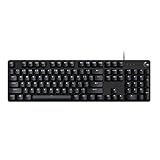

A cable snaking across your desk is a small annoyance until it isn’t — until it catches your mouse mid-swipe, tugs during a critical moment, or just ruins the clean aesthetic you spent hours building. Wireless gaming keyboards have quietly solved this problem, and in 2026 they’ve done it without meaningful compromise. Latency is imperceptible. Battery life is measured in weeks, not hours. And the switch quality rivals any wired board you’d consider.
Full-size layouts specifically are making a comeback. Gamers who also work, stream, or do data entry want their numpad back. Compact boards sacrificed too much for portability that most desk-bound users never needed. The keyboards in this guide give you every key while cutting the cord entirely.
We evaluated five of the strongest options available right now — balancing latency, battery life, build quality, software, and value — so you can pick the one that actually fits your setup.
In a hurry? See the top-rated Wireless Full-Size Gaming Keyboard deals available right now:
🛒 Check Wireless Full-Size Gaming Keyboard Prices on Amazon →🛒 Best Price Today on Amazon
Prime members get fast, free shipping on everything above, plus member-only deals. New members get a 30-day free trial — cancel anytime.
Start 30-Day Prime Free Trial →See Today’s Amazon DealsQuick Comparison Table
| Keyboard | Switch Type | Battery Life | Connectivity | RGB |
|---|---|---|---|---|
| Logitech G915 | GL Low-Profile (Tactile/Clicky/Linear) | ~40 hours | LIGHTSPEED 2.4GHz + BT | Yes |
| Keychron Q6 Pro | Gateron Pro (Hot-swap) | ~300h (no RGB) / ~4000mAh | BT 5.1 + USB-C wired | Yes |
| Corsair K100 RGB AIR | Cherry MX Speed Silver | ~100 hours | USB-C + BT 5.0 | Yes |
| Razer BlackWidow V3 Pro | Razer Green / Yellow / Orange | ~192 hours | HyperSpeed 2.4GHz + BT 5.0 | Yes |
| SteelSeries Apex Pro TKL Wireless | OmniPoint Adjustable (1–4mm) | ~200 hours | 2.4GHz + BT 5.0 | Yes |
Individual Reviews
1. Logitech G915 Wireless — The Premium Flagship
Key Specs:
- Switches: GL Tactile, GL Clicky, or GL Linear (low-profile)
- Battery: ~40 hours with RGB on
- Connectivity: LIGHTSPEED 2.4GHz wireless + Bluetooth
- Layout: Full-size (100%)
- Actuation: 1.5mm (low-profile)
- Build: Aluminum alloy top plate
The G915 is the board that proved premium wireless gaming keyboards were viable. Logitech’s LIGHTSPEED protocol delivers sub-1ms wireless response — the kind of number that exists below the threshold of human perception. In practical gaming, you will not feel a difference between this and a wired keyboard.
What makes the G915 stand out is its low-profile GL switches. At 1.5mm actuation versus the standard 4mm travel of most mechanical switches, keystrokes feel fast and effortless. The aluminum top plate gives it a premium, solid feel that justifies the price. Five onboard macro keys on the left side add utility for MMO players and streamers.
Pros:
- Best-in-class wireless latency via LIGHTSPEED
- Premium aluminum build
- Low-profile switches reduce fatigue during long sessions
- Dual wireless modes (2.4GHz + Bluetooth) for multi-device use
- G HUB software is polished and reliable
Cons:
- ~40h battery life is the shortest on this list
- Low-profile switches are not for everyone — no traditional tactile “thock”
- One of the pricier options at ~$200
- RGB drains battery significantly; turning it off extends life
Who it’s for: Competitive gamers and power users who want the absolute lowest wireless latency in a full-size form factor, and who prefer a sleek, low-profile typing experience.
2. Keychron Q6 Pro — The Enthusiast’s Wireless Board
Key Specs:
- Switches: Gateron Pro (hot-swappable, multiple options)
- Battery: 4000mAh (~300+ hours without RGB)
- Connectivity: Bluetooth 5.1 + USB-C wired
- Layout: Full-size (100%) with volume knob
- Build: CNC aluminum body
- Firmware: QMK/Via compatible
The Keychron Q6 Pro occupies a unique space: it is simultaneously a top-tier mechanical keyboard for enthusiasts and a wireless gaming board. QMK/Via support means every key, layer, and macro is remappable through open-source firmware — no proprietary software required. The CNC aluminum body feels genuinely heavy and premium, with a sound profile that enthusiasts will immediately appreciate.
The volume knob in the top-right corner is more useful than it sounds. Adjusting volume without a function layer shortcut is a small quality-of-life improvement that sticks with you. Hot-swap sockets mean you can install any 5-pin or 3-pin MX-compatible switch without soldering — the board you buy today can have completely different switches next year.
Bluetooth 5.1 supports up to three paired devices simultaneously, making this the strongest multi-device option on the list. The 4000mAh battery delivers exceptional longevity.

Pros:
- QMK/Via open-source firmware — ultimate customization
- Hot-swappable switches, no soldering required
- Massive 4000mAh battery
- Premium CNC aluminum build
- Volume knob is genuinely useful
- Gasket-mounted for better sound and typing feel
Cons:
- Bluetooth only — no 2.4GHz dongle; latency higher than LIGHTSPEED/HyperSpeed
- Heavier board (not portable-friendly)
- No dedicated gaming software ecosystem
- Not ideal for competitive gaming where sub-1ms wireless matters
Who it’s for: Enthusiasts who want a board that excels at both work and gaming, love switch customization, and prioritize build quality and open firmware over the lowest possible wireless latency.
3. Corsair K100 RGB AIR Wireless — Battery Life Meets Speed
Key Specs:
- Switches: Cherry MX Speed Silver (linear, 1.2mm actuation)
- Battery: ~100 hours (with RGB)
- Connectivity: USB-C receiver (2.4GHz) + Bluetooth 5.0
- Layout: Full-size (100%) with media controls and iCUE wheel
- Polling rate: Up to 8,000Hz (via USB-C wired)
- Build: Aircraft-grade aluminum frame
The K100 RGB AIR Wireless is Corsair’s statement that you do not have to sacrifice features for wireless. Cherry MX Speed Silver switches actuate at just 1.2mm — even faster than the G915’s GL switches — making this the fastest-actuating board on the list. For games where reaction time translates directly to keypress registration, this is a meaningful advantage.
The iCUE multimedia control wheel (borrowed from the flagship wired K100) adds smooth volume, media, and lighting control without interrupting your workflow. Corsair’s iCUE software is among the most feature-complete in the industry, supporting full per-key RGB programming, macro recording, and integration with other Corsair hardware.
At ~100 hours of battery life with RGB enabled, it strikes a strong balance between runtime and visual impact. The aircraft-grade aluminum frame feels like a tank on your desk.
Pros:
- Cherry MX Speed Silver switches: fastest actuation on this list (1.2mm)
- 100h RGB battery life — practical for weeks without charging
- iCUE multimedia wheel is genuinely premium
- Robust iCUE software ecosystem
- Aircraft-grade aluminum construction
- 8,000Hz polling via wired USB-C
Cons:
- Most expensive option at ~$230
- Cherry MX Speed is very linear — not ideal if you prefer tactile feedback
- iCUE software is feature-heavy and can feel bloated
- No hot-swap switch support
Who it’s for: Gamers who want the fastest possible switch actuation in a wireless full-size board and are already invested in the Corsair/iCUE ecosystem.
4. Razer BlackWidow V3 Pro — Endurance Champion
Key Specs:
- Switches: Razer Green (clicky), Yellow (linear), or Orange (tactile)
- Battery: ~192 hours (with RGB off); ~96 hours (RGB on low)
- Connectivity: HyperSpeed 2.4GHz + Bluetooth 5.0
- Layout: Full-size (100%)
- Polling rate: 1,000Hz wireless
- Build: Doubleshot ABS keycaps, solid plastic frame
The BlackWidow V3 Pro’s headline number is 192 hours of battery life — that is eight full days of continuous use without touching a charging cable. For gamers who forget to charge their peripherals regularly, this is transformative. Razer’s HyperSpeed protocol competes directly with LIGHTSPEED for low-latency wireless performance, with real-world testing showing near-imperceptible differences versus wired.
Three switch options cover all preference profiles. Razer Green switches have a distinctive clicky feel that loyal fans love. Yellow switches are smooth linears for fast keystrokes. Orange switches offer tactile feedback without the audible click, making them the best pick for shared spaces or streaming setups with open mics.

At ~$170, the V3 Pro is the most affordable option on this list without feeling cheap.
Pros:
- 192-hour battery life is industry-leading on this list
- HyperSpeed wireless latency is genuinely competitive
- Three switch options to suit every preference
- Best value price point at ~$170
- Razer Synapse software is mature and feature-rich
- Proven, reliable platform
Cons:
- Plastic frame feels less premium versus aluminum competitors
- Doubleshot ABS keycaps wear over time (PBT would be better)
- Synapse software can feel intrusive (cloud account required for full features)
- RGB significantly reduces battery life
Who it’s for: Gamers who want proven wireless gaming performance, long battery life, and switch choice variety without spending over $200.
5. SteelSeries Apex Pro TKL Wireless — Adjustable Switch Technology
SteelSeries Apex Pro TKL Wireless
Key Specs:
- Switches: OmniPoint Adjustable (0.1–4.0mm actuation, adjustable per key)
- Battery: ~200 hours
- Connectivity: 2.4GHz Quantum Wireless + Bluetooth 5.0
- Layout: TKL (tenkeyless — no numpad)
- OLED display: Yes (customizable smart display)
- Polling rate: 8,000Hz
Important note on layout: The Apex Pro TKL Wireless is a tenkeyless board — it does not include a numpad. SteelSeries does not currently offer a full-size (100%) wireless version of the Apex Pro. If you need a numpad and want OmniPoint switches, the wired Apex Pro full-size is available (~$200), or you can pair the TKL Wireless with a separate wireless numpad for a modular setup.
The reason it earns a place on this list: OmniPoint adjustable switches are the most technically impressive switches in any gaming keyboard, wireless or otherwise. You can set the actuation point for every single key individually — anywhere from a hair-trigger 0.1mm to a deliberate 4.0mm. FPS players often set WASD to 0.5mm for instant response and other keys to 2.0mm to prevent accidental presses. It is a genuinely game-changing feature once configured.
The OLED smart display shows Discord notifications, system stats, or custom animated content. The 200-hour battery life is exceptional for a wireless board with this feature set.
Pros:
- OmniPoint adjustable actuation is a unique, powerful advantage
- Per-key actuation point customization
- ~200-hour battery life
- OLED smart display adds real utility
- 8,000Hz polling rate for wired mode
- SteelSeries GG software is clean and fast
Cons:
- TKL only — no full-size wireless variant currently available
- Pricier than its spec sheet suggests at ~$180 for a TKL
- OLED display and software require SteelSeries GG account
- Adjustment software has a learning curve
Who it’s for: Competitive gamers who want maximum switch customization and can accept the TKL trade-off, or those building a modular desk setup.
How to Choose a Wireless Full-Size Gaming Keyboard
Switch Type
Switch choice is the most personal decision you will make. Broadly:
- Linear switches (Cherry MX Speed, Razer Yellow, GL Linear) — smooth keystroke with no tactile bump. Preferred for fast gaming input. Quieter.
- Tactile switches (Razer Orange, GL Tactile, Gateron Pro Brown) — a physical bump at actuation. Preferred by typists and gamers who want feedback without noise.
- Clicky switches (Razer Green, GL Clicky) — tactile bump plus audible click. Loved by enthusiasts; annoying to nearby people.
- Adjustable switches (OmniPoint) — set your own actuation depth per key. Highest ceiling, steepest learning curve.
If you are switching from a wired board, try to match your current switch feel rather than chasing specs.
Battery Life
Consider your charging habits honestly. If you charge peripherals weekly as part of a routine, 40 hours (G915) is perfectly fine. If you forget about charging until the keyboard dies mid-game, the 100–200 hour options (K100 AIR, BlackWidow V3 Pro, Apex Pro TKL) give you meaningful margin.

Note that RGB lighting is the biggest battery drain. Every board on this list lasts significantly longer with RGB disabled or dimmed.
Latency and Wireless Protocol
In 2026, all four 2.4GHz wireless protocols on this list (LIGHTSPEED, HyperSpeed, Quantum Wireless, Corsair’s USB-C receiver) deliver latency below 2ms — well under what any human can perceive during gameplay. Bluetooth adds slightly more latency (typically 10–30ms) and is best used for productivity or casual use, not competitive gaming.
If you are playing at the highest competitive level, LIGHTSPEED and HyperSpeed are the two protocols with the most third-party validation for consistent low-latency performance.
Software and Customization
- Logitech G HUB — Clean, reliable, well-supported. Good for most users.
- Corsair iCUE — Most feature-complete. Best for multi-device Corsair setups. Can feel heavy.
- Razer Synapse — Mature and capable. Requires cloud account for full functionality.
- SteelSeries GG — Fast and modern. Best UI of the four.
- QMK/Via (Keychron) — Open-source. No proprietary software needed. Steepest learning curve but most powerful.
If you use multiple gaming peripherals from the same brand, staying within one ecosystem simplifies your setup significantly.
Full-Size vs. TKL
A true full-size (100%) layout includes the numpad. If you regularly use the numpad for data entry, spreadsheets, or in-game number input, do not compromise — get a full-size. If the numpad is rarely used, TKL boards offer a smaller footprint and keep your mouse closer to the keyboard center.
Final Verdict
Best overall: Logitech G915 Wireless — the most complete package of latency, build quality, and polish. The 40-hour battery is its only real weakness.
Best for enthusiasts: Keychron Q6 Pro — QMK/Via, hot-swap switches, and a gasket-mounted aluminum chassis make this the best board for anyone who loves keyboard customization.
Best battery life (full-size): Corsair K100 RGB AIR Wireless — 100 hours with RGB on is excellent; pairs with the fastest-actuating switches on this list.
Best value: Razer BlackWidow V3 Pro — proven wireless gaming performance, 192-hour battery, and switch variety at the lowest price point.
Best switch technology: SteelSeries Apex Pro TKL Wireless — OmniPoint adjustable actuation is genuinely unique. Just be aware it is TKL, not full-size.
For most readers who want a full-size wireless gaming keyboard in 2026, the G915 or BlackWidow V3 Pro will be the right answer. Both deliver competitive wireless performance with all 104 keys present. The G915 wins on build quality and latency protocol; the V3 Pro wins on battery life and price. Everything else on this list covers specific needs — enthusiast customization, fastest switches, or adjustable actuation — that are worth paying attention to if they match your use case.
The cable-free full-size gaming keyboard is no longer a compromise. It is simply the better desk setup.
Related Articles
Looking for more on this topic? Browse the hand-picked guides below — each one applies the same scoring rubric used in this review.
Frequently Asked Questions
What is the best gaming keyboard wireless full size in 2026?
The best gaming keyboard wireless full size depends on your budget and how you plan to use it. The options compared above are our top-rated picks based on real customer ratings, build quality, and overall value — start with the highest-rated model that fits your budget.
How much should I expect to spend on a gaming keyboard wireless full size?
Prices vary by brand and features. Budget options cover the essentials, while mid-range and premium models add durability, performance, and extra features. Compare the prices in the list above to find the best value for your needs.
What should I look for when buying a gaming keyboard wireless full size?
Focus on what matters most for your use case — build quality, compatibility, performance, warranty, and verified customer reviews. Every pick above is selected to balance these factors.
Are budget gaming keyboard wireless full size options worth it?
Yes. For most people a well-reviewed budget or mid-range gaming keyboard wireless full size delivers excellent value. You only need to spend more if you specifically require premium materials or top-tier performance.
How did we choose these gaming keyboard wireless full size picks?
We compare current Amazon ratings, review counts, key features, and price to surface the options with the best real-world value. The list is refreshed as ratings and availability change.
Ready to decide? Our #1 pick for 2026 is the Keyboard.
Live price & availability on Amazon.


