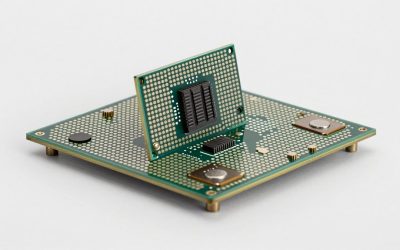
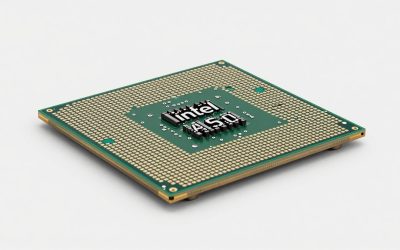
- Top Pick: Intel® Core™ i5-14600KF New Gaming Desktop Processor 14 cores (6 P-cores + 8 E-cores) – Unlocked
- Best Value: Thermaltake LCGS Quartz i1460 Gaming Desktop (Intel Core™ i5-14400F, ToughRam DDR4 3600Mhz 16GB RGB Memory, NVIDIA GeForce® RTX 5060, 1TB NVMe M.2, WiFi, Windows 11) S2QT-B760-560-LCS
- Premium Choice: iBUYPOWER Scale Gaming PC Desktop Computer Intel Core i5 14400F CPU, NVIDIA GeForce RTX 4060 8GB GPU, 16GB DDR5 RGB 5200MHz RAM, 1TB NVMe SSD, Windows 11 Home, Gamer Keyboard and Mouse – SCI5N4601
Affiliate disclosure: As an Amazon Associate we earn from qualifying purchases. This post contains affiliate links — if you buy through them we may earn a small commission at no extra cost to you. This never affects our recommendations.
- Introduction: A CPU in a 2026 Market — Does It Still Make Sense?
- Intel Core i5-14600K Specs Deep-Dive
- Gaming Performance vs the Competition
- Top 5 Z790 Motherboards for the i5-14600K
- Cooling Requirements
- How to Choose: Is the i5-14600K Right for Your Build?
- Final Verdict
- Related Articles
- Frequently Asked Questions
- Related Articles
As an Amazon Associate we earn from qualifying purchases at no extra cost to you.


In a hurry? See the top-rated Intel Core i5-14600K Gaming CPU deals available right now:
🛒 Check Intel Core I5-14600K Gaming Cpu Prices on Amazon →🛒 Best Price Today on Amazon
Prime members get fast, free shipping on everything above, plus member-only deals. New members get a 30-day free trial — cancel anytime.
Start 30-Day Prime Free Trial →See Today’s Amazon DealsIntroduction: A CPU in a 2026 Market — Does It Still Make Sense?
The Intel Core i5-14600K launched in late 2023 and immediately earned its reputation as one of the best-value gaming CPUs on the market. But we are now in 2026. Arrow Lake has arrived, AMD’s Zen 5 lineup is shipping, and the CPU landscape looks very different from two years ago.
So here is the real question: is the i5-14600K still worth your money, or has it been left behind?
The short answer is yes — with caveats. At its current street price of $230–$260, the i5-14600K delivers gaming performance that rivals chips costing $100 more, pairs with a mature ecosystem of Z790 motherboards, and supports both DDR4 and DDR5 memory, giving builders genuine flexibility. If you are building a new gaming rig on a mid-range budget and do not want to pay a premium for the latest generation, this CPU remains one of the most practical choices available.
This guide covers everything you need to know: the full spec breakdown, head-to-head gaming performance comparisons, the five best Z790 motherboards to pair with it, cooling requirements, and a clear verdict on who should — and should not — buy the i5-14600K in 2026.
Intel Core i5-14600K Specs Deep-Dive
Before comparing performance, let’s establish what you are actually getting with this chip.
| Specification | Detail |
|---|---|
| Architecture | Raptor Lake Refresh |
| Cores | 14 total (6 P-cores + 8 E-cores) |
| Threads | 20 |
| P-core Base / Boost | 3.5 GHz / 5.3 GHz |
| E-core Base / Boost | 2.6 GHz / 4.0 GHz |
| L3 Cache | 24 MB Intel Smart Cache |
| TDP (PBP) | 125W |
| Maximum Turbo Power (MTP) | 181W |
| Socket | LGA1700 |
| Memory Support | DDR4-3200 / DDR5-5600 |
| PCIe Version | PCIe 5.0 (x16) + PCIe 4.0 |
| Integrated Graphics | None (this is the K variant; the KF variant is functionally identical and sometimes $10 cheaper) |
| Overclocking | Yes (unlocked multiplier) |
| MSRP | $230–$260 (street price 2026) |
Understanding P-Cores vs E-Cores for Gaming
The hybrid architecture is the most important thing to understand about the i5-14600K. The 6 Performance cores (P-cores) are your primary gaming cores — large, fast, out-of-order execution units running up to 5.3 GHz. The 8 Efficiency cores (E-cores) are smaller, lower-power cores designed for background tasks.
Here is the key insight for gamers: most games today use 6–8 threads. The P-cores handle the game’s primary threads at full speed. The E-cores absorb Windows background tasks — Discord, streaming, browser tabs — so they do not steal performance from the P-cores. In practice, this means you get cleaner frame pacing and more consistent 1% lows compared to pure-core designs like the Ryzen 5 7600X.
The 24 MB L3 cache is generous for this tier and contributes to strong minimum frame rates in cache-sensitive titles like Microsoft Flight Simulator and some open-world games.
The DDR4 vs DDR5 Decision
Unlike AMD’s AM5 platform, which requires DDR5, the LGA1700 socket supports both DDR4 and DDR5. This has real budget implications.
- DDR4 build: A solid DDR4-3600 CL18 32 GB kit costs around $55–$70. Z790 boards with DDR4 support exist but are becoming scarce.
- DDR5 build: A DDR5-6000 32 GB kit costs around $85–$110. Z790 is primarily a DDR5 platform.
In gaming, DDR5-6000 provides a 3–7% performance uplift over DDR4-3600 depending on the title. For most builders in 2026, DDR5 is the right call — prices have normalized, and it is where the platform performs best.
Gaming Performance vs the Competition
The i5-14600K does not exist in a vacuum. Here is how it stacks up against four key competitors at 1080p and 1440p gaming.
i5-14600K vs Ryzen 5 7600X
The AMD Ryzen 5 7600X is the most direct competitor — a 6-core Zen 4 chip with higher single-core clocks (5.3 GHz boost) but no E-cores.
1080p Gaming: The two chips trade blows. In CPU-limited titles like CS2 and Rainbow Six Siege, the 7600X’s higher IPC sometimes edges ahead. In multithreaded workloads alongside gaming (streaming, OBS encoding), the i5-14600K’s extra E-cores provide a meaningful advantage — fewer dropped frames when background processes spike.
1440p and 4K: At higher resolutions, the GPU becomes the bottleneck and the gap closes to statistical noise. If you own a high-refresh 1080p monitor, the comparison matters more. At 1440p with a mid-range GPU, either chip is effectively identical.
Verdict: The 7600X wins on pure IPC; the i5-14600K wins on multitasking headroom and is more versatile for content creation alongside gaming.
i5-14600K vs Ryzen 5 9600X
The Ryzen 5 9600X (Zen 5) is AMD’s current-gen answer and represents a genuine step forward. It offers improved IPC (roughly 10–15% better than Zen 4), better power efficiency, and strong single-threaded performance.
Gaming: The 9600X is faster in most titles, typically by 5–12% at 1080p. Its 5.4 GHz boost and improved branch prediction help in a wider range of game engines.

Price: The 9600X carries a $280–$310 price tag, a $50–$80 premium over the i5-14600K street price.
Verdict: If you are building new from scratch and your budget allows it, the 9600X is the better long-term purchase. If you are upgrading an existing LGA1700 board or targeting the lowest possible build cost, the i5-14600K’s value proposition remains strong.
i5-14600K vs i5-13600K
The i5-13600K is the direct predecessor and is architecturally nearly identical — Raptor Lake vs Raptor Lake Refresh. The 14600K offers 200–300 MHz higher boost clocks and marginally improved memory controller behavior.
Real-world gaming difference: 2–4%. The i5-14600K is faster, but not by enough to justify upgrading from a 13600K. If you already own a 13600K, stay put. If you are buying new, the 14600K is the obvious choice — the price gap is small.
i5-14600K vs i7-14700K
The i7-14700K adds 4 more E-cores (12 E-cores vs 8) and has a higher L3 cache (33 MB vs 24 MB). It costs approximately $350–$380.
Gaming: The difference is minimal — typically 2–5% at 1080p. Games do not saturate the E-core count of the i5-14600K.
Content Creation: Here the i7-14700K pulls ahead significantly — video rendering, 3D rendering, and compilation workloads benefit from the additional cores.
Verdict: For pure gaming, the i5-14600K is the smarter buy. The i7-14700K is a workstation/gaming hybrid chip. Do not pay a $120 premium for gaming performance you will not feel.
Top 5 Z790 Motherboards for the i5-14600K
Pairing the right motherboard is critical. The i5-14600K’s 181W MTP means you need a board with solid VRM delivery. All five boards below handle the chip comfortably. Your choice comes down to features, budget, and build aesthetics.
1. ASUS ROG Strix Z790-F Gaming WiFi — Best Premium Z790
ASUS ROG Strix Z790-F Gaming WiFi
The ROG Strix Z790-F is the gold standard for enthusiast mid-range builds. Its 18+1 power stage VRM is overkill for the i5-14600K, which means thermal headroom and rock-solid stability under sustained load.
Highlights: WiFi 6E, USB 3.2 Gen 2×2 (20 Gbps) front panel header, four M.2 slots (one PCIe 5.0), Thunderbolt 4 support, and ASUS’s excellent BIOS. The board also supports XMP/EXPO memory profiles up to DDR5-7800+.
Best for: Builders who want a board they will not have to replace for years, or who plan to overclock memory aggressively.
Price: ~$380–$420
2. MSI MAG Z790 Tomahawk WiFi — Best Mid-Range Z790
The Tomahawk is the most recommended board in this price range for good reason. MSI’s 16+1+1 VRM design handles the i5-14600K effortlessly, the BIOS is approachable for beginners and powerful for enthusiasts, and the feature set is difficult to beat at this price point.
Highlights: WiFi 6E, 2.5G LAN, four M.2 slots, robust PCIe 5.0 support, and USB-C on the rear I/O. Memory support reaches DDR5-7200+ with XMP.
Best for: The majority of builders — this is the balanced choice that covers all bases without unnecessary expense.

Price: ~$250–$290
3. Gigabyte Z790 Aorus Elite AX — Best Value Z790
The Aorus Elite AX punches above its weight. Gigabyte’s 16+1+2 power stage design ensures clean power delivery to the CPU, and the board includes WiFi 6E, 2.5G LAN, and four M.2 slots in a package that often sells for $30–$50 less than the Tomahawk.
Highlights: Strong BIOS with straightforward memory overclocking, solid thermal performance, and good capacitor quality. The rear I/O includes USB-C and a BIOS flashback button — useful if you need to update firmware before installing your CPU.
Best for: Budget-conscious builders who refuse to compromise on build quality.
Price: ~$210–$250
4. ASRock Z790 Steel Legend WiFi — Best Budget Z790
ASRock has consistently delivered underrated boards at competitive prices. The Steel Legend features a 14+1+1 VRM — adequate for the i5-14600K at stock settings and with moderate overclocking. You get WiFi 6E, 2.5G LAN, and three M.2 slots.
Highlights: Clean silver-white aesthetic that works well in white or neutral builds, a competent BIOS, and the lowest price on this list. It does not have the VRM overhead of the Tomahawk or Aorus Elite, so avoid aggressive all-core overclocking on this board.
Best for: Builders on a strict budget or those who want a white/silver board aesthetic.
Price: ~$180–$220
5. ASUS Prime Z790-A WiFi — Best Mainstream Z790
The ASUS Prime Z790-A is the clean, professional option in ASUS’s lineup — no RGB, no aggressive styling, just a well-engineered board with ASUS’s proven BIOS. The 14+1 VRM handles the i5-14600K without issue at stock and light overclocking scenarios.
Highlights: WiFi 6E, 2.5G LAN, four M.2 slots, Thunderbolt 4 header, and ASUS’s reliable AI Overclocking feature. The rear I/O is generous and includes dual USB-C ports.
Best for: Office-adjacent or clean-aesthetic builds where understated looks matter, and builders who trust the ASUS ecosystem.
Price: ~$240–$280
Cooling Requirements
The i5-14600K has a 125W PBP rating, but under sustained all-core load it regularly hits 170–181W (MTP). This is a hot, power-hungry chip by mid-range standards, and it demands adequate cooling.
Minimum: 240mm AIO Liquid Cooler
A 240mm AIO is the realistic minimum for keeping the i5-14600K at safe temperatures under gaming and mixed workloads. Expect full-load package temperatures in the 80–90°C range with a quality 240mm unit. That is within spec but not comfortable headroom.
Recommended: 280mm or 360mm AIO
A 280mm AIO drops full-load temperatures to the 70–80°C range. A 360mm AIO keeps the chip comfortably under 75°C even during extended Prime95 stress tests. If you plan to overclock or push the CPU hard with streaming and gaming simultaneously, a 360mm is worth the investment.
High-End Air Cooling Alternative
The Noctua NH-D15, Thermalright Phantom Spirit 120 SE, and be quiet! Dark Rock Pro 5 are all capable of handling the i5-14600K. If you prefer air cooling, use one of these top-tier dual-tower or large single-tower coolers — do not attempt to cool this chip with a budget 120mm tower cooler.
Thermal Paste: Use a quality thermal compound. Noctua NT-H1 or Thermal Grizzly Kryonaut are reliable choices. Apply a pea-sized amount to the IHS center.
How to Choose: Is the i5-14600K Right for Your Build?
Work through these questions before committing to a purchase.
Buy the i5-14600K if:
- Your budget for CPU + motherboard is $400–$550 and you want the most gaming performance per dollar in that range.
- You are upgrading from an LGA1700 board (i5-12600K, i5-13600K) and want a meaningful but affordable clock speed bump.
- You game at 1440p with a high-end GPU and do not need the absolute fastest CPU — the GPU is your bottleneck anyway.
- You do moderate content creation (video editing, 3D rendering) alongside gaming — the E-cores genuinely help here.
- You want DDR4 compatibility to reuse existing memory from a previous build.
Consider the Ryzen 5 9600X instead if:
- You are building a new system from scratch with no reusable components and can stretch the budget by $50–$80.
- Pure 1080p gaming performance is your top priority and you play CPU-limited esports titles at 240Hz+.
- You want the newer platform for longer-term upgrade support.
Consider the i7-14700K instead if:
- You stream, render video, or run workloads that genuinely use 12+ cores simultaneously.
- The $120 premium fits your budget and you want a CPU that handles heavy multitasking without compromise.
Skip the i5-14600K if:
- You are a casual gamer with a GPU below RTX 3070 / RX 6800 XT — a less expensive B660 or B760 paired with an i5-12400F or i5-13400F makes more financial sense.
- You prioritize platform longevity above all — AM5 has a longer roadmap than LGA1700.
Final Verdict
The Intel Core i5-14600K is not the newest chip on the market, and by 2026 that reality is impossible to ignore. But “newest” and “best value” are different things.
At $230–$260, the i5-14600K delivers 95% of the gaming performance of chips costing 30–40% more. Its 6 P-cores + 8 E-core architecture handles the realities of modern PC gaming — background apps, streaming, multitasking — better than a pure 6-core design. The mature Z790 platform gives you a wide selection of motherboards across every price point, and DDR4 compatibility keeps your total build cost flexible.
For a new mid-range gaming build targeting 1440p at 144Hz+, the i5-14600K remains a defensible, practical choice. It will not bottleneck a GeForce RTX 4070 or RX 7800 XT. It handles streaming and gaming simultaneously without visible frame drops. And paired with a quality 280mm AIO and a Z790 board like the MSI MAG Tomahawk or Gigabyte Aorus Elite AX, it represents one of the best dollars-per-frame configurations available at this price tier.
If you can stretch the budget by $60–$80 for a Ryzen 5 9600X and a B650E board, the newer platform is the smarter long-term investment. But if the i5-14600K fits your budget and your existing components, do not hesitate. The mid-range king still has a crown worth wearing in 2026.
Related Articles
Looking for more on this topic? Browse the hand-picked guides below — each one applies the same scoring rubric used in this review.
Frequently Asked Questions
What is the best gaming cpu i5 14600k in 2026?
The best gaming cpu i5 14600k depends on your budget and how you plan to use it. The options compared above are our top-rated picks based on real customer ratings, build quality, and overall value — start with the highest-rated model that fits your budget.
How much should I expect to spend on a gaming cpu i5 14600k?
Prices vary by brand and features. Budget options cover the essentials, while mid-range and premium models add durability, performance, and extra features. Compare the prices in the list above to find the best value for your needs.
What should I look for when buying a gaming cpu i5 14600k?
Focus on what matters most for your use case — build quality, compatibility, performance, warranty, and verified customer reviews. Every pick above is selected to balance these factors.
Are budget gaming cpu i5 14600k options worth it?
Yes. For most people a well-reviewed budget or mid-range gaming cpu i5 14600k delivers excellent value. You only need to spend more if you specifically require premium materials or top-tier performance.
How did we choose these gaming cpu i5 14600k picks?
We compare current Amazon ratings, review counts, key features, and price to surface the options with the best real-world value. The list is refreshed as ratings and availability change.
Ready to decide? Our #1 pick for 2026 is the Specification.
Live price & availability on Amazon.