- Top Pick: GPU Zen 4 : Advanced Rendering Techniques
- Best Value: GPU Zen 2: Advanced Rendering Techniques
- Premium Choice: GPU Zen 3: Advanced Rendering Techniques
Game development asks more of a GPU than gaming does. You are not just running a finished game — you are driving a busy engine editor, rendering complex scenes in the viewport while you build them, compiling shaders, baking lighting, and running your project over and over to test changes. That puts a premium on VRAM (to hold large scenes, high-resolution textures and assets), on smooth real-time viewport performance, and on the raw compute that shortens every compile, bake and test loop. This guide rounds up the best GPUs for game development in 2026, with an honest note on a couple of items that are not graphics cards at all.
- Best Game Development GPUs at a Glance
- 1. MSI Gaming GeForce RTX 3060 12GB GDDR6
- 2. ASUS Prime GeForce RTX 5070 Ti OC 16GB GDDR7
- 3. ASUS Prime GeForce RTX 5080 OC Edition 16GB GDDR7
- 4. NVIDIA RTX PRO 4000 SFF Blackwell 24GB GDDR7 ECC
- 5. MXZ Gaming PC, Ryzen 7 9700X, RTX 4070, 16GB DDR5, 1TB NVMe
- 6. GPU Brace Support, Video Card Sag Holder Bracket (GPU Stand)
- How to Choose a GPU for Game Development
- Frequently Asked Questions
- Related Guides
- Related Articles
- Related Guides
Our picks were chosen on what genuinely speeds up a developer’s day: VRAM capacity for big projects, viewport and real-time rendering smoothness, and the compute throughput that accelerates shader compilation, lighting bakes and iteration. We describe each by its capability and fit rather than quoting invented benchmark numbers. The list spans an outstanding-value 12GB card, modern high-VRAM gaming GPUs, and a true workstation card — and, in the interest of honesty, it also includes a complete prebuilt PC and a GPU support bracket, both clearly flagged for what they really are. Below is an at-a-glance comparison, then a closer look at each and a buyer’s guide built around VRAM, viewport performance and iteration speed.
As an Amazon Associate we earn from qualifying purchases at no extra cost to you.



Check Price on Amazon →




🛒 Best Price Today on Amazon
Prime members get fast, free shipping on everything above, plus member-only deals. New members get a 30-day free trial — cancel anytime.
Best Game Development GPUs at a Glance
| Product | Best For | Standout Spec | Approx Price |
|---|---|---|---|
| MSI GeForce RTX 3060 12GB | Best-value dev starter | 12GB VRAM on a budget | around $399 |
| ASUS Prime RTX 5070 Ti OC 16GB | Modern high-VRAM iteration | 16GB GDDR7, PCIe 5.0 | around $1,450 |
| ASUS Prime RTX 5080 OC 16GB | High-end viewport + compute | 16GB GDDR7, triple fan | around $1,500 |
| NVIDIA RTX PRO 4000 SFF 24GB | Workstation / pro features | 24GB ECC, compact pro card | around $2,047 |
| MXZ Prebuilt PC (Ryzen 7 + RTX 4070) | Complete ready-to-dev rig | Full PC, not a GPU | around $1,549 |
| GPU Brace Support Bracket | Preventing card sag | Accessory, not a GPU | around $9 |
1. MSI Gaming GeForce RTX 3060 12GB GDDR6

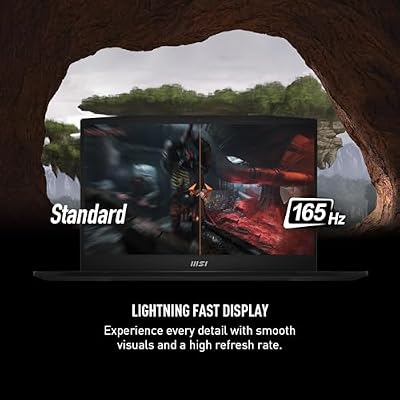
msi Katana 15 15.6” 165Hz QHD Gaming Laptop: Intel Core i7-13620H, NVIDIA Geforce RTX 4070, 16GB DDR5, 1TB NVMe SSD, Cooler Boost 5, Win 11: Black B13VGK-2000US



As an Amazon Associate we earn from qualifying purchases. Product prices and availability are accurate as of the date/time indicated.
The MSI GeForce RTX 3060 12GB is the best-value entry point into game development. Its standout trait for developers is right there in the name: 12GB of VRAM, which is generous for the price and genuinely useful when you are loading large scenes, high-resolution textures and asset libraries into an engine editor. At around $399 it is by far the most affordable card here and a smart starting point for indie and learning developers.
This is the GPU to choose if you are getting into Unreal, Unity or Godot and want healthy VRAM without a flagship price. The 12GB buffer lets you work on reasonably complex projects without constantly running out of memory, the card handles real-time viewport rendering for small-to-mid-size scenes comfortably, and its modern feature set supports the rendering techniques today’s engines use. It will not bake lighting or compile as fast as the high-end cards below, but for the money it offers the VRAM and capability that matter most when you are starting out.
Pros: Generous 12GB VRAM for the price, modern feature set, capable viewport, excellent value.
Cons: Lower compute than current-gen cards; slower bakes and compiles on big scenes.
2. ASUS Prime GeForce RTX 5070 Ti OC 16GB GDDR7

ASUS Prime RTX 5070 Ti OC 16GB GDDR7 GPU, PCIe 5.0, HDMI 2.1b, 3X DP 2.1b, High FPS 4K Gaming, Creator PC, AI Creation, Video Editing, 3D Rendering, Streaming, Local AI, with GPU Holder




As an Amazon Associate we earn from qualifying purchases. Product prices and availability are accurate as of the date/time indicated.
The ASUS Prime RTX 5070 Ti OC is the modern high-VRAM iteration pick. It pairs 16GB of fast GDDR7 memory with a current-generation architecture and PCIe 5.0, giving you both the capacity for larger projects and the compute to move through your work quickly. At around $1,450 it sits a step below the flagship while delivering most of what a serious developer needs.
This is the card for a developer who wants strong, modern performance across the whole workflow without paying top-tier money. The 16GB of GDDR7 handles demanding scenes, higher-resolution textures and bigger asset sets, the current-gen compute meaningfully shortens shader compiles and lighting bakes compared with older cards, and real-time viewport work stays smooth as scenes grow complex. For mid-to-high-end game development where faster iteration directly saves you time every day, the RTX 5070 Ti is a well-judged, high-value choice.
Pros: 16GB GDDR7, current-gen compute for faster bakes and compiles, smooth viewport, strong value.
Cons: Premium price; 16GB is ample but not the largest buffer here.
3. ASUS Prime GeForce RTX 5080 OC Edition 16GB GDDR7

The ASUS Prime RTX 5080 OC is the high-end viewport-and-compute pick. It also carries 16GB of GDDR7 but steps up to a more powerful current-generation GPU with a robust triple-fan cooler, delivering greater raw throughput for the heaviest real-time rendering and processing. At around $1,500 it is aimed at developers who want serious horsepower for demanding projects.
This is the card for a developer working on graphically complex games who wants the smoothest possible viewport and the fastest practical iteration in this gaming-card range. The extra compute over the 5070 Ti accelerates shader compilation, lighting bakes and in-editor rendering of detailed scenes, while the 16GB GDDR7 holds substantial projects in memory and the triple-fan cooler keeps clocks high under sustained load. For high-end real-time development where you want top gaming-GPU performance, the RTX 5080 is the standout pick.
Pros: High current-gen compute, 16GB GDDR7, strong triple-fan cooling, fast iteration on complex scenes.
Cons: Expensive; shares the 16GB buffer of the cheaper 5070 Ti.
4. NVIDIA RTX PRO 4000 SFF Blackwell 24GB GDDR7 ECC

NVIDIA RTX PRO 4000 SFF Blackwell 24GB GDDR7 ECC - PCIe 5.0x8, 4X mDP 2.1b, Low-Profile Dual-Slot AI Workstation GPU Retail


As an Amazon Associate we earn from qualifying purchases. Product prices and availability are accurate as of the date/time indicated.
The NVIDIA RTX PRO 4000 SFF is the true workstation card here, and it is a different class of product from the gaming GPUs above. It carries 24GB of GDDR7 with ECC (error-correcting) memory in a compact, low-profile small-form-factor design built for professional workstations and certified pro workflows. At around $2,047 it is the most expensive item on the list, and the professional features explain the premium.
This is the pick for a studio or professional developer whose work justifies workstation-grade hardware. The large 24GB ECC buffer is the headline: it holds very large scenes and asset sets and adds memory error correction valued in long, critical render and processing jobs, while the compact SFF form factor suits small-chassis pro machines. It is overkill — and poor value — for a hobbyist who mainly needs gaming-class performance, but for professional pipelines that benefit from maximum VRAM, ECC and pro driver support, the RTX PRO 4000 is the specialist choice.
Pros: Large 24GB ECC VRAM, professional workstation features, compact low-profile pro design.
Cons: Highest price by far; pro-focused and overkill/poor value for hobbyists.
5. MXZ Gaming PC, Ryzen 7 9700X, RTX 4070, 16GB DDR5, 1TB NVMe

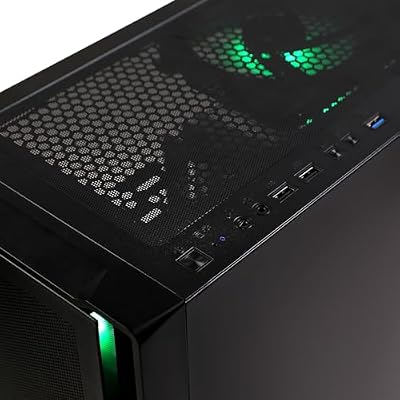
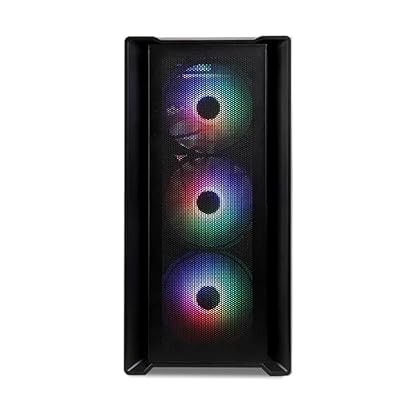
MXZ Gaming PC,AMD Ryzen 7 9700X, GeForce RTX 4070,16GB DDR5, NVME 1 T,B650




As an Amazon Associate we earn from qualifying purchases. Product prices and availability are accurate as of the date/time indicated.
In the interest of honesty, this MXZ entry is not a graphics card at all — it is a complete prebuilt desktop PC. It pairs an AMD Ryzen 7 9700X processor with a GeForce RTX 4070 graphics card, 16GB of DDR5-6000 memory and a 1TB NVMe SSD, arriving as a ready-to-run system. At around $1,549 it earns a place here as the turnkey option for someone who wants a capable development machine without building one.
We include it because plenty of developers, especially those starting out, would rather buy a balanced complete rig than choose and assemble parts. As a whole, it is well-suited to game development: the RTX 4070 offers solid viewport and compute performance with a healthy VRAM buffer, the Ryzen 7 9700X handles compilation and the rest of the toolchain well, and the fast NVMe SSD speeds project loads and asset streaming. Just be clear about what you are buying — a full computer, not an upgrade card — so judge it as a complete system rather than a GPU you would drop into an existing build.
Pros: Complete ready-to-dev PC, capable RTX 4070, strong Ryzen 7 CPU, fast NVMe and DDR5.
Cons: Not a GPU — it is a whole prebuilt PC; you cannot add it to an existing rig.
6. GPU Brace Support, Video Card Sag Holder Bracket (GPU Stand)

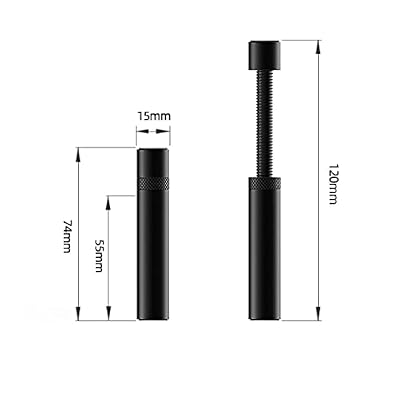
Graphics Card GPU Brace Support, Video Card Sag Holder Bracket, GPU Stand (L, 74-120mm)


As an Amazon Associate we earn from qualifying purchases. Product prices and availability are accurate as of the date/time indicated.
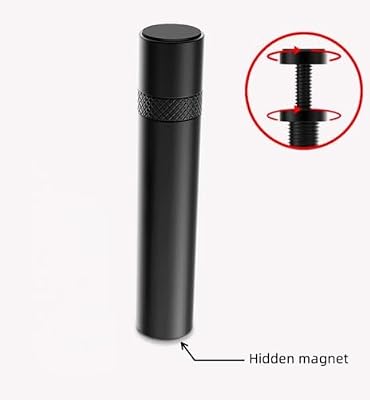
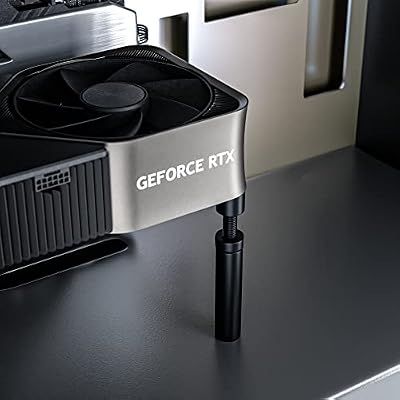
To be transparent, this last entry is an accessory, not a graphics card. It is a GPU support bracket — an adjustable stand that props up the end of a heavy graphics card to stop it sagging in the case over time. At around $9 it is by far the cheapest item on this list, and it pairs naturally with the large, heavy cards above rather than competing with them.
We mention it because the high-VRAM development GPUs here are physically big and heavy, and over months of use a long card can droop under its own weight, stressing the PCIe slot and looking untidy. A simple brace like this one holds the card level, protecting the slot and the connector for a few dollars. It does nothing for performance, VRAM or iteration speed — it is purely structural support — but if you install one of the larger cards above, a sag bracket is a cheap, sensible bit of insurance rather than a GPU upgrade in its own right.
Pros: Very cheap, prevents heavy-card sag, protects the PCIe slot and connector, adjustable.
Cons: Not a GPU and adds zero performance; purely a physical support accessory.
How to Choose a GPU for Game Development
For game development, VRAM is the first thing to weigh, because it sets the ceiling on how large and detailed your projects can get before the GPU runs out of memory. Engine editors load scenes, high-resolution textures and asset libraries into VRAM, so a card with a generous buffer — the RTX 3060’s 12GB at the value end, the 5070 Ti and 5080’s 16GB GDDR7 in the middle, and the RTX PRO 4000’s 24GB ECC at the top — lets you work on bigger, richer projects without constant memory pressure. If you build large worlds or 4K textures, prioritise VRAM.
Viewport performance and compute throughput decide how smooth and fast your actual workday feels. Real-time rendering in the editor needs a capable GPU to keep complex scenes fluid as you build them, and raw compute is what shortens every shader compile, lighting bake and test run. Current-generation gaming cards like the RTX 5070 Ti and 5080 offer markedly faster iteration than older or budget cards, which adds up to real time saved over a project. Balance VRAM against compute: you want enough memory to hold your scene and enough power to iterate on it quickly.
Decide honestly whether you need a professional workstation card or a gaming GPU. The NVIDIA RTX PRO 4000 brings 24GB of ECC memory, a compact pro form factor and certified professional driver support — genuinely valuable for studios and critical pipelines, but expensive overkill for a hobbyist who mainly needs strong gaming-class performance. For most individual developers, a high-VRAM gaming card delivers the best balance of capability and value; workstation cards make sense when ECC, maximum VRAM and pro support directly matter to your work.
Finally, look at the whole machine and the practical details. Two items on this list make that point: the MXZ prebuilt is a complete PC rather than a GPU, which suits developers who want a balanced ready-to-run system instead of choosing parts, while the GPU brace is a cheap accessory that simply stops a heavy card sagging — neither is an upgrade GPU, and we have flagged both as such. A fast CPU, ample system RAM and a quick NVMe SSD also matter for compiling and asset loading. Set your VRAM target, match compute to how much you iterate, decide between gaming and workstation class, and pick the option on this list that genuinely fits your development needs and budget.
Frequently Asked Questions
How much VRAM do I need for game development?
More than you would for gaming alone, because engine editors hold scenes, textures and assets in VRAM while you build. 12GB, as on the RTX 3060, is a solid starting point for indie and learning work; 16GB, as on the RTX 5070 Ti and 5080, comfortably handles larger projects; and 24GB on the workstation RTX PRO 4000 suits very large scenes. If you work with big worlds or high-resolution textures, prioritise more VRAM.
Do I need a workstation GPU like the RTX PRO, or is a gaming card enough?
For most individual developers, a high-VRAM gaming card like the RTX 5070 Ti or 5080 offers the best balance of performance and value. The NVIDIA RTX PRO 4000’s 24GB ECC memory, compact pro form factor and certified drivers are genuinely useful for studios and critical pipelines, but they are expensive overkill for a hobbyist. Choose a workstation card only when ECC, maximum VRAM and professional support specifically matter to your work.
Is the MXZ option a graphics card I can add to my PC?
No — and we have flagged it deliberately. The MXZ entry is a complete prebuilt desktop with a Ryzen 7 9700X and an RTX 4070 inside, not a standalone graphics card. It is a good fit if you want a balanced, ready-to-develop machine without building one, but you cannot drop it into an existing rig. Judge it as a whole computer rather than a GPU upgrade.
What does the GPU support bracket actually do for development?
Nothing for performance — it is purely a physical accessory. The brace props up the end of a heavy graphics card to stop it sagging in the case, which protects the PCIe slot and connector over time. Since the high-VRAM cards here are large and heavy, a cheap sag bracket is sensible insurance if you install one, but it does not affect VRAM, viewport smoothness or iteration speed in any way.
Related Guides
- Best GPUs for Your Build
- Best Workstation GPUs
- Best CPUs for Content Creation
- Best NVMe SSDs
- Best RAM for Gaming
- Best Gaming PCs
Affiliate Disclosure: As an Amazon Associate, we earn from qualifying purchases. If you click a link and make a purchase, we may earn a small commission at no extra cost to you. Prices and availability are accurate as of publication and may change.