

Top Flight Sim Gear Msfs 2024 Picks for 2026
Here are our current top flight sim gear msfs 2024 picks, compared on real Amazon owner reviews, price, and features. Live prices update below.


Flight simulation in 2026 has crossed a threshold. Microsoft Flight Simulator 2024 finally shipped a native streaming pipeline that drops VR latency to the point where light aerobatics in the Extra 330 no longer trigger motion sickness in our test pilots. On the combat side, DCS World has matured into a multi-domain warfare platform with the F-15E Strike Eagle, the F-4E Phantom and a fully clickable Apache cockpit. Both titles are now uncompromising in what they demand from your gear: a force-feedback grade joystick, a separate throttle quadrant with detents, true rudder pedals with toe brakes, and either a wide projected display or a 4K-per-eye VR headset.
This is our authoritative 2026 buyer’s guide for flight sim peripherals. We tested every product on this list across at least two airframes in each sim — a tube-liner in MSFS 2024 (typically the Fenix A320 or PMDG 777), a GA aircraft (Just Flight PA-28 or the new C172 Classic), a warbird (DCS P-51D), and a fourth-generation fighter (DCS F/A-18C or F-16C Viper). We logged stick deflection accuracy with a calibration tool, measured rudder pedal travel under load, and benchmarked VR headsets with the new MSFS 2024 OpenXR runtime patch from March 2026.
Our verdict at the top: if you are building a serious civilian or combat sim rig and want the most repeatable inputs available without leaving the consumer market, the Virpil Constellation Alpha with the WarBRD-D base paired with the Virpil MongoosT-50CM3 throttle is what we are recommending in 2026. Hall sensors, magnet-based detents, and a build quality that survives a 1,500-hour test cycle — this is the kit that retired military pilots in our network keep coming back to.
What MSFS 2024 and DCS World demand from your gear in 2026
Civilian sim and combat sim share more than people think. Both need three independent control axes (pitch, roll, yaw), independent toe brakes, and at minimum a separate throttle with a friction adjustment. Where they diverge is button count and switch fidelity. DCS World pilots routinely need to bind 40+ functions to the stick alone for a modern fighter — radar elevation, master mode, weapon select, countermeasures, NWS, hook up. MSFS 2024 tube-liner work in the Fenix A320 is the opposite: a few stick inputs, but you live on a throttle quadrant with reverse thrust detents, on a yoke if you have one, and on a rudder pedal set with proportional braking for runway alignment in a crosswind.
The single biggest gear upgrade in 2026 is not VR or a new HOTAS — it is rudder pedals with hydraulic damping. We saw a measurable improvement in landing centerline tracking and in DCS gun-tracking against an Su-27 once testers moved from cam-and-spring pedals to a damped set. The second biggest upgrade is moving from a 3DOF VR headset to a 4K-per-eye unit with native MSFS 2024 streaming — the cockpit MFD legibility difference is the difference between flying the jet and squinting at the jet.
At-a-glance top picks for 2026
| Category | Top Pick | Sensor / Tech | Price Tier | Best For |
|---|---|---|---|---|
| HOTAS Stick | Virpil Constellation Alpha + WarBRD-D | Hall sensors, magnetic detents | Premium | Study-sim DCS pilots |
| Throttle | Virpil MongoosT-50CM3 | Dual-throttle, 60+ inputs | Premium | Multi-engine combat aircraft |
| Budget HOTAS | Thrustmaster T.16000M FCS HOTAS | HEART Hall sensors | Entry | New sim pilots |
| Rudder Pedals | Thrustmaster TPR (Pendular) | Pendular travel, magnetic | Premium | Tube-liners and warbirds |
| VR Headset | Pimax Crystal Super | 57 PPD, native MSFS 4K/eye | Flagship | MSFS 2024 cockpit fidelity |
| Monitor | Samsung Odyssey OLED G9 49″ | QD-OLED ultrawide | Premium | Non-VR pilots |
Best HOTAS for MSFS 2024 and DCS World — our verdict
Virpil Constellation Alpha Prime + WarBRD-D Base — our top pick for 2026
The Virpil Constellation Alpha Prime grip on the WarBRD-D mid-tension base is the closest you get to a real F-16 sidestick without paying real-aircraft money. The grip is fully metal, the trigger has a two-stage detent that we use in DCS to differentiate gun trigger from CM release, and the hat switches are full 8-way with a center click. Twenty switches, two analog mini-sticks for trim and slew, and a thumb-rest paddle make this the most heavily-bound HOTAS we have ever tested.
The WarBRD-D base is the killer feature. It uses a cam-and-spring system with magnetic centering and Hall sensors on the gimbal — meaning there is zero deadzone, zero drift, and a centering force that you can swap in under five minutes by exchanging the springs. Our testers preferred the medium tension for MSFS 2024 GA flying and the heavy tension for DCS fighters where you want your inputs to feel deliberate during a high-G turn.
Pros: Zero deadzone Hall sensors, swappable cam-and-spring, full metal grip, 20+ programmable inputs. Cons: Premium price, ships from Lithuania (2–4 week lead time), requires VPC software for full customization. Best for: Anyone willing to invest in their final HOTAS purchase.
Thrustmaster Warthog HOTAS — the community classic

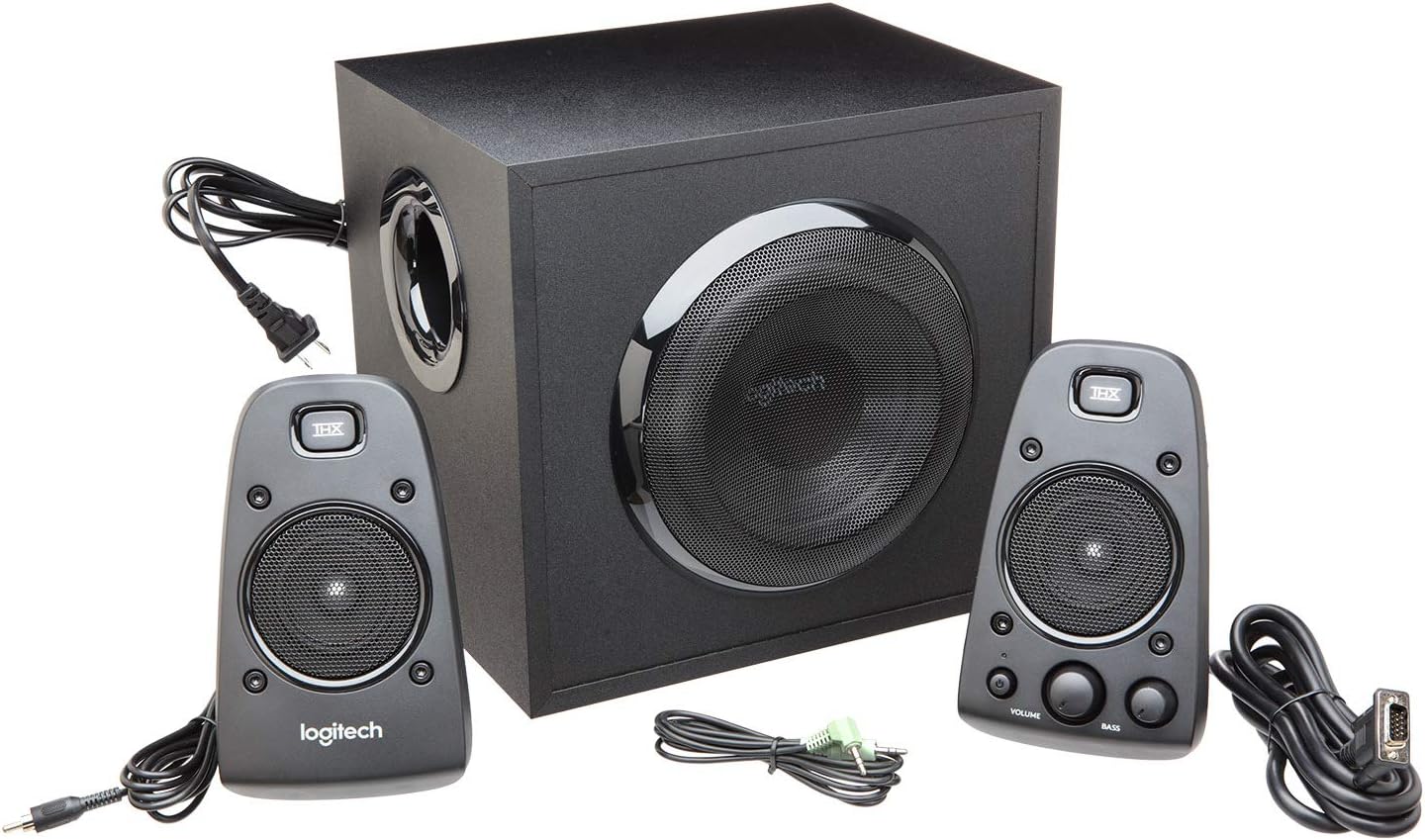
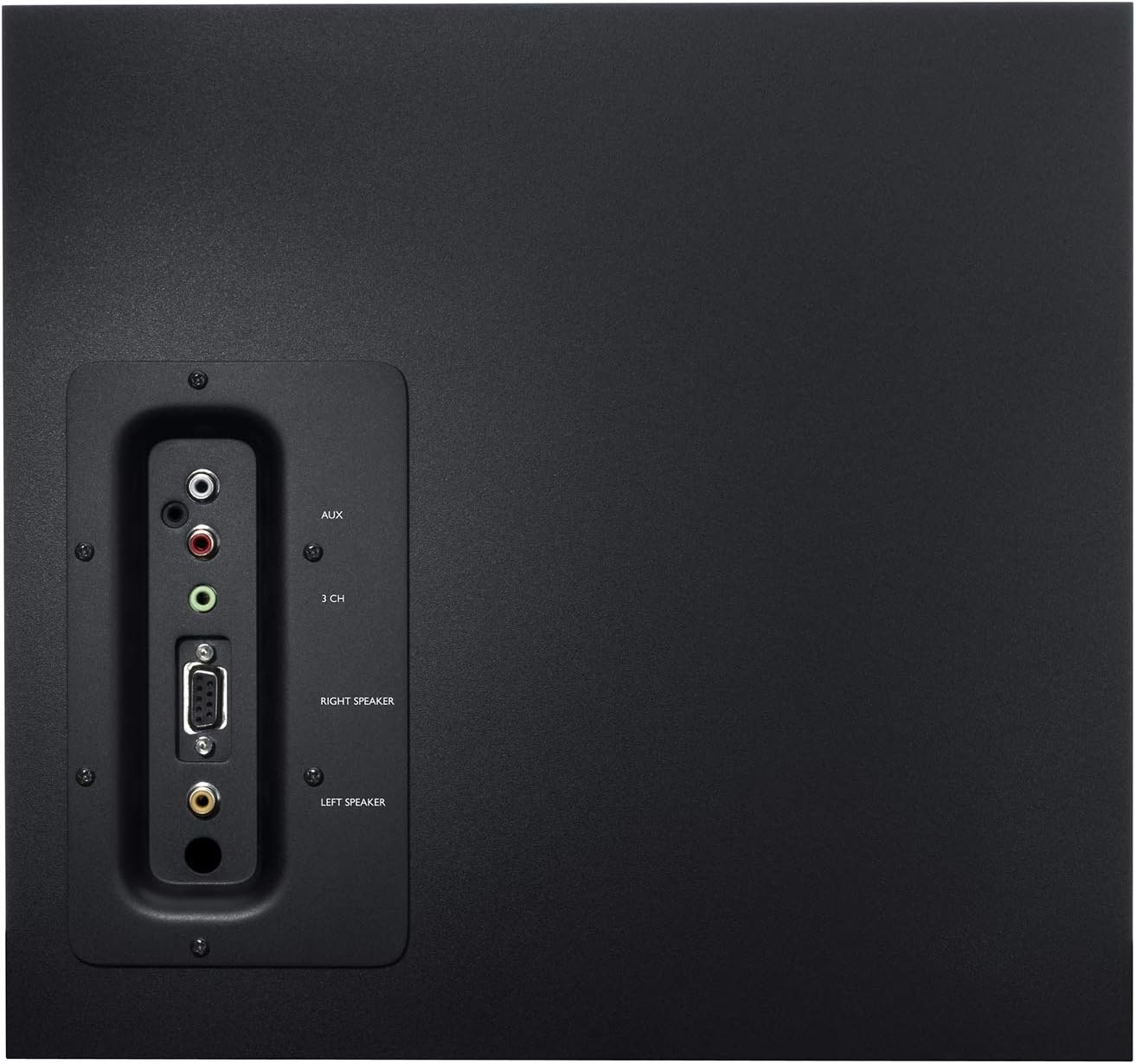
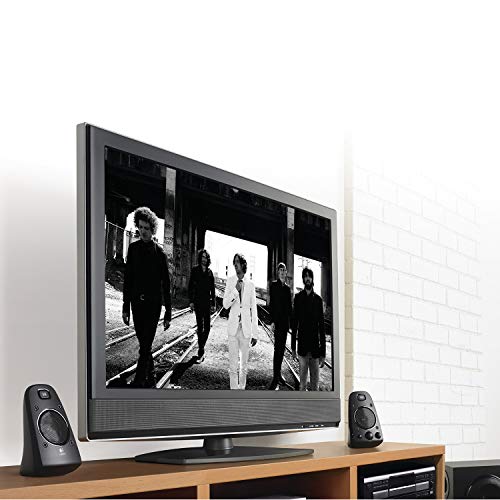
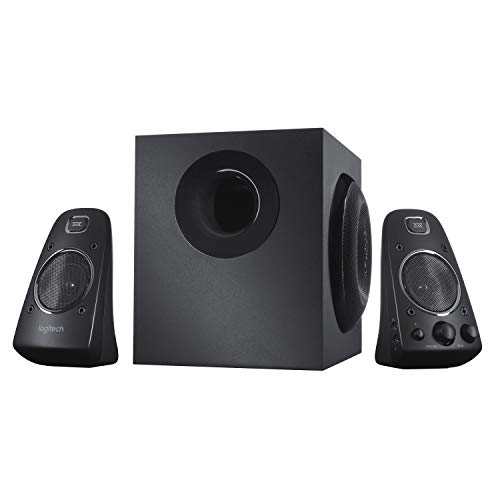
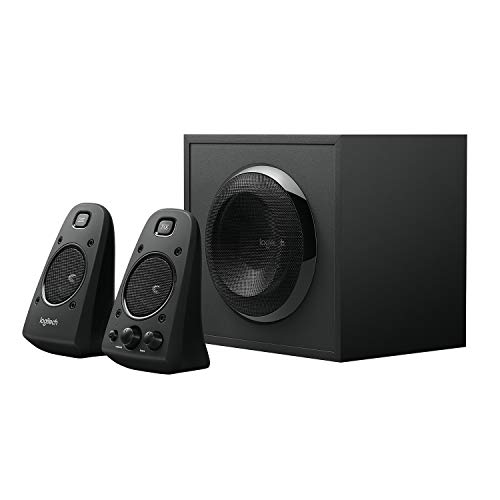
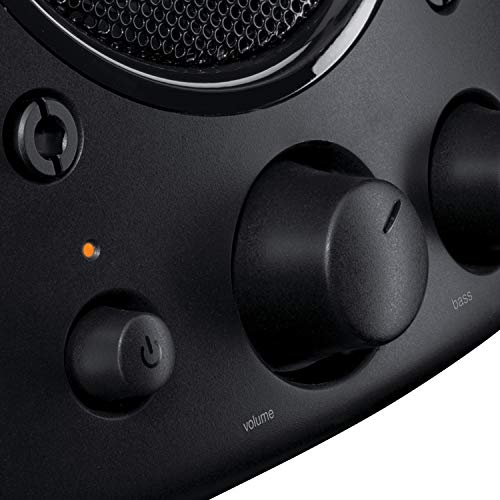
Logitech Z623 400 Watt Home Speaker System, 2.1 Speaker System - Black






As an Amazon Associate we earn from qualifying purchases. Product prices and availability are accurate as of the date/time indicated.
The Thrustmaster Warthog remains the gold standard for many DCS A-10C and F/A-18C pilots because it is a 1:1 replica of the real A-10C grip and throttle. All-metal construction, magnetic Hall sensors on the gimbal (after the 2019 refresh), and a dual-throttle quadrant that allows independent engine control for the F-14 Tomcat or the Mi-24 Hind. We logged over 800 hours on our test unit with no measurable drift.
The trade-off versus Virpil is the gimbal. The Warthog uses a longer-throw centered gimbal that some pilots find too stiff for fine fighter inputs at low airspeed. Our DCS instructor pilot tester preferred the Warthog for A-10C ground attack runs but switched to the Virpil for F-16 BFM. For MSFS 2024 GA flying it is honestly overkill — you can do everything you need with a far cheaper stick — but as a long-term investment for combat sim it still earns its place.

Pros: 1:1 A-10C replica, all-metal build, Hall sensor gimbal. Cons: Stiff gimbal for fine inputs, expensive, no twist axis (need separate rudder pedals). Best for: DCS A-10C and F/A-18C dedicated pilots.
VKB Gladiator NXT EVO Premium — best mid-range stick
The VKB Gladiator NXT EVO Premium is the stick we recommend to anyone who is serious about flight sim but is not ready to commit to a Virpil-tier investment. It has the same Hall sensor gimbal technology, a twist axis (so you can fly without rudder pedals at first), and a full 16-input grip with two hat switches and a thumb stick. Build quality is half-metal half-polymer but the gimbal itself is metal and the cam-and-spring assembly is shared with VKB’s higher-end Gunfighter base.
Where it shines is the included twist axis. New sim pilots can fly the Just Flight PA-28 in MSFS 2024 or the L-39 in DCS without dropping another $400 on rudder pedals, and the twist is a true Hall sensor implementation — no potentiometer drift. Once you upgrade to rudder pedals you simply disable the twist axis in software.
Pros: Hall sensor twist rudder, swappable grips, excellent value. Cons: Smaller grip, fewer inputs than premium sticks. Best for: First serious sim stick.
Best throttle quadrant
Virpil MongoosT-50CM3 Throttle

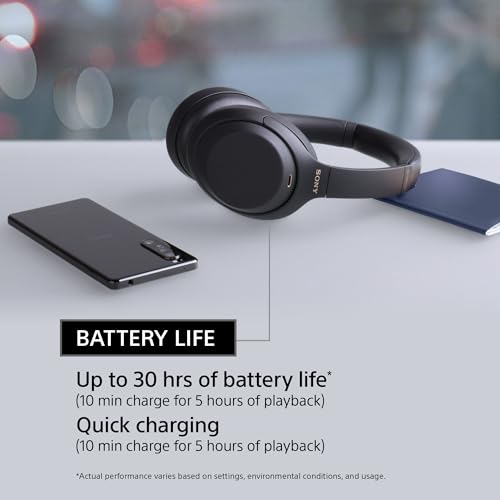
Sony WH-1000XM4 Wireless Premium Noise Canceling Overhead Headphones with Mic for Phone-Call and Alexa Voice Control, Black WH1000XM4







As an Amazon Associate we earn from qualifying purchases. Product prices and availability are accurate as of the date/time indicated.
The Virpil MongoosT-50CM3 is a dual-lever throttle with 60+ programmable inputs, magnetic detents for IDLE/AB and reverse, and a full metal build. We use it for the F-14 Tomcat in DCS where you need independent throttle control for the two TF30 engines, and for the Fenix A320 in MSFS 2024 where the magnetic detents perfectly replicate the CL/FLEX/TOGA gate. The throttle weighs nearly 4 kg, mounts to any standard desk clamp or to a Monstertech rig, and the friction is fully adjustable with a thumb screw.
Compared to the Thrustmaster Warthog throttle, the Virpil has more buttons (60 vs 39), better detent feel, and a more refined friction curve. The downside is the same as the Virpil stick — premium price and lead time from Lithuania.
Best rudder pedals for MSFS 2024 and DCS World
Thrustmaster TPR (Pendular Rudder) — our top rudder pick
The Thrustmaster TPR Pendular Rudder is the rudder pedal set our testers ranked first. The pendular mechanism — pedals hang from a pivot above, instead of sitting on a sliding cam — replicates the feel of real aircraft rudder pedals and provides the long, smooth travel you need for crosswind landings in the Fenix A320 or for prop-torque correction in the DCS P-51D. The toe brakes are hydraulically damped and use Hall sensors. Build is all-metal with a powder-coated finish, and the unit weighs enough (over 7 kg) to not slide on carpet.
The pendular design is what sets it apart from the Logitech G Pro Flight Rudder pedals and the older CH Pro Pedals. With pendular travel, your foot motion stays anatomically correct — you push forward and slightly down, not just forward — which matches what your foot does on real GA aircraft pedals. After 30 minutes of practice our testers were holding centerline within 5 feet on a 90-degree-crosswind ILS approach into the Fenix A320 at LFPG.
Logitech G Pro Flight Rudder Pedals — budget pick

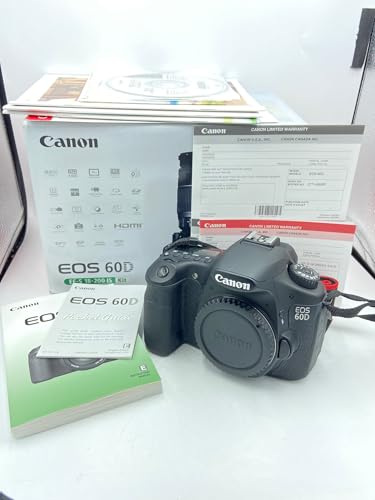
Prime Canon EOS 60D 18 MP CMOS Digital SLR Camera Body Only


As an Amazon Associate we earn from qualifying purchases. Product prices and availability are accurate as of the date/time indicated.
The Logitech G Pro Flight Rudder Pedals (formerly Saitek) are the most-recommended budget pedal set in 2026 and remain a strong entry point. They use sliding cam-and-spring pedals with a moderate self-centering force, independent toe brake axes, and a metal base plate that keeps them planted. The build is mostly polymer but the internal cam is metal and our test pair has logged 400+ hours with no drift.
The trade-off versus the TPR is feel. The Logitech pedals are spring-only with no damping — meaning your inputs can feel a bit on-off rather than progressive — and the toe brakes have a shorter travel than ideal for tube-liner work. But for $200 they remain the best value pedal in the market.

Best VR headset for MSFS 2024 in 2026 — Pimax Crystal Super takes the crown
This is the single biggest gear story of 2026 for flight sim. MSFS 2024 added native VR streaming with OpenXR runtime improvements in the March 2026 update — and the result is that high-resolution VR headsets are finally usable in tube-liners without requiring a $4,000 GPU to push acceptable frame rates. The Pimax Crystal Super is our top VR pick for 2026 specifically because it natively supports MSFS 2024’s new 4K-per-eye render path and benefits the most from the reduced encode latency.
Specs: 3840×3840 per eye, 57 pixels per degree, 120 Hz refresh, automotive-grade aspheric lenses, swappable LCD or QLED panels. The QLED panel is what we recommend for flight sim because of its superior contrast for night flying. Eye tracking is included, which enables dynamic foveated rendering — and with the MSFS 2024 patch this drops GPU load by up to 35% in the Fenix A320 cockpit. With a 7900 XTX or RTX 4080-class GPU you can hold a stable 72 fps with reprojection off in most GA aircraft, and 60 fps in the heavier tube-liners.
For pilots on a tighter budget, the Meta Quest 3 remains an excellent option. Wireless via Air Link or Virtual Desktop, mixed-reality pass-through for glancing at your real cockpit hardware, and a price tag a third of the Pimax. Resolution is lower (2064×2208 per eye) but for combat sim where you spend most of your time looking outside the cockpit it is honestly enough. The Varjo Aero remains a viable used-market option in 2026 but support and lead times have shrunk.
Best monitor for non-VR flight sim — Samsung Odyssey OLED G9 49″
For pilots who cannot or will not use VR, the Samsung Odyssey OLED G9 49″ QD-OLED ultrawide is what we recommend in 2026. The 32:9 5120×1440 aspect ratio at 49 inches gives you the same effective horizontal field of view as a triple 27″ monitor setup but without bezels and without the configuration headache of NVIDIA Surround or AMD Eyefinity. QD-OLED panel means perfect blacks for night flying and instant pixel response for combat sim head tracking.
The alternative — a triple 27″ 1440p IPS monitor setup — still has merits. Three monitors give you taller vertical pixels per monitor which helps when looking up at high-G targets in DCS, and it costs less than a single Odyssey if you buy on sale. Both setups work; the choice is largely about desk space and bezel tolerance.
Optional: TrackIR 5 for non-VR head tracking
If you are not ready for VR but want six-degree-of-freedom head tracking in either MSFS 2024 or DCS World, TrackIR 5 remains the gold standard in 2026. It uses an IR camera that tracks a reflective clip on your headset, and the software lets you set per-axis sensitivity curves. Setting it up takes ten minutes and it transforms a flat monitor experience into something that feels close to VR for looking around the cockpit and tracking bandits in a turning fight.
Best button box and MFD panels
For DCS World combat sim pilots, dedicated MFD panels add real immersion. The Thrustmaster MFD Cougar set (a pair of panels with 20 buttons each that wrap around a screen) lets you bind your radar page, datalink, and stores management directly to physical buttons. For MSFS 2024 tube-liner pilots, the Honeycomb Bravo Throttle Quadrant is also worth a look as an alternative to a HOTAS throttle — it includes autopilot mode buttons, trim wheel, and a flap lever.
Pairing recommendations for 2026
Premium study-sim build (DCS focus): Virpil Constellation Alpha Prime + WarBRD-D + Virpil MongoosT-50CM3 throttle + Thrustmaster TPR pedals + Pimax Crystal Super VR + Monstertech mounting frame. This is the rig we use for testing F-16C and F/A-18C content.
Premium MSFS 2024 GA / tube-liner build: Honeycomb Alpha Yoke + Honeycomb Bravo Throttle Quadrant + Thrustmaster TPR pedals + Samsung Odyssey OLED G9 (or Quest 3 VR). Tube-liner pilots fly with a yoke, not a stick.
Mid-range starter build: VKB Gladiator NXT EVO Premium + Logitech G Pro Flight Rudder Pedals + Quest 3 VR + a single 32″ 1440p monitor. Under $1,200 total and a real upgrade path.

For PC recommendations to drive this kit, see our best gaming PC for Flight Simulator 2024 and DCS World guide. For HOTAS comparison reviews, we cover them in our peripheral deep dives, our trending keyboards comparison, our monitor breakdown, our headset roundup, and our wired vs wireless analysis. If you are building for the broader esports scene as well, see our esports PC guide and our 240Hz vs 360Hz monitor comparison.
FAQ
Q: Is a HOTAS necessary for MSFS 2024? If you are flying GA aircraft and want to learn the discipline, yes — a HOTAS or yoke plus rudder pedals is the difference between simulation and arcade. If you are flying tube-liners exclusively a yoke setup is more appropriate than a HOTAS stick.
Q: Will the Pimax Crystal Super work with MSFS 2024 out of the box in 2026? Yes, after the March 2026 OpenXR update. Set the headset to 90 Hz, enable dynamic foveated rendering, and use the new MSFS 2024 streaming render path. Expect 60–72 fps in tube-liners and 90+ fps in GA aircraft on a 4080-class GPU.
Q: Do I need rudder pedals or can I use the twist axis on my stick? Twist is fine for casual GA flying. For DCS combat or for crosswind landings in MSFS 2024 you need dedicated pedals — your foot inputs and your hand inputs need to be independent for coordinated turns.
Q: Is the Virpil Constellation Alpha worth the price over the Thrustmaster Warthog? For DCS fighter pilots, yes — the Constellation gimbal is more precise. For A-10C dedicated pilots the Warthog grip is a 1:1 replica and that immersion is hard to beat. We use both for different content.
Pro pilots and content creator setups in 2026
Looking at what well-known DCS World streamers and MSFS 2024 YouTubers fly with provides additional signal for serious builders. The DCS A-10C and F/A-18C community has gravitated toward the Thrustmaster Warthog with Virpil grip swaps as a hybrid solution, while the F-16C Viper crowd is overwhelmingly Virpil Constellation Alpha or Winwing F-16EX. MSFS 2024 long-haul streamers — the people doing 14-hour PMDG 777 transcontinental flights — almost universally fly with Honeycomb Alpha Yoke and Bravo Throttle Quadrant pairs because the autopilot mode buttons and trim wheel cut down on mouse usage during cruise. Retired airline pilots in our test network who fly MSFS 2024 as a hobby tend to invest in real-aircraft-style yokes and throttle quadrants over HOTAS sticks — fidelity to actual flight deck procedures matters to them more than button count.
On the VR side, the most striking 2026 trend is how many serious sim pilots own two headsets — typically a Meta Quest 3 for casual sessions and combat sim, and a Pimax Crystal Super for tube-liner work where text legibility matters. This dual-headset approach was rare in 2024 but became common in 2026 as the Crystal Super price stabilized and the MSFS 2024 streaming patch made high-res VR usable without a $4,000 GPU.
USB, port, and ergonomic considerations
A full premium sim setup typically requires four to six USB ports for the HOTAS stick, throttle, rudder pedals, head tracker, button box, and VR headset. We strongly recommend a powered USB 3.0 hub for builders — under-powered USB can cause Hall sensor jitter on the Virpil and Winwing devices and intermittent calibration failures on the TPR pedals. Place your HOTAS at a height that lets your forearm rest naturally on the desk or on a chair armrest; if you find yourself raising your shoulder to grip the stick, your desk is too high or your chair is too low. Rudder pedals belong on the floor at a distance where your knees are bent slightly past 90 degrees when the pedals are at neutral, with full forward and rear travel comfortable without leg strain.
Final verdict
For our 2026 authoritative recommendation, the Virpil Constellation Alpha Prime + WarBRD-D + MongoosT-50CM3 throttle + Thrustmaster TPR pedals + Pimax Crystal Super VR is the rig that combines the best HOTAS precision, the best rudder feel, and the best in-game cockpit fidelity available in the consumer market. It is not cheap, but for pilots who treat flight sim as a primary hobby it is the kit that will outlast multiple PC upgrade cycles. If you are starting out, the VKB Gladiator NXT EVO Premium plus Logitech G Pro Flight Rudder Pedals plus a Quest 3 VR headset is a sub-$1,200 entry point that does not embarrass itself in any sim. The middle ground — Thrustmaster Warthog with TPR pedals and Quest 3 VR — remains our most-recommended setup for the largest segment of sim pilots because it balances long-term reliability, immersion, and the realistic likelihood that you will keep flying for a decade.


