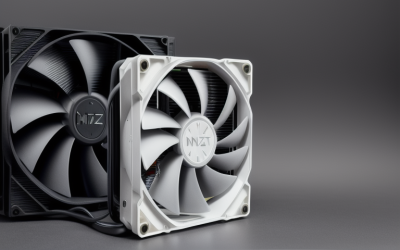
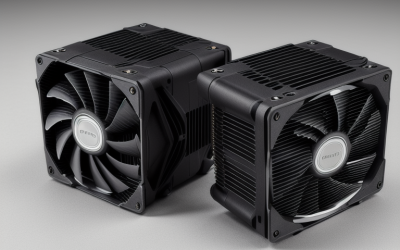
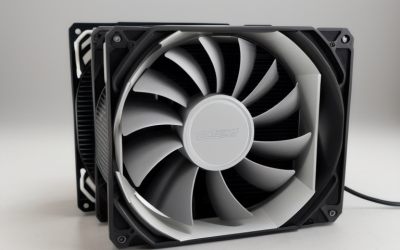
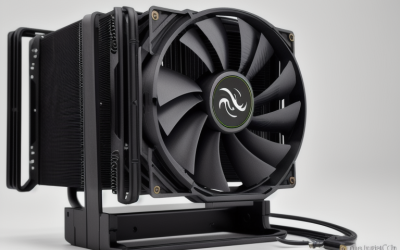
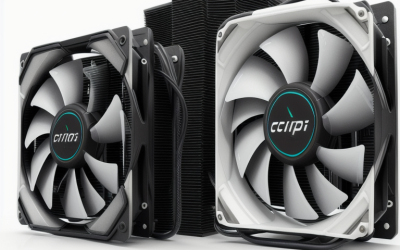
- Top Pick: be quiet! Pure Rock Pro 3 Black AMD and Intel Air CPU Cooler, 250W TDP | Double-Tower Compact Cooler, 2 Silent 120mm PWM Fans, 6 High Performance 6mm Heatpipes, High RAM/VRM Cooling Compatibility
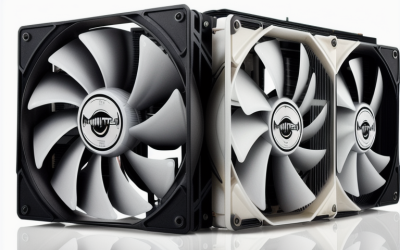
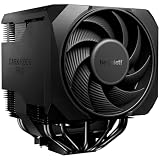
- Best Value: be quiet! Dark Rock Pro 6 Air CPU Cooler, 7 Heatpipes, 2 PWM Fans, 300W TDP | Semi-Passive Mode, High RAM and VRM Cooler Compatibility, 2 Silent Wings 135mm Fans, For Overclocking, 2 Mode Speed Switch
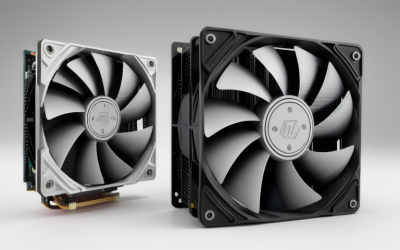
- Premium Choice: be quiet! Dark Rock 5 Air CPU Cooler, High RAM and VRM Cooler Compatibility | 6 high-Performance Heat Pipes, Silent Wings 4 120mm FDB PWM Fan, High RAM and VRM Cooler Compatibility, Silent Operation
Picking a be quiet! cooler is rarely about chasing the lowest possible temperature. The brand’s whole identity is low acoustic output, so the real decision is how much heat your processor produces, how much room your case gives you, and whether you want a heatsink with fans or a sealed liquid loop. Get those three answers right and the lineup sorts itself out quickly, because be quiet! sells a clear ladder from a 100W low-profile unit up to a 360mm radiator kit and a 300W twin-fan tower.
This guide is for builders who already know they want the quiet-first approach and need help choosing between eight listed models in 2026. It covers compact small-form-factor builds, mainstream gaming towers, and overclocked systems. Everything below is judged from the specifications in each product title, so treat the numbers as the manufacturer’s stated figures and match them against your own processor’s listed power and your case’s clearance before you commit.
Quick Picks
As an Amazon Associate we earn from qualifying purchases at no extra cost to you.




| Product | Best for | Key spec from the title |
|---|---|---|
| Pure Rock Pro 3 Black | All-round quiet air cooling | 250W TDP, double tower, 6 heatpipes |
| Dark Rock Pro 6 | Overclocked high-power chips | 300W TDP, 7 heatpipes, semi-passive mode |
| Dark Rock 5 | Single-fan premium air | 6 heatpipes, Silent Wings 4 120mm FDB fan |
| Pure Rock Pro 3 Silver | Light-colored builds | 250W TDP, 2 silent 120mm PWM fans |
| Pure Rock 3 LX Black | Mainstream builds with lighting | 190W TDP, ARGB 120mm PWM fan |
| Pure Loop 3 360mm | Mild overclocking, no lighting | 360mm AiO, 6-pole pump motor |
| Light Loop 360mm Black | Overclocked, lit-up builds | 3 ARGB PWM fans, ARGB-PWM-Hub |
| Pure Rock Low Profile | Small-form-factor cases | 100W TDP, max 30.6dB(A) |
How to Choose
Match the TDP figure to your processor, with headroom
The TDP numbers in these titles run from 100W to 300W, and they are a ceiling, not a target. A processor that draws 65W at stock will sit comfortably under the 100W low-profile model in an office-style machine, but a gaming chip that spikes well beyond its base figure needs a cooler with a wide margin. As a rule, pick a unit whose stated TDP is at least 30 to 40 percent above the power your chip pulls under a sustained load. Overclocking eats that margin quickly, which is why the 300W Dark Rock Pro 6 and the 360mm loops exist.
Check physical clearance before anything else
Air towers are tall and wide. Measure the distance from the CPU socket to your side panel, and confirm that the first memory slot will not collide with the fin stack. The titles for the tower models stress high RAM and VRM cooler compatibility, which hints at designs that leave room around the memory slots, but you should still check the manufacturer’s height and width figures. For a 360mm radiator, verify that your case supports a radiator of that length at the front or top, and that the tubes can reach the socket without kinking.
Decide between air and liquid on noise, not looks
Air coolers have no pump, so the only moving parts are fans. A 360mm all-in-one adds a pump motor on top of three fans, though the listed 6-pole pump design on the Pure Loop 3 is aimed at keeping that sound modest. Liquid helps when a chip is overclocked or when the case has poor airflow around the socket, because the radiator moves heat to a spot with fresh air. If neither applies, a tower is simpler and has fewer failure points.
Think about fan count, lighting, and what to ignore
Two fans on a double tower generally allow lower rotation speeds for the same airflow, which is how quiet coolers stay quiet. Lighting is cosmetic: the ARGB models add a header requirement, so confirm your board has a spare 5V addressable connector. Ignore the finish color when thermal performance matters, and be skeptical of any claim that treats a bigger heatsink as automatically better if your case cannot feed it fresh air. Budget-tier coolers usually cut corners with fewer heatpipes and a single small fan, so read the heatpipe count carefully.
The 8 Best Options
be quiet! Pure Rock Pro 3 Black
This double-tower air cooler targets builders who want solid cooling without any lighting. The title lists a 250W TDP, six 6mm heatpipes, and two silent 120mm PWM fans, plus high RAM and VRM cooling compatibility. That combination suits a gaming desktop with a mainstream or upper mid-range processor.
- Strength: the 250W TDP leaves useful headroom for processors that spike under load.
- Strength: two PWM fans let the board vary speed smoothly.
- Trade-off: a double tower is bulky, so confirm case width first.
Skip it if you want lighting or if your case is compact. Buyers with a modest processor and a narrow chassis will find the extra metal unnecessary, and a smaller tower would leave more room for memory and cables.
be quiet! Dark Rock Pro 6
The flagship tower in this group, aimed at buyers who push their silicon harder. The listing names seven heatpipes, two PWM fans including 135mm Silent Wings units, a 300W TDP, and a semi-passive mode that can stop the fans at light loads. A two-mode speed switch lets you lean toward silence or toward cooling.
- Strength: the highest TDP figure here, 300W, suits overclocking.
- Strength: semi-passive mode and the speed switch give real control over noise.
- Trade-off: it is the largest air cooler in the list, so memory and case clearance matter.
Skip it if your processor is modest or your case is narrow. A 300W-class tower on an efficient chip wastes space, and a smaller model would handle that job with less bulk.
be quiet! Dark Rock 5
A premium tower with a leaner layout. The title lists six high-performance heat pipes, one Silent Wings 4 120mm FDB PWM fan, and emphasizes high RAM and VRM compatibility and silent operation. It fits builders who value an uncluttered look and an easier path around tall memory kits.
- Strength: a fluid dynamic bearing fan is a durability-minded choice.
- Strength: the single-tower layout is friendlier to nearby components.
- Trade-off: no TDP figure is stated in the title, so verify the figure before pairing it with a hot chip.
Skip it if you need a published power ceiling up front. Shoppers who plan around a strict TDP margin should confirm the figure on the manufacturer’s page before relying on this tower for a hot, overclocked chip.
be quiet! Pure Rock Pro 3 Silver
This is the same double-tower design as the black version, with the title again naming a 250W TDP, two silent 120mm PWM fans, and six 6mm heatpipes. The silver finish is the only real difference, so it suits builds with light-colored motherboards, white cases, or a brushed-metal theme.
- Strength: it matches pale component palettes better than a black heatsink.
- Strength: it keeps the same 250W headroom as its sibling.
- Trade-off: it shares the black model’s width, so clearance rules are identical.
Skip it if your build is dark-themed; the black version blends in better. A silver heatsink stands out against black boards and cases, which some builders consider a feature and others a distraction.
be quiet! Pure Rock 3 LX Black
A step down in size, with a 190W TDP, one silent 120mm PWM ARGB fan, four 6mm heatpipes, and HDT technology. The title also stresses easy installation and high RAM and VRM compatibility, which makes it appealing for first-time builders who still want some lighting.
- Strength: it adds an addressable-lighting fan to a quiet-focused brand.
- Strength: the installation emphasis lowers the barrier for newcomers.
- Trade-off: 190W is the lowest tower TDP figure here, so skip it for heavily overclocked chips.
Skip it if your processor runs hot or you have no spare ARGB header. Anyone planning a power-hungry chip should step up to a double tower, since this single-fan design is sized for everyday gaming loads.
be quiet! Pure Loop 3 360mm
The title describes this non-RGB all-in-one as meant for slightly overclocking. It carries three silent 120mm PWM fans with high-speed daisy-chain wiring, a 6-pole pump motor, and a refill port. That daisy-chain design means fewer separate fan cables to hide.
- Strength: three fans spread airflow across a large radiator.
- Strength: the refill port suggests the loop is meant to be topped up over time.
- Trade-off: it requires a case that accepts a 360mm radiator.
Skip it if you want lighting or a simple tower install. Liquid loops involve radiator mounting and tube routing, so a first-time builder who values an easy afternoon may prefer one of the air coolers above.
be quiet! Light Loop 360mm Black
The lit sibling of the Pure Loop, listed for overclocked systems. The title names three 120mm PWM high-speed ARGB fans, an ARGB cooling block, an ARGB-PWM-Hub, and a refill port. The hub consolidates fan and lighting connections, which keeps cable routing manageable.
- Strength: the full ARGB package gives a coordinated look.
- Strength: it is positioned for overclocked processors rather than stock ones.
- Trade-off: lighting and a hub add wiring complexity.
Skip it if you prefer a plain, non-lit interior or lack radiator space. The lighting and hub only make sense in a case with a window, and a dark, windowless chassis gains nothing from them.
be quiet! Pure Rock Low Profile
Built for compact cases, with a 100W TDP, three 6mm heatpipes, and a noise figure of up to 30.6dB(A) in the title. It targets small-form-factor systems where a full tower simply will not fit under the lid.
- Strength: its low height opens up slim and home-theater cases.
- Strength: the stated 30.6dB(A) maximum is a clear, checkable noise figure.
- Trade-off: 100W limits it to efficient processors.
Skip it if your chip is a high-power model or you plan to overclock. A 100W ceiling leaves little margin for modern gaming processors, and a full-height tower is the better answer when your case has the space.
Which One Fits Your Situation
A quiet mainstream gaming tower
The Pure Rock Pro 3 Black is the sensible default. Its 250W TDP and twin fans cover most mainstream and upper mid-range processors, and the plain finish blends into almost any case.
An overclocked flagship processor
Choose the Dark Rock Pro 6 if you prefer air, or the Light Loop 360mm Black if your case takes a 360mm radiator and you want lighting. Both are positioned for overclocked systems in their titles.
A tiny living-room or office build
The Pure Rock Low Profile is the only model here designed for small-form-factor cases, and its 100W TDP matches the efficient processors those builds normally use.
A first build with a bit of lighting
The Pure Rock 3 LX Black pairs an ARGB fan with an easy-installation focus, so it suits someone assembling a PC for the first time who still wants a splash of color.
Common Mistakes
- Ignoring clearance: a double tower can block the first memory slot or hit the side panel if you skip the measurements.
- Reading TDP as a promise: the figure is a ceiling, so leave 30 to 40 percent of headroom over your chip’s sustained draw.
- Buying a 360mm radiator for a case that only supports 240mm or a top mount with poor tube reach.
- Forgetting the ARGB header: the lit models need a spare 5V addressable connector or a controller.
- Choosing by color alone: silver and black versions of the same cooler perform the same on paper, so decide on thermals first.
Related guides
- Battery Operated Smoke And Carbon Monoxide Detectors
- Combination Smoke And Carbon Monoxide Detectors
- Aio Liquid Coolers For High Performance Gaming
Frequently Asked Questions
Is liquid cooling quieter than air for a be quiet! build?
Not automatically. An all-in-one adds a pump motor to its three fans, while a tower has fans only. Liquid becomes the better choice when a processor is overclocked or the case airflow is weak.
Do the black and silver Pure Rock Pro 3 coolers differ in cooling?
Their titles list identical features: a 250W TDP, two silent 120mm PWM fans, and six 6mm heatpipes. The finish is the difference, so choose the one that matches your build’s color scheme.
What does semi-passive mode do?
The Dark Rock Pro 6 listing names a semi-passive mode, which is meant to let the fans idle or stop at light loads and spin up when the processor warms. It is useful for near-silent desktop work.
Can these coolers fit both AMD and Intel sockets?
The titles for the Pure Rock Pro 3, Pure Rock 3 LX, and Pure Rock Low Profile say AMD and Intel, but the others do not state socket support. Check the manufacturer’s compatibility list for your exact socket before buying.