
- Top Pick: Mini Smartphone 3.0" HD Touchscreen – Unlocked Android Compact Mobile Phone for Kids & Students | Smallest Cell Phone for Travel Backup & Digital Detox | WiFi, GPS, Face ID, Dual SIM, 2GB+16GB, Blue
- Best Value: Ulefone Note 23 4G Unlocked Cell Phone, 6.56" Android 16, 3GB+32GB, 5000mAh | 90Hz Screen Mobile Smartphone, Unisoc T7100, 17GB RAM Virtual+2TB ROM Expandable, 3-Card Slot, Face Unlock, USB-C, Deep Blue
- Premium Choice: Ulefone Note 22 Unlocked Smartphone, 5" Android 16 Go 4G Cell Phone, Black | 20GB RAM (3GB+17GB virtual), 32GB ROM, 2TB expandable, removable 3000mAh battery, Dual SIM 4G, Face Unlock, USB-C
Student phone shopping splits into two different jobs. One is the daily driver that holds class schedules, group chats, maps and a digital reader. The other is a small second phone that keeps a student away from a distracting main device during study hours or on the commute. The six handsets below cover both jobs, and the listed specs make the split obvious: two full-screen Ulefone models on one side, four 3.0-inch pocket phones on the other.
This guide is written for high schoolers, college freshmen and the parents shopping for them, plus anyone who wants an unlocked Android handset without a carrier contract. Everything here is judged from the specifications stated in each listing for 2026, so treat it as a shortlist rather than a verdict. Confirm network compatibility with your carrier before you commit, and decide first whether this will be the only phone a student carries or a companion to a laptop and a main handset.
Quick Picks
As an Amazon Associate we earn from qualifying purchases at no extra cost to you.


| Product | Best for | Key spec from the title |
|---|---|---|
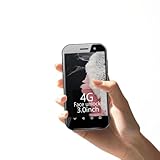
| BLKE AIR Mini Smartphone | Digital detox second phone | 3.0 inch HD screen, 2GB+16GB, Face ID, Dual SIM |
| Ulefone Note 23 | Main phone for reading and video | 6.56 inch, 90Hz, 5000mAh, Android 16 |
| Ulefone Note 22 | Compact main phone with a swappable battery | 5 inch, Android 16 Go, removable 3000mAh |
| Zylofy Mini Phone | Younger students and travel backup | 3.0 inch, quad core, Dual SIM, 2GB+16GB |
| Sudroid Mini 4G | Pocket phone with more storage | 3.0 inch, 4G, 3+32GB |
| IBOZOU Mini Phone 4G | Pocket phone with a stated battery size | 3.0 inch HD, 4G, 2600mAh, 3+32G |
How to Choose
Match the screen size to the job
A 3.0-inch panel fits in a shirt pocket but makes long messages, PDF readings and maps slow to work with. Stepping up to 5 inches gives a compact phone that still handles chat and notes, while 6.56 inches is the size students usually want for video lectures and e-books. If the phone is the only device a student owns, skip the 3.0-inch group entirely. If it is a second device for calls, music and navigation, a small body is the whole point, and the missing screen area is a feature rather than a flaw.
Memory and storage floors
The lowest configuration in this group is 2GB of RAM with 16GB of storage, which leaves little room once a messaging app, a notes app and a few course apps are installed. Look for 3GB and 32GB as a practical floor. Be careful with virtual RAM figures such as the 17GB shown on the Ulefone listings: virtual RAM borrows from storage and sits on top of the physical 3GB, so judge the phone by the physical number. A microSD slot, listed here as expandable up to 2TB on both Ulefone models, is a simple way to hold lecture recordings, scanned notes and photos without filling the internal drive. The pocket models do not state a card slot in their titles, so assume the built-in 16GB or 32GB is all you get unless the full listing says otherwise.
Battery size and charging
A student away from an outlet from first bell to evening practice should aim for roughly 4000mAh or more on a full-size phone. The Note 23 lists 5000mAh, the Note 22 lists a removable 3000mAh pack, and the IBOZOU lists 2600mAh. Smaller screens draw less, which helps the pocket models, but a small battery is still the first thing to run out on a long day. A removable battery lets a student carry a spare for exam days. USB-C, listed on both Ulefone phones, means one cable can serve a laptop, a tablet and a phone.
Network, SIM and security basics
Several titles say 4G, and most list dual SIM. Before buying, check that the carrier your family uses supports the phone’s bands, because a handset that fits perfectly on paper can still fall back to weak coverage in a dorm or a school building. Face unlock appears across the group; treat it as a convenience feature and add a PIN as well. Budget handsets also tend to cut corners on cameras, software update support and water resistance, so do not expect those areas to be strong here, and keep a case on whichever model you choose. Backpacks, gym lockers and lecture-hall floors are hard on any handset, and a spare charging cable in the bag is the simplest insurance against a dead phone before an evening class.
The 6 Best Options
BLKE AIR Mini Smartphone
This is a 3.0-inch unlocked Android phone pitched as a detox and travel backup device, with Face ID, dual SIM, WiFi and GPS in the listing. It suits a student who wants a deliberately limited phone for calls, music and directions, and it is easy to hand to a younger sibling or keep in a bag as a spare.
- Pocket size with GPS listed, handy for walking between campus buildings
- Dual SIM allows a school line and a personal line on one body
- Trade-off: 2GB+16GB is the lowest memory configuration here, so app choices will be limited
Skip it if the phone must be your only device or you read a lot of PDFs.
Ulefone Note 23
The largest phone in the group, with a 6.56-inch screen, 90Hz refresh, Android 16 and a 5000mAh battery. It is the natural choice when one handset has to cover everything from lecture videos to group chat, and its USB-C port and three-card slot add flexibility for storage and a second line.
- Big screen and 90Hz make scrolling through readings and timetables easier on the eyes
- 5000mAh is the largest battery listed in this roundup
- Trade-off: only 3GB of physical RAM with 32GB storage, so heavy multitasking is not the goal
Skip it if you want something that disappears into a small pocket or a tight waistband.
Ulefone Note 22
A 5-inch Android 16 Go phone with a removable 3000mAh battery, dual SIM 4G and USB-C. It sits between the pocket models and the Note 23, and the Go edition of Android is built for lighter hardware, which suits a student who mostly messages, browses and takes notes.
- Removable battery means a spare can ride in a backpack for long days
- Expandable up to 2TB through the card slot, with face unlock included
- Trade-off: the 3000mAh pack is smaller than the Note 23’s, so heavy daily use may need a midday top-up
Skip it if you want a large display for streaming, e-books or split-screen work.
Zylofy Mini Phone
A 3.0-inch quad-core mini phone aimed at kids and students, with dual SIM, Face ID and 2GB+16GB. Its listing leans on the smallest-cell-phone angle, so the target is a simple, compact device for a younger student or a bag-bottom backup.
- Light and small enough for a jacket pocket or a pencil case
- Dual SIM support on a very small body gives some flexibility on lines
- Trade-off: the title does not state 4G, so verify network support before purchase
Skip it if you need a phone for note-taking, reading long documents or running many apps at once.
Sudroid Mini 4G
A 3.0-inch 4G smartphone with dual SIM, quad-core processor and 3+32GB. The memory spec is a step above the 2GB+16GB pocket phones, which matters for installing more than the basics such as a calendar, a messaging app and a language-learning tool.
- 3+32GB gives more app room than the 2GB+16GB mini models
- 4G is stated directly in the product name, which removes one question mark
- Trade-off: the title gives no battery capacity, so endurance is unknown until you check the full listing
Skip it if battery size is a deciding factor and you want it printed in the title.
IBOZOU Mini Phone 4G
A 3.0-inch HD Android mini phone with 4G, Face ID, dual SIM, quad-core processor, 2600mAh battery and 3+32G. It is the only pocket model that lists its battery capacity, which makes comparison straightforward for a careful shopper.
- Battery capacity is published, so you can compare it directly with the others
- 3+32G matches the Sudroid on memory, with 4G and Face ID on top
- Trade-off: 2600mAh is the smallest battery in the group, and a small screen can still drain it during a long day
Skip it if your day runs long without access to a charger.
Which One Fits Your Situation
One phone for everything
Pick the Ulefone Note 23. The 6.56-inch screen, 90Hz panel and 5000mAh battery suit a student who has no other device and needs a phone for reading, messaging and navigation across a full school day. It is also the only model here whose screen size makes split attention between a video and a notes app realistic.
A smaller main phone
The Ulefone Note 22 keeps a 5-inch body and a removable battery. It fits a student who dislikes large phones and wants the option to carry a spare pack through exam week. Its smaller footprint also suits students with small hands who find six-inch phones awkward to use one-handed on a crowded bus.
A distraction-free second phone
The BLKE AIR Mini Smartphone is built around the detox idea, with Face ID, dual SIM and GPS in a tiny body. Leave the main phone at home during study blocks and carry this one for calls and directions. It also works as a backup for the day a main phone cracks or runs out of battery on a field trip.
A pocket phone with more room for apps
Choose the Sudroid Mini 4G or the IBOZOU Mini Phone 4G for 3+32GB on a 3.0-inch screen. The IBOZOU is the pick if you want the battery size stated up front; the Sudroid is the pick if you prefer to compare other specs first.
Common Mistakes
- Buying a 3.0-inch phone as a main device and then struggling with readings, maps and long messages.
- Reading virtual RAM as if it were physical RAM, when the physical figure is only 2GB or 3GB.
- Skipping a carrier compatibility check on an unlocked handset and finding weak coverage later.
- Ignoring battery capacity because the screen is small.
- Relying on face unlock alone instead of adding a PIN.
Related guides
- Battery Operated Smoke And Carbon Monoxide Detectors
- Combination Smoke And Carbon Monoxide Detectors
- Aio Liquid Coolers For High Performance Gaming
Frequently Asked Questions
Are mini phones suitable as a student’s only phone?
Usually not. A 3.0-inch screen is great for calls, music and maps, but it is slow for reading and typing. They work best as a second device alongside a laptop or a larger main phone.
How much storage does a student need?
Aim for 32GB as a minimum, and look for a card slot if you record lectures or save lots of photos. The Ulefone listings state expansion up to 2TB, which is plenty for a school year of files.
Does Android 16 Go matter?
Go editions are designed for devices with modest memory, so they tend to run lighter apps smoothly. Expect a simpler setup than a full Android build on a high-end phone, with fewer bundled extras. For a student who mainly messages, browses and keeps a calendar, that lighter approach is usually enough, and it leaves more storage free for coursework files.
Will an unlocked phone work with my carrier?
Not automatically. Check the supported bands against your carrier’s network and confirm the SIM size and count before ordering, especially if you plan to use both SIM slots.