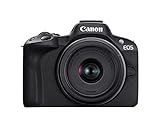
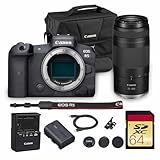
- Top Pick: AKASO EK7000 4K30FPS 20MP WiFi Action Camera with EIS Ultra HD 131FT Waterproof Underwater Camera Remote Control 4X Zoom Support External Microphone Black
- Best Value: DJI Osmo Action 4 Essential Combo, Waterproof Action Camera Vlogging Camera | 1/1.3" Sensor, 4K/120fps Video, Stunning Low-Light Imaging, 10-bit & D-Log M Color Performance, Long-Lasting 160 Mins
- Premium Choice: DJI Osmo Action 5 Pro Essential Combo, Waterproof Action Camera | 1/1.3" Sensor, 4K/120fps Video, Subject Tracking, Stabilization, Dual OLED Touchscreens, 47GB Storage, Vlogging Camera
Picking an action camera starts with what the footage is for, not with the biggest number on the box. A rider with a camera on a helmet needs stabilization that copes with vibration, a snorkeler needs a listed depth limit, and a travel vlogger wants a screen that is usable in glare plus decent output in dim rooms. The seven models below span that range, from entry-level 4K 30fps units to a bundle that lists 8K video, and each one is judged only on the specifications printed in its listing.
This guide is for first-time buyers who want a camera that shrugs off splashes and bumps, and for upgraders deciding whether a larger sensor or a 360-degree design justifies the jump in 2026. If you mostly post short clips to social feeds, the lower tiers cover it. If you color-grade footage or shoot at dusk, the sensor size and bit-depth lines in the table below matter far more.
Quick Picks
As an Amazon Associate we earn from qualifying purchases at no extra cost to you.

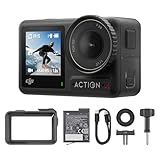

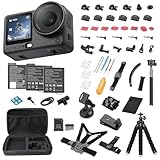


| Product | Best for | Key spec from the title |
|---|---|---|
| AKASO EK7000 | First action camera, light use | 4K 30fps, 20MP, 131 ft waterproof |
| DJI Osmo Action 4 Essential Combo | Low-light and color work | 1/1.3-inch sensor, 4K/120fps, 10-bit |
| DJI Osmo Action 5 Pro Essential Combo | Solo vlogging and tracking | Dual OLED touchscreens, 47GB storage |
| DJI Osmo Action 6 Bundle | Maximum resolution, trip-ready kit | 8K video, 1/1.1-inch square sensor |
| Insta360 X3 | Reframe-later 360 shooting | 5.7K 360 Active HDR video |
| GoPro LIT Hero | Compact, light-assisted shooting | 4K60 video, built-in light |
| AKASO Brave 4 | Sports mounting on a tight plan | 4K 30fps, EIS, 5X zoom |
How to Choose
Sensor size and low-light behavior
Sensor size is the quiet spec that decides how footage looks indoors, at sunset, or underwater below the bright surface layer. Entry-level cameras commonly use small sensors, while the DJI models here list a 1/1.3-inch sensor and the Action 6 lists a 1/1.1-inch square one. A bigger sensor gathers more light per pixel, which usually means cleaner shadows. If most of your clips happen at noon on a ski slope, a small sensor is acceptable; if you ride at dawn or film in a garage, look for the larger numbers.
Resolution, frame rate, and bit depth
Resolution gets the headlines, but frame rate sets what you can do in the edit. 4K at 30fps suits ordinary clips. 4K at 60fps smooths fast motion. 4K at 120fps lets you stretch a moment into roughly four times slower playback on a 30fps timeline. Bit depth is the other overlooked line: 10-bit footage holds far more color steps than 8-bit, so skies and skin tones grade without banding. Ignore digital zoom claims such as 4X or 5X; they crop the image rather than add detail. Megapixel counts for stills deserve the same skepticism: 12MP and 20MP photos are both plenty for screens, and budget models sometimes interpolate to reach the larger figure, so treat that number as a footnote rather than a deciding factor.
Battery, storage, and what the bundle includes
Check how long one battery lasts and how footage is stored. The Action 4 lists 160 minutes, the Action 5 Pro lists 47GB of storage, and the Action 6 bundle lists 50GB built in plus two extra batteries and a 64GB card. For cameras that rely on a microSD card, plan on a fast card built for video recording, and carry at least one spare battery for a full day out. Accessory kits sound generous, yet many mounts in them go unused, so weigh the camera body first and the kit second.
Stabilization, waterproofing, and form factor
Electronic stabilization (EIS) is listed on both AKASO models, HyperSmooth on the GoPro, and FlowState on the Insta360. All of them smooth handheld and mounted footage, but none replaces a firm mount. Waterproof figures such as 131 feet describe the camera body, so confirm whether a separate housing is needed for deeper dives. A 360 camera records everything around you and lets you choose the framing later, which is handy for motorcycle and winter sports riding, while a single-lens camera gives a simpler workflow. Budget models tend to cut corners on sensor size, microphone input, and screen quality, whereas premium ones add larger sensors, deeper color, and built-in storage.
The 7 Best Options
AKASO EK7000
This is the entry point for anyone curious about action footage without a large commitment. The listing shows 4K at 30fps, 20MP stills, WiFi, EIS, remote control, and support for an external microphone. That mix suits a beginner who wants to try mounting a camera on a bike, a kayak, or a dog harness before deciding how seriously to take the hobby.
- Strength: the external microphone support is uncommon at this tier and helps for talking-head clips.
- Strength: a listed 131 feet of waterproofing covers snorkeling and beach days.
- Trade-off: 30fps tops out the smoothness, so fast sports will not slow down well.
Skip it if you want slow motion or strong dim-light output.
DJI Osmo Action 4 Essential Combo
Aimed at people who care how footage looks after sunset. The title lists a 1/1.3-inch sensor, 4K/120fps, low-light imaging, 10-bit with D-Log M color, and a 160-minute battery figure. For hobbyists who plan to color-grade clips from evening rides or indoor sessions, those are the lines to read first, and the Essential label tells you this is the leaner of the two Action 4 packages.
- Strength: 10-bit and D-Log M give editors room to grade color.
- Strength: 4K/120fps opens up slow-motion shots.
- Trade-off: the Essential Combo label points to a lighter accessory set than the bigger bundles.
Skip it if you want the newest tracking features or built-in storage.
DJI Osmo Action 5 Pro Essential Combo
A fit for solo creators who film themselves. The listing mentions the same 1/1.3-inch sensor and 4K/120fps as the Action 4, then adds subject tracking, stabilization, dual OLED touchscreens, and 47GB of storage. The tracking feature is aimed at vloggers and instructors who move around the frame without a camera operator, which is where an automatic follow mode earns its place.
- Strength: screens on both sides make framing yourself easier.
- Strength: built-in storage reduces dependence on a card for short outings.
- Trade-off: the listing gives no battery duration, so confirm it before a long shoot.
Skip it if you never turn the camera on yourself.
DJI Osmo Action 6 Bundle
The most complete package here, built for travelers who want one box that is ready to go. It lists 8K video, a 1/1.1-inch square sensor, 50GB of built-in storage, a 58-in-1 accessory kit, two extra batteries, and a 64GB card. Because the bundle reaches for the top of the lineup, it makes the most sense for buyers who already own a computer that can handle large video files and who want fewer follow-up purchases.
- Strength: the largest sensor on this list plus 8K resolution.
- Strength: spare batteries and a card are included from the start.
- Trade-off: 8K files demand fast cards and a capable computer to edit.
Skip it if 4K output is plenty for your channel.
Insta360 X3
Different by design: it records 5.7K 360 Active HDR video and also works as a 4K single-lens camera. The title lists FlowState stabilization, a 2.29-inch touchscreen, AI editing, and waterproofing, and it names motorcycle, winter sports, and vlogging. It appeals to riders and skiers who would rather not worry about aiming the lens, since the whole scene is captured and the framing is decided later at a desk.
- Strength: 360 capture lets you pick the angle after the ride.
- Strength: AI editing tools speed up turning raw clips into shareable ones.
- Trade-off: the single-lens 4K mode is a fallback, and 360 files need extra editing steps.
Skip it if you want a point-and-record workflow.
GoPro LIT Hero
A small, lightweight pick for people who film in awkward lighting. It lists 4K60 video, 12MP photos, a touch screen, HyperSmooth stabilization, waterproofing, and a built-in light. The light is the unusual feature, and it points toward campsite, cave, or indoor-workshop shooting where a bare action camera would struggle, while the compact body keeps it easy to clip to a bag strap.
- Strength: the built-in light helps close-up clips when ambient light is poor.
- Strength: 4K60 gives smoother motion than 30fps cameras.
- Trade-off: no sensor size or 10-bit mode appears in the title, so color-grading headroom is unknown.
Skip it if you shoot mostly at long distances in daylight.
AKASO Brave 4
Targeted at helmet, bicycle, and snorkel use, with a kit of mounts. The listing shows 4K 30fps, 20MP stills, EIS, WiFi, 5X zoom, and 131 feet of waterproofing. The helmet, bicycle, and snorkel keywords in the title make the intended audience clear: families and weekend athletes who want one camera that rides along on every outing without needing separate purchases for mounts.
- Strength: the accessory kit mentions helmet and bike mounting from the start.
- Strength: EIS plus WiFi covers stable clips and quick phone transfer.
- Trade-off: 4K maxes out at 30fps, so slow motion is limited.
Skip it if low-light quality or color depth is a priority.
Which One Fits Your Situation
You film mountain biking on weekends
The AKASO Brave 4 brings a mounting kit and EIS, while the DJI Osmo Action 4 Essential Combo adds 4K/120fps for slowed-down jumps. Choose the DJI if you want that slow-motion headroom.
You vlog while traveling
The DJI Osmo Action 6 Bundle packs batteries, storage, and an accessory kit into one purchase, which is simpler than building a kit piece by piece. The Osmo Action 5 Pro is the lighter alternative.
You ride a motorcycle or ski
The Insta360 X3 names both activities in its title and lets you choose the framing afterward, which suits unpredictable lines and fast terrain.
You are just starting the hobby
Start with the AKASO EK7000. It covers waterproofing and remote control, and you can move up to a larger sensor later once you know what you shoot most.
Common Mistakes
- Chasing the highest resolution while ignoring sensor size, which governs low-light results.
- Assuming a waterproof listing covers deep dives; check whether a housing is required.
- Skipping a spare battery and discovering the day’s best light arrives after the first one drains.
- Buying a 360 camera and never learning the reframing workflow, then wondering why it feels slow.
- Counting digital zoom as optical zoom when comparing models.
Related guides
- Combination Smoke And Carbon Monoxide Detectors
- Aio Liquid Coolers For High Performance Gaming
- Graphics Cards For Low Wattage Power Supplies
Frequently Asked Questions
Does 8K make sense for an action camera?
Only if you edit on a capable computer and want room to crop. For most social video, 4K at 60fps or 120fps looks sharper in motion than 8K at a low frame rate.
Does a bigger sensor matter?
If you film in dim light, yes, it shows. For bright outdoor sports, a smaller sensor is acceptable and smaller cameras are easier to mount.
What is the difference between EIS and the brand-named stabilizers?
EIS is electronic stabilization done in software by cropping and shifting the frame. HyperSmooth and FlowState are brand names for similar digital approaches. Judge the mounting as much as the label.
Is a bundle the smarter buy?
Bundles help if the extras are batteries and cards you would buy anyway. If the kit mostly adds mounts you will not use, choose the plain combo.