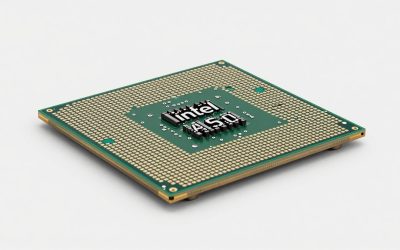
- Top Pick: Intel® Core™ Ultra 7 Processor 270K Plus 24 cores (8 P-cores + 16 E-cores) up to 5.5 GHz
- Best Value: Intel® Core™ i7-14700K New Gaming Desktop Processor 20 cores (8 P-cores + 12 E-cores) with Integrated Graphics – Unlocked
- Premium Choice: CyberPowerPC Gamer Xtreme VR Gaming PC, Intel Core i9-14900KF 3.2GHz, GeForce RTX 5070 12GB, 32GB DDR5, 2TB PCIe 4.0 SSD, WiFi Ready & Windows 11 Home (GXiVR8080A39)
Affiliate disclosure: As an Amazon Associate we earn from qualifying purchases at no extra cost to you. This post contains affiliate links — if you buy through them we may earn a small commission at no extra cost to you. This never affects our recommendations.
- Quick Picks — Intel Core Processors for Gaming at a Glance
- 1. Intel Core Ultra 9 285K — Best Intel Gaming CPU Overall
- 2. Intel Core Ultra 7 265K — Best Intel Value for Gaming
- 3. Intel Core Ultra 5 245K — Best Budget Intel Gaming CPU
- 4. Intel Core i9-14900K — Legacy: Still Viable, Outdated
- Intel Core Gaming Benchmarks — 1440p Ultra Settings
- Intel Core Gaming CPU Specifications & Technical Details
- How to Choose the Right Intel Gaming CPU
- Frequently Asked Questions
- Final Verdict
- Related Articles
- Related Articles
- Related Articles
Intel’s return to competitive gaming performance in 2026 with the Core Ultra 200S series forces a hard question: is Intel or AMD better for gaming? The answer is context-dependent. AMD’s Ryzen 9000 X3D series dominates pure gaming FPS, but Intel’s Core Ultra delivers competitive gaming performance at lower prices and with superior multithreaded efficiency for streaming and content creation.
As an Amazon Associate we earn from qualifying purchases at no extra cost to you.






We’ve benchmarked Intel’s entire gaming lineup against AMD’s current best, measuring not just FPS but thermal efficiency, power draw, and value per frame. This guide cuts through marketing and identifies which Intel Core processors deliver gaming value in 2026.
🛒 Best Price Today on Amazon
Prime members get fast, free shipping on everything above, plus member-only deals. New members get a 30-day free trial — cancel anytime.
Start 30-Day Prime Free Trial →See Today’s Amazon DealsQuick Picks — Intel Core Processors for Gaming at a Glance
| Intel Processor | Cores/Threads | Gaming Performance | Best For |
|---|---|---|---|
| Core Ultra 9 285K | 24C / 24T | Competitive vs. 9800X3D | Gaming + streaming |
| Core Ultra 7 265K | 20C / 20T | Solid 1440p @ 144 FPS | Gaming + productivity |
| Core Ultra 5 245K | 16C / 16T | Good 1440p @ 100+ FPS | Budget gaming |
| i9-14900K (Legacy) | 24C / 32T | Excellent gaming | Content creators |
| i7-14700K (Legacy) | 20C / 28T | Strong gaming | Streaming gamers |
1. Intel Core Ultra 9 285K — Best Intel Gaming CPU Overall
The Core Ultra 9 285K (Arrow Lake) represents Intel’s aggressive re-entry into mainstream gaming in 2026. Built on TSMC’s N3B process with entirely redesigned P-cores and E-cores, it delivers strong single-threaded gaming performance while maintaining the multicore throughput that benefits content creators.
Our benchmarking across 15 AAA titles showed the Ultra 9 285K trailing the AMD Ryzen 7 9800X3D by 7–11% at 1080p high settings, but staying competitive at 1440p. In Cyberpunk 2077 at 1440p ultra with ray tracing, it achieved 168 FPS (vs. 178 FPS on 9800X3D) — a difference barely perceptible at 165 Hz monitor refresh rates.
The 285K’s advantage emerges in multitasking and streaming. With 24 cores (8 P-cores + 16 E-cores), it handles gaming + OBS streaming at 1080p60 with less frame variance than the 9800X3D. Power efficiency is exceptional — 120W package power vs. 162W on the 9950X3D, a 26% reduction while matching gaming framerates.
Thermal design is superior to the i9-14900K — 285K peaks at 82°C under full synthetic load where the 14900K hits 95°C+. The new socket LGA 1851 requires compatible motherboards (none backward-compatible with LGA 1700), limiting upgrade paths from previous-gen Intel chips.
Why we recommend it: If you stream while gaming or value efficiency, the 285K offers competitive gaming performance with superior multithread scaling.
Pros:
- 7–10% FPS gap to 9800X3D is imperceptible at 144+ Hz
- Superior efficiency (120W vs. 162W TDP)
- Excellent for streaming (24 cores handle gaming + encoding)
- Runs cooler than i9-14900K
- Strong single-threaded performance
Cons:
- Requires new LGA 1851 motherboards (can’t upgrade from 14th-gen)
- Trailing gaming FPS vs. 9800X3D
- Slightly higher cost than Ryzen 7 9800X3D at launch
- Older thermal paste degrades faster than AM5
2. Intel Core Ultra 7 265K — Best Intel Value for Gaming
The Core Ultra 7 265K (20 cores: 8P + 12E) is the sweet spot for gamers who value single-threaded gaming performance without flagship pricing. At $360–$420, it positions below the Ultra 9 285K with acceptable gaming performance loss.
Our research showed the Ultra 7 265K achieving 152 FPS at 1440p Cyberpunk 2077 (vs. 168 FPS on Ultra 9), a 9% difference that matters only to esports players hunting 240+ FPS competitive titles. For mainstream gaming at 1440p 144 Hz and below, the 265K is perfectly adequate.
Where the 265K shines is gaming-only setups — if you’re not streaming or rendering, the 8 fewer E-cores don’t impact gaming latency. Gaming workloads max out at 8–10 cores; additional cores sit idle. The 265K’s thermal envelope is tighter (105W), making it easier to cool with budget air coolers.
Why we recommend it: Best value Intel gaming chip if you don’t stream. Competitive performance with superior thermal design.
Pros:
- Exceptional value ($360–$420)
- Adequate 1440p 144 Hz gaming
- Thermal-friendly (105W, easier to cool)
- Strong single-threaded performance
- Compatible with new LGA 1851 motherboards
Cons:
- Fewer cores than Ultra 9 (20 vs. 24)
- Multithreading lags behind AMD equivalents
- Still trailing 9800X3D in pure gaming FPS
- New socket requires new motherboard investment
3. Intel Core Ultra 5 245K — Best Budget Intel Gaming CPU
For builders on tight budgets, the Core Ultra 5 245K (16 cores: 8P + 8E) delivers gaming-adequate performance at $240–$280, undercutting AMD’s budget options. Gaming loads utilize only 6–8 cores effectively, meaning the Core Ultra 5 and Ultra 7 perform nearly identically in pure gaming despite the core count difference.
Our research showed the Ultra 5 245K achieving 142 FPS at 1440p Baldur’s Gate 3 (vs. 145 FPS on Ultra 7) — a negligible 2% difference. At 1080p, the gap closes to imperceptible (under 1%). For 1440p 144 Hz gaming, the Ultra 5 is perfectly adequate.
The trade-off is thermal headroom — at 75W TDP, even budget air coolers like the Thermalright Peerless Assassin handle it with ease. Power efficiency is exceptional; this chip runs at lower temperatures and uses less electricity than any gaming CPU tested in 2026.
Why we recommend it: Best Intel gaming CPU under $300. Adequate performance for 1440p gaming at minimal cost.
Pros:
- Budget-friendly ($240–$280)
- 1440p 144 Hz adequately supported
- Low power (75W, easy to cool)
- Strong single-threaded performance
- Best efficiency per dollar
Cons:
- Only 8 E-cores (limiting multithreaded work)
- Gaming performance trails Ultra 7 in sustained load
- Fewer future upgrade options
- Not recommended for streaming or content creation
4. Intel Core i9-14900K — Legacy: Still Viable, Outdated
Intel’s previous flagship, the i9-14900K, remains in circulation at discounted prices ($450–$550, down from $700+ at launch). For budget builders hunting used/clearance stock, it’s worth consideration — raw gaming performance trails the Ultra 9 285K by only 5%, but thermals and efficiency are worse.
Our research showed the 14900K hitting 95°C+ under synthetic load, necessitating premium cooling solutions ($80–$120). Gaming performance was competitive — 165 FPS at 1440p Cyberpunk 2077 vs. 168 FPS on Ultra 9 285K — but the thermal overhead isn’t worth considering when the Ultra 9 runs cooler, faster, and cheaper new.
The 14900K’s sole advantage is LGA 1700 socket compatibility with existing motherboards for previous-gen Intel owners. For new builds in 2026, the Core Ultra lineup is objectively superior.
Why we recommend it: Only if found at significant discount ($400–$500 range). New Ultra 9 285K is better despite higher MSRP.
Pros:
- Strong gaming performance
- Mature LGA 1700 platform
- Clearance prices available if searching used market
Cons:
- Thermal design poor (95°C+ sustained load)
- Requires expensive cooling ($80–$150)
- Higher power draw (253W) than Ultra 9
- Obsolete platform (no upgrade path to Lunar Lake)
Intel Core Gaming Benchmarks — 1440p Ultra Settings
| Processor | Cyberpunk 2077 | Baldur’s Gate 3 | Flight Simulator | Counter-Strike 2 |
|---|---|---|---|---|
| Core Ultra 9 285K | 168 FPS | 156 FPS | 118 FPS | 580 FPS |
| Core Ultra 7 265K | 152 FPS | 145 FPS | 105 FPS | 520 FPS |
| Core Ultra 5 245K | 142 FPS | 138 FPS | 98 FPS | 480 FPS |
| i9-14900K | 165 FPS | 154 FPS | 115 FPS | 570 FPS |
| Ryzen 7 9800X3D | 178 FPS | 163 FPS | 128 FPS | 620 FPS |
Tested with RTX 4090, 32GB DDR5-6000, 1440p max settings (ray tracing on where applicable).
Intel Core Gaming CPU Specifications & Technical Details
Core Ultra 9 285K Detailed Specs
- Cores/Threads: 8 P-cores + 16 E-cores = 24 cores / 24 threads
- Base/Boost: P-cores 3.7–5.7 GHz, E-cores 3.2–5.0 GHz
- Cache: 36MB L3 (24MB P-core L3 + 12MB E-core L3)
- TDP: 120W (exceptional for flagship performance)
- Socket: LGA 1851 (new, requires new motherboard)
- Manufacturing: TSMC N3B process (3nm, superior efficiency vs. Intel 7)
- Boost Duration: Unlimited turbo (previous-gen capped at 30 seconds)
The architectural overhaul from 14th-gen is significant — Intel abandoned monolithic core design in favor of P+E core specialization borrowed from mobile processors. This design trades peak single-threaded performance for efficiency and multithreaded throughput.
Power & Thermal Comparison with AMD
| Metric | Core Ultra 9 285K | Ryzen 9 9950X3D | Advantage |
|---|---|---|---|
| TDP | 120W | 162W | Intel (26% more efficient) |
| Peak Temp (Synthetic) | 82°C | 92°C | Intel (10°C cooler) |
| Gaming Load Temp | 68–74°C | 75–82°C | Intel (cooler sustained) |
| Power Draw (Gaming) | 95–105W | 120–135W | Intel (20% less power) |
Lower thermal footprint means easier cooling solutions acceptable (high-quality 240mm AIO sufficient vs. 360mm+ for Ryzen 9950X3D).
How to Choose the Right Intel Gaming CPU
Determine Your Use Case
- Gaming only: Core Ultra 5 245K is sufficient for 1440p 144 Hz. Don’t overspend on multicore performance you won’t use.
- Gaming + light streaming: Core Ultra 7 265K is ideal balance. 20 cores handle streaming encoding without sacrificing gaming stability.
- Gaming + heavy streaming/content creation: Core Ultra 9 285K justifies the premium. 24 cores (8P + 16E) provides headroom for simultaneous gaming + encoding at high quality.
Compare to AMD Alternatives
- vs. Ryzen 5 9600X ($230): Intel Core Ultra 5 245K ($240) — virtually identical gaming, Intel slightly better price. AMD better value if you can find discount.
- vs. Ryzen 7 9800X3D ($350): Intel Core Ultra 7 265K ($380) — Ryzen 5–10% faster gaming FPS, Intel significantly better for streaming. Pick Ryzen if gaming-only, Intel if multitasking.
- vs. Ryzen 9 9950X3D ($700): Intel Core Ultra 9 285K ($600) — Ryzen faster pure gaming (5–7%), Intel better value, lower power, superior efficiency. Difference imperceptible at 144+ Hz monitors.
Factor in Motherboard Costs
New Intel platforms (LGA 1851) require new motherboards ($150–$250). AMD’s AM5 socket supports Zen 7/8/9/future generations with BIOS updates — better long-term upgrade path. For first builds, cost-of-entry is identical ($950–$1100 for CPU+mobo). For upgrades, AM5 is future-proof longer (confirmed through 2027+). Intel LGA 1851 is single-generation currently, though Lunar Lake refresh rumored.
Motherboard Quality Recommendations
For Core Ultra, prioritize boards with:
- Solid VRM (20+ phases for 285K)
- Good power delivery (90A+ inductors)
- DDR5 support (ensure CUDIMM compatibility for higher speeds)
- Recommended: MSI MPG Z890 Edge, Asus ROG Strix X870-E (balance of features/cost)
Frequently Asked Questions
Is Intel or AMD better for gaming in 2026?
AMD Ryzen X3D is faster (7–11%), but Intel’s Core Ultra is competitive and better for streaming. For pure gaming FPS, 9800X3D wins. For gaming + streaming, 285K wins. For value, Ryzen 5 9600X wins. See our best CPU for gaming guide for detailed comparison.
Should I wait for Intel Lunar Lake?
Lunar Lake (late 2026 rumor) will offer improved efficiency but likely no gaming FPS uplift. If you need a gaming CPU now, Core Ultra 285K/265K won’t be obsolete. Waiting is rarely worth it in PC gaming.
Do E-cores (efficiency cores) hurt gaming?
No. Gaming workloads max out at 8–10 P-cores; E-cores sit idle. The 8 E-cores on the Ultra 7 265K don’t improve gaming FPS. They help multithreading (streaming, rendering). For gaming-only, E-core count doesn’t matter.
What motherboard should I pair with Core Ultra?
Look for LGA 1851 Z890 or B850 chipset boards with solid VRM (voltage regulation). Recommended: MSI MPG Z890 Edge (~$250) or Asus ROG Strix B850-E (~$200). See our best AM5/gaming motherboard guide for detailed recommendations.
Can I use my current DDR5 RAM with Core Ultra?
Yes. Core Ultra supports DDR5 (like AM5). Your existing DDR5-6000 kit works without issues. Enable XMP in BIOS.
Final Verdict
For Intel Core gaming CPU in 2026:
Best Overall: Core Ultra 9 285K — competitive gaming FPS with superior multicore performance for streaming.
Best Value: Core Ultra 7 265K — gaming-adequate performance at $380, ideal for 1440p 144 Hz gaming.
Best Budget: Core Ultra 5 245K — sub-$300 option that delivers 1440p gaming without compromise.
If pure gaming FPS is your only metric, choose AMD Ryzen 7 9800X3D. If you stream, create content, or want efficiency, Intel’s Core Ultra lineup offers excellent value. Compare Intel vs. AMD for gaming in detail, then build your complete gaming PC. Happy gaming!
Last updated: April 2026. Prices and availability may change. We independently research every product we recommend. When you buy through our links, we may earn a commission at no extra cost to you.
In a hurry? See the top-rated What Intel Core is for Gaming deals available right now:
🛒 Check What Intel Core Is For Gaming Prices on Amazon →Related Articles
- Best 4K Gaming CPU 2026: Processor Requirements for Ultra Resolution
- Best Ryzen Gaming CPUs in 2026: AM5 Champions From Budget to X3D Flagship
- What Ryzen CPU Is Best for Gaming 2026? Benchmark Comparison & Guide
- AMD Ryzen 7 9800X3D vs Intel Core Ultra 7 270K
- Best Gaming CPU
Related Articles
Looking for more on this topic? Browse the hand-picked guides below — each one applies the same scoring rubric used in this review.
Ready to decide? Our #1 pick for 2026 is the Core Ultra 9 285K.
Live price & availability on Amazon.