The RTX 5080 sits in an interesting spot: dramatically cheaper than the flagship 5090, yet far more powerful than the mainstream 5070 Ti. That middle position raises the obvious question every high-end builder is asking—is it actually worth it? The short answer is that for 4K gaming enthusiasts who don’t need the 5090’s extreme headroom, the 5080 hits a genuinely compelling sweet spot.
With 16GB of GDDR7, PCIe 5.0, and the full DLSS 4 feature set on Blackwell, the 5080 delivers excellent 4K performance. We evaluated the leading board-partner cards to help you decide whether this GPU—and which version—deserves your money.
As an Amazon Associate we earn from qualifying purchases.


Design & Build
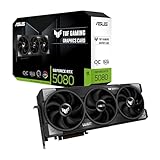
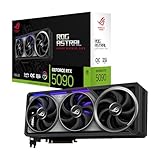
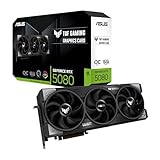
RTX 5080 cards range from clean, functional coolers to elaborate flagship-tier designs. The ASUS TUF Gaming RTX 5080 OC brings ASUS’s rugged, high-airflow cooler in a durable package, while the ASUS ROG Astral RTX 5080 OC (available in black or a striking white edition) uses a premium 3.8-slot, 4-fan vapor-chamber design for the lowest temperatures and quietest operation. The GIGABYTE RTX 5080 Gaming OC relies on its proven WINDFORCE triple-fan cooling, and the ZOTAC RTX 5080 Solid CORE OC adds IceStorm 3.0 cooling and Spectra RGB. The PNY Epic-X ARGB OC rounds out the group with addressable lighting for showcase builds. Most are large multi-slot cards, so verify case clearance.
Performance
The 5080 delivers superb 4K high-refresh gaming, handles ray tracing with ease, and accelerates creative work thanks to its 16GB of fast GDDR7—and DLSS 4 frame generation pushes frame rates higher still in supported titles. Against the 5090, it gives up VRAM (16GB vs 32GB) and raw core count, which matters for extreme 4K workloads and heavy AI or 3D tasks, but for pure gaming the gap narrows considerably while the price drops substantially. Against the 5070 Ti, the 5080 offers a meaningful step up in 4K consistency. Factory-overclocked models like the ROG Astral and PNY Epic-X squeeze out extra clocks, while premium coolers keep those clocks sustained and quiet. For most 4K gamers, the 5080 is the pragmatic high-end choice.
Pros & Cons
- Excellent 4K high-refresh gaming with ray tracing and DLSS 4.
- Far cheaper than the 5090 while retaining most gaming performance.
- 16GB GDDR7 handles current games comfortably.
- Strong cooler options, from rugged air designs to premium vapor chambers.
- 16GB VRAM is less future-proof than the 5090’s 32GB for extreme workloads.
- Large cards demand case clearance and a strong PSU.
- Still a premium price versus the excellent-value 5070 Ti.
Alternatives to Consider
If you want the absolute best and have the budget, the RTX 5090 adds VRAM and headroom for extreme 4K and creative work. If value matters more than peak performance, the RTX 5070 Ti delivers outstanding 1440p and capable 4K gaming for notably less. Within the 5080 lineup, choose the ROG Astral for the quietest premium cooling, the GIGABYTE Gaming OC for a balanced all-rounder, or the PNY Epic-X ARGB for RGB flair.
Frequently Asked Questions
Is the RTX 5080 worth it over the 5090?
For most 4K gamers, yes—it delivers most of the gaming performance at a much lower price. The 5090 is worth the premium only if you need its 32GB of VRAM for extreme 4K or heavy creative and AI workloads.
Is the 5080 worth it over the 5070 Ti?
It offers a real step up in 4K consistency, but the 5070 Ti is the better value for 1440p. If 4K high-refresh gaming is your goal and budget allows, the 5080 is the stronger pick.
Can the RTX 5080 handle 4K gaming?
Absolutely—it’s built for 4K high-refresh play, with ray tracing and DLSS 4 frame generation delivering smooth performance in demanding modern titles.
What power supply does it need?
Plan for a quality 850W or higher PSU with the correct connectors, and check each card’s specific recommendation. Good airflow in your case helps the cooler perform its best.
Verdict
Yes, the RTX 5080 is worth it—for 4K gaming enthusiasts who want flagship-adjacent performance without the 5090’s price, it’s the pragmatic high-end choice. Pick the ASUS ROG Astral for premium quiet cooling, the GIGABYTE Gaming OC as a balanced all-rounder, or the PNY Epic-X ARGB for a showcase build. Only step up to the 5090 if your workload truly needs its extra VRAM and headroom.