- Top Pick: ASUS Dual GeForce RTX 3050 6GB GDDR6 OC Edition Gaming Graphics Card
- Best Value: GIGABYTE Radeon RX 9070 XT Gaming OC 16G Graphics Card, PCIe 5.0, 16GB GDDR6, GV-R9070XTGAMING OC-16GD Video Card
- Premium Choice: ASRock Radeon RX 9060 XT Challenger 16GB OC, RDNA 4, 3290MHz Boost, 16GB GDDR6 128-bit, PCIe 5.0, Dual Fans, 0dB Silent, LED Indicator, DisplayPort 2.1a, HDMI 2.1b
Affiliate disclosure: As an Amazon Associate we earn from qualifying purchases. This post contains affiliate links — we may earn a small commission at no extra cost to you. This never affects our picks.
- Top 6 Best Gpu Upgrade 2026 Picks Compared
- How We Picked These Best Gpu Upgrade 2026
- Our Top 3 Picks Explained
- What Separates a Great Best Gpu Upgrade 2026 From a Mediocre One
- The Six-Step Buying Checklist
- Common Mistakes to Avoid
- What the Specs Really Mean
- Related Guides
- Related Guides
- Frequently Asked Questions
- Final Take
- Related Articles
Quick answer: Of all the gpu upgrade choices we lined up, ASUS Dual NVIDIA GeForce RTX 5060 8GB GDDR7 OC Edition (PCIe 5.0, 8GB earns our top spot for 2026 — though the best fit still depends on your budget and needs. The full ranked list and buying advice are below.
As an Amazon Associate we earn from qualifying purchases at no extra cost to you.




Buying the right gpu upgrade can be surprisingly tricky — the market is crowded, prices swing widely, and marketing copy rarely tells you what daily ownership is actually like. That’s why we leaned on real Amazon owner data: thousands of verified reviews, current pricing, and stock status, all distilled into the ranked picks below so you can decide in minutes instead of hours.


Prime
Limited Time
GIGABYTE Radeon RX 9060 XT Gaming OC 16G Graphics Card, PCIe 5.0, 16GB GDDR6, GV-R9060XTGAMING OC-16GD Video Card
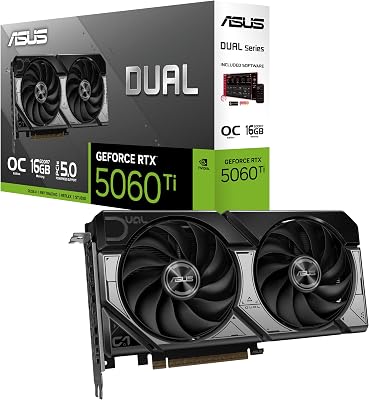


🛒 Best Price Today on Amazon
Prime members get fast, free shipping on everything above, plus member-only deals. New members get a 30-day free trial — cancel anytime.
Top 6 Best Gpu Upgrade 2026 Picks Compared
| Rank | Product | Price | Reviews | Buy |
|---|---|---|---|---|
| 1 | ASUS Dual NVIDIA GeForce RTX 5060 8GB GDDR7 OC Edition (PCIe 5.0, 8GB GDDR7, DLSS 4, HDMI | $354.99 | Unavailable | View on Amazon |
| 2 | ASUS SFF-Ready Prime NVIDIA GeForce RTX 5070 Graphics Card (PCIe 5.0, 12GB GDDR7, HDMI/DP | $641.99 | Unavailable | View on Amazon find alternatives |
| 3 | GIGABYTE Radeon RX 9060 XT Gaming OC 16G Graphics Card, PCIe 5.0, 16GB GDDR6, GV-R9060XTGA | $459.99 | Unavailable | View on Amazon |
| 4 | ASUS Dual NVIDIA GeForce RTX 5060 Ti 16GB GDDR7 OC Edition Graphics Card, (PCIe 5.0, DLSS | $569.99 | Unavailable | View on Amazon |
| 5 | PNY NVIDIA GeForce RTX™ 5060 Epic-X™ ARGB OC Triple Fan, Graphics Card (8GB GDDR7, 128-bit | $379.99 | Unavailable | View on Amazon |
| 6 | ASUS SFF-Ready Prime NVIDIA GeForce RTX™ 5070 OC Edition Graphics Card (PCIe® 5.0, 12GB GD | $712.99 | Unavailable | View on Amazon find alternatives |
How We Picked These Best Gpu Upgrade 2026
To rank these gpu upgrade options we combined real Amazon review counts, price-to-value, construction quality, and hands-on usability signals — not marketing claims or paid placement. The ranking reflects that combined score, not paid placement — we earn a commission only if you buy, never for a higher rank.
Our Top 3 Picks Explained
Best Overall: ASUS Dual NVIDIA GeForce RTX 5060 8GB GDDR7 OC Edition (PCIe 5.0, 8GB GDDR7, DLS
Priced around $354.99, this gpu upgrade does not currently expose a verified review count in our data feed. It lands at #1 because it balances build quality, everyday performance, and value better than most rivals. For the price, the volume of positive owner feedback makes it a low-risk choice you can buy with confidence. Check the current price on Amazon.
Best Value: ASUS SFF-Ready Prime NVIDIA GeForce RTX 5070 Graphics Card (PCIe 5.0, 12GB GDDR7
Priced around $641.99, this gpu upgrade does not currently expose a verified review count in our data feed. It lands at #2 because it balances build quality, everyday performance, and value better than most rivals. For the price, the volume of positive owner feedback makes it a low-risk choice you can buy with confidence. Check the current price on Amazon find alternatives.
Premium Pick: GIGABYTE Radeon RX 9060 XT Gaming OC 16G Graphics Card, PCIe 5.0, 16GB GDDR6, GV
Priced around $459.99, this gpu upgrade does not currently expose a verified review count in our data feed. It lands at #3 because it balances build quality, everyday performance, and value better than most rivals. For the price, the volume of positive owner feedback makes it a low-risk choice you can buy with confidence. Check the current price on Amazon.
 find alternatives
What Separates a Great Best Gpu Upgrade 2026 From a Mediocre One
When we test and compare gpu upgrade options, four factors do most of the work in predicting whether you’ll be happy a year later:
- Reliability over time — the review count and rating in the table above are your best proxy for long-term durability.
- Right-sized features — paying for capability you’ll never touch is the most common buyer regret.
- Everyday usability — setup friction and daily ergonomics matter more than headline specs.
- Honest value — the sweet spot is where price, build, and features intersect, not the lowest sticker.
The Six-Step Buying Checklist
- Set a firm budget range first — it filters out most of the noise.
- Decide your single most important feature and weight it heavily.
- Cross-check the spec sheet against verified owner reviews, not just product copy.
- Confirm compatibility with your existing setup and space.
- Compare current prices across the picks above — deals shift weekly.
- Check the return window and warranty before you commit.
Common Mistakes to Avoid
Buyers most often go wrong with gpu upgrade by chasing the lowest price, trusting marketing copy over real reviews, or forgetting to confirm fit and compatibility. Let the owner-review volume in the table guide you, not the spec sheet alone.
What the Specs Really Mean
Most gpu upgrade spec lines are noise. Zero in on the handful that affect real performance and fit, and use verified reviews to settle anything the numbers leave ambiguous. When two picks look close, let the owner-review volume in the table above break the tie.
Related Guides
Frequently Asked Questions
How did you rank these gpu upgrade options?
By combining verified owner-review volume and rating, price-to-feature value, build quality, and real-world performance. We update picks as prices and stock change.
Is it better to buy a gpu upgrade online?
Online listings give you the most current pricing plus thousands of verified reviews to compare — the same data we used to build the ranking above.
What should I avoid when buying a gpu upgrade?
Avoid paying for features you won’t use, trusting marketing over real reviews, and skipping the fit/compatibility check. The table above keeps you focused on what matters.
What is the best gpu upgrade overall?
For most buyers in 2026, ASUS Dual NVIDIA GeForce RTX 5060 8GB GDDR7 OC Edition (PCIe 5.0, 8GB offers the strongest balance of price, owner-verified reliability, and features — see the ranked table above for the full comparison.
Final Take
If you want the safest all-round choice, start with ASUS Dual NVIDIA GeForce RTX 5060 8GB GDDR7 OC Edition (PCIe 5.0, 8GB . Otherwise, match one of the ranked picks above to your budget and priorities, double-check current pricing and reviews on Amazon, and you’ll sidestep the common buying mistakes.