The CPU is the brain of your gaming PC, feeding your graphics card the instructions it needs frame after frame. Pick a processor that’s too weak and even a powerful GPU sits idle waiting for data, a problem known as a CPU bottleneck. Pick one with the right architecture and cache, and you unlock high, stable frame rates that hold up for years. In 2026 the choices are genuinely good, but the spec sheets are dense, so knowing what actually moves the needle for games matters.
This guide walks through the factors that determine gaming performance: core counts, clock speeds, cache, and platform choices between AMD and Intel. You’ll learn why a chip with 3D V-Cache can outrun a processor with more raw cores, how to match your CPU to your GPU and resolution, and which processors we’d point a gamer toward right now. Our current picks are below.
As an Amazon Associate we earn from qualifying purchases.







Cores, Threads, and What Games Actually Use
Most games are happiest with strong performance across six to eight fast cores rather than a huge core count. An eight-core chip like the AMD Ryzen 7 9800X3D is a near-ideal gaming heart, while a six-core part such as the Ryzen 5 9600X still handles the vast majority of titles beautifully. More cores help if you also stream, render, or multitask heavily, which is where a 16-core monster like the Ryzen 9 9950X3D or a hybrid Intel design earns its keep.
Why Cache Beats Raw Clock Speed for Gaming
Clock speed matters, but cache often matters more. AMD’s 3D V-Cache stacks extra L3 cache onto the chip, and games love it because it keeps frequently used data close to the cores. This is why the Ryzen 7 7800X3D and its successor the 9800X3D punch above their clock numbers in gaming benchmarks. If your priority is frames per second above all else, a large-cache X3D chip is usually the smartest buy.
AMD vs Intel in 2026
- AMD X3D chips like the 9800X3D and 9950X3D lead pure gaming performance thanks to their cache, and the AM5 platform promises long upgrade support.
- AMD standard chips such as the 9600X offer excellent value for pure gaming without the X3D premium.
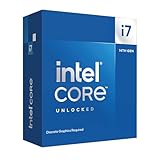
- Intel hybrids like the Core i7-14700K and the Core Ultra 7 270K pair performance and efficiency cores, making them strong all-rounders for gamers who also do productivity work.
Matching Your CPU to GPU and Resolution
The higher your resolution, the more the GPU becomes the limiting factor and the less your CPU choice affects frame rate. At 1080p a fast CPU shows big gains; at 4K the differences between top chips shrink because the graphics card is doing most of the work. Buy a CPU powerful enough to feed your GPU at your target resolution, but don’t overspend on a flagship if you game exclusively at 4K with a mid-range card.
Don’t Forget the Platform Costs
The processor price is only part of the bill. Factor in the motherboard chipset, whether the chip includes a cooler (the Ryzen 5 5500 ships with a Wraith Stealth, most high-end chips don’t), and the cost of DDR5 memory. A budget-friendly older chip like the Ryzen 5 5500 on a mature platform can free up money for a better GPU, which usually delivers more visible gaming gains than a top-tier CPU would.
Tips
- For maximum FPS at 1080p or 1440p, prioritize a large-cache X3D chip over one with more cores.
- Confirm socket and chipset compatibility before buying; an AM5 chip needs an AM5 board, and Intel sockets change frequently.
- Budget for an aftermarket cooler if your chosen CPU doesn’t include one, as high-end parts run hot under load.
- Spend the bulk of your budget on the GPU if you game at 4K, since the CPU matters less at that resolution.
Frequently Asked Questions
How many CPU cores do I need for gaming?
Six to eight fast cores is the sweet spot in 2026. A six-core chip like the Ryzen 5 9600X runs almost every game well, while eight cores add headroom for streaming and future titles.
What is a CPU bottleneck?
It’s when the processor can’t feed the graphics card fast enough, so the GPU sits partly idle and frame rates drop below what the GPU could achieve. It’s most common at lower resolutions with a powerful GPU and a weaker CPU.
Are AMD X3D chips really better for gaming?
For pure frame rate, usually yes. The extra 3D V-Cache in chips like the 9800X3D gives them a consistent edge in many games, which is why they’re a favorite among frame-rate-focused builders.
Should I buy Intel or AMD?
Choose AMD X3D for the highest gaming frame rates and long platform upgradability. Choose an Intel hybrid like the i7-14700K if you want a strong balance of gaming and heavy productivity in one chip.
Conclusion
The best gaming CPU is the one that feeds your GPU without becoming the bottleneck. For most players chasing frames, a large-cache AMD X3D chip is the standout choice, while Intel’s hybrids and AMD’s standard parts serve those who value all-round performance or value pricing. Match the processor to your GPU and resolution, account for platform costs, and you’ll build a system that stays fast for years.