

- Top Pick: Steam Mop Pads Replacement Compatible with Black Decker Steam Mop SM1600, SM1610, SM1620, HSM13E1, HSMC1300FX, HSMC1321, HSMC1361SG Cleaner Black and Decker Steam Mop Replace Pads for Floor Cleaning
- Best Value: OEM Hyn BC901 256GB M.2 PCI-e GEN 4X4 NVME SSD Internal Solid State Drive 30mm 2230 Form Factor M Key Steam Deck
- Premium Choice: 4 PCS Replacement Pads Accessories Compatible with Black+Decker Steam Mop
The Steam Deck earned its reputation as the handheld that made PC gaming portable, but by 2026 it is no longer the only game in town. A wave of powerful Windows-based rivals and refreshed SteamOS-friendly devices have arrived, each promising more raw horsepower, sharper screens, or longer battery life. If you’re shopping for the best Steam Deck alternative, the good news is that there’s now a handheld gaming PC tuned for almost every budget and play style. The tricky part is figuring out which one actually fits you. This guide breaks down the top contenders, compares them head-to-head, and gives clear recommendations by use-case so you can buy with confidence.
As an Amazon Associate we earn from qualifying purchases. Prices and availability are accurate as of the date/time indicated and are subject to change.
Related guide: Best linux distro for gaming
As an Amazon Associate we earn from qualifying purchases at no extra cost to you.


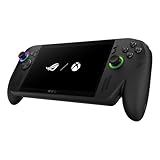


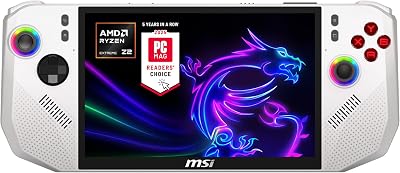

Quick answer: For most people in 2026, the best Steam Deck alternative is the ASUS ROG Ally X — our top overall pick below. See the full ranked comparison, budget alternatives and buying advice in the guide.
🛒 Best Price Today on Amazon
Prime members get fast, free shipping on everything above, plus member-only deals. New members get a 30-day free trial — cancel anytime.
Why Look Beyond the Steam Deck?
Valve’s Steam Deck OLED is still one of the most polished handhelds available. Its SteamOS interface is purpose-built for gaming, its trackpads are unmatched for point-and-click titles, and Valve’s Proton compatibility layer runs the vast majority of Windows games on Linux without any tinkering. So why consider a handheld gaming PC from another brand at all?
The answer usually comes down to three things: performance, screen quality, and software freedom. The Steam Deck’s custom AMD APU, while efficient, is now several generations behind the chips inside newer devices. If you want to push demanding 2025-2026 releases at higher settings, a more powerful handheld makes a real difference. Others want a native Windows machine so they can run Game Pass, Epic Games Store, emulators, and non-Steam launchers without workarounds. And some simply want a bigger, brighter, higher-refresh display. Each alternative below solves one or more of these pain points.
The Best Steam Deck Alternatives in 2026
ASUS ROG Ally X — Best Overall Handheld Gaming PC
The ROG Ally X is the device most reviewers point to when someone asks for the best all-around Steam Deck alternative. It pairs AMD’s Ryzen Z1 Extreme with a generous 24GB of RAM and an oversized 80Wh battery, addressing the two biggest complaints about the original Ally: mediocre endurance and cramped memory. The 7-inch 1080p 120Hz display is bright and smooth, and the redesigned grips make longer sessions comfortable. Because it ships with Windows 11, you get instant access to Game Pass, every storefront, and the full library of PC utilities. It is not the cheapest option, but for shoppers who want maximum flexibility and strong performance in one package, it is the safe pick.
Lenovo Legion Go S — Best SteamOS Handheld Alternative
Lenovo made headlines by offering the Legion Go S in a factory SteamOS configuration, making it the first major third-party handheld to ship with Valve’s operating system pre-installed. That means you get the same console-like, couch-friendly experience as the Steam Deck but on newer hardware and an 8-inch 120Hz screen. For players who love SteamOS but want a bigger display and updated internals, the Go S is a compelling middle ground. A Windows variant is also sold if you’d rather keep both worlds open. The 8-inch panel and comfortable ergonomics make it one of the most pleasant devices to hold for extended play.
Lenovo Legion Go — Best for Versatility and Big-Screen Play
The original Legion Go remains a standout for its sheer ambition. Its 8.8-inch QHD+ 144Hz display is the largest and sharpest in this roundup, and its detachable Nintendo Switch-style controllers add flexibility that no rival matches. Detach the right controller and it becomes an FPS-style vertical mouse, a genuinely useful trick for shooters and strategy games. It runs Windows, so it’s a true portable PC. The trade-off is size and weight, this is a big device, but if you value screen real estate and modularity over pocketability, nothing else competes.
MSI Claw 8 AI+ — Best Battery Life and Intel Performance
MSI took a different path by building the Claw 8 AI+ around Intel’s Lunar Lake platform rather than AMD. The payoff is genuinely excellent efficiency: the Claw 8 routinely posts some of the longest battery life of any full-power handheld, thanks to a large battery and Intel’s power-sipping architecture. The 8-inch 120Hz screen is spacious, build quality feels premium, and Intel’s Arc-based graphics have matured into a legitimate gaming solution. If your priority is squeezing maximum playtime out of a charge on a Windows device, the Claw 8 belongs at the top of your list.
Steam Deck OLED — The Benchmark Everyone Compares Against
It would be unfair to leave the Steam Deck OLED off a list of the best handhelds, even in an article about its alternatives. It remains the value champion, offering a gorgeous OLED screen, the best software experience for Linux gaming, and a price that undercuts nearly every Windows rival. If you don’t need the extra horsepower, it is still an easy recommendation, and it sets the standard the devices above are measured against.
Handheld Gaming PC Comparison Table
Here’s how the top five handhelds stack up at a glance. Prices reflect typical 2026 street ranges and shift with sales and configuration.
| Handheld | OS | Chip / GPU | Price Range | Rating |
|---|---|---|---|---|
| ASUS ROG Ally X | Windows 11 | AMD Ryzen Z1 Extreme (RDNA 3) | $699–$799 | 4.6 / 5 |
| Lenovo Legion Go S | SteamOS or Windows 11 | AMD Ryzen Z2 Go / Z1 (RDNA) | $599–$729 | 4.4 / 5 |
| Lenovo Legion Go | Windows 11 | AMD Ryzen Z1 Extreme (RDNA 3) | $649–$799 | 4.3 / 5 |
| MSI Claw 8 AI+ | Windows 11 | Intel Core Ultra (Arc / Lunar Lake) | $799–$899 | 4.4 / 5 |
| Steam Deck OLED | SteamOS (Linux) | Custom AMD APU (RDNA 2) | $549–$649 | 4.7 / 5 |
Windows vs SteamOS: Which Handheld Software Is Right for You?
The single biggest decision when picking a Steam Deck alternative isn’t the hardware, it’s the operating system. Windows 11 handhelds give you total freedom: install any storefront, run Game Pass, use emulators, tweak drivers, and treat the device like the portable PC it is. The downside is that Windows was never designed for a 7- or 8-inch touchscreen, so navigation can feel clunky, sleep and resume are less reliable, and battery drain in standby is worse.
SteamOS, by contrast, is built from the ground up for handheld gaming. It boots straight into a controller-friendly interface, suspends and resumes games instantly, and manages power efficiently. Its limitation is the Linux foundation, most games run beautifully through Proton, but a handful of titles with aggressive anti-cheat still don’t work. If you mostly play through Steam and value a console-like experience, SteamOS wins. If you juggle multiple launchers or need Windows-only software, a Windows handheld is worth the rough edges. For a deeper dive into desktop options, see our guide to the best linux distro for gaming.
Can You Install SteamOS or Linux on These Alternatives?
Yes, and this is where things get exciting. Valve has been steadily expanding official SteamOS support beyond its own hardware, and the Legion Go S already ships with it. For other Windows handhelds, community projects fill the gap. Bazzite, a Fedora-based gaming distro, has become the go-to choice for turning a ROG Ally, Legion Go, or MSI Claw into a SteamOS-like machine with excellent controller support and power management. Installing it takes some effort, but the result is dramatically better battery life and a smoother interface on hardware that shipped with Windows.
How to Choose the Right Handheld for You
Think about how and where you play. If you want one device that does everything and you don’t mind Windows, the ROG Ally X is the strongest all-rounder. If you love the Steam Deck’s simplicity but crave a bigger screen and newer silicon, the Legion Go S in its SteamOS trim is the natural upgrade. Craving the largest, sharpest display and detachable controllers? The original Legion Go delivers. Chasing the longest unplugged sessions? The MSI Claw 8 AI+ and its Intel efficiency lead the pack. And if value and the best out-of-the-box software matter most, the Steam Deck OLED is still hard to beat. Whichever you choose, understanding handheld gaming PC fundamentals and the best gaming PC specs will help you match the hardware to the games you actually play.
Frequently Asked Questions
What is the best overall Steam Deck alternative in 2026?
For most buyers, the ASUS ROG Ally X is the best overall Steam Deck alternative. It combines strong AMD performance, 24GB of RAM, a large 80Wh battery, and a bright 120Hz display, all running Windows 11 for maximum software freedom. If you specifically want a SteamOS experience on newer hardware, the Lenovo Legion Go S is the better fit.
Can these handhelds run SteamOS or Linux?
Many can. The Lenovo Legion Go S ships in an official SteamOS edition, and Valve continues to broaden support for third-party devices. For Windows handhelds like the ROG Ally, Legion Go, and MSI Claw, the community distro Bazzite provides a SteamOS-style Linux experience with great controller and power support. Installation requires some technical comfort but delivers noticeably better efficiency.
Which handheld gaming PC has the best battery life?
The MSI Claw 8 AI+ generally leads on battery life thanks to Intel’s power-efficient Lunar Lake platform and a large battery. The ROG Ally X is also excellent, with its 80Wh cell roughly doubling the endurance of the original Ally. Battery results always depend on the game and TDP settings, and switching a Windows device to a Linux distro like Bazzite can extend runtime further.
Should I get a Windows or SteamOS handheld?
Choose a Windows handheld if you want to run Game Pass, multiple game stores, emulators, and PC software without workarounds, accepting a less polished touchscreen experience. Choose a SteamOS device if you mostly play through Steam and prioritize instant suspend/resume, a console-like interface, and better battery efficiency. Your primary game library and tolerance for tinkering should guide the decision.






