

- Top Pick: Bestoss 1TB PCIe 4.0 NVMe M.2 2280 SSD with Heatsink,PS5 Storage,7350MB/s
- Best Value: Bestoss 4TB PCIe 4.0 M.2 NVMe SSD with Heatsink,PS5 Storage,7350MB/s
- Premium Choice: GRAUGEAR Metal Heat Dissipation Cover for PS5 M.2 SSD Expansion Slot | Fit for PlayStation 5 NVMe SSD w/Heatsink | New Breathable Cellular Hole | Cooling and Dust Proof (Silver)
Game development is one of the most storage-hungry jobs a PC can take on. A single project pulls in uncompressed textures, audio, source assets, version-control history and engine caches, and every build, import and asset bake hammers the drive with large, sustained writes. That makes two things matter above all else for a development SSD: capacity to hold sprawling project trees, and sustained write speed that does not collapse the moment a long operation outlasts a drive’s fast cache. This guide rounds up the best SSDs for game development in 2026 across the choices creators actually make: roomy internal drives for the OS, tools and active projects, fast portable drives for moving builds and asset packs between machines, and capacious SATA drives for nearline storage.
- Best SSDs for Game Development at a Glance
- 1. SAMSUNG 970 EVO Plus 2TB NVMe M.2 Internal SSD (V-NAND)
- 2. SANDISK 4TB Extreme Portable SSD (Old Model) USB-C, USB 3.2 Gen 2
- 3. SANDISK 2TB Extreme Portable SSD (Old Model) USB-C, USB 3.2 Gen 2
- 4. SANDISK 2TB SSD Plus 2.5″ SATA Internal SSD (up to 545MB/s)
- 5. Kingston 960GB A400 SATA3 2.5″ Internal SSD (HDD Replacement)
- 6. Kingston 480GB A400 SATA 3 2.5″ Internal SSD (HDD Replacement)
- How to Choose an SSD for Game Development
- Frequently Asked Questions
- Related Guides
- Related Articles
- Related Guides
Our picks were chosen on what genuinely serves a development workflow: usable capacity, sustained rather than peak write behaviour, the interface (SATA or NVMe) and its real-world fit, and value across a long working day. We have deliberately spread the list — from a 480GB boot-and-tools drive up to 4TB of portable space, with prices from around $115 to around $450 — because a good dev rig usually mixes drives by role rather than relying on one. We do not quote invented benchmark numbers; instead we describe where each drive fits, the interface it uses, and who it is for. Below is an at-a-glance comparison of all six, then a closer look at each and a buyer’s guide built around capacity, sustained writes and interface — the criteria that actually matter when you build games for a living.
As an Amazon Associate we earn from qualifying purchases.


🛒 Best Price Today on Amazon
Prime members get fast, free shipping on everything above, plus member-only deals. New members get a 30-day free trial — cancel anytime.
Best SSDs for Game Development at a Glance
| SSD | Best For | Standout Spec | Approx Price |
|---|---|---|---|
| Samsung 970 EVO Plus 2TB NVMe | Active project + engine drive | NVMe M.2 Gen 3, 2TB | around $365 |
| SanDisk 4TB Extreme Portable | Moving large asset packs | 4TB, USB-C up to 1050MB/s | around $450 |
| SanDisk 2TB Extreme Portable | Portable build backups | 2TB, USB-C up to 1050MB/s | around $294 |
| SanDisk 2TB SSD Plus SATA | Nearline asset storage | 2.5″ SATA, up to 545MB/s | around $399 |
| Kingston A400 960GB SATA | Budget secondary drive | 2.5″ SATA, 960GB | around $181 |
| Kingston A400 480GB SATA | Boot and tools drive | 2.5″ SATA, 480GB | around $115 |
1. SAMSUNG 970 EVO Plus 2TB NVMe M.2 Internal SSD (V-NAND)

SAMSUNG (MZ-V7E500BW) 970 EVO SSD 500GB - M.2 NVMe Interface Internal Solid State Drive with V-NAND Technology, Black/Red


As an Amazon Associate we earn from qualifying purchases. Product prices and availability are accurate as of the date/time indicated.
The Samsung 970 EVO Plus 2TB is the pick to anchor a development rig. As an NVMe M.2 Gen 3 drive built on Samsung’s V-NAND, it pairs genuinely fast read and write performance with a roomy 2TB capacity — enough to hold your OS, your engine and toolchain, and an active project tree on one responsive volume. At around $365 it is the most important single drive on this list for day-to-day work.
For game development this is exactly the right intent. Asset imports, shader compilation, light bakes and incremental builds all lean on fast NVMe storage, and the 970 EVO Plus keeps those operations snappy where a SATA drive would bottleneck. Samsung’s reputation for endurance and consistency matters when a drive is written to constantly throughout the day, and the 2TB capacity gives real breathing room for a working project plus caches. If you want one fast, dependable NVMe drive to do the heavy lifting, the 970 EVO Plus is the obvious starting point.
Pros: Fast NVMe Gen 3 reads and writes, roomy 2TB, proven Samsung V-NAND endurance.
Cons: Needs an M.2 NVMe slot; Gen 3, not the latest Gen 4/5 interface.
2. SANDISK 4TB Extreme Portable SSD (Old Model) USB-C, USB 3.2 Gen 2

SANDISK 4TB Extreme Portable SSD, Up to 2000MB/s Transfer Speeds-New Model | External Solid State Drive, IP65 Water & Dust Resistant, Up to 3M Drop Protection, 256-bit AES Encryption, USB-C 3.2 Gen 2







As an Amazon Associate we earn from qualifying purchases. Product prices and availability are accurate as of the date/time indicated.
The SanDisk 4TB Extreme Portable is the pick for moving big things between machines. It packs a full 4TB into a rugged, pocketable shell and connects over USB-C (USB 3.2 Gen 2) at up to 1050MB/s, so you can shuttle entire asset libraries, build outputs and project archives without filling your internal drive. At around $450 it is the premium capacity pick here, and the space is the reason why.
Development teams constantly hand off large payloads — a packaged build for QA, a texture set for an artist, a full project snapshot for a contractor — and this drive is built for exactly that. The 4TB capacity swallows even bloated asset packs, the rugged design survives life in a bag, and single-cable USB-C keeps transfers simple across desktops and laptops. As external storage its USB speed sits below an internal NVMe drive, so treat it as a fast transfer and archive volume rather than your live working disk. For that role, the 4TB Extreme is the standout.
Pros: Huge 4TB portable capacity, rugged build, fast USB-C transfers for asset handoff.
Cons: External USB drive — slower than internal NVMe; best for transfer/archive.
3. SANDISK 2TB Extreme Portable SSD (Old Model) USB-C, USB 3.2 Gen 2
SANDISK 4TB Extreme Portable SSD, Up to 2000MB/s Transfer Speeds-New Model | External Solid State Drive, IP65 Water & Dust Resistant, Up to 3M Drop Protection, 256-bit AES Encryption, USB-C 3.2 Gen 2
As an Amazon Associate we earn from qualifying purchases. Product prices and availability are accurate as of the date/time indicated.
The SanDisk 2TB Extreme Portable is the right-sized portable for most developers. It offers the same rugged design and up-to-1050MB/s USB-C performance as its 4TB sibling in a more affordable 2TB capacity, making it a practical drive for carrying builds, backups and working sets between home, studio and laptop. At around $294 it is the value portable pick.
This is the drive to choose when you need dependable portable space for build backups and project transfers but do not require a full 4TB. The 2TB capacity comfortably holds packaged builds and asset bundles, the rugged shell and single-cable USB-C make it easy to throw in a bag, and the fast transfer speed keeps handoffs quick. Like all external drives it is a transfer-and-backup companion rather than a live engine disk, but for that job at a sensible price, the 2TB Extreme is hard to fault.
Pros: Rugged 2TB portable, fast USB-C transfers, sensible price for build backups.
Cons: External USB drive; capacity and speed below internal NVMe options.
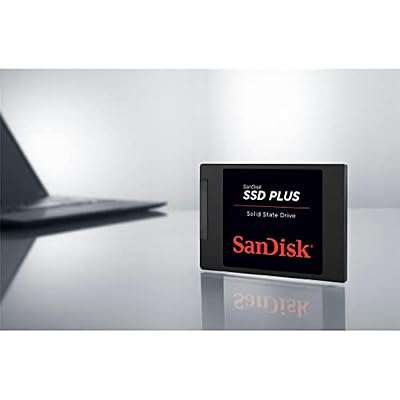
4. SANDISK 2TB SSD Plus 2.5″ SATA Internal SSD (up to 545MB/s)

SANDISK 2TB SSD Plus 2.5" SATA SSD, Internal SSD, Read speeds up to 545 MB/s, SATA III 6GB/s, Easy Upgrade


As an Amazon Associate we earn from qualifying purchases. Product prices and availability are accurate as of the date/time indicated.
The SanDisk 2TB SSD Plus is the nearline storage pick. It is a 2.5-inch SATA internal drive reading at up to 545MB/s, offering a generous 2TB of solid-state space at the speeds the SATA interface allows. At around $399 it is best understood as a roomy secondary drive for assets and projects you want on fast storage but do not hammer with constant builds.
For development this is the drive for your asset graveyard and reference library — the second-tier storage that keeps finished projects, source files and large media off your fast NVMe boot drive while staying far quicker than a hard disk. SATA tops out well below NVMe, so it is not where you want to run shader compiles or active builds; instead it is ideal for parking the bulk of your data on quiet, reliable solid-state storage. Used that way, it is a spacious, fuss-free nearline volume.
Pros: Roomy 2TB SATA capacity, solid-state reliability, good nearline asset storage.
Cons: SATA speed (up to 545MB/s) is well below NVMe; not for active builds.
5. Kingston 960GB A400 SATA3 2.5″ Internal SSD (HDD Replacement)
The Kingston A400 960GB is the budget secondary-drive pick. It is a dependable 2.5-inch SATA drive designed as a straightforward HDD replacement, delivering solid-state responsiveness and a useful 960GB of capacity at a low price. At around $181 it is an affordable way to add a second solid-state volume to a development machine.
In a dev rig this is the drive for overflow projects, additional toolchains, or a scratch volume for caches and temporary build artifacts you do not need on your fastest disk. The A400 line is widely used precisely because it is reliable and cheap, and 960GB is enough to hold a meaningful chunk of working data. SATA performance means it is a support drive rather than a primary engine disk, but as inexpensive, dependable extra solid-state space, it earns its place in a multi-drive setup.
Pros: Affordable 960GB SATA, reliable HDD replacement, handy secondary or scratch drive.
Cons: Entry-level SATA performance; not suited to heavy sustained-write builds.
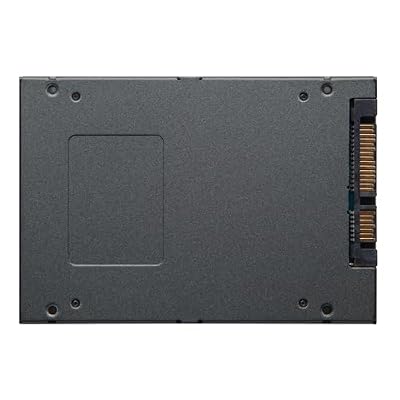
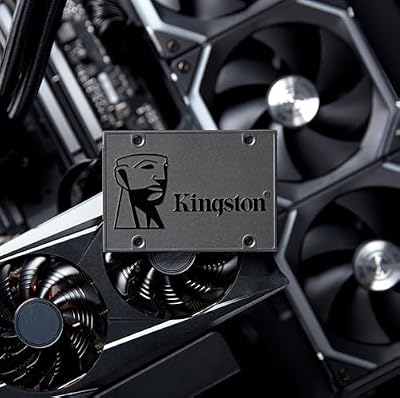
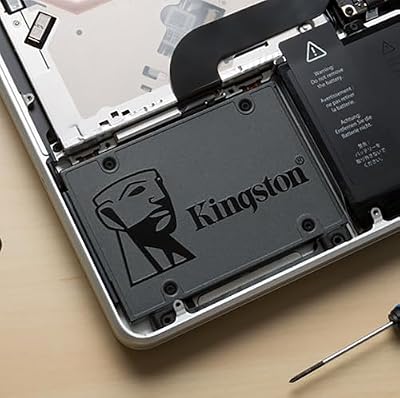
6. Kingston 480GB A400 SATA 3 2.5″ Internal SSD (HDD Replacement)

Kingston 480GB A400 SATA 3 2.5" Internal SSD SA400S37/480G - HDD Replacement for Increase Performance




As an Amazon Associate we earn from qualifying purchases. Product prices and availability are accurate as of the date/time indicated.
Rounding out the list is the Kingston A400 480GB, the affordable boot-and-tools pick. It is the smaller-capacity version of Kingston’s popular A400 SATA drive, offering reliable solid-state performance and 480GB of space at the lowest price here, around $115. It is the no-drama choice for a system or utility drive in a development build.
This is the drive to choose when you want a cheap, reliable place for the operating system and your core toolchain, keeping your larger and faster drives free for projects and assets. 480GB is enough for Windows or Linux plus an IDE, an engine install and the everyday utilities a developer leans on, and the A400’s dependable reputation makes it a safe boot disk. SATA speed is fine for an OS volume that is read far more than it is written, so for an affordable foundation drive, the 480GB A400 fits neatly.
Pros: Lowest price here, reliable 480GB SATA, ideal cheap OS and tools drive.
Cons: Small for project data; SATA speed limits it to a support role.
How to Choose an SSD for Game Development
Choosing storage for game development starts with capacity, because projects grow relentlessly. Source assets, version-control history, engine caches and multiple build configurations stack up fast, so size your active drive generously — a 2TB NVMe like the Samsung 970 EVO Plus gives real room for the OS, tools and a working project together. Plan for more than you think you need today, because running an asset-heavy project on a nearly full drive is a recipe for constant housekeeping and slowdowns.
Sustained write performance is the spec that separates a good dev drive from a merely fast one, and it is easy to overlook. Many SSDs post high peak numbers thanks to a small fast cache, but long operations — importing a large asset library, baking lighting, packaging a full build — can outlast that cache and drop to a slower steady state. A quality NVMe drive from a reputable maker holds up better under those long, write-heavy tasks, which is exactly the load a build pipeline generates, so favour drives known for consistent endurance rather than headline peak speed alone.
Interface is the next honest decision: SATA versus NVMe. NVMe drives like the 970 EVO Plus are dramatically faster and belong on your active working volume where compiles and imports happen. SATA drives such as the SanDisk SSD Plus and the Kingston A400 models top out around 545MB/s — a fraction of NVMe — so they are best used as nearline asset storage, scratch space or a boot drive rather than your primary build disk. Match the interface to the role: NVMe for the work, SATA for the support drives.
Finally, think in terms of a multi-drive setup rather than one perfect disk, and add portable storage for collaboration. A typical dev rig pairs a fast NVMe working drive with cheaper SATA capacity for parked data, plus a rugged USB-C portable like the SanDisk Extreme for moving builds and assets between machines and teammates. Decide what each drive is for, buy the right interface and capacity for that job, and remember external USB drives are transfer-and-backup companions rather than live engine disks. Build the storage around the workflow, and the whole pipeline runs smoother.
Frequently Asked Questions
How much SSD capacity do I need for game development?
More than you expect. A real project accumulates source assets, version history, engine caches and several build configurations, so an active drive of 2TB — like the Samsung 970 EVO Plus — gives comfortable room for the OS, tools and a working project together. Pairing that with cheaper SATA capacity for parked data, such as the SanDisk SSD Plus, keeps your fast drive free for active work.
Why does sustained write speed matter more than peak speed?
Because development generates long, write-heavy operations. Importing a big asset library, baking lighting or packaging a full build can run longer than an SSD’s small fast cache, after which the drive drops to a slower steady state. A quality NVMe drive from a reputable maker holds its performance better under that load, which matters far more for a build pipeline than a high peak figure you only see in short bursts.
Should I use SATA or NVMe for my development drive?
Use NVMe for your active working volume. NVMe drives like the 970 EVO Plus are dramatically faster than SATA and keep compiles and asset imports snappy. SATA drives such as the SanDisk SSD Plus and Kingston A400 top out around 545MB/s, so they are best as nearline asset storage, a scratch volume or a boot drive — support roles rather than your primary build disk.
Are portable SSDs useful for game developers?
Very. A rugged USB-C drive like the SanDisk 4TB or 2TB Extreme is ideal for moving large payloads — packaged builds for QA, asset sets for artists, full project snapshots for contractors. Their up-to-1050MB/s USB speed sits below an internal NVMe drive, so treat them as fast transfer and backup companions rather than the disk you run active builds from.
Related Guides
- Best NVMe SSDs
- Best Portable SSDs
- Best External Hard Drives
- Best RAM for Gaming and Workstations
- Best Gaming and Creator PCs
- Best Monitors for Content Creation
Affiliate Disclosure: As an Amazon Associate, we earn from qualifying purchases. If you click a link and make a purchase, we may earn a small commission at no extra cost to you. Prices and availability are accurate as of publication and may change.


