

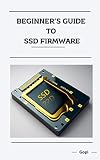
- Top Pick: A Beginner's Guide to SSD Firmware: Designing, Optimizing, and Maintaining SSD Firmware
- Best Value: The Linux Command Line Beginner's Guide
- Premium Choice: COMPLETE MAC MINI M4 USER GUIDE FOR BEGINNERS AND SENIORS: Everything You Need to Master Yor Mac mini M4: Simple Setup, Essential Apps, Apple Intelligence, Troubleshooting, and lot more
If you have never installed an SSD before, the good news is that it is one of the easiest and most rewarding upgrades you can make. Swapping a slow mechanical hard drive for a solid-state drive makes a computer boot faster, load programs quicker and feel snappier overall — and you do not need to be a hardware expert to do it. This guide is written for first-timers: it rounds up the best SSDs for beginners in 2026, focusing on simple, affordable 2.5-inch SATA drives that drop into almost any laptop or desktop, explained in plain English with no jargon left unexplained.
- Best SSDs for Beginners at a Glance
- 1. Kingston 240GB A400 SATA 3 2.5″ Internal SSD SA400S37/240G
- 2. Crucial BX500 240GB 3D NAND SATA 2.5-Inch Internal SSD, up to 540MB/s
- 3. Crucial MX500 500GB 3D NAND SATA 2.5 Inch Internal SSD, CT500MX500SSD1
- 4. SANDISK SSD PLUS 240GB Internal SSD – SATA III 6 Gb/s, 2.5″/7mm, up to 530 MB/s
- 5. Samsung SSD 860 EVO 250GB 2.5 Inch SATA III Internal SSD (MZ-76E250B/AM)
- 6. SANDISK 2TB Extreme Portable SSD (Old Model) – up to 1050MB/s, USB-C, USB 3.2 Gen 2
- How to Choose Your First SSD
- Frequently Asked Questions
- Related Guides
- Related Articles
Our picks were chosen for exactly what a beginner needs: easy installation, broad compatibility, trusted brands, sensible capacity, and value. We have led with the most beginner-friendly drives — standard 2.5-inch SATA SSDs from Kingston, Crucial, SanDisk and Samsung that work as a straightforward hard-drive replacement — with prices from around $79 up to around $294. One pick is a portable USB drive rather than an internal one, and we explain plainly when that is the right choice and when it is not. Below is an at-a-glance comparison of all six, then a closer look at each and a simple buyer’s guide covering SATA, capacity and what to buy first.
As an Amazon Associate we earn from qualifying purchases.




🛒 Best Price Today on Amazon
Prime members get fast, free shipping on everything above, plus member-only deals. New members get a 30-day free trial — cancel anytime.
Best SSDs for Beginners at a Glance
| SSD | Best For | Standout Spec | Approx Price |
|---|---|---|---|
| Kingston A400 240GB SATA 2.5″ | Easiest first SSD | 240GB, 2.5″ SATA, simple | around $79 |
| Crucial BX500 240GB SATA 2.5″ | Budget value upgrade | 240GB, up to 540MB/s SATA | around $81 |
| Crucial MX500 500GB SATA 2.5″ | Beginner step-up capacity | 500GB, 2.5″ SATA | around $85 |
| SanDisk SSD PLUS 240GB SATA 2.5″ | Simple no-fuss SATA | 240GB, up to 530MB/s SATA | around $94 |
| Samsung 860 EVO 250GB SATA 2.5″ | Trusted brand SATA | 250GB, 2.5″ SATA III | around $89 |
| SanDisk Extreme 2TB Portable USB-C | Plug-and-play external storage | 2TB, USB-C, portable | around $294 |
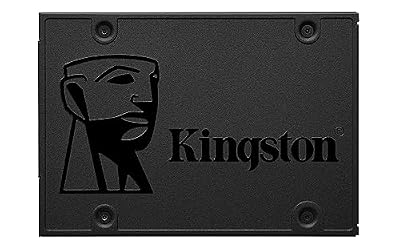
1. Kingston 240GB A400 SATA 3 2.5″ Internal SSD SA400S37/240G

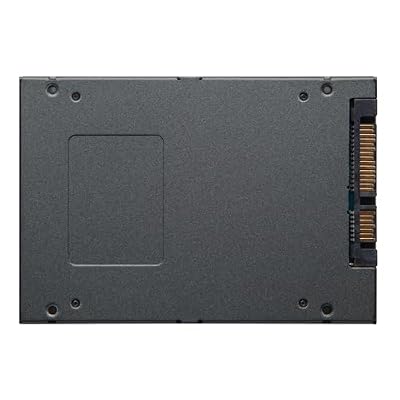
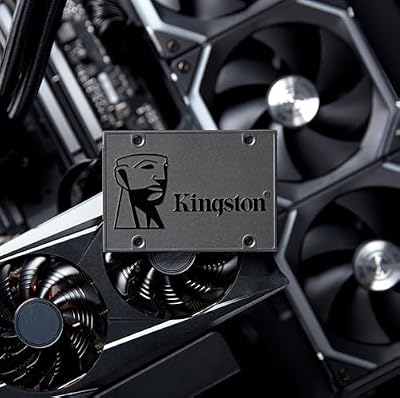
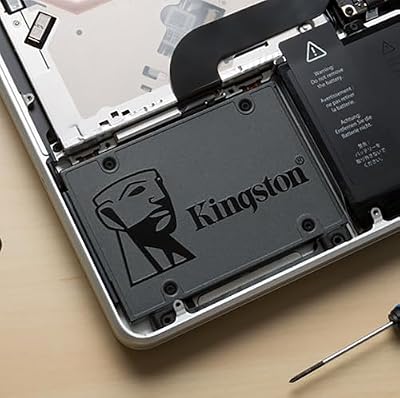
Kingston 240GB A400 SATA 3 2.5" Internal SSD SA400S37/240G - HDD Replacement for Increase Performance







As an Amazon Associate we earn from qualifying purchases. Product prices and availability are accurate as of the date/time indicated.
The Kingston A400 240GB is the easiest first SSD on this list, and the place most beginners should start. It is a standard 2.5-inch SATA drive — the same size and connection as the hard drive in most laptops and desktops — so installing it is genuinely simple: connect two cables in a desktop, or slot it into the drive bay of a laptop. At around $79 it is an affordable, low-risk way to make your first SSD upgrade.
This is the drive to choose if the words ‘SSD upgrade’ sound intimidating. The A400 has been a best-seller for years precisely because it just works: it drops into the existing hard-drive slot, it is recognised by virtually any modern computer, and the jump from a mechanical drive to this SSD is the upgrade people notice most — faster boots, quicker app launches and a snappier feel overall. 240GB is enough for Windows and your everyday programs. For a foolproof, affordable introduction to SSDs, the Kingston A400 is the classic first step.
Pros: Very easy 2.5-inch SATA install, broad compatibility, trusted Kingston value.
Cons: 240GB fills up quickly; SATA speed, not the fastest NVMe class.
2. Crucial BX500 240GB 3D NAND SATA 2.5-Inch Internal SSD, up to 540MB/s

Crucial BX500 1TB 3D NAND SATA 2.5-Inch Internal SSD, up to 540MB/s - CT1000BX500SSD1, Solid State Drive


As an Amazon Associate we earn from qualifying purchases. Product prices and availability are accurate as of the date/time indicated.
The Crucial BX500 240GB is the budget value pick, and another excellent first-SSD choice. Like the Kingston, it is a simple 2.5-inch SATA drive that installs in the standard hard-drive slot, rated for sequential reads up to 540MB/s — plenty fast enough to transform a system that currently runs on a mechanical disk. At around $81 it sits right in the value sweet spot for a beginner.
This is the drive for the first-timer who wants a trusted brand at a low price. Crucial is owned by Micron, a major memory manufacturer, so the BX500 pairs easy installation with a dependable name. The 540MB/s SATA speed feels dramatically quicker than any hard drive in everyday use, the 240GB capacity holds your operating system and core programs, and there is nothing complicated to set up. As a low-cost, reliable introduction to solid-state storage, the BX500 is a smart, beginner-friendly buy.
Pros: Affordable, simple 2.5-inch SATA fit, up to 540MB/s, trusted Crucial brand.
Cons: Entry-level SATA drive; 240GB is modest for large libraries.
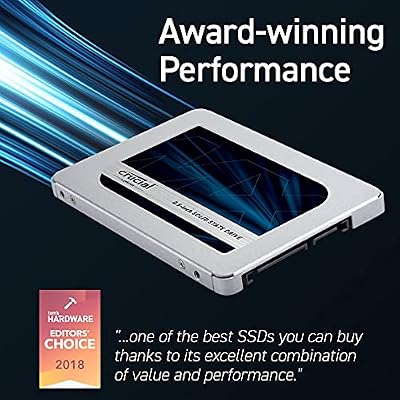
3. Crucial MX500 500GB 3D NAND SATA 2.5 Inch Internal SSD, CT500MX500SSD1

Crucial MX500 1TB 3D NAND SATA 2.5 Inch Internal SSD, up to 560MB/s - CT1000MX500SSD1



As an Amazon Associate we earn from qualifying purchases. Product prices and availability are accurate as of the date/time indicated.
The Crucial MX500 500GB is the beginner step-up pick, and the one to choose if you want more room from the start. It is the same easy 2.5-inch SATA format as the budget drives, but doubles the capacity to 500GB and sits a tier above as Crucial’s well-regarded mainstream SSD. At around $85 it offers a lot of trusted storage for the money.
This is the drive for the first-timer who knows 240GB will feel tight — if you keep more programs, photos or a few games, 500GB gives you breathing room. The MX500 has long been a reviewer favorite for its blend of reliability and value, it installs exactly as simply as any 2.5-inch SATA drive, and the larger capacity means you are less likely to need another upgrade soon. For a beginner who wants to do the upgrade once and have space to grow, the MX500 500GB is the sensible step up.
Pros: Roomy 500GB capacity, easy 2.5-inch SATA install, well-regarded reliable Crucial drive.
Cons: Costs a little more than 240GB drives; still SATA, not NVMe speed.
4. SANDISK SSD PLUS 240GB Internal SSD – SATA III 6 Gb/s, 2.5″/7mm, up to 530 MB/s

SANDISK SSD Plus 250GB Internal Solid State Drive - SATA III 6 Gb/s, 2.5"/7mm, Read/Write Speeds of up to 545MB/s / 505MB/s - SDSSDA-250G-G28
As an Amazon Associate we earn from qualifying purchases. Product prices and availability are accurate as of the date/time indicated.
The SanDisk SSD PLUS 240GB is the simple, no-fuss SATA pick. It is a standard 2.5-inch 7mm SATA III drive rated for reads up to 530MB/s, from a brand most people already know from memory cards and USB sticks. At around $94 it is an easy, recognisable choice for a first internal SSD upgrade in a laptop or desktop.
This is the drive for the beginner who wants a familiar name and a straightforward upgrade. The 7mm height fits the slim drive bays in most laptops, the SATA connection is universally supported, and the up-to-530MB/s speed delivers the big, noticeable jump over a mechanical hard drive. SanDisk provides simple migration tools to help you move your existing setup across. For a recognisable, easy-to-install 240GB SSD that takes the mystery out of a first upgrade, the SSD PLUS is a dependable, beginner-friendly option.
Pros: Familiar SanDisk brand, slim 7mm 2.5-inch fit, up to 530MB/s, easy upgrade.
Cons: 240GB capacity is limited; entry-level SATA performance.
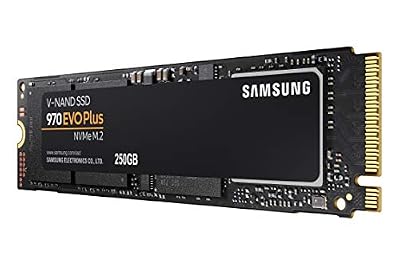
5. Samsung SSD 860 EVO 250GB 2.5 Inch SATA III Internal SSD (MZ-76E250B/AM)

SAMSUNG 970 EVO Plus SSD 250GB NVMe M.2 Internal Solid State Drive with V-NAND Technology, Storage and Memory Expansion for Gaming, Graphics w/ Heat Control, Max Speed, MZ-V7S250B/AM



As an Amazon Associate we earn from qualifying purchases. Product prices and availability are accurate as of the date/time indicated.
The Samsung 860 EVO 250GB is the trusted-brand pick, ideal for the beginner who wants a name with a strong reputation for SSD reliability. It is a 2.5-inch SATA III drive that installs just like the others here, but carries Samsung’s well-earned standing as one of the most respected makers of solid-state storage. At around $89 it brings that pedigree to a first upgrade at a fair price.
This is the drive to choose if reassurance matters to you on your first SSD. The 860 EVO is a mature, proven design that earned excellent reviews for consistency and longevity, the 2.5-inch SATA format keeps installation simple, and Samsung’s Magician software makes setup and monitoring easy. The 250GB capacity comfortably holds Windows and your main programs. For a beginner who would rather buy a highly trusted name once and not think about it again, the Samsung 860 EVO is a confidence-inspiring, easy-to-fit choice.
Pros: Highly trusted Samsung reliability, simple 2.5-inch SATA install, helpful Magician software.
Cons: 250GB is modest; SATA III ceiling, not high-speed NVMe.
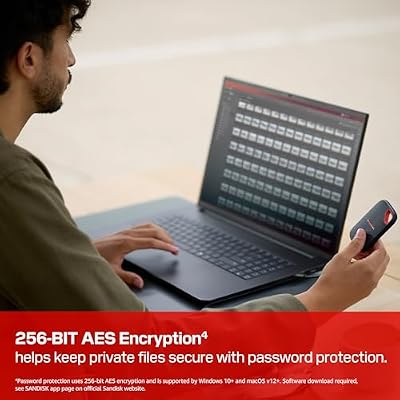
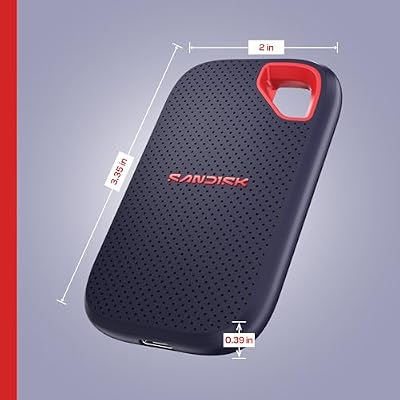
6. SANDISK 2TB Extreme Portable SSD (Old Model) – up to 1050MB/s, USB-C, USB 3.2 Gen 2

Sandisk 4TB Extreme Portable SSD, Up to 2000MB/s Transfer Speeds-New Model


As an Amazon Associate we earn from qualifying purchases. Product prices and availability are accurate as of the date/time indicated.
The SanDisk Extreme 2TB Portable is the odd one out here, and it is worth being clear about why: this is an external, portable SSD that plugs in over USB-C, not an internal drive you install inside your PC. It needs no installation at all — you just plug it into a USB port and use it. With a roomy 2TB capacity and speeds up to 1050MB/s over USB 3.2 Gen 2, it is the easiest possible storage upgrade. At around $294 it is the priciest pick on the list because of that large capacity.
This is the drive for the beginner who wants more storage without opening their computer at all — to back up files, carry a large library between machines, or expand a laptop that has no room for a second internal drive. There is nothing to fit and nothing to configure beyond plugging it in. It will not replace your internal boot drive or speed up Windows the way an internal SSD does, so think of it as easy, fast extra space rather than a system upgrade. For plug-and-play external storage, it could not be simpler.
Pros: Truly plug-and-play USB-C, large 2TB capacity, fast portable speeds, no install needed.
Cons: External drive, not an internal upgrade; most expensive pick here.
How to Choose Your First SSD
The most reassuring thing for a beginner to know is that for a first SSD, you almost always want a standard 2.5-inch SATA drive. SATA is the universal connection that mechanical hard drives have used for years, which means a 2.5-inch SATA SSD — like the Kingston A400, Crucial BX500 and MX500, SanDisk SSD PLUS or Samsung 860 EVO here — drops straight into the existing drive slot in almost any laptop or desktop. It is the simplest, lowest-risk way to make the jump from a hard drive.
Capacity is your next decision, and it comes down to what you store. A 240GB or 250GB drive comfortably holds Windows and your everyday programs and is the cheapest way in. If you keep more photos, documents or a few games, stepping up to a 500GB drive like the MX500 gives you room to grow and means you are less likely to need another upgrade soon. Buy a little more capacity than you think you need today — it is cheaper than upgrading again later.
It also helps to understand the one big trade-off in plain terms: SATA versus NVMe. Every internal drive here is a SATA drive, which is the most beginner-friendly type and feels enormously faster than a hard drive. NVMe drives are a newer, faster type that slot directly onto the motherboard, but they require an M.2 slot and are a slightly more advanced install. For your first upgrade, a SATA SSD delivers the dramatic improvement with the least fuss; you can explore NVMe later once you are comfortable.
Finally, decide between internal and portable. Five of these drives are internal SSDs that go inside your computer and can replace your main drive to speed up the whole system. The SanDisk Extreme 2TB is a portable USB-C drive that simply plugs in for extra storage with no installation at all — great for backups and carrying files, but not a replacement for an internal boot drive. Decide whether you want to speed up your PC (internal) or just add easy extra space (portable), set your budget, and pick the beginner-friendly drive on this list that matches your goal.
Frequently Asked Questions
Are SATA SSDs good for beginners, or should I get NVMe?
SATA SSDs are the ideal choice for a first upgrade. A 2.5-inch SATA drive like the Kingston A400 or Crucial MX500 drops into the same slot a hard drive uses, so installation is simple and compatibility is broad. NVMe drives are faster but need an M.2 slot and a slightly more advanced install. For a beginner, SATA delivers a huge, noticeable speed boost with the least hassle.
How much SSD storage do I need to start?
For a first SSD, 240GB or 250GB comfortably holds Windows and your everyday programs, and it is the cheapest way in. If you keep more photos, files or a few games, a 500GB drive like the Crucial MX500 gives useful breathing room. It is worth buying slightly more capacity than you need today, since it is cheaper than upgrading again later.
Is installing a SATA SSD difficult?
Not at all — it is one of the easiest PC upgrades. In a desktop you connect two cables; in a laptop you usually slot the drive into the existing bay. The 2.5-inch SATA drives here are recognised by virtually any computer, and brands like Crucial, SanDisk and Samsung offer free software to help you copy your existing setup across. If you can use a screwdriver, you can fit one of these.
What is the difference between an internal and a portable SSD?
An internal SSD goes inside your computer and can replace your main drive to make the whole system faster — five of the picks here are internal. A portable SSD like the SanDisk Extreme 2TB plugs in over USB-C and adds extra storage with no installation, which is great for backups and moving files but does not speed up your PC. Choose internal to speed up the machine, portable for easy extra space.
Related Guides
- Best SSDs
- Best High Performance SSDs
- Best NVMe SSDs
- Best External SSDs
- Best Budget Gaming PC
- Best Budget Gaming Setup
Affiliate Disclosure: As an Amazon Associate, we earn from qualifying purchases. If you click a link and make a purchase, we may earn a small commission at no extra cost to you. Prices and availability are accurate as of publication and may change.
Ready to decide? Our #1 pick for 2026 is the Kingston A400 240GB SATA 2.5".
Live price & availability on Amazon.


