- Top Pick: GIGABYTE B650 AORUS Elite AX AMD AM5 ATX Motherboard, Support Ryzen 9000/8000/7000 Series, DDR5, 14+2+1 Power Phase, PCIe 5.0 M.2, USB-C 3.2 Gen 2, WIFI6E, 2.5GbE, EZ-Latch, Q-Flash, RGB Fusion
- Best Value: Asus ROG Strix B550-F Gaming WiFi II AMD AM4 (3rd Gen Ryzen) ATX DDR4 Gaming Motherboard (PCIe 4.0,WiFi 6E, 2.5Gb LAN, BIOS Flashback, HDMI 2.1, Addressable Gen 2 RGB Header and Aura Sync)
- Premium Choice: GIGABYTE B550 Gaming X V2 AMD AM4 ATX Motherboard, Supports Ryzen 5000/4000/3000 Series Processors, DDR4, 10+3 Power Phase, 2X M.2, PCIe 4.0, Front USB-C, GbE LAN, Q-Flash Plus, RGB Fusion
Streaming asks more of a motherboard than plain gaming does. While you game, you are also encoding video, running capture and chat software, and juggling a stack of USB devices — microphones, capture cards, audio interfaces, cameras and controllers. That puts a premium on three things: a strong VRM (voltage regulation) to feed a multi-core CPU under sustained encode load, generous USB and rear I/O to plug in everything a stream needs, and dependable, fast networking to keep the upload stable. This guide rounds up the best motherboards for streaming in 2026 across AMD AM4, AM5 and Intel platforms, chosen with the streamer’s workload in mind.
- Best Motherboards for Streaming at a Glance
- 1. MSI MAG B550 Tomahawk Gaming Motherboard (AMD Ryzen 5000, AM4, DDR4, PCIe 4.0)
- 2. GIGABYTE B650 AORUS Elite AX AMD AM5 ATX Motherboard, Wi-Fi 6, DDR5
- 3. ASUS ROG Strix B550-F Gaming Motherboard, AMD AM4 Zen 3 Ryzen 5000
- 4. GIGABYTE Z790 AORUS Elite AX LGA 1700 ATX Motherboard, Intel 14th/13th Gen, Wi-Fi 6
- 5. ASUS ROG Strix Z390-E Gaming Motherboard LGA1151 (Intel 8th/9th Gen) ATX DDR4
- 6. MSI PRO B550M-VC WiFi ProSeries Motherboard (AMD Ryzen 5000, AM4, DDR4, Micro-ATX)
- How to Choose a Motherboard for Streaming
- Frequently Asked Questions
- Related Guides
- Related Articles
Our picks were chosen on what genuinely matters for a streaming PC: VRM quality for sustained CPU load while encoding, the quantity and speed of USB ports and rear I/O for capture and peripherals, networking and Wi-Fi, and value. We have included AM4, AM5 and Intel options, with built-in Wi-Fi on several boards, at prices from around $80 up to around $400. Whether you want a proven AM4 workhorse with a robust VRM, a current AM5 or Intel board with the latest USB and connectivity, or a compact Micro-ATX option for a small streaming rig, there is a board here. Below is an at-a-glance comparison, then a closer look at each board and a buyer’s guide built around VRM, USB connectivity and expansion for streaming.
As an Amazon Associate we earn from qualifying purchases at no extra cost to you.


🛒 Best Price Today on Amazon
Prime members get fast, free shipping on everything above, plus member-only deals. New members get a 30-day free trial — cancel anytime.
Best Motherboards for Streaming at a Glance
| Motherboard | Best For | Standout Spec | Approx Price |
|---|---|---|---|
| MSI MAG B550 Tomahawk | Robust AM4 streaming VRM | Strong VRM, AM4, dual LAN options | around $160 |
| GIGABYTE B650 AORUS Elite AX | Current AM5 + Wi-Fi | AM5, DDR5, Wi-Fi 6, USB-C | around $138 |
| ASUS ROG Strix B550-F Gaming | AM4 I/O + connectivity | B550, PCIe 4.0, rich rear I/O | around $160 |
| GIGABYTE Z790 AORUS Elite AX | High-end Intel streaming | LGA 1700, Z790, Wi-Fi 6, USB-C | around $190 |
| ASUS ROG Strix Z390-E Gaming | Proven Intel platform | Z390, ATX, DDR4, DisplayPort | around $400 |
| MSI PRO B550M-VC WiFi (mATX) | Compact AM4 streaming build | Micro-ATX, B550, built-in Wi-Fi | around $80 |
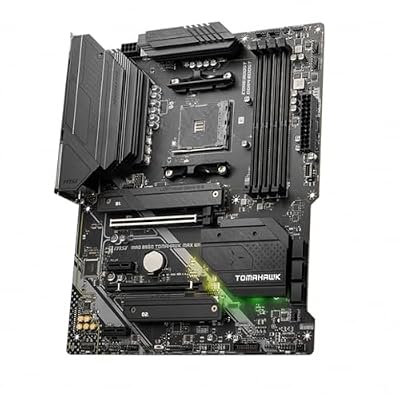
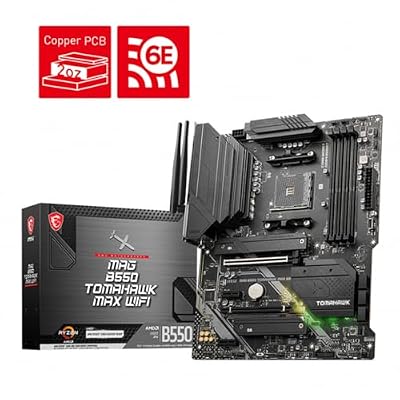
1. MSI MAG B550 Tomahawk Gaming Motherboard (AMD Ryzen 5000, AM4, DDR4, PCIe 4.0)

MSI MAG B550 Tomahawk MAX WiFi Gaming Motherboard (AMD Ryzen 5000 Series, AM4, DDR4, PCIe 4.0, SATA 6Gb/s, M.2, USB 3.2 Gen 2, HDMI/DP, Wi-Fi 6E, Bluetooth 5.2, 2.5Gbps LAN, ATX)



As an Amazon Associate we earn from qualifying purchases. Product prices and availability are accurate as of the date/time indicated.
The MSI MAG B550 Tomahawk is the standout streaming pick on AMD’s AM4 platform and leads this list. It earned a strong reputation for an unusually robust VRM at its price, which is exactly what a streamer wants: clean, sustained power to a multi-core Ryzen CPU while it encodes video for hours. It pairs that with DDR4 support, PCIe 4.0, and a generous rear I/O. At around $160 it is a long-standing favorite for capable, affordable builds.
This is the board to choose for a streaming PC built on AM4 where VRM strength and value lead. A streamer’s CPU runs hard while encoding, and the Tomahawk’s well-cooled power delivery keeps a Ryzen chip fed and stable under that sustained load — the foundation of dropped-frame-free encoding. The plentiful USB ports handle a microphone, capture card and peripherals, and the robust networking keeps the upload steady. For a dependable, value-focused AM4 streaming board with a VRM that punches above its price, the B550 Tomahawk is the obvious starting point.
Pros: Robust VRM for sustained encode load, plentiful USB and I/O, PCIe 4.0, excellent value.
Cons: AM4 and DDR4 are mature rather than cutting-edge; verify the exact Wi-Fi/LAN variant.
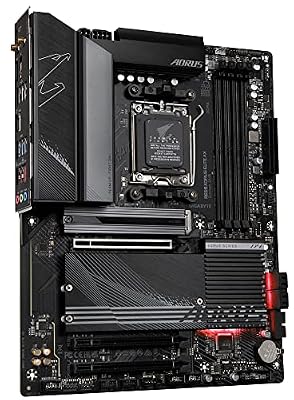
2. GIGABYTE B650 AORUS Elite AX AMD AM5 ATX Motherboard, Wi-Fi 6, DDR5

GIGABYTE B650 AORUS Elite AX AMD AM5 ATX Motherboard, Support Ryzen 9000/8000/7000 Series, DDR5, 14+2+1 Power Phase, PCIe 5.0 M.2, USB-C 3.2 Gen 2, WIFI6E, 2.5GbE, EZ-Latch, Q-Flash, RGB Fusion



As an Amazon Associate we earn from qualifying purchases. Product prices and availability are accurate as of the date/time indicated.
The GIGABYTE B650 AORUS Elite AX is the current-platform AMD pick. It moves to the modern AM5 socket with DDR5 memory support, integrated Wi-Fi 6 (the ‘AX’), USB-C, and PCIe expansion suited to a contemporary build. At around $138 it is keenly priced for a feature-rich AM5 board and supports current Ryzen 7000, 8000 and 9000-series processors.
This is the board for a streamer building a fresh, future-facing AM5 system rather than upgrading an older AM4 one. The current platform pairs with the latest multi-core Ryzen CPUs that encode efficiently, the built-in Wi-Fi 6 gives flexible, fast networking for streaming where Ethernet is awkward, and the USB-C and modern rear I/O make connecting capture gear and peripherals easy. DDR5 support keeps memory bandwidth high for multitasking while live. For a current, well-connected AM5 streaming board at a sensible price, the B650 AORUS Elite AX is a strong choice.
Pros: Modern AM5 with DDR5, built-in Wi-Fi 6, USB-C, supports latest Ryzen CPUs, good value.
Cons: AM5 platform costs more overall (DDR5 + CPU); VRM is solid but not flagship-tier.
3. ASUS ROG Strix B550-F Gaming Motherboard, AMD AM4 Zen 3 Ryzen 5000
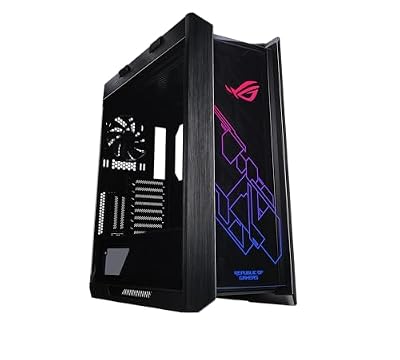
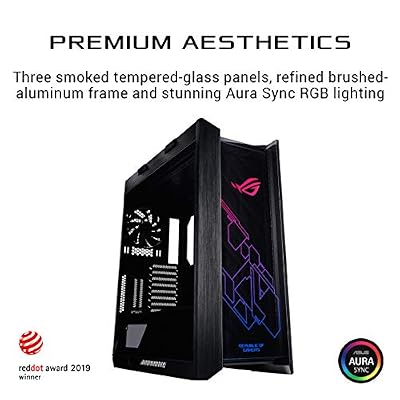
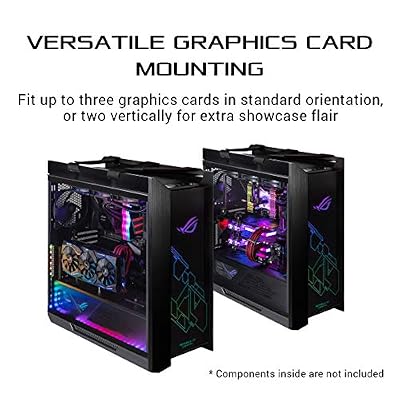
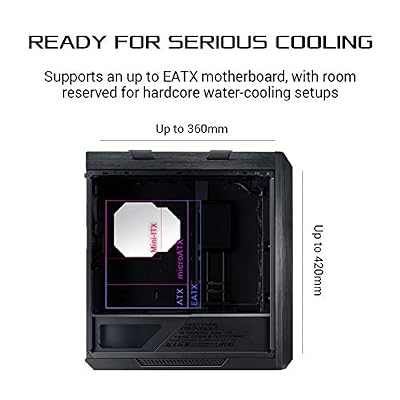
ASUS ROG Strix Helios RGB EATX Mid-Tower Gaming PC Case | Tempered Glass Panels, Supports Radiators up to 420mm long & Graphics Card up to 450mm long, Aluminum Frame, Aura Sync




As an Amazon Associate we earn from qualifying purchases. Product prices and availability are accurate as of the date/time indicated.
The ASUS ROG Strix B550-F Gaming is the connectivity-rich AM4 pick. It pairs the capable B550 chipset with PCIe 4.0, a sturdy VRM, and ASUS’s typically generous rear I/O and audio, making it a well-rounded base for a streaming build on AM4. At around $160 it sits alongside the Tomahawk as a premium-feel B550 option with the ROG feature set.
This is the board for the streamer who wants AM4 value with ASUS’s I/O and tuning polish. The solid power delivery keeps a Ryzen 5000 CPU stable through long encoding sessions, the broad selection of USB ports accommodates a microphone, capture card, audio interface and controllers at once, and the quality onboard audio is a bonus for streamers who care about voice clarity. PCIe 4.0 supports a fast GPU and NVMe storage for recording. For a feature-rich, well-connected AM4 streaming board from a trusted gaming line, the B550-F is a dependable pick.
Pros: Sturdy VRM, rich USB and rear I/O, quality audio, PCIe 4.0, polished ROG feature set.
Cons: AM4/DDR4 platform is mature; check whether your chosen variant includes Wi-Fi.
4. GIGABYTE Z790 AORUS Elite AX LGA 1700 ATX Motherboard, Intel 14th/13th Gen, Wi-Fi 6
The GIGABYTE Z790 AORUS Elite AX is the high-end Intel streaming pick. Built on the LGA 1700 socket for Intel 13th and 14th-generation Core CPUs, it brings a strong VRM, DDR5 support, integrated Wi-Fi 6, USB-C and plentiful modern I/O — a comprehensive platform for a powerful streaming rig. At around $190 it offers a current Intel feature set at a reasonable price for the Z790 tier.
This is the board for a streamer who prefers Intel and wants a high-core-count Core CPU handling encode duties. The robust Z790 power delivery feeds those many cores cleanly under sustained load, the abundant USB ports and USB-C header support a full complement of capture and audio gear, and built-in Wi-Fi 6 keeps networking flexible. DDR5 support and ample PCIe and NVMe options round out a serious multitasking platform. For a well-equipped, current Intel streaming board with strong I/O and connectivity, the Z790 AORUS Elite AX is a standout.
Pros: Strong VRM for many-core Intel CPUs, DDR5, Wi-Fi 6, USB-C, plentiful modern I/O.
Cons: Z790/DDR5 platform is pricier overall; targets recent Intel Core generations only.
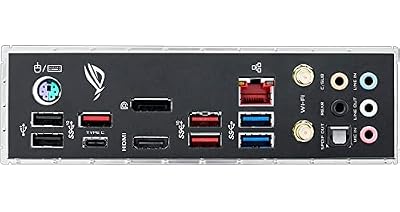
5. ASUS ROG Strix Z390-E Gaming Motherboard LGA1151 (Intel 8th/9th Gen) ATX DDR4

Asus ROG Strix Z390-E Gaming Motherboard LGA1151 (Intel 8th 9th Gen) ATX DDR4 DP HDMI M.2 USB 3.1 Gen2 802.11AC Wi-Fi


As an Amazon Associate we earn from qualifying purchases. Product prices and availability are accurate as of the date/time indicated.
The ASUS ROG Strix Z390-E Gaming is the proven older-Intel pick, and we are honest about its place: it is an LGA1151 board for Intel 8th and 9th-generation Core CPUs, an earlier platform rather than a current one. It offers a strong VRM, DDR4 support, generous rear I/O and ASUS’s ROG polish. At around $400 on this listing it is by far the most expensive board here, which largely reflects scarcity for an older platform rather than current-generation value.
This is the board to consider only if you are specifically building or upgrading around an Intel 8th or 9th-gen CPU and want a high-quality Z390 option — for a streamer on that platform, its robust power delivery, ample USB and quality audio still serve well. The solid VRM handles those CPUs under encode load, and the rich I/O accommodates capture and peripherals. But for a new build, the current AM5 or Z790 boards above deliver far more for the money. We list the Z390-E for transparency: a capable board, but an older platform at a price that no longer makes sense for most new streaming rigs.
Pros: Strong VRM, rich USB and I/O, quality ROG audio for a proven older Intel platform.
Cons: Older LGA1151 platform (8th/9th Gen only) and the highest price here — poor value for a new build.
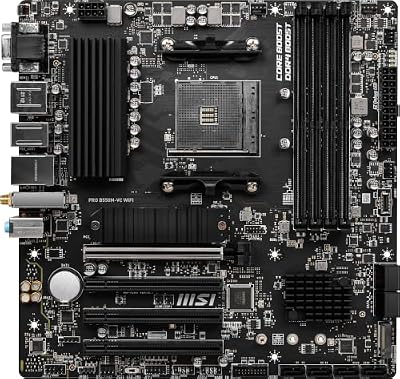
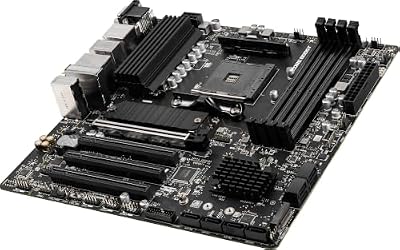
6. MSI PRO B550M-VC WiFi ProSeries Motherboard (AMD Ryzen 5000, AM4, DDR4, Micro-ATX)

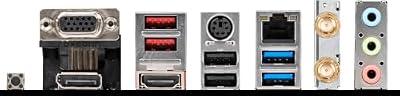
MSI PRO B550M-VC WiFi ProSeries Motherboard (AMD Ryzen 5000 Series, AM4, DDR4, PCIe 4.0, SATA 6Gb/s, M.2, USB 3.2 Gen 2, HDMI/DP, Wi-Fi 6E, Bluetooth 5.2, mATX)



As an Amazon Associate we earn from qualifying purchases. Product prices and availability are accurate as of the date/time indicated.
Rounding out the list is the MSI PRO B550M-VC WiFi, the compact streaming pick — and we flag its form factor clearly: it is a Micro-ATX (mATX) board, smaller than the full ATX boards above, designed for compact builds. It pairs the B550 chipset with DDR4 support, built-in Wi-Fi and a clean ProSeries feature set, and at around $80 it is the most affordable board here.
This is the board for a streamer building a small-form-factor or budget AM4 rig who does not need a full ATX layout. The B550 chipset supports capable Ryzen 5000 CPUs for encoding, the integrated Wi-Fi adds networking flexibility in tight spaces, and the rear I/O still covers the core USB needs for a microphone and capture device. Being Micro-ATX, it has fewer expansion slots and a more modest VRM than the larger boards, so it suits mainstream streaming CPUs rather than the very highest core counts. For an affordable, Wi-Fi-equipped compact AM4 streaming board, the PRO B550M-VC is a sensible, value-led choice that closes the list.
Pros: Affordable, built-in Wi-Fi, compact Micro-ATX B550, supports capable Ryzen 5000 CPUs.
Cons: Micro-ATX with fewer slots and a more modest VRM; best for mainstream rather than top-tier CPUs.
How to Choose a Motherboard for Streaming
Begin with the VRM, because streaming leans on your CPU harder than gaming alone. While you play, the processor is also encoding video and running capture and chat software, so it sits under sustained multi-core load for hours. A strong, well-cooled VRM — the kind the MSI MAG B550 Tomahawk became known for — delivers clean, stable power to a multi-core CPU under exactly that load, which is the foundation of smooth, dropped-frame-free encoding. Favour a board whose power delivery is rated for the CPU you intend to run hard, not just idle.
USB and rear I/O come next, because a streaming setup plugs in a lot. Between a microphone or audio interface, a capture card, a webcam, controllers and storage, USB ports disappear fast. Look for a generous count of USB ports across a mix of speeds, ideally including USB-C, as on the GIGABYTE AORUS and Z790 boards. Confirm the rear I/O has enough connectivity for everything your stream uses simultaneously, and remember that a front-panel USB-C header is handy for quickly connecting devices. Plentiful, fast I/O is what keeps a streaming rig flexible.
Networking and expansion shape stability and headroom. A stable, fast upload is essential for live streaming, so dependable onboard Ethernet — and built-in Wi-Fi where running a cable is awkward, as on the ‘AX’ boards here — matters more for streamers than for offline gamers. On expansion, check the PCIe slots and NVMe support: a capture card or a fast recording drive may need a slot, and you want room for your GPU plus storage. Match the board’s slots and connectivity to the devices your stream actually depends on.
Finally, choose the right platform and form factor, and be honest about value. Match the socket to your CPU — AM4 boards like the Tomahawk and B550-F suit Ryzen 5000, AM5 boards like the B650 AORUS take current Ryzen, and LGA 1700 boards like the Z790 take recent Intel Core, while the Z390-E targets older 8th/9th-gen Intel only. Note form factor too: the MSI PRO B550M-VC is a compact Micro-ATX board with fewer slots, ideal for small rigs but not for maximum expansion. Set your budget, prioritise a capable VRM, ensure enough USB and networking, and pick the board on this list that fits your CPU and the way you stream.
Frequently Asked Questions
What motherboard specs matter most for streaming?
A strong VRM comes first, because your CPU encodes video under sustained multi-core load while you stream, and clean power keeps it stable. After that, prioritise plentiful USB ports and rear I/O for a microphone, capture card and peripherals, plus dependable networking — ideally with built-in Wi-Fi like the ‘AX’ boards here. Expansion for a capture card or fast recording drive rounds out the priorities.
Do I need built-in Wi-Fi on a streaming motherboard?
It is very useful if running a wired Ethernet cable to your setup is awkward. Boards like the GIGABYTE B650 AORUS Elite AX, Z790 AORUS Elite AX and MSI PRO B550M-VC WiFi include integrated Wi-Fi for flexible, fast networking. That said, a stable wired Ethernet connection is still ideal for live uploads when you can manage it, so treat Wi-Fi as valuable flexibility rather than a strict requirement.
Is the ASUS ROG Strix Z390-E a good choice for a new streaming PC?
Only if you are specifically building around an older Intel 8th or 9th-generation CPU, which is what its LGA1151 socket supports. It is a capable board with a strong VRM and rich I/O, but it is an older platform, and at around $400 on this listing it is poor value for a new build. For a fresh streaming PC, the current AM5 or Z790 boards here deliver far more performance and connectivity for the money.
Can I stream on a compact Micro-ATX motherboard?
Yes. A Micro-ATX board like the MSI PRO B550M-VC WiFi can run a capable Ryzen CPU and offers enough USB and built-in Wi-Fi for a streaming setup in a small case. The trade-offs are fewer expansion slots and a more modest VRM than a full ATX board, so it suits mainstream streaming CPUs rather than the very highest core counts. For compact, budget-conscious streaming rigs it is a sensible choice.
Related Guides
- Best Motherboards
- Best CPUs for Streaming
- Best Capture Cards
- Best Gaming PCs
- Best RAM for Gaming
- Best USB Microphones for Streaming
Affiliate Disclosure: As an Amazon Associate, we earn from qualifying purchases. If you click a link and make a purchase, we may earn a small commission at no extra cost to you. Prices and availability are accurate as of publication and may change.