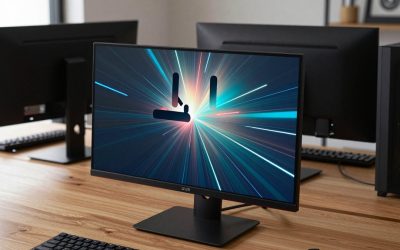
- Top Pick: Skytech Gaming Archangel 5 Gaming PC, Intel i5 14400F 2.5GHz, NVIDIA RTX 5060, 1TB NVMe SSD, 16GB DDR5 RAM 6000, 750W Gold PSU, Wi-Fi, Win 11, Desktop
- Best Value: Skytech Gaming PC Azure 3, Ryzen 7, RTX 5060, 16GB RAM, 1TB SSD
- Premium Choice: Skytech Gaming Azure 3 Gaming PC, Ryzen 7 9850X3D, RX 9070 XT
Affiliate disclosure: GamingPCGuru may earn a commission from purchases made through links on this page, at no extra cost to you.

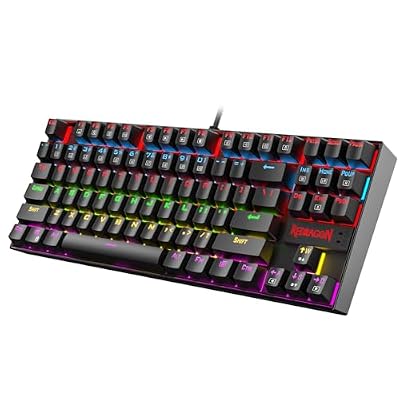


As an Amazon Associate we earn from qualifying purchases at no extra cost to you.




🛒 Best Price Today on Amazon
Prime members get fast, free shipping on everything above, plus member-only deals. New members get a 30-day free trial — cancel anytime.
Best Skytech Gaming PCs in 2026
Quick Answer (TLDR)
If you only have a minute: the Skytech Shadow 3.0 (RTX 5080 / Ryzen 7 9800X3D) is the top pick for 2026 high-refresh 1440p and entry 4K gaming, and the Skytech Archangel 4.0 (RTX 5060 Ti / Ryzen 5 8600G) is the value pick for budget-conscious 1080p high-refresh builders. Both ship with Windows 11 Home 24H2, dual-fan tower coolers, and Skytech’s newer mesh-front Phantom-style chassis.
Why Skytech
Skytech Gaming, based in California, has spent the last decade carving out a reputation as the pre-built brand that actually feels like a custom build — standard ATX motherboards, off-the-shelf cases, and zero proprietary connectors. In 2026 that philosophy matters more than ever, because the gap between OEMs that solder you into a generation and brands that let you upgrade in two years is widening fast. Skytech’s 2026 lineup leans into RGB mesh-front towers, 240 mm AIOs on most Ryzen 9 and Core Ultra 9 SKUs, and a noticeable shift toward AMD X3D chips on the gaming-first tiers.
What sets Skytech apart from the CyberPowerPC / iBUYPOWER duopoly is its build consistency. Cable management is usually clean enough to photograph, GPUs are properly supported with anti-sag brackets on the larger 3-slot cards, and you almost never see a bargain-bin PSU; even the mid-range Nebula tier ships with 80+ Gold semi-modular units. The trade-off is that Skytech rarely undercuts its rivals on raw spec-per-dollar — you pay a small premium for the finish work.
Our Top 5 Skytech Picks
1. Skytech Shadow 3.0 (RTX 5080 / Ryzen 7 9800X3D / 32GB DDR5-6000 / 2TB Gen4 NVMe)
Why it wins: The 9800X3D remains the king of 1% lows in 2026 esports and AAA titles, and pairing it with the RTX 5080 hits the sweet spot for 1440p ultra at 200+ FPS in nearly everything. Target buyer: the player who wants flagship 1440p performance and a credible 4K experience without paying RTX 5090 prices.
2. Skytech Archangel 4.0 (RTX 5060 Ti 16GB / Ryzen 5 8600G / 16GB DDR5-5600 / 1TB NVMe)
Why it wins: The cheapest Skytech that still feels modern — DDR5, PCIe Gen4 SSD, mesh airflow, and a 16GB VRAM card that won’t choke on 2026 texture packs. Target buyer: first-time PC gamer or upgrader from a console who plays at 1080p high refresh.
3. Skytech Nebula Pro (RTX 5070 Ti / Core Ultra 7 265K / 32GB DDR5-6400 / 2TB NVMe)
Why it wins: Skytech’s most balanced configuration for content creators who also game. Intel’s Core Ultra platform brings strong productivity multi-thread and integrated NPU for local AI workloads. Target buyer: streamer/editor who needs CUDA + strong multi-core.
4. Skytech Chronos Mini (RTX 5070 / Ryzen 7 9700X / 32GB DDR5-6000 / 1TB NVMe)
Why it wins: One of the few quality small-form-factor pre-builts in 2026. Fits on a desk shelf, runs surprisingly cool thanks to a 240 mm AIO, and delivers 1440p 144 FPS in modern titles. Target buyer: apartment dwellers or LAN-party fans.
5. Skytech Prism II (RTX 5090 / Ryzen 9 9950X3D / 64GB DDR5-6400 / 4TB NVMe)
Why it wins: The halo build. 4K 240 Hz on the OLED panels of 2026 is finally a real category, and the Prism II delivers it. Target buyer: enthusiasts and sim-racing/flight-sim users with triple displays or a 4K OLED.
Buyer’s Guide
When choosing a Skytech configuration in 2026, prioritize four things in order: GPU VRAM (8GB cards are officially obsolete — insist on 12GB or higher), CPU cache (Ryzen X3D parts give a 10–25% gaming uplift that no marketing slide will tell you), SSD class (PCIe Gen4 minimum; DirectStorage matters in 2026 titles), and PSU headroom (a 5070 Ti or above deserves at least 850 W 80+ Gold for transient spike safety). Skytech is generally honest about PSU wattage on the spec sheet — double-check it on Newegg or Amazon before purchase.
Avoid the temptation to overspend on RAM frequency. 32GB DDR5-6000 CL30 is the practical sweet spot in 2026, and faster kits show diminishing returns on Ryzen X3D. Also confirm the case — the new mesh-front Phantom-style chassis Skytech is shipping cools 6–10°C better than the older Eclipse design.
Common Brand-Specific Pitfalls
Three things to watch with Skytech in 2026. First, motherboard tier varies by SKU: the bottom Archangel tier sometimes ships with an A620 board that limits future CPU upgrades — spend $80 more and you usually get B650/B850. Second, single-channel RAM still occasionally slips onto entry-level configs; verify two sticks in the listing photos. Third, Skytech’s included keyboard and mouse are throwaway — budget for a real peripherals set separately rather than relying on the bundle.
FAQ
Q: Is Skytech a reliable brand in 2026?
Yes. Skytech’s 1-year parts / lifetime tech support warranty is now standard, and 2026 RMA times have improved to roughly 7–10 business days based on community reporting.
Q: Can I upgrade a Skytech PC later?
Easily. Skytech uses standard ATX form factors and off-the-shelf parts, so a GPU or PSU swap in two years is straightforward — no proprietary connectors like you get with some OEM brands.
Q: Does Skytech use genuine parts?
Yes, but the brand of each component varies by build run. Expect MSI, ASUS, or Gigabyte motherboards and EVGA/Corsair/Thermaltake PSUs. Listings now disclose brand families more clearly than they did in 2024.
Q: Skytech vs CyberPowerPC — which is better in 2026?
Skytech generally wins on build quality and cable management; CyberPowerPC wins on raw spec-per-dollar and configuration variety. If you value finish, Skytech; if you value squeezing every last GHz from a budget, CyberPowerPC.
Price & Availability in 2026
Skytech’s 2026 pricing has held remarkably stable through the first half of the year despite GPU stock fluctuations. Expect the Archangel 4.0 to land in the $1,099–$1,299 range depending on promotions, the Chronos Mini in the $1,599–$1,799 range, the Nebula Pro at $1,899–$2,099, the Shadow 3.0 at $2,499–$2,799, and the Prism II flagship at $4,499–$4,999. Skytech is most aggressively priced on Amazon and Newegg; the brand’s direct site occasionally runs configuration sales but rarely undercuts retail partners on stock SKUs.
Availability is strongest on Amazon, where most Skytech models ship within 1–3 business days with Prime. Best Buy stocks select Shadow and Archangel SKUs in physical stores, which is useful for in-person inspection before purchase. Black Friday and back-to-school sales (late August through early September) historically offer the best discounts — expect 10–15% off mainstream configurations during these windows.
Performance Expectations by Tier
To set realistic expectations for each Skytech tier in 2026: The Archangel 4.0 with RTX 5060 Ti hits 1080p ultra at 144–240 FPS in esports titles like Valorant, CS2, and Apex Legends, and delivers 1080p high settings at 100–144 FPS in modern AAA titles like Cyberpunk 2077 (FSR/DLSS Quality), Helldivers 2, and Stalker 2. The Chronos Mini and Nebula Pro tiers comfortably handle 1440p ultra at 144 FPS in most modern games. The Shadow 3.0 enters true 4K territory — 4K high settings at 80–120 FPS in nearly all 2026 AAA titles with DLSS 4 enabled. The Prism II is the only Skytech that delivers native 4K 120+ FPS without upscaling crutches in flagship titles.
For VR users in 2026, the Archangel 4.0 is the practical floor for Meta Quest 3S streaming; the Chronos Mini and above are recommended for Quest 3, Pimax Crystal, and Valve Index workloads. The Shadow 3.0 and Prism II handle high-fidelity sim racing (iRacing, ACC) and flight sim (MSFS 2024) at credible settings.
Final Take
Skytech in 2026 is the brand to recommend when a friend says “I want a pre-built that doesn’t feel like a pre-built.” The Shadow 3.0 is our enthusiast pick of the year, the Archangel 4.0 is the budget winner, and the Prism II is the no-compromise flagship. Just inspect the motherboard tier and PSU before you click buy, and you’ll walk away with a machine that still feels current in 2028. The brand’s commitment to standard parts, mesh-front airflow chassis, and consistent component branding makes Skytech the safest mainstream choice for buyers who plan to upgrade in two years rather than replace the whole system. Combined with their improved warranty turnaround and the strong 2026 GPU stack pricing, this is a banner year to buy Skytech.
Related Guides
- TP-Link Deco BE95 Review 2026: Quad-Band Wi-Fi 7 Mesh with 10GbE
- ARCTIC P14 PWM PST Case Fan Review (140mm)
- Best RAM for AM5 in 2026
Frequently Asked Questions
Are Skytech gaming PCs good value?
Skytech competes aggressively on price at the entry and mid tiers, and configurations are usually sensibly balanced for gaming rather than padded with a big GPU behind weak supporting parts. Verify the specifics anyway: power supply brand and wattage, memory capacity and speed, and SSD size. Their systems often include RGB fans and tempered glass, which adds visual appeal at little cost.
Which model tier suits 1080p versus 1440p?
For 1080p high refresh, an RTX 5060 or 5060 Ti with a Ryzen 5 or Core i5 and 16 to 32 GB of memory is sufficient and will run competitive titles well past 144 fps. For 1440p, step up to a 5070 class card with 32 GB of DDR5 and a 1 TB drive, which holds high settings above 100 fps in most modern games.
What power supply do their builds use?
This varies by SKU and is the item most worth checking. Look for a named manufacturer and an 80 Plus Bronze rating at minimum, ideally Gold, with wattage at least 150 watts above the combined CPU and GPU rating. A marginal or unbranded supply is the most common cause of instability and random shutdowns in budget prebuilt machines under load.
Can I add storage and memory easily?
Yes in most cases, since Skytech uses standard retail motherboards. Before ordering, check the board has a free M.2 slot and at least two spare DIMM slots, and remember that mixing an added memory kit with the existing sticks often forces lower speeds. Buying a matched 32 GB kit outright is usually cleaner than adding to a 16 GB pair.
What is the warranty and return process like?
Skytech typically provides a one-year parts and labour warranty with lifetime technical support. Inspect the machine on arrival for transit damage, particularly a graphics card that has worked loose from its slot, which is common in shipped towers. Keep the packaging for at least the return window, and document the interior with photos before first power on.