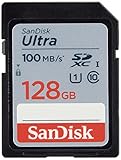
- Top Pick: SanDisk 128GB Ultra SDXC UHS-I Memory Card, Up to 140MB/s, C10, U1, Full HD, SD Card, SDSDUNB-128G-GN6IN
- Best Value: SanDisk 32GB Ultra 100MBs SDHC Memory Card | Up to 100MB/s read, Water-resistant design, Impact-resistant build
- Premium Choice: GIGASTONE 32GB SD Card 2-Pack, Camera Plus, UHS-I U1 Class 10 SDHC Memory Card Full HD Video for Digital Camera Speed up to 100MB/s, with 2 mini Cases
An SD card is among the least glamorous parts of a camera kit and the one most likely to ruin a day. A card that is too slow drops frames in 4K video, one that is too small fills up halfway through a wedding, and a counterfeit or worn one can corrupt a whole shoot. Shoppers searching “SD cards for cameras” usually have a specific problem: a new DSLR that needs a fast write speed, a trail camera that eats cards by the dozen, or a family compact that just needs enough room for a vacation.
The eight listings here come from SanDisk, GIGASTONE and PNY and span 32GB to 128GB capacities, single cards and multi-packs, and speed classes from basic U1 to V30 U3. Because the titles list read speeds, class ratings and compatibility notes, the How to Choose section explains how to read them for photos, Full HD video and 4K in 2026.
Quick Picks
As an Amazon Associate we earn from qualifying purchases at no extra cost to you.


| Product | Best for | Key spec from the title |
|---|---|---|
| SanDisk 128GB Ultra SDXC (140MB/s) | Large photo libraries and Full HD video | 128GB, up to 140MB/s, C10, U1 |
| SanDisk 32GB Ultra SDHC | Basic compact cameras | 32GB, up to 100MB/s, water- and impact-resistant |
| GIGASTONE 32GB 2-Pack | Spare cards for two cameras | 2 cards, U1 Class 10, mini cases included |
| SanDisk 64GB Ultra (140MB/s) | Compact to mid-range cameras | 64GB, up to 140MB/s, U1, C10 |
| GIGASTONE 32GB 5-Pack | Trail cameras and multi-device use | 5 cards, up to 80MB/s, U1 Class 10 |
| SanDisk 64GB Extreme PRO | 4K video and bursts | Up to 200MB/s read, 90MB/s write, V30, U3 |
| PNY 32GB Elite 5-Pack | Budget multi-pack | 5 cards, C10, U1, V10, up to 100MB/s read |
| SanDisk 128GB Ultra SDXC (100MB/s) | Everyday photography | 128GB, 100MB/s, C10, U1, Full HD |
How to Choose
Decode the speed class symbols
Class 10 guarantees a minimum sustained write of 10MB/s. U1 means 10MB/s and U3 means 30MB/s, while V10 and V30 indicate the video speed classes with the same sustained minimums of 10MB/s and 30MB/s. For Full HD video and photography, U1 or V10 is typically enough. For 4K recording or rapid burst shooting, look for U3 or V30, as in the Extreme PRO. The big read-speed number printed on the card, such as 140MB/s or 200MB/s, helps with file transfers to a computer but says less about how well the card records.
Choose a capacity that fits your shooting style
A 32GB card is plenty for a trail camera or a casual photographer, but fills fast with Full HD or 4K video. A 64GB or 128GB card suits video, vacations and long sessions. Remember the format names: SDHC covers 4GB to 32GB, while SDXC covers larger capacities, and older cameras may not support SDXC. Check the manual before buying a 128GB card for an older body.
Confirm compatibility and device rules
Not every camera can use every card. Trail cameras from brands like SPYPOINT or Tactacam often cap the card size they accept and prefer 32GB or smaller cards, which is why the GIGASTONE 5-pack mentions them by name. DSLRs and mirrorless bodies handle larger cards but need fast write speeds for continuous shooting. Check the device specification for maximum capacity and suggested speed class, and format each new card in the camera itself so the file system matches what the device expects.
Where budget cards cut corners
Low-cost cards can have slower real-world write speeds, shorter warranties and less rugged shells. Multi-packs make economical backup sets but usually sit at the lower end of speed. A water-resistant and impact-resistant build, as the SanDisk 32GB lists, adds peace of mind for outdoor use. Ignore dramatic marketing language and buy from a seller that clearly identifies the brand, since counterfeit cards exist.
The 8 Best Options
SanDisk 128GB Ultra SDXC (140MB/s)
This card lists up to 140MB/s read speed, Class 10, U1 and Full HD capability in a 128GB SDXC format. It suits family photographers, travelers and hobbyists who shoot lots of photos and Full HD clips without needing the faster write guarantees used for 4K. The large capacity reduces the need to swap cards on long trips and spares you from deleting photos mid-vacation.
- Strength: 128GB gives room for long trips and video.
- Strength: 140MB/s read speed helps with moving files to a computer.
- Trade-off: U1 is not a good match for demanding 4K recording.
Skip it if your camera records 4K or shoots long bursts. A U3 or V30 card is the safer pick for those jobs, and it is wise to pair a large card like this with a regular backup habit so one failure does not erase a whole trip.
SanDisk 32GB Ultra SDHC
The 32GB Ultra lists read speeds up to 100MB/s along with water-resistant and impact-resistant design. It fits older compact cameras, entry-level DSLRs and casual shooters who prefer smaller cards that are easy to organize. The SDHC format works with a wide range of devices that cannot read larger SDXC cards.
- Strength: SDHC format is widely compatible.
- Strength: a rugged build suited to outdoor use.
- Trade-off: 32GB fills quickly with video.
Skip it if you shoot a lot of video or need hours of recording from one card. It makes more sense as a spare in the camera bag or a card for a point-and-shoot that mostly takes still photos.
GIGASTONE 32GB 2-Pack
This pair of UHS-I U1 Class 10 SDHC cards lists speeds up to 100MB/s and arrives with two mini cases for storage. It is meant for people who want a primary card plus a spare for a digital camera, or a card for each of two devices. The pack format lowers the cost of a backup.
- Strength: two cards give you a spare and protective cases.
- Strength: Full HD video capability with U1 Class 10.
- Trade-off: it is not designed for 4K or sustained heavy bursts.
Skip it if you want one big card or the highest write-speed guarantees. The mini cases are a practical touch for keeping a spare in a pocket without losing it.
SanDisk 64GB Ultra (140MB/s)
The 64GB Ultra lists up to 140MB/s read, UHS-I, U1, C10 and Full HD, and is described as ideal for compact to mid-range cameras and camcorders. It is a balanced choice between capacity and compatibility, with enough space for a weekend of photos and a good amount of video.
- Strength: 64GB offers a comfortable middle capacity.
- Strength: suited to compact and mid-range cameras and camcorders.
- Trade-off: U1 limits it for 4K recording.
Skip it if you plan to shoot 4K or use professional burst modes. For everyday trips, birthdays and school events, though, it covers the common needs without overbuying.
GIGASTONE 32GB 5-Pack
This five-card pack lists UHS-I U1 Class 10 SDHC cards with speeds up to 80MB/s, and the title mentions compatibility with digital cameras and trail cameras such as SPYPOINT and Tactacam. It suits people running several game cameras who want to swap cards without erasing them in the field.
- Strength: five cards simplify rotating cards in several trail cameras.
- Strength: 32GB SDHC fits devices with capacity limits.
- Trade-off: the 80MB/s listed speed is the lowest in this group.
Skip it if you shoot high-speed video or long bursts on a mirrorless or DSLR body. Label each card with a marker and a location so you can track which camera produced which images.
SanDisk 64GB Extreme PRO
The Extreme PRO lists up to 200MB/s read, 90MB/s write, V30, U3, C10 and 4K UHD support, with backup and transfer use. It is the clear choice here for videographers, action shooters and anyone using a camera with a continuous burst mode, where sustained write speed keeps the buffer clear.
- Strength: V30 and U3 ratings suit 4K recording.
- Strength: 90MB/s write speed helps with bursts.
- Trade-off: it costs more per gigabyte than the Ultra line, being in the premium tier.
Skip it if you only shoot casual photos, since you will not use its speed. Wildlife, sports and event photographers who need the buffer to clear quickly get the most out of it.
PNY 32GB Elite 5-Pack
This pack lists Class 10, U1 and V10 SDHC cards with up to 100MB/s read speed and Full HD video support for DSLR and video cameras. It works as a budget set of spares for families, schools or clubs sharing a handful of cameras.
- Strength: five cards at a budget tier.
- Strength: V10 marking confirms basic video capability.
- Trade-off: 32GB per card needs frequent swaps for video.
Skip it if you want one large card or 4K recording. Because the cards are identical, consider rotating them evenly so no single card wears out first.
SanDisk 128GB Ultra SDXC (100MB/s)
A second 128GB Ultra listing, this one states 100MB/s, C10, U1 and Full HD. It fits the same needs as the 140MB/s version, large capacity for photos and standard video, with a slightly lower stated read speed.
- Strength: 128GB capacity for long trips.
- Strength: Full HD video capability.
- Trade-off: lower read speed than the first 128GB model.
Skip it if file-transfer speed matters, because the other 128GB card lists 140MB/s. In camera use the difference is small, since recording depends on write speed, which neither title spells out.
Which One Fits Your Situation
You shoot 4K video or bursts
The SanDisk 64GB Extreme PRO is the only card here rated V30 and U3 with a 90MB/s write speed in the title. Pair it with a camera that records high-bitrate video and you avoid the stuttering and dropped clips that slower cards can cause.
You run several trail cameras
The GIGASTONE 32GB 5-Pack names SPYPOINT and Tactacam compatibility and gives you cards to rotate.
You want one big card for a vacation
The SanDisk 128GB Ultra SDXC cards give plenty of room for photos and Full HD video.
You need spares at a low cost
The PNY 32GB Elite 5-Pack or the GIGASTONE 2-Pack offer inexpensive backups.
Common Mistakes
- Buying on read speed alone instead of checking U and V ratings for recording.
- Using an SDXC card in a device that supports only SDHC.
- Putting all your photos on a single card without a backup.
- Choosing a 32GB card for 4K video and filling it in minutes.
- Failing to format the card in the camera before use, which can cause errors.
Related guides
- Aio Liquid Coolers For High Performance Gaming
- Wireless Gaming Headsets Under 100 For Pc
- What Is A Dac And Do You Need One For Gaming
Frequently Asked Questions
Is U1 enough for Full HD video?
Generally yes. U1 and V10 guarantee 10MB/s sustained writes, which is enough for common Full HD recording. Higher bitrates, 4K and fast burst photography are where U3 and V30 earn their place.
What is the difference between SDHC and SDXC?
SDHC covers up to 32GB, while SDXC covers larger capacities. Some older devices cannot read SDXC.
Should I buy a multi-pack?
Multi-packs make sense for trail cameras, schools or backups. A single faster card is better for demanding video. Mixing the two, one fast card for main use and a pack for spares, is a common approach.
How often should I replace a card?
Cards wear with use. Replace one if you see errors, and back up important files regularly. Heavy video shooters may want to retire cards after a couple of years as a precaution.