- Top Pick: LGA1700 CPU Interfaces Motherboards Card Loading Board Card LED Indicators CPU Socket Motherboards Tester Developer Testing Tool
- Best Value: ASUS Pro WS W790 SAGE SE Intel LGA 4677 CEB Motherboard,PCIe 5.0, 7 xPCIe 5.0 x16 Slots,DDR5 R-DIMM, 2x10G BMC LAN, LAN Server-Grade Remote Management,Front and Rear USB 3.2 Gen 2×2 Type-C®,ACCE
- Premium Choice: ASUS Pro WS W790-ACE Intel LGA 4677 CEB Motherboard,5xPCIe 5.0×16 Slots,DDR5 R-DIMM,10G & 2.5GLAN,USB 3.2 Gen 2×2 Type-C,BMC Header, ACCE
🛒 Best Price Today on Amazon
Prime members get fast, free shipping on everything above, plus member-only deals. New members get a 30-day free trial — cancel anytime.
- Top Motherboards Developers Picks for 2026
- Best Motherboards for Developers at a Glance
- 1. GIGABYTE B650 AORUS Elite AX (AMD AM5, DDR5, PCIe, Wi-Fi)
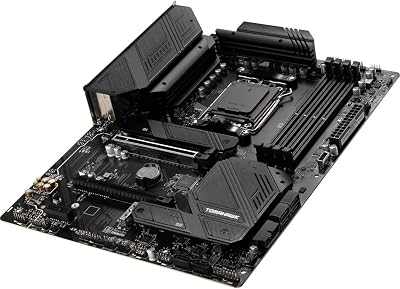
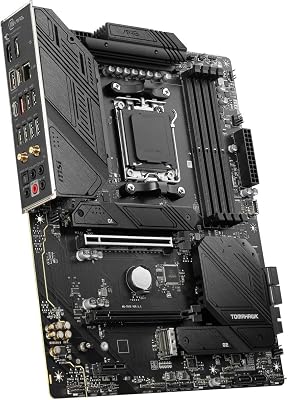
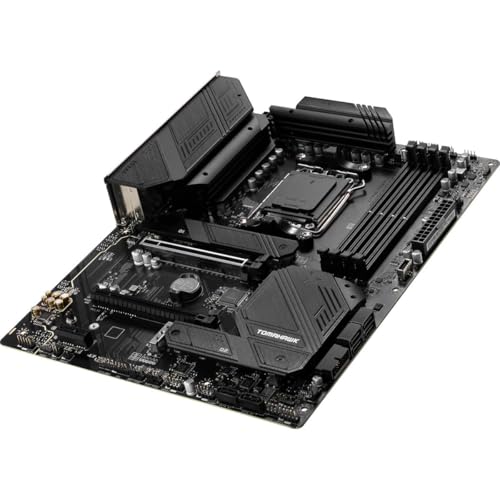
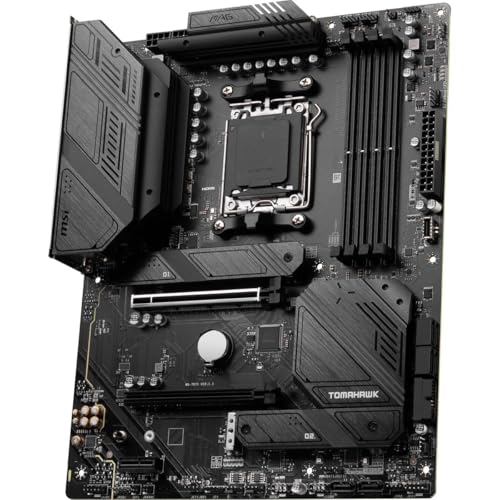
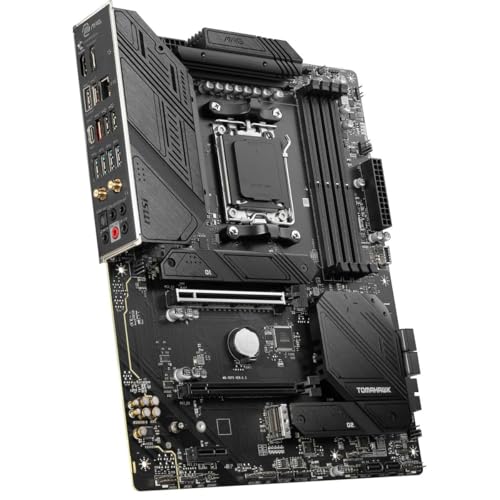
- 2. MSI MAG B650 Tomahawk WiFi (AMD AM5, DDR5, PCIe)
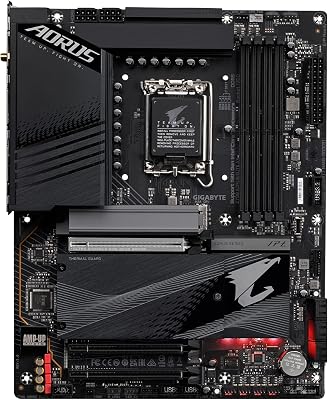
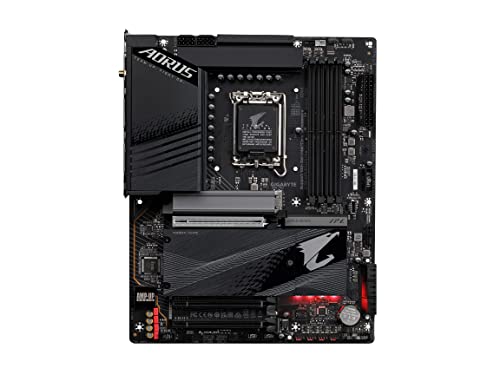
- 3. GIGABYTE Z790 AORUS Elite AX (Intel LGA 1700, DDR5, Wi-Fi)
- 4. MSI MAG B550 Tomahawk (AMD AM4, DDR4, PCIe 4.0)
- 5. MSI B550M PRO-VDH WiFi ProSeries (AMD AM4, DDR4, micro-ATX)
- 6. MSI PRO B550M-VC WiFi ProSeries (AMD AM4, DDR4, micro-ATX)
- How to Choose a Motherboard for Development
- Related Guides
- Frequently Asked Questions
- Related Guides
- Related Articles
Top Motherboards Developers Picks for 2026
Here are our current top motherboards developers picks, compared on real Amazon owner reviews, price, and features. Live prices update below.
As an Amazon Associate we earn from qualifying purchases at no extra cost to you.


![Arduino Nicla Voice [ABX00061] - Official Arduino Pro Board Microphone, Edge AI Processing, and Voice Recognition, Made in Italy](https://m.media-amazon.com/images/I/51DzBI1aSjL._SL160_.jpg)





A developer’s motherboard is judged by different criteria than a gamer’s. When your machine spins up containers, runs virtual machines, juggles dozens of browser tabs and an IDE, and grinds through long compiles, what matters is maximum RAM capacity, plenty of fast M.2 storage slots for source trees and VM images, dependable wired and wireless connectivity, and above all stability under sustained load. This guide frames the best motherboards for developers in 2026 around exactly those needs — not RGB headers or overclocking records — so the board fades into the background and your workstation just keeps running.
Our picks were chosen for development priorities: high supported RAM capacity for VMs and containers, the number of M.2 NVMe slots for fast, roomy storage, networking (Wi-Fi and gigabit/2.5G Ethernet), USB connectivity for peripherals and docks, and a reputation for reliability. We span AMD AM4, AMD AM5 and Intel LGA 1700 platforms, with prices from around $80 to around $190, and describe each by its fit for a development rig rather than by gaming features. Below is an at-a-glance comparison of all six, then a closer look at each board and a buyer’s guide built around RAM, storage, connectivity and stability — the things a developer’s machine actually depends on.
Best Motherboards for Developers at a Glance
| Motherboard | Best For | Standout Spec | Approx Price |
|---|---|---|---|
| GIGABYTE B650 AORUS Elite AX (AM5) | Future-proof DDR5 dev rig | AM5, DDR5, Wi-Fi, multiple M.2 | around $150 |
| MSI MAG B650 Tomahawk WiFi (AM5) | Stable AM5 with strong I/O | AM5, DDR5, robust VRM, Wi-Fi | around $160 |
| GIGABYTE Z790 AORUS Elite AX (Intel) | Intel dev workstation | LGA 1700, DDR5, Wi-Fi, M.2 array | around $190 |
| MSI MAG B550 Tomahawk (AM4) | Reliable AM4 value workhorse | AM4, DDR4, dual M.2, 2.5G LAN | around $160 |
| MSI B550M PRO-VDH WiFi (mATX) | Compact AM4 dev build + Wi-Fi | Micro-ATX, DDR4, Wi-Fi, M.2 | around $100 |
| MSI PRO B550M-VC WiFi (budget mATX) | Tightest-budget stable build | Micro-ATX, DDR4, Wi-Fi, value | around $80 |
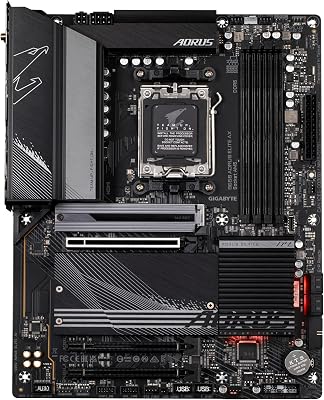
1. GIGABYTE B650 AORUS Elite AX (AMD AM5, DDR5, PCIe, Wi-Fi)

15
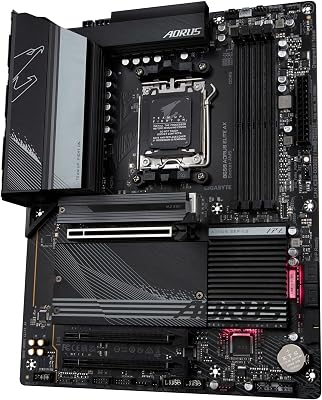
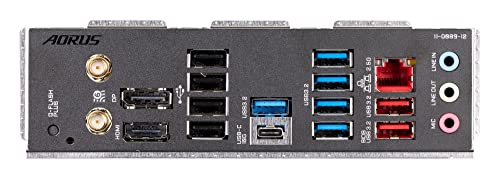
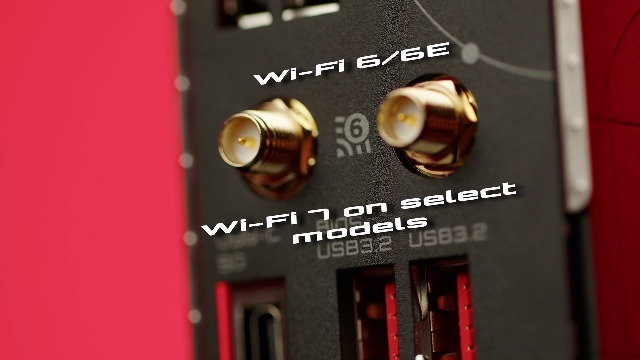
GIGABYTE B650 AORUS Elite AX AMD AM5 ATX Motherboard, Support Ryzen 9000/8000/7000 Series, DDR5, 14+2+1 Power Phase, PCIe 5.0 M.2, USB-C 3.2 Gen 2, WIFI6E, 2.5GbE, EZ-Latch, Q-Flash, RGB Fusion
In Stock



As an Amazon Associate we earn from qualifying purchases. Product prices and availability are accurate as of the date/time indicated.
The GIGABYTE B650 AORUS Elite AX leads for developers building a future-proof rig, because it sits on AMD’s modern AM5 platform with DDR5 memory support, built-in Wi-Fi, and multiple M.2 slots for fast NVMe storage. For development that combination is ideal: DDR5 enables high RAM capacities for VMs and containers, several M.2 slots give room for source trees and disk images, and AM5 supports current and future Ryzen chips. At around $150 it is a strong foundation for a long-lived workstation.
This is the board for the developer who wants headroom for years — large DDR5 memory configurations to run multiple VMs or heavy container stacks, plentiful fast storage for repositories and build caches, and modern connectivity for docks and peripherals. The robust power delivery keeps a many-core Ryzen stable through long compiles, integrated Wi-Fi simplifies networking, and the AM5 socket means a clear upgrade path. For a future-proof development workstation that will not need replacing soon, the B650 AORUS Elite AX is the standout starting point.
Pros: Modern AM5 with DDR5 for high RAM, multiple M.2 slots, integrated Wi-Fi, clear upgrade path.
Cons: DDR5 platform costs more overall; more capability than a light dev box needs.
2. MSI MAG B650 Tomahawk WiFi (AMD AM5, DDR5, PCIe)
22
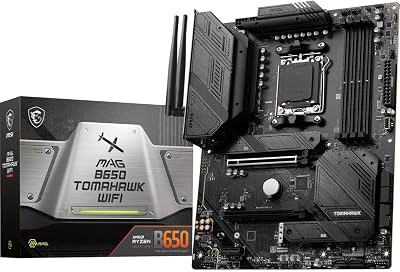
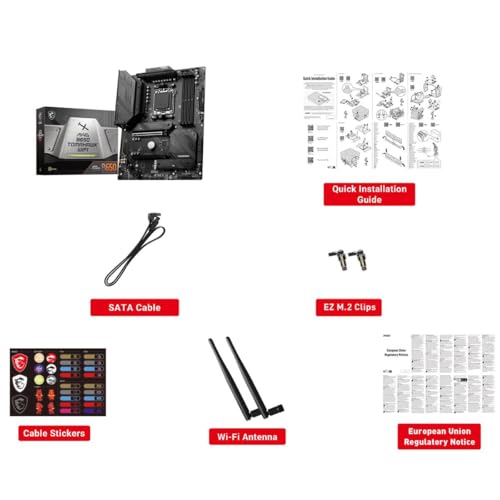
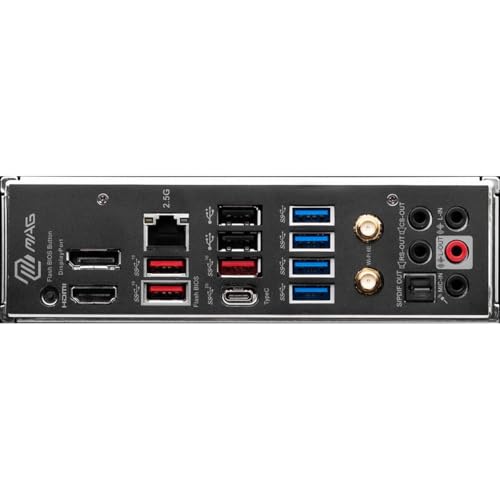
MSI MAG B650 Tomahawk WiFi Gaming Motherboard (AMD Ryzen 9000/8000/7000 Series Processors, AM5, DDR5, PCIe 4.0, M.2, SATA 6Gb/s, USB 3.2 Gen 2, HDMI/DP, Wi-Fi 6E, Bluetooth 5.3, 2.5Gbps LAN, ATX)
In Stock



As an Amazon Associate we earn from qualifying purchases. Product prices and availability are accurate as of the date/time indicated.
The MSI MAG B650 Tomahawk WiFi is the AM5 pick prized for stability and strong I/O — the Tomahawk line has long been a byword for dependable power delivery. It supports DDR5 memory and current Ryzen processors, includes Wi-Fi and generous USB and storage connectivity, and is built to hold a high-core-count CPU steady under sustained load. At around $160 it is a developer-friendly board that prioritises reliability.
This is the board for the developer who runs their machine hard — extended compiles, container clusters, multiple VMs — and needs it to stay rock solid. The robust VRM keeps a many-core Ryzen stable through long all-core workloads, DDR5 support enables the large memory configurations heavy virtualization wants, and the strong I/O covers fast storage, docks and peripherals. With Wi-Fi onboard and the Tomahawk reputation for stability, it is an excellent choice for a workstation that simply must not fall over mid-build.
Pros: Stable, robust VRM for sustained loads, DDR5 for high RAM, strong I/O, integrated Wi-Fi.
Cons: AM5/DDR5 raises total build cost; gaming extras are beside the point here.
3. GIGABYTE Z790 AORUS Elite AX (Intel LGA 1700, DDR5, Wi-Fi)

14
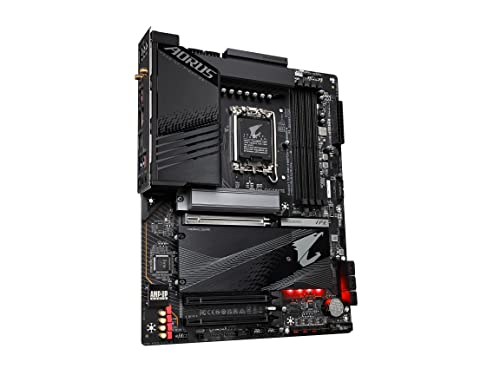
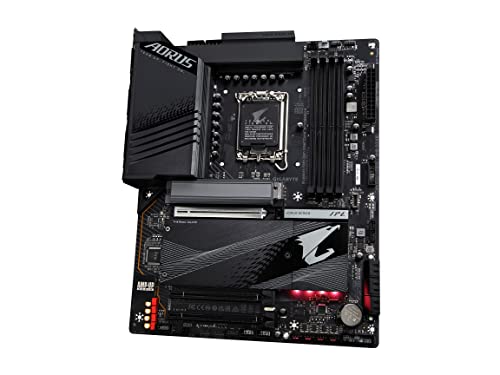
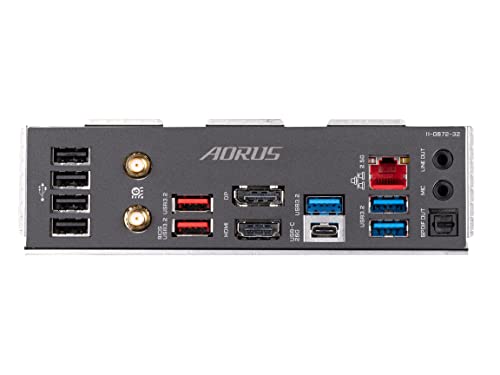
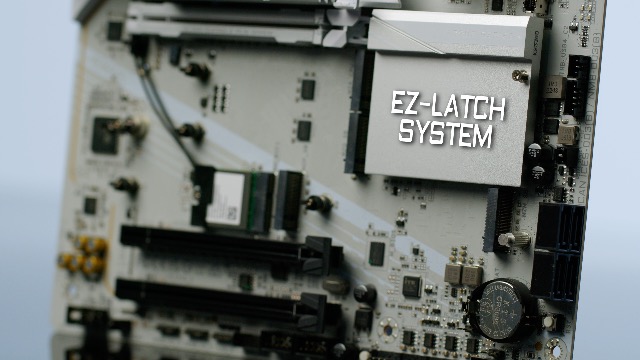
GIGABYTE Z790 AORUS Elite AX LGA 1700 ATX Motherboard, Support Intel Core 14th/13th/12th Gen, DDR5, 16+1+2 Power Phase, 4X M.2, PCIe 5.0, USB-C 3.2, WIFI6E, 2.5GbE, Q-Flash, EZ-Latch, RGB Fusion
In Stock
View on Amazon.com


As an Amazon Associate we earn from qualifying purchases. Product prices and availability are accurate as of the date/time indicated.
The GIGABYTE Z790 AORUS Elite AX is the Intel pick for developers who prefer Core processors. Built on the LGA 1700 socket for Intel 12th/13th/14th-gen chips, it supports DDR5 memory, includes Wi-Fi, and offers an array of M.2 slots for fast NVMe storage. For development that means high RAM ceilings for VMs and containers, plenty of room for source and build artifacts, and the strong single- and multi-thread performance Intel Core chips bring. At around $190 it is the premium board here.
This is the board for the developer committed to Intel who wants a capable, well-connected workstation foundation. DDR5 support unlocks large memory configurations for virtualization, the multiple M.2 slots handle repositories and disk images at NVMe speed, and the Z790 chipset with solid power delivery keeps a high-core Core processor stable through long, heavy workloads. With integrated Wi-Fi and broad USB connectivity for docks and peripherals, it is a strong, if pricier, choice for an Intel-based development rig.
Pros: Intel LGA 1700 with DDR5 for high RAM, multiple M.2 slots, integrated Wi-Fi, strong Core support.
Cons: Most expensive here; LGA 1700 is a mature rather than newest socket.
4. MSI MAG B550 Tomahawk (AMD AM4, DDR4, PCIe 4.0)
27
Prime
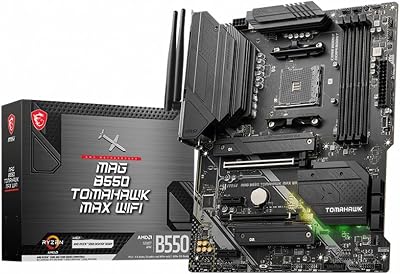
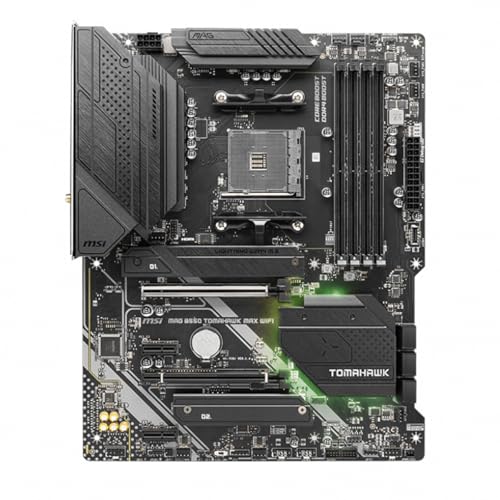
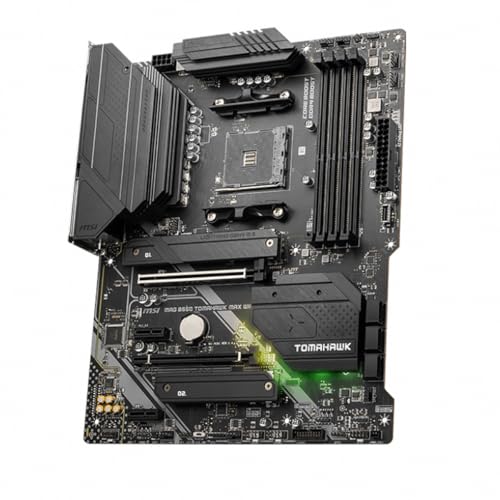
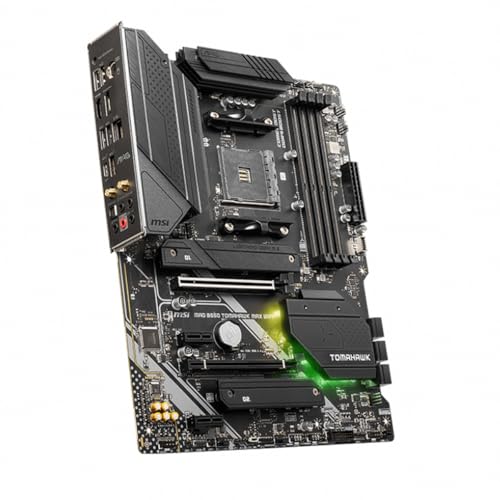
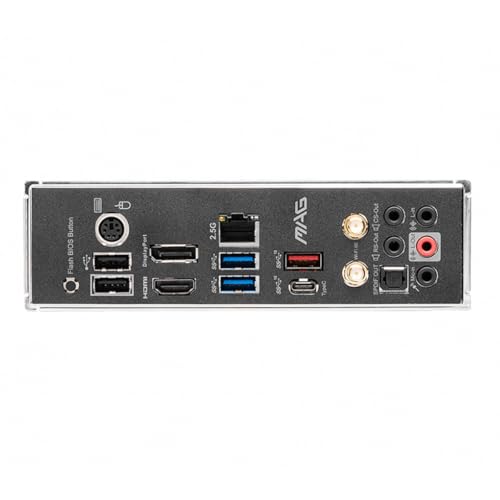
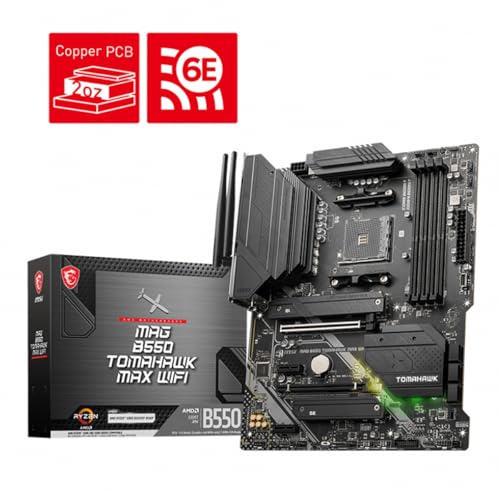
MSI MAG B550 Tomahawk MAX WiFi Gaming Motherboard (AMD Ryzen 5000 Series, AM4, DDR4, PCIe 4.0, SATA 6Gb/s, M.2, USB 3.2 Gen 2, HDMI/DP, Wi-Fi 6E, Bluetooth 5.2, 2.5Gbps LAN, ATX)
In Stock


As an Amazon Associate we earn from qualifying purchases. Product prices and availability are accurate as of the date/time indicated.
The MSI MAG B550 Tomahawk is the reliable AM4 value workhorse, and a long-celebrated board for builders who want stability without paying for the newest platform. It supports DDR4 memory and Ryzen 5000 processors, offers dual M.2 slots and 2.5G LAN, and is renowned for the strong, cool-running power delivery that the Tomahawk name implies. At around $160 it remains a developer-friendly pick on a mature, affordable platform.
This is the board for the developer who wants proven stability and ample connectivity at a sensible cost, on the well-supported AM4 platform. The dual M.2 slots cover a fast OS-and-tools drive plus a roomy storage drive for repositories and VM images, the 2.5G LAN speeds up network transfers and container registries, and the robust VRM keeps a Ryzen 5000 chip steady through long compiles. DDR4 keeps memory affordable while still reaching capacities that suit serious multitasking. For a dependable, value-driven development workstation, the B550 Tomahawk is a classic recommendation.
Pros: Renowned stable VRM, dual M.2 slots, 2.5G LAN, affordable DDR4 AM4 platform.
Cons: AM4/DDR4 is a mature platform with a shorter upgrade runway than AM5.
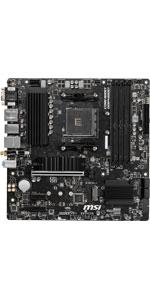
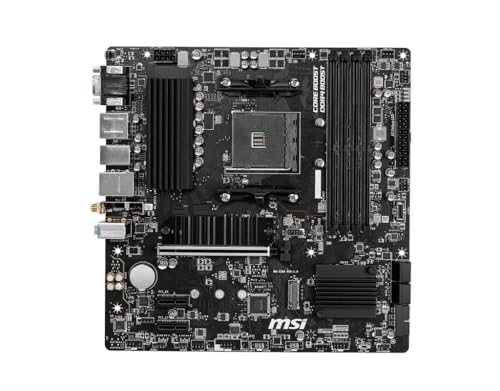
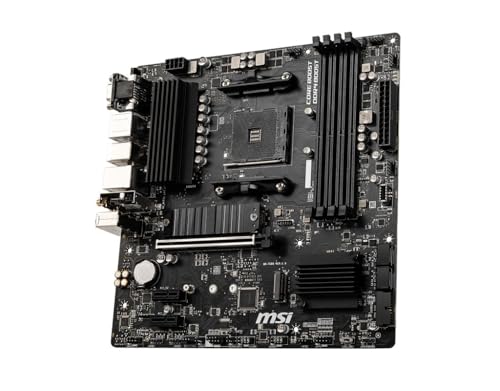
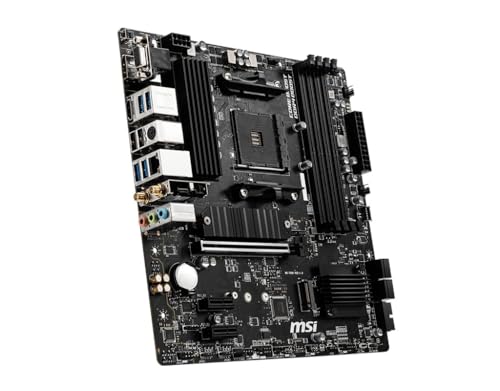
5. MSI B550M PRO-VDH WiFi ProSeries (AMD AM4, DDR4, micro-ATX)

24
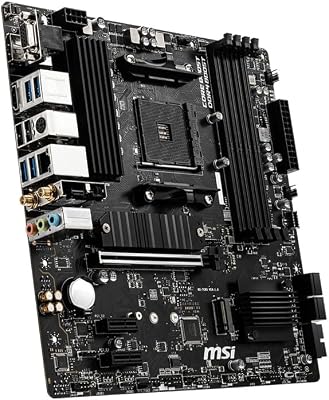
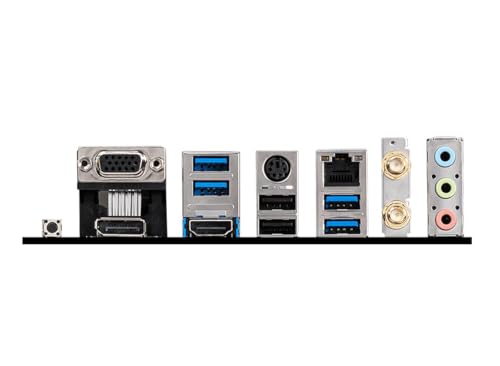
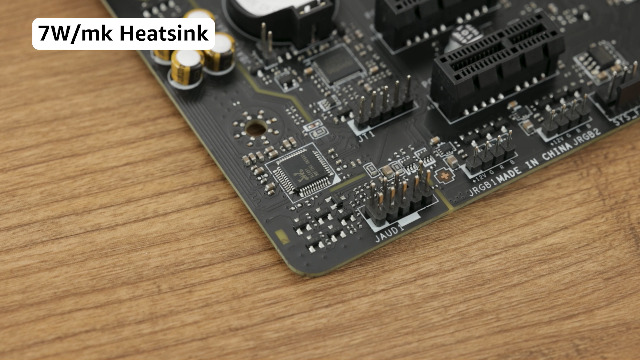
MSI B550M PRO-VDH WiFi ProSeries Motherboard (AMD Ryzen 5000, AM4, DDR4, PCIe 4.0, SATA 6Gb/s, M.2, USB 3.2 Gen 1, Wi-Fi, Bluetooth, D-SUB/HDMI/DP, Micro-ATX)
In Stock







As an Amazon Associate we earn from qualifying purchases. Product prices and availability are accurate as of the date/time indicated.
The MSI B550M PRO-VDH WiFi is the compact AM4 pick for a tidy development build that still wants Wi-Fi. It is a micro-ATX ProSeries board supporting DDR4 and Ryzen 5000 chips, with an M.2 slot, integrated Wi-Fi, and a clean, business-oriented design. At around $100 it brings stable, well-connected fundamentals to a smaller form factor without the gaming-board premium.
This is the board for the developer building a compact or space-conscious workstation — a small home-office rig or a secondary build machine — who still needs reliable performance and wireless networking. The micro-ATX size fits smaller cases, the M.2 slot provides fast NVMe storage for the OS and toolchain, and onboard Wi-Fi keeps connectivity simple where Ethernet is awkward. As a ProSeries board it leans practical and stable rather than flashy, which is exactly what a dev box wants. For an affordable, compact, Wi-Fi-equipped AM4 development board, it is a sensible choice.
Pros: Compact micro-ATX, integrated Wi-Fi, M.2 storage, stable ProSeries design, affordable.
Cons: Single M.2 and fewer slots than ATX boards; DDR4 AM4 platform.
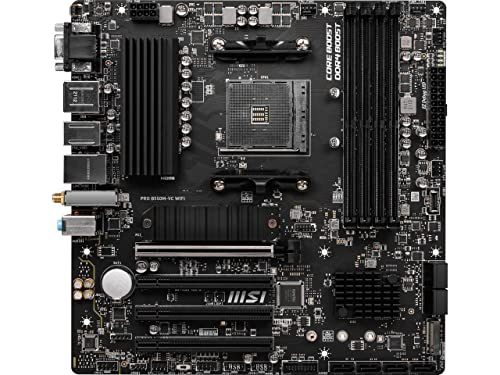
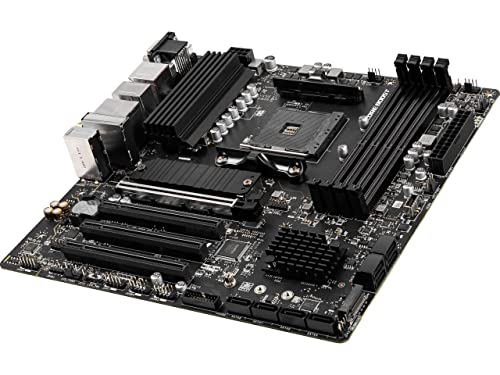
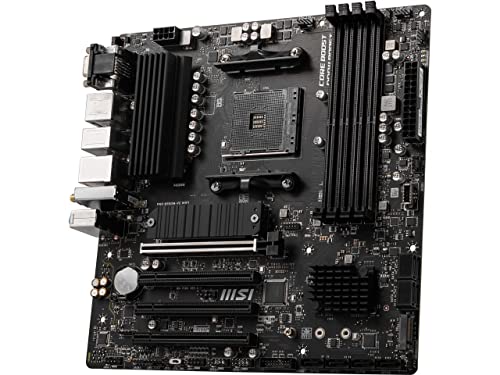
6. MSI PRO B550M-VC WiFi ProSeries (AMD AM4, DDR4, micro-ATX)
23
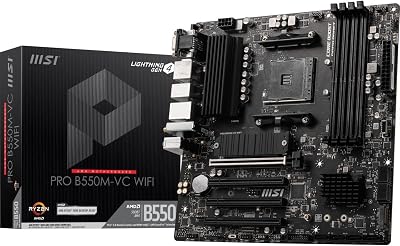
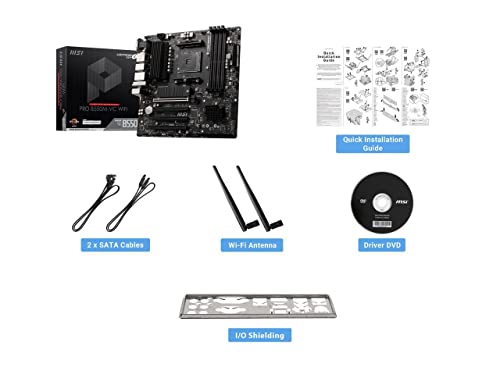
MSI PRO B550M-VC WiFi ProSeries Motherboard (AMD Ryzen 5000 Series, AM4, DDR4, PCIe 4.0, SATA 6Gb/s, M.2, USB 3.2 Gen 2, HDMI/DP, Wi-Fi 6E, Bluetooth 5.2, mATX)
In Stock


As an Amazon Associate we earn from qualifying purchases. Product prices and availability are accurate as of the date/time indicated.
Rounding out the list is the MSI PRO B550M-VC WiFi, the tightest-budget pick for a stable development build. It is a micro-ATX ProSeries board supporting DDR4 and Ryzen 5000 processors, with integrated Wi-Fi and the practical, no-frills layout the PRO line is known for. At around $80 it is the most affordable board here and a dependable foundation for a cost-conscious developer rig.
This is the board for the developer assembling a capable workstation on the tightest budget, or building an additional machine for testing, CI runners or containers. The micro-ATX form fits compact and affordable cases, the DDR4 support keeps memory inexpensive while still reaching useful capacities for multitasking and light virtualization, and onboard Wi-Fi simplifies setup. As a ProSeries board its priorities are stability and value over extras, which suits a development box perfectly. For the lowest-cost reliable AM4 board with Wi-Fi, the PRO B550M-VC anchors the list.
Pros: Lowest price here, integrated Wi-Fi, stable ProSeries layout, affordable DDR4 AM4 foundation.
Cons: Most basic I/O and expansion here; entry-tier board for lighter dev loads.
How to Choose a Motherboard for Development
For a development machine, lead with RAM capacity, because memory is what lets you run containers, virtual machines and a heavy IDE all at once without thrashing. Check the board’s maximum supported memory and number of DIMM slots, and note the platform: the AM5 boards (B650 AORUS Elite AX, B650 Tomahawk) and the Intel Z790 use DDR5 for the highest ceilings, while the AM4 boards use more affordable DDR4 that still reaches capacities suited to serious multitasking. Size your memory to the heaviest virtualization or container workload you expect to run.
Storage is the next priority, and for developers that means M.2 NVMe slots. Fast storage dramatically speeds up cloning large repositories, building, and spinning up VM images, and having more than one M.2 slot lets you separate a fast OS-and-tools drive from a roomy project and image drive. The ATX boards here — like the B550 Tomahawk and the AORUS/Z790 models — offer multiple M.2 slots, while the compact micro-ATX boards trade some expansion for size. Count the M.2 slots and match them to how much fast storage your work needs.
Connectivity rounds out the practical needs of a dev workstation. Look for fast wired networking — 2.5G Ethernet, as on the B550 Tomahawk, speeds up transfers to network drives, container registries and CI systems — and integrated Wi-Fi (on all but the standard B550 Tomahawk here) for flexible placement. Generous USB connectivity matters too, for docks, external drives, debuggers and peripherals. Make sure the board has the ports and networking your daily toolchain and desk setup actually rely on.
Finally, weigh stability and platform against budget — and remember a developer board should be boring in the best way. Robust power delivery (the Tomahawk boards are well known for it) keeps a many-core CPU steady through long, all-core compiles without throttling, which is far more valuable than any gaming feature. Decide between a future-proof DDR5 AM5 or Intel platform and a cost-effective DDR4 AM4 one, choose ATX for maximum slots or micro-ATX for a compact build, set your budget across the roughly $80 to $190 range here, and pick the board that keeps your workstation rock solid under load. For development, stability and capacity beat flourishes every time.
Frequently Asked Questions
What motherboard features matter most for software development?
RAM capacity, M.2 storage slots, connectivity and stability — not gaming features. High supported memory lets you run VMs and containers; multiple M.2 NVMe slots speed up repos, builds and disk images; fast Ethernet and Wi-Fi keep you connected to network resources; and robust power delivery keeps a many-core CPU steady through long compiles. The boards here, like the B650/B550 Tomahawk and AORUS models, are chosen on exactly those development priorities.
How much RAM and how many M.2 slots do I need for VMs and containers?
It depends on how many environments you run at once, but more is better for virtualization. DDR5 boards like the B650 AORUS Elite AX, B650 Tomahawk and Z790 AORUS Elite AX support the highest memory ceilings for heavy VM and container work, while DDR4 AM4 boards still reach capacities fine for serious multitasking. For storage, aim for at least two M.2 slots — one fast OS-and-tools drive and one roomy drive for projects and images.
Should I choose AMD AM5, AMD AM4, or Intel for a development build?
All three are represented here because all three work well. AM5 (B650 boards) and Intel LGA 1700 (Z790) use DDR5 and offer the most future-proof memory ceilings and upgrade paths. AM4 (B550 boards) uses cheaper DDR4 on a mature, well-supported platform and is excellent value for a stable workstation. Choose based on your budget, your preferred CPU, and whether long-term upgrade headroom or lower cost matters more.
Do I need a high-end gaming motherboard for development?
No. A developer benefits far more from RAM capacity, M.2 slots, solid networking and dependable power delivery than from RGB, overclocking headers or gaming-branded extras. A stable, well-connected board like the MSI Tomahawk line or the PRO/ProSeries micro-ATX boards here keeps your machine reliable under sustained compiles and virtualization, which is exactly what a development workstation needs — often at a lower price than a flagship gaming board.
Related Guides
- Best Motherboards
- Best AM5 Motherboards
- Best Workstation CPUs
- Best NVMe SSDs
- Best RAM Kits
- Best Budget Gaming Setup
Affiliate Disclosure: As an Amazon Associate, we earn from qualifying purchases. If you click a link and make a purchase, we may earn a small commission at no extra cost to you. Prices and availability are accurate as of publication and may change.