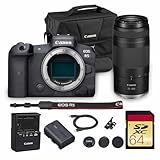
- Top Pick: Canon EOS R100 Mirrorless Camera RF-S18-45mm F4.5-6.3 is STM Lens Kit | 24.1 Megapixel CMOS (APS-C) Sensor, 4K Video, Wi-Fi & Bluetooth, Beginner Photographers & Creators, Digital Camera
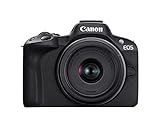
- Best Value: Canon EOS R50 Mirrorless Camera RF-S18-45mm F4.5-6.3 is STM Lens Kit | 24.2 Megapixel CMOS (APS-C) Sensor, 4K Video, Vlogging, Content Creation, Photography, Digital Camera, Black
- Premium Choice: Canon EOS R100 Mirrorless Camera with 18-45mm Lens | Bundle with 64GB SD Memory Card + Canon 200ES Should Bag
Moving from a phone to a mirrorless camera is exciting and a little overwhelming, because the shelf is packed with bodies, kits and bundles that look alike on a listing page. A beginner is not really shopping for the sharpest sensor ever made. The real decision is which system will stay easy to use, which lens comes in the box, and whether the bundle adds useful extras like a memory card and bag or just padding. Many of these listings share one camera body, so the differences hide in the small print of what ships alongside it.
This guide compares eight interchangeable-lens options for 2026 shoppers: five Canon R-series bundles and kits, a compact full-frame body, and a Sony APS-C favorite. Two listings in the candidate pool were dropped because they are not mirrorless: a Rebel T7 DSLR and a fixed-lens compact camera. Every judgment below comes from listing text, not from lab numbers.
Quick Picks
As an Amazon Associate we earn from qualifying purchases at no extra cost to you.



| Product | Best for | Key spec from the title |
|---|---|---|
| Canon EOS R100 18-45mm kit | First camera, simple kit | 24.1MP APS-C, 4K video, Wi-Fi and Bluetooth |
| Canon EOS R50 18-45mm kit | Vlogging and creators | 24.2MP APS-C, 4K video |
| Canon R100 with card and shoulder bag | Ready-to-go starter set | 18-45mm lens, 64GB SD card, bag |
| Canon R100 bundle with Dual Pixel AF | Photo-first learners | 24.1MP APS-C, Full HD video, 64GB card |
| Canon R50 bundle (5811C012) | Video-curious beginners | 4K video, Dual Pixel AF II, 64GB card |
| Canon EOS RP 24-105mm kit | Full-frame step-up | Full-frame, RF24-105mm F4-7.1 IS STM |
| Sony Alpha a6400 16-50mm | Autofocus-driven shooters | Real-time Eye AF, 4K, flip screen |
| Canon R100 mega accessory bundle | One-box, extra lenses | Wide and telephoto lenses, flash, tripod |
How to Choose
Start with sensor size and what it means
Most beginner mirrorless bodies use an APS-C sensor, which is smaller than full-frame but keeps bodies and lenses compact. Full-frame, like the one in the Canon RP, gathers more light and can give shallower depth of field, but the lens range tends to be larger. For family snapshots, travel and early portraits, APS-C at around 24 megapixels is plenty. Crops from a 24 megapixel file hold up well for prints and social posts, so resolution is rarely the bottleneck for a newcomer; technique and lighting matter far more.
Think about the lens mount before the body
The mount decides which lenses you can add later. Canon’s RF mount powers the R100, R50 and RP; Sony’s E mount powers the a6400. Check whether the lens you want exists in a size and range you can grow into. A kit lens such as the 18-45mm covers wide to short telephoto; a 24-105mm covers more reach but has a slower aperture at the long end. Adapters exist between some systems, yet they add bulk and can limit autofocus, so choose the mount you plan to stay with.
Judge autofocus and video honestly
Beginners benefit more from reliable autofocus than from raw resolution. Look for terms like Dual Pixel AF or Eye AF, which help keep faces sharp. If video matters, confirm the recording mode in the spec sheet, since listings vary. A flip or vari-angle screen is useful for vlogging and low-angle shots. Also check for wireless transfer, since sending photos to a phone is how most newcomers share their pictures.
Read bundles skeptically
A 64GB card and bag are practical; a pile of third-party lenses, filters and a flash can be lower quality than a single good lens. Budget bundles often cut corners on accessories, not the camera, so ask whether the extras match what you will use. A simple kit plus a separate card often serves better, and the money not spent on filters and a flash can go toward a prime lens later. Also check that a listed bag fits the body with a lens attached.
The 8 Best Options
Canon EOS R100 with RF-S 18-45mm Kit
The starter body for someone who wants the most direct path from phone to camera. The title lists a 24.1 megapixel APS-C CMOS sensor, 4K video, Wi-Fi and Bluetooth, and the RF-S18-45mm F4.5-6.3 IS STM lens, a simple pairing that suits family events, travel and first portraits.
- Strength: Wi-Fi and Bluetooth are listed for sending photos to a phone.
- Strength: a stabilized kit lens is included in the box.
- Trade-off: no memory card or bag comes with this listing.
Skip it if you want a vlogging-oriented body or a card and bag in the box.
Canon EOS R50 with RF-S 18-45mm Kit
A step toward content creation for beginners who plan to film as often as they shoot stills. The listing names 24.2 megapixels, an APS-C CMOS sensor, 4K video and the same stabilized 18-45mm lens, and explicitly mentions vlogging, content creation and photography.
- Strength: it is pitched at creators as well as photographers.
- Strength: 4K video is stated and Wi-Fi is not needed to understand the pitch.
- Trade-off: no extras beyond the lens are mentioned.
Skip it if a simple photo-only starter is the goal, or if you want a card included from day one.
Canon EOS R100 with 18-45mm, 64GB Card and Shoulder Bag
A ready-to-shoot set that suits gift buyers who do not want to hunt for accessories. The listing pairs the R100 body and an 18-45mm lens with a 64GB SD memory card and a Canon shoulder bag, so the first outing needs no extra shopping.
- Strength: card and bag mean you can start shooting right away.
- Strength: it uses the same R100 body family as the standard kit.
- Trade-off: the title gives no sensor or video detail, so check the spec sheet.
Skip it if you want every key spec spelled out in the title, or if you already own a card and bag.
Canon EOS R100 Bundle with Dual Pixel AF
A photo-first bundle with accessories, aimed at learners who want autofocus named on the label. The title lists a 24.1MP APS-C sensor, Full HD video, Dual Pixel AF, an RF-S 18-45mm lens, a 64GB card and a camera bag.
- Strength: Dual Pixel AF is named in the title.
- Strength: card and bag are included.
- Trade-off: this listing says Full HD video while the standard R100 kit lists 4K, so confirm the specification.
Skip it if 4K recording is a priority, or if conflicting listing details make you uneasy.
Canon EOS R50 Bundle (5811C012)
For learners who care about video and autofocus and want a few accessories. The title lists 4K video, Dual Pixel AF II, an APS-C mirrorless body with an 18-45mm lens, a 64GB card and a camera bag, plus the model number for easier matching.
- Strength: Dual Pixel AF II is named in the title.
- Strength: the listed model number helps you match accessories and manuals.
- Trade-off: the bundle adds a card and bag rather than a second lens.
Skip it if you want a body-only purchase, or if you plan to buy your own bag and card.
Canon EOS RP with RF24-105mm Kit
A step-up for beginners who want a full-frame sensor from the start and expect to keep the camera for years. The title lists a full-frame interchangeable-lens camera, an RF24-105mm F4-7.1 IS STM lens, and describes it as compact and lightweight for traveling and vlogging.
- Strength: a full-frame sensor is stated.
- Strength: the 24-105mm range covers wide to telephoto in one lens.
- Trade-off: the F4-7.1 aperture narrows at the long end, which limits dim-light zoom shots.
Skip it if you want the smallest possible kit, or if you prefer a body that leads with 4K video in its title.
Sony Alpha a6400 with 16-50mm Lens
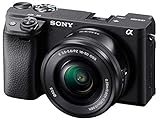
The non-Canon option, aimed at shoppers who prioritize autofocus and a compact body. The title lists an APS-C interchangeable-lens camera, real-time Eye Auto Focus, 4K video, a flip screen and a 16-50mm lens with E-mount compatibility.
- Strength: Real-time Eye AF is highlighted for keeping faces sharp.
- Strength: a flip screen is listed for selfies and low angles.
- Trade-off: it belongs to a different mount ecosystem from the Canon cameras.
Skip it if you already own Canon lenses, or if you want a card and bag bundled in.
Canon EOS R100 with Wide, Telephoto and Accessory Kit
A one-box approach for buyers who want to experiment with many focal lengths straight away. The title lists the RF-S 18-45mm lens plus wide-angle and telephoto lenses, a 64GB card, a 3-piece filter kit, a case, a flash and a tripod.
- Strength: everything arrives in one package.
- Strength: it includes a flash and a tripod, which most kits omit.
- Trade-off: no brand is named for the extra lenses and accessories, so quality is unclear.
Skip it if you prefer to build a system one good lens at a time.
Which One Fits Your Situation
A student on a first camera
Start with the Canon R100 kit or the R100 card-and-bag set; both give you a body and a stabilized lens. Add the bundle only if you really want the card and bag today, and keep the original packaging details so you can verify what shipped.
A would-be vlogger
The Canon R50 kit or the R50 bundle puts 4K and creator-oriented wording forward. The bundle adds a card and bag; the plain kit leaves room for your own accessories.
A traveler who wants a larger sensor
The Canon EOS RP with the 24-105mm lens is the full-frame choice, and one lens can cover most street, landscape and family scenes during a trip, so you pack lighter and change lenses less often.
A shooter who cares most about autofocus
The Sony a6400 leads with Eye AF and a flip screen. Choose it if you are comfortable starting with the E mount rather than Canon’s RF mount.
Common Mistakes
- Choosing a bundle for the number of accessories instead of the quality of the lens.
- Ignoring the lens mount and locking into a system with few options for your style.
- Assuming every listing for the same camera shares the same specs; the R100 listings differ on video wording.
- Buying a DSLR labeled as a camera kit when you wanted mirrorless.
- Skipping a memory card, then discovering the camera ships without one.
Related guides
- Combination Smoke And Carbon Monoxide Detectors
- Aio Liquid Coolers For High Performance Gaming
- Graphics Cards For Low Wattage Power Supplies
Frequently Asked Questions
Is full-frame necessary for a beginner?
No. APS-C cameras are smaller and lighter, and 24 megapixels offers excellent image quality for learning composition and exposure. Move to full-frame later if you outgrow the kit, once you know which lenses you actually use.
Do I need the bundle with extra lenses?
Usually not. A good kit lens covers most early needs, and a single quality prime or zoom later often beats a pile of accessories.
Is the R100 or the R50 better?
The R50 is pitched at creators and video, while the R100 is the simpler starter. Compare the listing details to see which features you will use.
Can I use these for video?
Yes. The R50, RP and a6400 listings highlight video features, and the R100 kit lists 4K, though one R100 bundle says Full HD.