- Top Pick: Razer Core X V2 External Graphics Enclosure (eGPU)
- Best Value: ASUS ROG XG Mobile (2025) External Graphics Card, NVIDIA® GeForce RTX™ 5090, GC34X-053, Thunderbolt™ 5, PCI Express, Compatible with Desktop, Laptop
- Premium Choice: MINISFORUM DEG1 eGPU Dock, External GPU Docking Station for RTX 4090, AMD RX 7900 XTX, eGPU Enclosure Graphics Card Extension Support ATX/SFX Standard Power, Oculink Expansion Graphics Docking Station
🛒 Best Price Today on Amazon
Prime members get fast, free shipping on everything above, plus member-only deals. New members get a 30-day free trial — cancel anytime.
- Top External Gpus Picks for 2026
- Best External GPU Card Candidates at a Glance
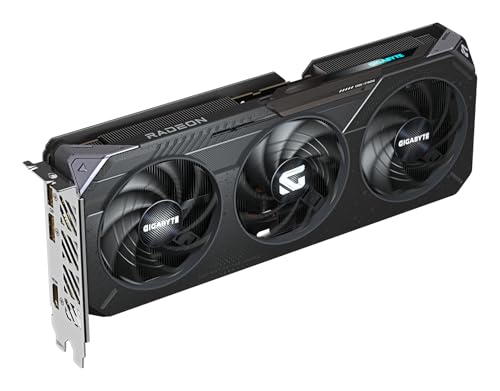
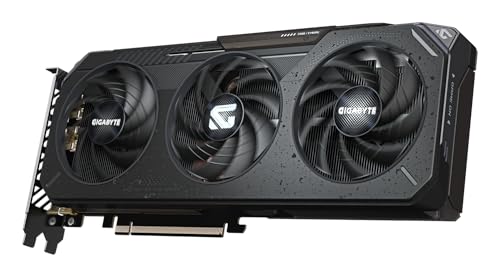
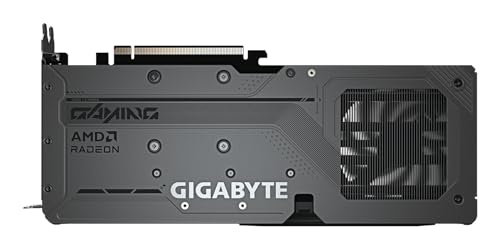
- 1. Gigabyte Radeon RX 9060 XT Gaming OC 16G Graphics Card
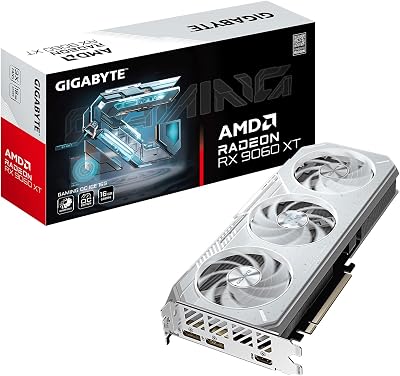
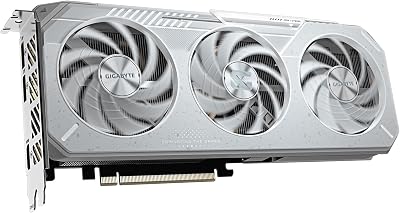
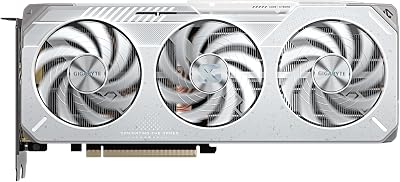
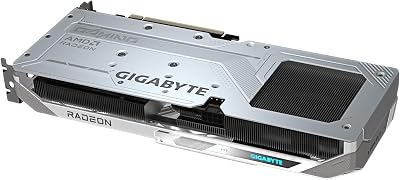
- 2. GIGABYTE Radeon RX 9060 XT Gaming OC ICE 16G Graphics Card
- 3. Gigabyte Radeon RX 7600 XT Gaming OC 16GB Graphics Card
- 4. MSI Gaming GeForce RTX 3060 12GB Torx Twin Fan Graphics Card
- 5. GIGABYTE GeForce RTX 3060 Gaming OC 12G (REV2.0) Graphics Card
- 6. ASUS Dual NVIDIA GeForce RTX 3050 6GB OC Edition Graphics Card
- How to Choose (and Actually Build) an External GPU Setup
- Related Guides
- Frequently Asked Questions
- Related Guides
- Related Articles
Top External Gpus Picks for 2026
Here are our current top external gpus picks, compared on real Amazon owner reviews, price, and features. Live prices update below.
As an Amazon Associate we earn from qualifying purchases at no extra cost to you.






Editor's Pick
ASUS ROG XG Mobile (2025) External Graphics Card, NVIDIA® GeForce RTX™ 5090, GC34X-053, Thunderbolt™ 5, PCI Express, Compatible with Desktop, Laptop
View on Amazon.com

Limited Time
AOOSTAR AG01 External GPU Docking Station, Supports Mainstream NVIDIA and AMD Graphics Cards, Built-in 800W Power Supply, Oculink Expansion Graphics
View on Amazon.com

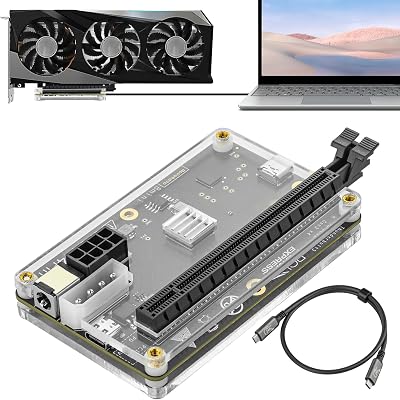

Let us be completely honest from the first line, because this category is widely misunderstood. A true external GPU is not a graphics card by itself — it is an eGPU enclosure: a separate box that houses a desktop graphics card, supplies it with power, and connects to a laptop or mini-PC over a high-speed external link such as Thunderbolt or OCuLink. The enclosure is what makes a GPU ‘external,’ letting a thin laptop borrow desktop-class graphics through a single cable. Importantly, none of the products in this roundup is an enclosure. Every item below is an internal desktop graphics card, which on its own is not an external GPU at all — it only becomes one once installed inside an eGPU enclosure.
Because that distinction matters so much, we have written this guide as an honest reality check rather than a list of plug-and-play external boxes. There is no genuine external/enclosure product among the curated picks, so instead we explain clearly what a real external GPU setup involves and then assess each card purely as a candidate to put inside a separately purchased enclosure. We lead with the cards that make the most sense for that role and flag, on every single entry, that the card is internal and not external on its own. Prices run from around $240 to around $480 for the cards themselves — remember you must add the cost of a Thunderbolt or OCuLink enclosure on top to actually go external. Below is an at-a-glance comparison, then each card, then a buyer’s guide centred on how external GPUs really work.
Best External GPU Card Candidates at a Glance
| Graphics Card | External Reality | Standout Spec | Approx Price |
|---|---|---|---|
| Gigabyte Radeon RX 9060 XT Gaming OC 16G | Internal card — needs an enclosure to be external | 16GB GDDR6, modern RDNA | around $460 |
| GIGABYTE Radeon RX 9060 XT Gaming OC ICE 16G | Internal card — needs an enclosure to be external | 16GB GDDR6, ICE cooler | around $470 |
| Gigabyte Radeon RX 7600 XT Gaming OC 16GB | Internal card — needs an enclosure to be external | 16GB GDDR6, 2810MHz core | varies |
| MSI GeForce RTX 3060 12GB Torx Twin Fan | Internal card — needs an enclosure to be external | 12GB GDDR6, PCIe 4.0 | around $399 |
| GIGABYTE GeForce RTX 3060 Gaming OC 12G | Internal card — needs an enclosure to be external | 12GB GDDR6, WINDFORCE 3X | around $479 |
| ASUS Dual GeForce RTX 3050 6GB OC | Internal card — needs an enclosure to be external | 6GB, low power, compact | around $240 |
1. Gigabyte Radeon RX 9060 XT Gaming OC 16G Graphics Card

15
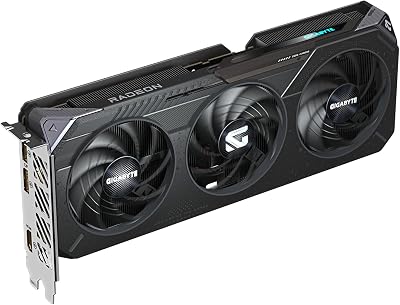
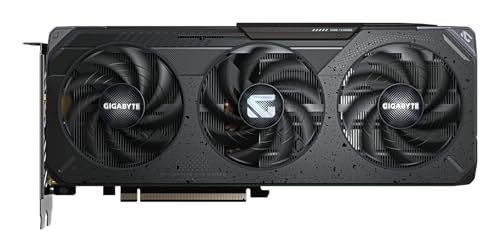
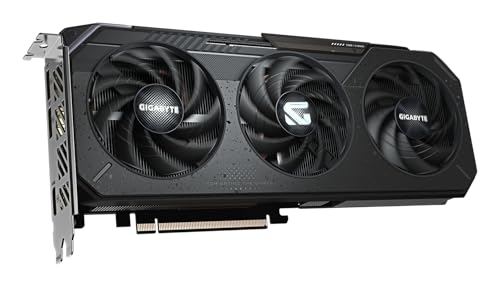
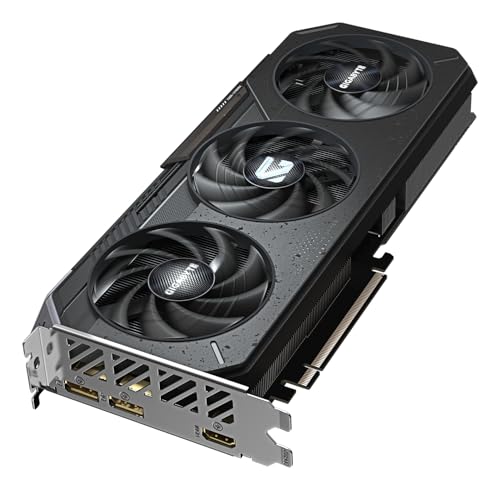
Gigabyte Radeon RX 9060 XT Gaming OC 16G Graphics Card – 16GB GDDR6, 128bit, PCI-E 5.0, 3320 MHz Core Clock, 2 x DisplayPort, 1 x HDMI, GV-R9060XTGAMING OC-16GD
In Stock




As an Amazon Associate we earn from qualifying purchases. Product prices and availability are accurate as of the date/time indicated.
First, the honest headline that applies to every card in this guide: the Gigabyte Radeon RX 9060 XT is an internal desktop graphics card, not an external GPU on its own. To use it externally you would install it inside a Thunderbolt or OCuLink eGPU enclosure, which supplies power and the external connection. We lead with it because, as a card to put in an enclosure, it is a strong, modern choice: a current-generation RDNA GPU with a generous 16GB of GDDR6, priced around $460.
Considered as an eGPU candidate, the 9060 XT’s 16GB of memory is genuinely useful — external setups are already bandwidth-limited by the Thunderbolt or OCuLink link, so ample VRAM helps the card make the most of what gets through and suits higher-resolution textures and content work. Before buying, confirm the card’s physical length and power connectors fit your chosen enclosure, since enclosures have size and wattage limits. Just keep the reality clear: on its own this is an internal card, and you must add an enclosure to turn it into a true external GPU.
Pros: Modern 16GB RDNA card, excellent candidate to install inside an eGPU enclosure, ample VRAM.
Cons: NOT external on its own — it is an internal card that requires a separate Thunderbolt/OCuLink enclosure.
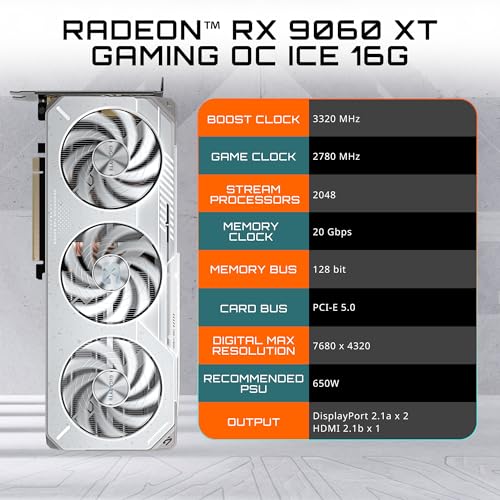
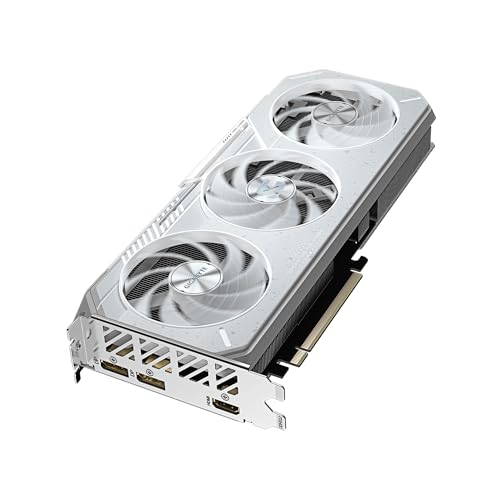
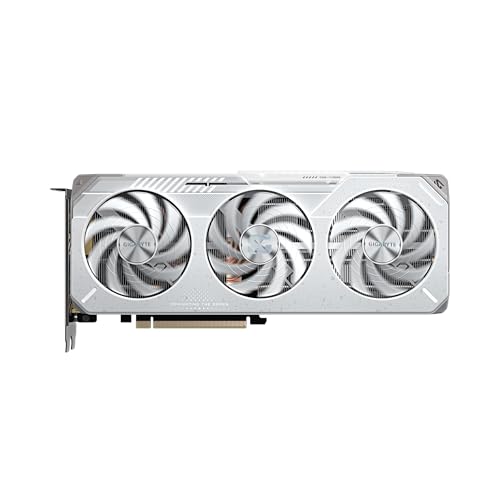
2. GIGABYTE Radeon RX 9060 XT Gaming OC ICE 16G Graphics Card
19
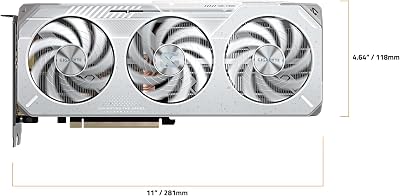
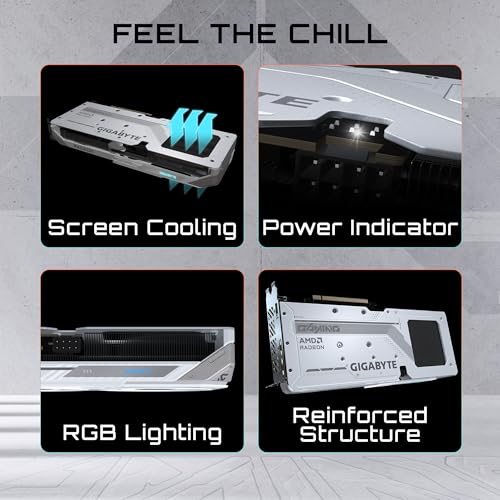
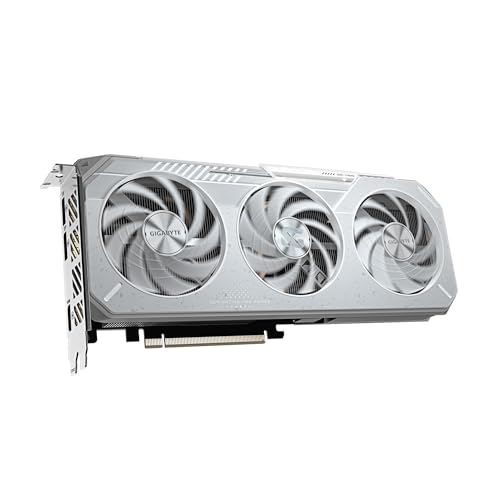
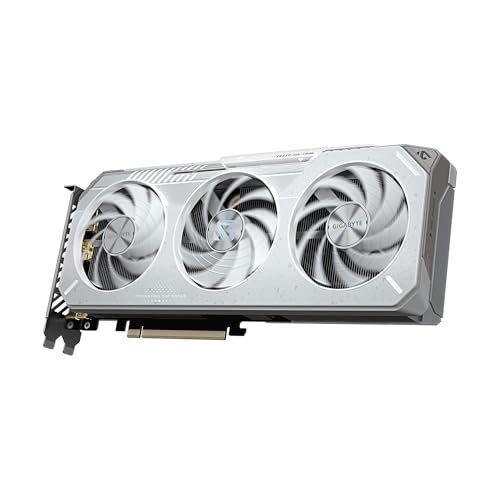
GIGABYTE Radeon™ RX 9060 XT Gaming OC ICE 16G Graphics Card (16GB GDDR6, 128-bit, PCIe 5.0, HDMI/DP 2.1, 2 Slot, Hawk Fan, Server-Grade Thermal Gel, Reinforced Structure)
In Stock







As an Amazon Associate we earn from qualifying purchases. Product prices and availability are accurate as of the date/time indicated.
The GIGABYTE Radeon RX 9060 XT Gaming OC ICE is the same modern 16GB GDDR6 RDNA class in a lighter ‘ICE’ aesthetic and cooler design — and, like every product here, it is an internal desktop card, not an external GPU by itself. Used externally, it would be mounted inside an eGPU enclosure that provides the Thunderbolt or OCuLink connection and power. At around $470 it is a touch dearer than its sibling, for the styling and cooler.
As a card to put inside an enclosure, the ICE edition offers the same strong fundamentals: 16GB of VRAM that pairs well with the bandwidth ceiling of an external link, and a modern architecture for current games and creative apps. The cooler design is the main differentiator, so let case clearance in your enclosure guide the choice between this and the standard model. The non-negotiable caveat remains the same: this is an internal graphics card, and it only becomes a genuine external GPU once it is installed in a separately bought eGPU enclosure.
Pros: 16GB modern GDDR6 card with ICE cooler, solid enclosure candidate, good for current games and content.
Cons: NOT external by itself — an internal card that must go inside an eGPU enclosure to be external.
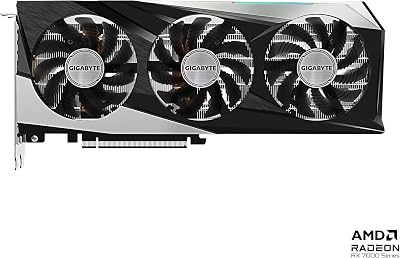
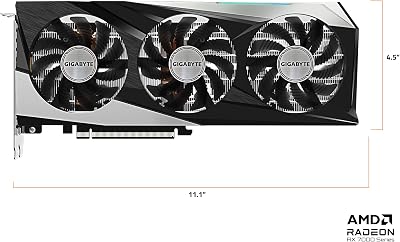
3. Gigabyte Radeon RX 7600 XT Gaming OC 16GB Graphics Card

16
Prime
Gigabyte GV-R76GAMING OC-8GD Radeon RX 7600 Gaming OC 8G Graphics Card, 3X WINDFORCE Fans 8GB 128-bit GDDR6, Video Card
In Stock







As an Amazon Associate we earn from qualifying purchases. Product prices and availability are accurate as of the date/time indicated.
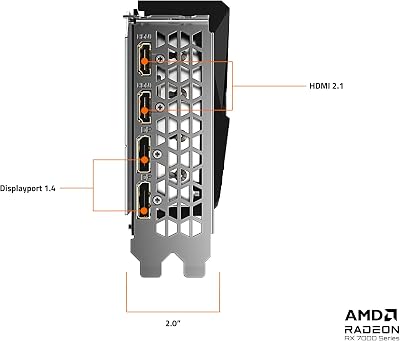
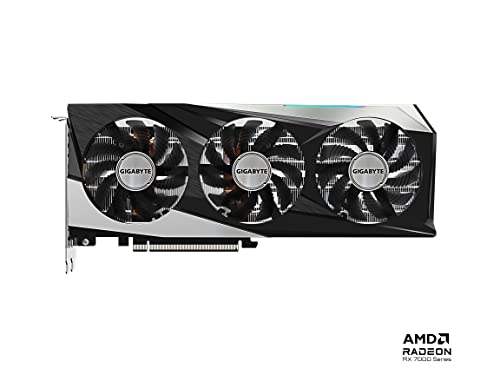
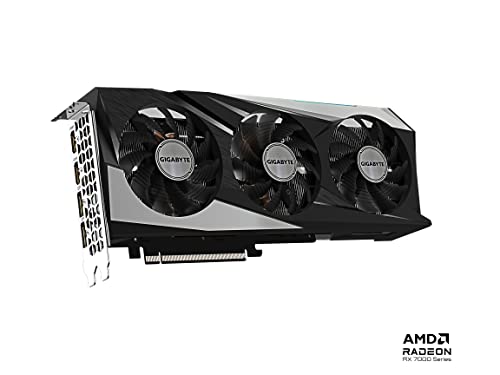
The Gigabyte Radeon RX 7600 XT Gaming OC brings a generous 16GB of GDDR6 at a more accessible point in the range — but it remains, like all the others, an internal desktop graphics card rather than an external GPU on its own. To run it externally you would house it in a Thunderbolt or OCuLink eGPU enclosure. Its standout for the role is that 16GB frame buffer paired with a brisk core clock; pricing on this particular card varies, so check current listings.
Treated as an enclosure candidate, the 7600 XT’s large 16GB of memory is a real asset for an external setup, where you want the card to use the limited link bandwidth efficiently and to handle memory-hungry textures and creative workloads. As always, verify the card’s dimensions and power requirements against your enclosure’s published limits before committing. And keep the central fact in view: this is an internal card; an eGPU enclosure, bought separately, is what would make it a true external GPU.
Pros: Large 16GB GDDR6 buffer, capable enclosure candidate, good value memory for external use.
Cons: NOT an external GPU on its own — internal card needing a separate Thunderbolt/OCuLink enclosure.
4. MSI Gaming GeForce RTX 3060 12GB Torx Twin Fan Graphics Card

msi Katana 15 15.6” 165Hz QHD Gaming Laptop: Intel Core i7-13620H, NVIDIA Geforce RTX 4070, 16GB DDR5, 1TB NVMe SSD, Cooler Boost 5, Win 11: Black B13VGK-2000US
In Stock
As an Amazon Associate we earn from qualifying purchases. Product prices and availability are accurate as of the date/time indicated.
The MSI GeForce RTX 3060 12GB is a popular, dependable card — and, to repeat the guide’s honest refrain, an internal desktop graphics card rather than an external GPU in itself. Externally, it would be installed in a Thunderbolt or OCuLink eGPU enclosure for power and connectivity. As an enclosure candidate it is appealing for its 12GB of GDDR6 and the wide software maturity of the RTX 3060, at around $399.
Inside an enclosure, the RTX 3060’s 12GB of VRAM is comfortable for external gaming and creative tasks at sensible settings, and NVIDIA’s broad ecosystem support is a practical plus for an eGPU project. Its dual-fan Torx design is reasonably compact, which can help with enclosure clearance, but you should still confirm length and power-connector fit. The essential point does not change: this is an internal card. It is only a true external GPU once it lives in a separately purchased eGPU enclosure connected to your laptop or mini-PC.
Pros: Mature 12GB RTX 3060, reasonably compact, solid enclosure candidate with broad software support.
Cons: NOT external on its own — an internal card; an eGPU enclosure is required to make it external.
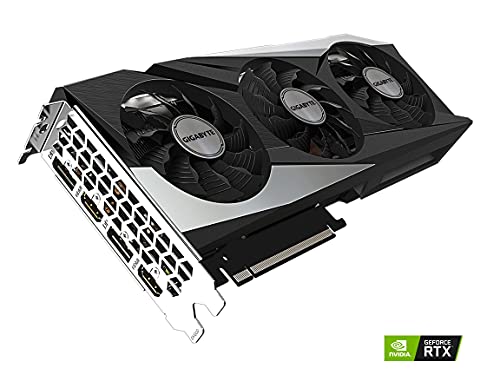
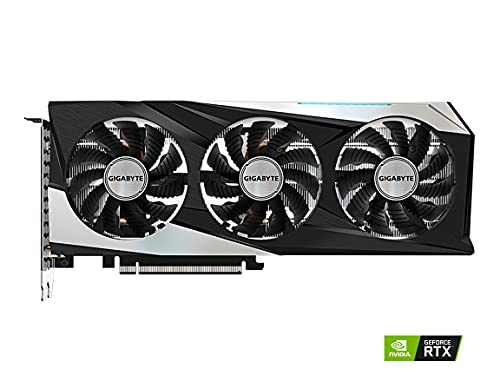
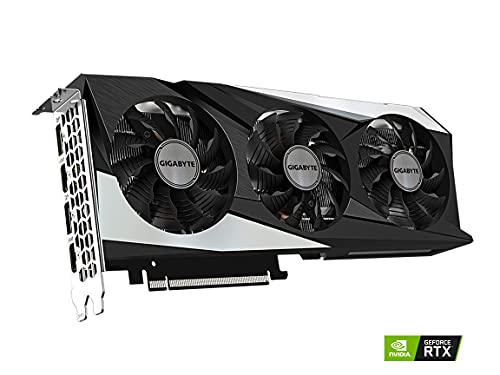
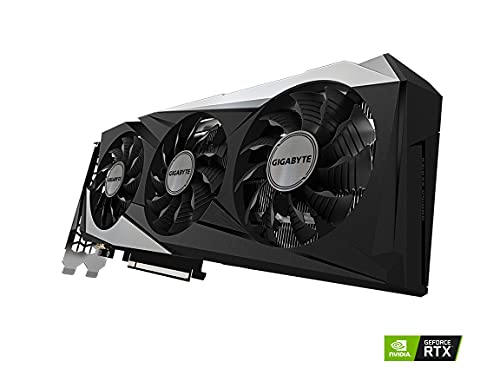
5. GIGABYTE GeForce RTX 3060 Gaming OC 12G (REV2.0) Graphics Card

20
GIGABYTE GeForce RTX 3060 Gaming OC 12G (REV2.0) Graphics Card, 3X WINDFORCE Fans, 12GB 192-bit GDDR6, GV-N3060 Video Card
In Stock






As an Amazon Associate we earn from qualifying purchases. Product prices and availability are accurate as of the date/time indicated.
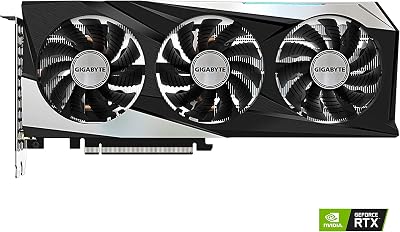
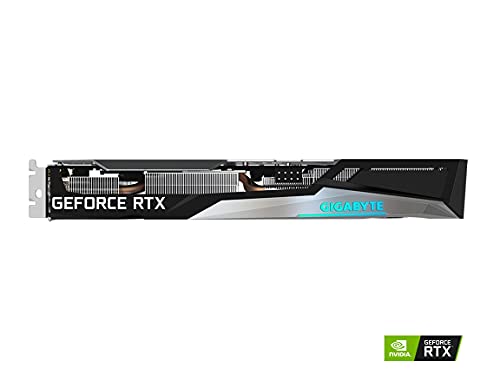
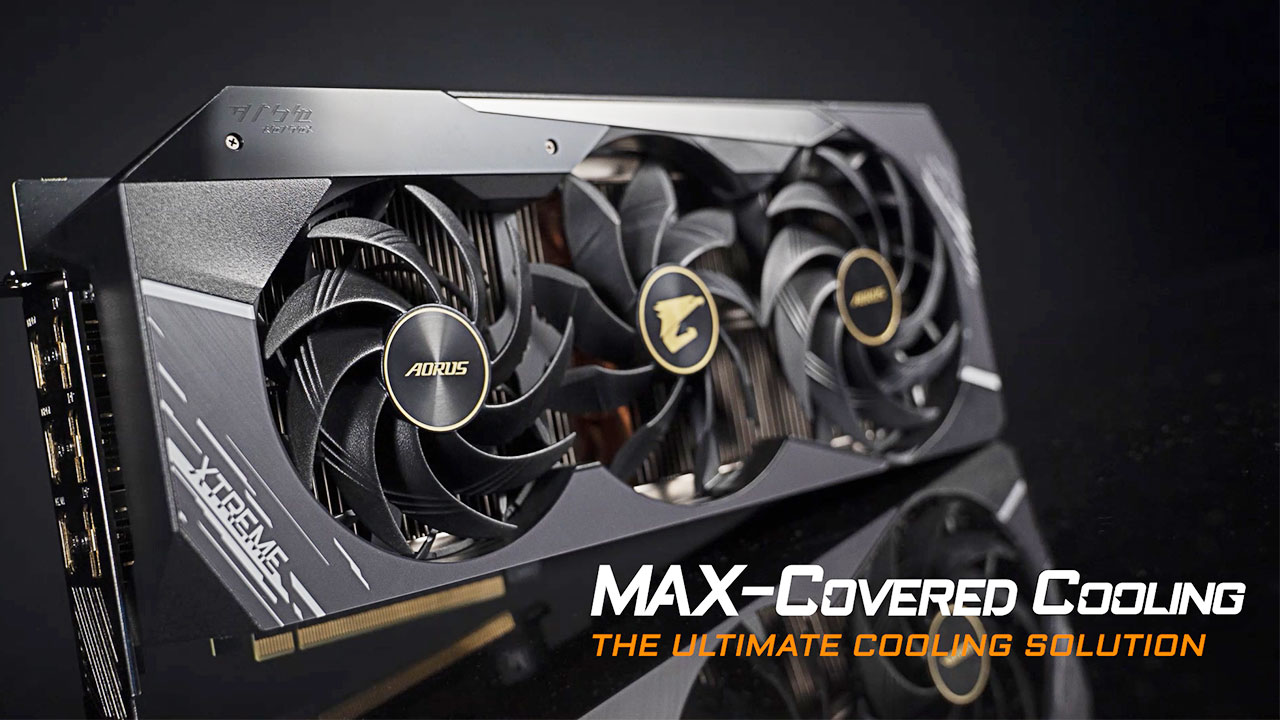
The GIGABYTE GeForce RTX 3060 Gaming OC 12G (REV2.0) pairs the same well-known 12GB RTX 3060 GPU with Gigabyte’s triple-fan WINDFORCE cooler — and it is, once more, an internal desktop graphics card, not an external GPU by itself. Running it externally would mean fitting it inside a Thunderbolt or OCuLink eGPU enclosure. At around $479 it is priced above the MSI version, largely for the larger cooling solution.
As a card to place in an enclosure, this RTX 3060 offers the same 12GB of VRAM and mature driver support, with a beefier WINDFORCE 3X cooler. That triple-fan design makes the card physically larger, however, so enclosure clearance is an especially important check here — many eGPU boxes have strict length limits, and a big triple-fan card can exceed them. The honest bottom line is unchanged: this is an internal graphics card, and only a separately bought eGPU enclosure turns it into a genuine external GPU.
Pros: 12GB RTX 3060 with large WINDFORCE 3X cooling, mature drivers, viable enclosure candidate.
Cons: NOT external by itself; the triple-fan card is internal and bulky — confirm enclosure clearance, and you still need the enclosure.
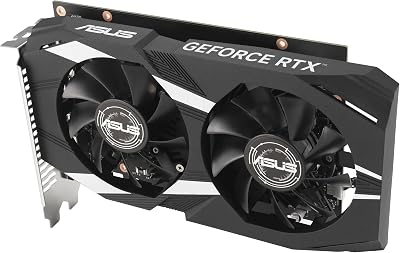
6. ASUS Dual NVIDIA GeForce RTX 3050 6GB OC Edition Graphics Card

31
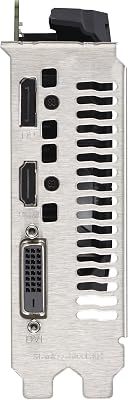
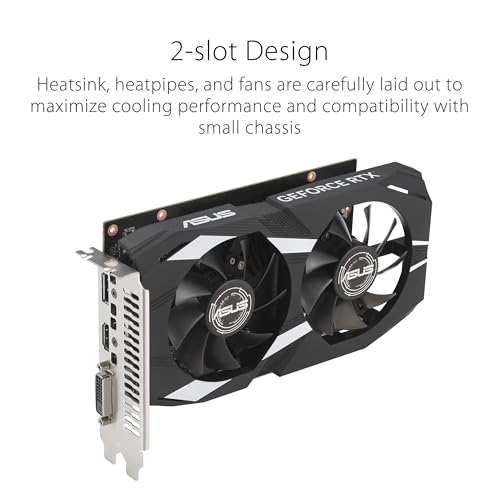
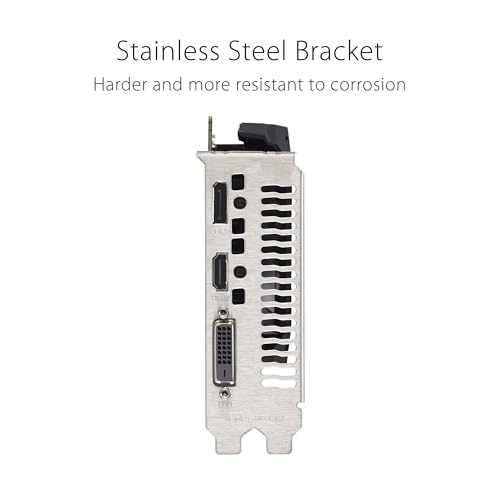
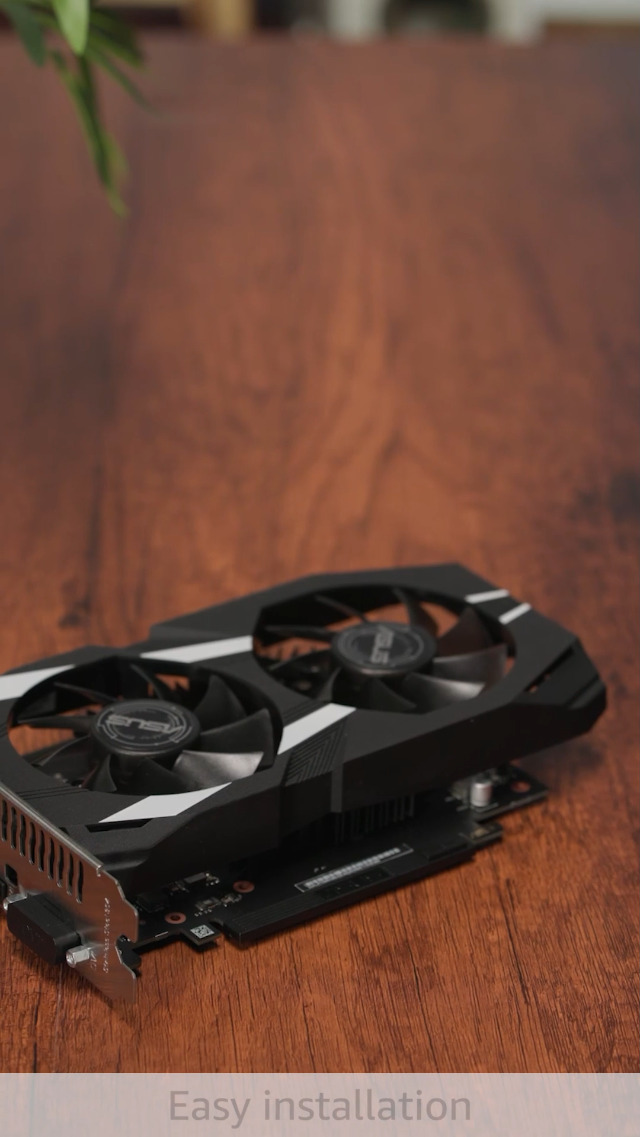
ASUS Dual NVIDIA GeForce RTX 3050 6GB OC Edition Gaming Graphics Card – PCIe 4.0, 6GB GDDR6 Memory, HDMI 2.1, DisplayPort 1.4a, 2-Slot Design, Axial-tech Fan Design, 0dB Technology, Steel Bracket
In Stock















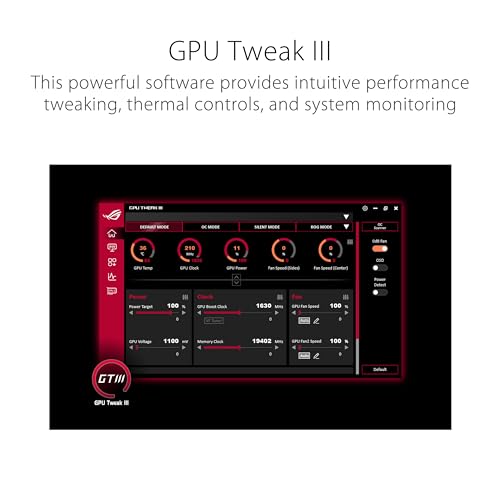
As an Amazon Associate we earn from qualifying purchases. Product prices and availability are accurate as of the date/time indicated.
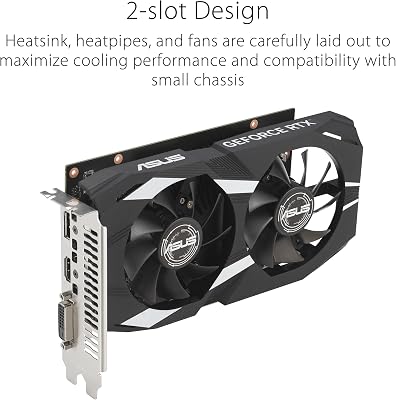
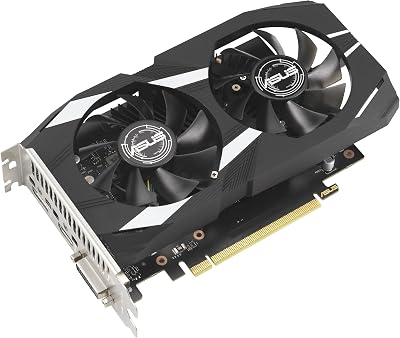
Rounding out the list is the ASUS Dual GeForce RTX 3050 6GB OC — the lowest-power and most compact card here, and, like all the rest, an internal desktop graphics card rather than an external GPU on its own. To use it externally you would mount it in a Thunderbolt or OCuLink eGPU enclosure. At around $240 it is the most affordable pick, with a smaller 6GB frame buffer.
Considered as an enclosure candidate, the RTX 3050’s modest power draw and compact dual-fan design are actually advantages for an eGPU build: lower-wattage cards are easier for smaller enclosures to power and cool, and a short card fits more boxes. The trade-off is the 6GB of VRAM, which is the most limited here and best suited to lighter external gaming and acceleration rather than demanding, memory-hungry workloads. And the constant truth applies once more: on its own this is an internal card, made external only by installing it in a separately purchased eGPU enclosure.
Pros: Low power and compact (easiest to fit/power in an enclosure), most affordable candidate here.
Cons: NOT external on its own — internal card; only 6GB VRAM, and a separate enclosure is still required.
How to Choose (and Actually Build) an External GPU Setup
The most important step is understanding what you are really buying, because this category trips people up constantly. A true external GPU is an eGPU enclosure — a powered external box that holds a desktop graphics card and connects to a laptop or mini-PC over Thunderbolt or OCuLink. The graphics card is the component that goes inside; it is not external by itself. Every product in this guide is an internal card, so to go external you must pair any of them with a separately purchased enclosure. Budget for both: the card price here is only part of the total cost of an external GPU setup.
Next, decide on the connection, because it shapes everything. Thunderbolt (3, 4, or 5) is the mainstream eGPU link and works with many laptops, offering plug-and-play convenience, while OCuLink is a newer, higher-bandwidth option found on some mini-PCs and handhelds that reduces the bottleneck but needs a compatible port. Crucially, both connections deliver less bandwidth than a direct internal PCIe slot, so an external GPU typically performs somewhat below the same card installed inside a desktop. Check what port your machine actually has before planning anything.
Then match the card to the enclosure’s physical and power limits. Enclosures publish maximum card length, width, and power-supply wattage, and exceeding any of these means the card simply will not fit or run. This is why, among the cards here, a compact low-power option like the ASUS RTX 3050 is the easiest to accommodate, while a large triple-fan card like the GIGABYTE RTX 3060 WINDFORCE may strain length limits. Because external links cap bandwidth, ample VRAM — as on the 16GB Radeon cards — also helps a card make the most of an eGPU setup. Always cross-check the card’s dimensions and connectors against your chosen enclosure.
Finally, set realistic expectations and weigh whether an eGPU is the right answer for you at all. An external GPU is a brilliant way to give a thin laptop desktop-class graphics on demand, but it costs more than the card alone, runs below internal-slot performance, and depends on your laptop having the right port. If you have a desktop, the same card installed internally is cheaper and faster. So choose this route specifically because you want to power a laptop or mini-PC externally, pick a card that fits your enclosure’s limits, and remember the defining truth of this guide: none of these cards is external on its own — the enclosure is what makes it so.
Frequently Asked Questions
What exactly is an external GPU?
An external GPU is an eGPU enclosure — a separate, powered box that houses a desktop graphics card and connects to a laptop or mini-PC over Thunderbolt or OCuLink. The enclosure plus the card together form the external GPU. A graphics card by itself, like every product in this guide, is an internal component and is not external until it is installed inside such an enclosure.
Are the graphics cards in this guide external GPUs?
No. Every card here — the Radeon RX 9060 XT and 7600 XT models, the RTX 3060 cards, and the RTX 3050 — is an internal desktop graphics card, not an external GPU on its own. None is an eGPU enclosure. To use any of them externally, you would install the card inside a separately purchased Thunderbolt or OCuLink enclosure, which is what actually makes a GPU external.
Do I need Thunderbolt or OCuLink for an external GPU?
You need one of them on your computer. Thunderbolt (3, 4, or 5) is the common, widely compatible eGPU connection, while OCuLink is a newer, higher-bandwidth link found on some mini-PCs and handhelds. Both carry less bandwidth than a direct internal PCIe slot, so an external GPU runs a little slower than the same card inside a desktop. Confirm your machine has the right port before buying an enclosure.
Is an external GPU as fast as an internal one?
Usually a bit slower. Because Thunderbolt and OCuLink provide less bandwidth than a direct PCIe slot, the same card tends to perform somewhat below its internal-desktop potential when used in an eGPU enclosure. Cards with ample VRAM, like the 16GB Radeon options here, help offset that. If you own a desktop, installing the card internally is cheaper and faster; an external GPU makes sense mainly for adding power to a laptop or mini-PC.
Related Guides
Affiliate Disclosure: As an Amazon Associate, we earn from qualifying purchases. If you click a link and make a purchase, we may earn a small commission at no extra cost to you. Prices and availability are accurate as of publication and may change.