- Top Pick: 14-in-1 Camera Lens Cleaning Kit – Mirrorless & DSLR Sensor Cleaning Kit for Canon, Sony, Nikon Including Lens Blower, Detergent, Swabs, Cloth, Pen, Brush
- Best Value: Camera Lens Cleaning Kit – Mirrorless and DSLR Camera Cleaning Kit, Including Lens Paper/Blower, Cotton swabs, dust Free Cloth, Lens Pen, Cleaning Brush
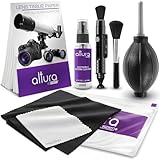
- Premium Choice: Altura Photo Camera Lens Cleaning Kit, Lens Cleaner for DSLR & Mirrorless
Best Camera Cleaning Kits for DSLR and Mirrorless
The best camera cleaning kits for DSLR and mirrorless cameras are built around a manual air blower, lens-safe microfiber materials, and sensor swabs matched to your sensor size—not the largest bundle of brushes and fluids.
- Best Camera Cleaning Kits for DSLR and Mirrorless
- What a Good Camera Cleaning Kit Must Do
- Best Camera Cleaning Kits by Use Case
- Best Overall Approach: A Modular Sensor-Safe Kit
- How Sensor-Safe Tools Differ from Lens Tools
- Wet Sensor Cleaning: A Safe Step-by-Step Method
- Portability: What Belongs in a Travel Kit?
- Buying Checklist for DSLR and Mirrorless Owners
- Common Mistakes That Make Cleaning Worse
- Final Recommendation
For most photographers, a reliable combination is the Giottos Rocket Air Blower, a clean lens cloth, a lens brush such as the LensPen, and individually sealed sensor swabs with sensor-cleaning fluid. The VisibleDust sensor-cleaning system is a strong choice when you want a more complete wet-cleaning setup, while a basic K&F Concept or similar kit can cover routine lens and body maintenance if it includes properly labeled, lint-free materials.
As an Amazon Associate we earn from qualifying purchases at no extra cost to you.



What a Good Camera Cleaning Kit Must Do
DSLR and mirrorless cameras have three different cleaning problems: loose dust, oily marks on glass, and contamination on the sensor filter. One tool rarely handles all three safely.
- Loose dust: Use a hand-powered blower. Airflow should be strong enough to move particles without requiring contact with the camera.
- Lens fingerprints and smears: Use a soft lens brush, optical microfiber cloth, or lens tissue with a small amount of suitable fluid.
- Sensor spots: Use sensor-specific swabs and fluid, with the correct width for full-frame, APS-C, Micro Four Thirds, or another format.
- Body and mount debris: Use a separate brush or cloth. Never reuse a cloth that has touched a lens or sensor.
A kit is less useful if it contains several generic brushes but no sensor-size information, no fluid ingredients or compatibility guidance, or a blower with a detachable intake filter missing. Camera cleaning is one area where fewer well-designed tools are safer than a large assortment of unknown accessories.
Best Camera Cleaning Kits by Use Case
| Photographer’s situation | Best kit type | What it should contain | Typical market range |
|---|---|---|---|
| Routine lens and body maintenance | Compact dry-cleaning kit | Hand blower, lens brush, optical microfiber cloths, lens tissues | Usually $15–$35 |
| Frequent outdoor or travel shooting | Portable multi-size kit | Small blower, capped brush, individually packed cloths, lens-safe fluid | Usually $25–$60 |
| Visible sensor dust at small apertures | Sensor wet-cleaning kit | Correct-size swabs, sensor fluid, magnifying inspection light or loupe | Usually $30–$100 |
| Several cameras with different sensor formats | Modular professional kit | Separate full-frame, APS-C, and Micro Four Thirds swabs plus fluid | Usually $60–$150 |
| Photographers who rarely clean sensors | Dry-first maintenance kit | Quality blower, lens brush, cloths, and access to a camera service center | Usually $15–$45 |
Best Overall Approach: A Modular Sensor-Safe Kit
A modular kit is usually better than a single all-in-one package because lens cleaning and sensor cleaning have different requirements. The Giottos Rocket Air Blower is a widely recognized example of the right blower class: it is manually powered, has a directional nozzle, and avoids the compressed-gas propellant that can spray liquid residue or create excessive pressure.
Pair the blower with individually wrapped sensor swabs from a specialist system such as VisibleDust. Choose the swab width for the actual sensor format. A full-frame swab is not automatically the right tool for an APS-C camera, and a swab that is too narrow can force you to make unnecessary extra passes.
For lenses, a LensPen-style carbon cleaning tip can remove light fingerprints, while a high-quality optical microfiber cloth is useful for final polishing. Keep the cloth in a sealed bag or case. A cloth carried loose in a camera bag can collect grit, turning a cleaning accessory into an abrasive surface.
How Sensor-Safe Tools Differ from Lens Tools
Blowers
A blower is the safest first step for both DSLR and mirrorless cameras. It removes loose particles without rubbing them across the sensor filter or lens coatings. Look for a large squeeze chamber, a firmly attached nozzle, and an intake filter that reduces the chance of drawing dust back into the tool.
Do not use your mouth, a household air compressor, or an unregulated electric duster. Moisture from breath can leave residue, while compressor systems may contain oil or produce pressure that is inappropriate for a camera’s interior.
Sensor swabs
Sensor swabs should be lint-free, individually sealed, and labeled for digital camera sensors. Their fluid should evaporate cleanly and be intended for sensor filters rather than household glass. A swab is single-use: once it touches the sensor, do not put it back into its packet or use it again.
Lens materials
Lens coatings need gentle contact. Use a clean brush to remove grit before wiping. If a dry cloth does not remove an oily mark, apply one or two drops of optical cleaning fluid to the cloth—not directly to the lens—and wipe from the center outward. Avoid paper towels, tissues containing lotion, clothing, and generic household glass cleaner.
Wet Sensor Cleaning: A Safe Step-by-Step Method
- Confirm the problem. Photograph a clear sky or plain wall at approximately f/16 to f/22, manually defocused. Dust spots that remain in the same image position are more likely to be on the sensor filter than on the lens.
- Charge the battery. Many cameras require sufficient power to hold the shutter or mirror mechanism open. A weak battery can interrupt the cleaning position.
- Activate the camera’s sensor-cleaning mode. Do not remove the lens while using an ordinary exposure mode. Follow the camera manual’s procedure for access to the sensor.
- Blow first. Hold the camera with the mount facing downward and use several gentle air bursts. This lets gravity help remove loosened particles.
- Prepare one swab. Add only the amount of fluid specified by the manufacturer. An over-wet swab can leave a streak or allow fluid to migrate beyond the filter surface.
- Make one controlled pass. Place the swab at one edge, move smoothly across the sensor filter with light, even pressure, then use the opposite side for the return pass if the instructions permit.
- Inspect and test. Reattach the lens, repeat the plain-surface test, and stop if a mark has spread or new streaks appear. More passes are not automatically better.
The reasoning behind this sequence is simple: dry particles should be removed before liquid is introduced. Wet-cleaning a grain of sand can drag it across the filter, while repeated passes with a contaminated swab increase the risk of streaks and scratches.
Portability: What Belongs in a Travel Kit?
A travel kit should solve common problems without filling an entire compartment. A practical small setup includes a 15–20 cm hand blower, a capped lens brush, two individually stored microfiber cloths, a few lens tissues, and a small bottle of lens-safe fluid. Keep sensor swabs sealed separately and carry them only when you are comfortable using them or expect a long trip away from camera service.
Do not judge portability by the number of pieces. A bulky case with six similar brushes is less useful than a compact kit with one clean blower and materials protected from dust. Store the blower nozzle in a pouch rather than letting it rub against dirty equipment.
Buying Checklist for DSLR and Mirrorless Owners
- Sensor compatibility: Verify whether the swabs are for full-frame, APS-C, Micro Four Thirds, or another format.
- Fluid quality: Prefer fluid specifically formulated for sensor filters or coated optical surfaces, with clear usage instructions.
- Packaging: Individually sealed swabs and tissues are safer than a large open bundle.
- Blower design: Choose manual airflow, a stable valve, and a nozzle that cannot easily detach.
- Cloth construction: Select lint-free optical microfiber with a sealed storage pouch.
- Brush separation: Keep lens brushes and body brushes distinct; never use a brush that has touched a dirty mount on the sensor.
- Instruction quality: The kit should explain fluid quantity, pass direction, and sensor-format compatibility.
Common Mistakes That Make Cleaning Worse
The most damaging mistake is wiping before blowing. A visible speck may be hard, gritty debris, and dragging it across a coated surface can create a mark. Another mistake is spraying fluid onto the camera or lens. Liquid should go onto the cleaning material in a controlled quantity.
Also avoid cleaning a sensor simply because a camera has been used outdoors. Test first. A sensor that looks dusty under a flashlight may produce no visible image defect, and unnecessary wet cleaning adds risk without improving photographs. For stubborn contamination, a qualified camera service center is the better choice than repeated forceful attempts at home.
Final Recommendation
For most DSLR and mirrorless owners, buy a quality manual blower, a separate lens-cleaning set, and sensor-format-specific swabs only when the test confirms sensor spots. Choose VisibleDust or another specialist sensor system for regular wet cleaning, a Giottos Rocket Air Blower or equivalent for dust removal, and a LensPen-style tool or optical microfiber for fingerprints. That combination covers the real maintenance tasks while keeping sensor safety, fluid quality, and portability ahead of unnecessary kit extras.
Ready to decide? Our #1 pick for 2026 is the Routine lens and body maintenance.
Live price & availability on Amazon.