

- Top Pick: RØDE PodMic Cardioid Dynamic Broadcast Microphone, XLR
- Best Value: Electro-Voice RE20-BLACK Dynamic Broadcast Announcer Microphone, Black (RE20)
- Premium Choice: Logitech Creators Blue Yeti USB Microphone for PC, Mac, Gaming, Recording, Streaming, Podcasting, Studio and Computer Condenser Mic with Blue VO!CE effects, 4 Pickup Patterns, Plug and Play – Blackout
🛒 Best Price Today on Amazon
Prime members get fast, free shipping on everything above, plus member-only deals. New members get a 30-day free trial — cancel anytime.
- Top Broadcast Microphones Picks for 2026
- Best Broadcast Microphones at a Glance
- 1. Shure MV7X XLR Dynamic Microphone – Voice-Isolating Cardioid
- 2. Shure SM7B Dynamic Studio Microphone – XLR for Podcasting and Broadcasting
- 3. MAONO Premium Dynamic USB/XLR Mic with EQ, Tap-to-Mute, Headphone Jack
- 4. Shure SM58-LC Dynamic Vocal Microphone – Cardioid Handheld XLR
- 5. Elgato Wave DX – Dynamic XLR Microphone, Speech-Optimised Cardioid
- 6. Shure MV7+ Dynamic Microphone – USB-C & XLR Podcast Mic, OBS Certified
- How to Choose a Broadcast Microphone
- Related Guides
- Frequently Asked Questions
- Related Guides
- Related Articles
Top Broadcast Microphones Picks for 2026
Here are our current top broadcast microphones picks, compared on real Amazon owner reviews, price, and features. Live prices update below.
As an Amazon Associate we earn from qualifying purchases at no extra cost to you.







Broadcast microphones are the tier above streaming and podcast mics — the industry-standard tools that talk-show hosts, voiceover pros and serious podcasters reach for when audio quality is non-negotiable. They share a few traits: dynamic capsules tuned for the human voice, rugged broadcast-grade build quality, a flat-to-warm midrange that flatters speech, and a signal path that expects an audio interface. The Shure SM7B alone has carried more broadcasts and podcasts than most equipment lists combined. This guide rounds up the best broadcast microphones in 2026 across the picks pros actually use.
Our picks were chosen on what genuinely defines broadcast-grade audio: dynamic capsules engineered for voice, a build that survives years of daily use, the tonal character that broadcast professionals expect, and a sensible connector — XLR for serious chains, USB-C for fast modern workflows. We have included a deliberate price spread — from around $99 up to around $395 — anchored by the legendary Shure SM7B, with the MV7X and MV7+ as more accessible Shure picks, plus Elgato’s Wave DX, MAONO’s hybrid Premium and Shure’s SM58 included for live broadcast-adjacent use. Below is an at-a-glance comparison, then a closer look at each and a buyer’s guide built around what ‘broadcast’ really means in 2026.
Best Broadcast Microphones at a Glance
| Microphone | Best For | Standout Spec | Approx Price |
|---|---|---|---|
| Shure MV7X XLR Voice-Isolating Dynamic | Pro XLR podcast voice | Voice-isolating cardioid, all-metal | around $179 |
| Shure SM7B XLR Dynamic Studio Mic | Industry-standard broadcast | Cardioid dynamic, wide frequency, XLR | around $395 |
| MAONO Premium USB/XLR Dynamic Mic | Hybrid broadcast on a budget | USB/XLR, EQ, tap-mute, headphone jack | around $155 |
| Shure SM58-LC Cardioid Vocal XLR Mic | Live broadcast and vocal | Cardioid dynamic, road-tough handheld | around $98 |
| Elgato Wave DX XLR Dynamic | Streamer-friendly broadcast XLR | Speech-optimised, cardioid, noise rejection | around $100 |
| Shure MV7+ Dynamic USB-C & XLR | Modern hybrid broadcast | USB-C + XLR, OBS-certified, auto level | around $269 |
1. Shure MV7X XLR Dynamic Microphone – Voice-Isolating Cardioid
Shure MV7X XLR Dynamic Microphone – Voice-Isolating Cardioid Mic for Podcasting, Vocal Recording & Broadcasting, All-Metal, Black
In Stock
As an Amazon Associate we earn from qualifying purchases. Product prices and availability are accurate as of the date/time indicated.
The Shure MV7X opens the broadcast list as the pro XLR podcast pick. It is an XLR-only dynamic microphone with a voice-isolating cardioid capsule, an all-metal broadcast build, and the focused, present vocal tuning podcasters reach for. At around $179 it is the most affordable way to get a serious Shure dynamic at the heart of a podcast studio.
This is the microphone for the podcaster building a proper XLR chain — into an interface like a Focusrite Scarlett or a RØDECaster Duo — who wants real Shure quality without paying SM7B prices. The voice-isolating cardioid keeps the room out of episodes, the all-metal build will outlive several PCs, and the focused vocal tuning needs less EQ to sound finished. As a no-USB, no-compromise XLR podcast mic, the MV7X is a smart investment and the natural entry point to Shure’s broadcast family.
Pros: Voice-isolating cardioid dynamic, all-metal broadcast build, focused vocal tuning, classic Shure quality.
Cons: XLR only — needs an audio interface.
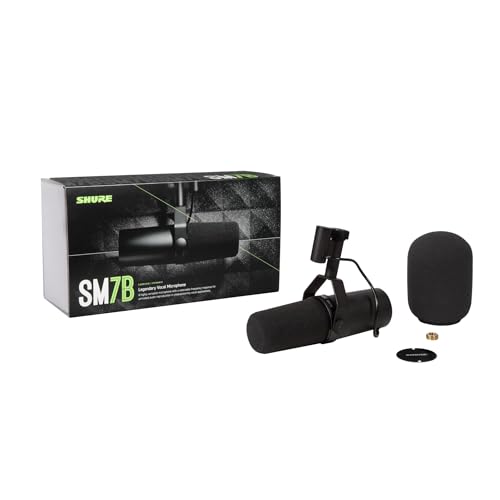
2. Shure SM7B Dynamic Studio Microphone – XLR for Podcasting and Broadcasting

23
Shure SM7B Dynamic Studio Microphone – XLR Mic for Podcasting, Streaming, Vocal Recording & Broadcasting, Wide Frequency Range, Smooth Warm Audio, Detachable Windscreen, Black
In Stock






As an Amazon Associate we earn from qualifying purchases. Product prices and availability are accurate as of the date/time indicated.
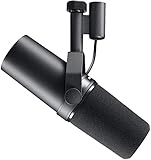
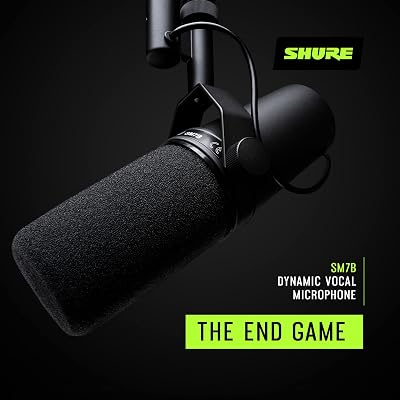
The Shure SM7B is the industry-standard broadcast microphone. It is a cardioid dynamic XLR mic with a wide, flat frequency response tuned for the voice, an integral pop filter, and the kind of unfussy, broadcast-grade build that has made it a fixture in radio booths, podcast studios and music vocal chains for decades. At around $395 it is the premium pick here, and for broadcast use it is the benchmark every other mic on this list is measured against.
This is the microphone for the serious podcaster, broadcaster or voice artist who wants the sound everyone recognises. The dynamic capsule rejects the room with authority — even untreated spaces sound tight and professional — and the warm, flat-tilted midrange flatters human voices in a way few mics match. It needs a good audio interface with healthy gain (often paired with a Cloudlifter or FetHead), and that requirement is part of why it sounds the way it does. If you are building a true broadcast chain, the SM7B remains the obvious centerpiece.
Pros: Industry-standard dynamic, broadcast-tuned voice response, rugged build, integral pop filter.
Cons: Needs an interface with strong clean gain; XLR only.
3. MAONO Premium Dynamic USB/XLR Mic with EQ, Tap-to-Mute, Headphone Jack

32
Prime
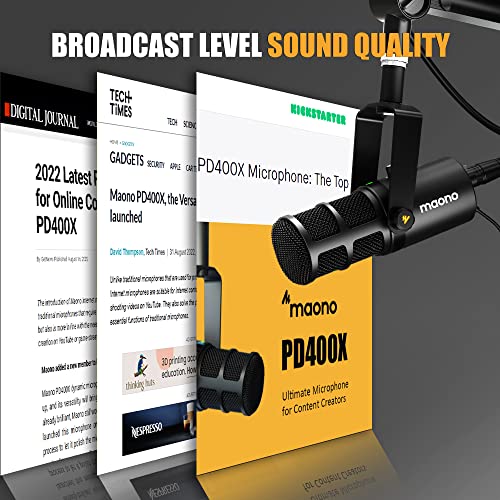
MAONO Dynamic Microphone, USB/XLR Podcast PC Microphone with Software, EQ,Tap-to-Mute, Headphone Jack, Gain Knob & Volume Control, Studio Mic for Broadcast, Recording, Streaming & Gaming (PD400X)
In Stock




As an Amazon Associate we earn from qualifying purchases. Product prices and availability are accurate as of the date/time indicated.
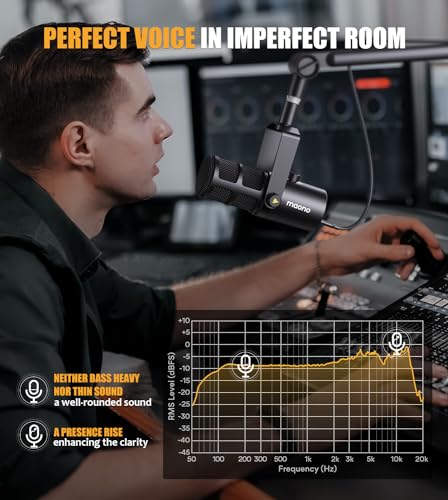
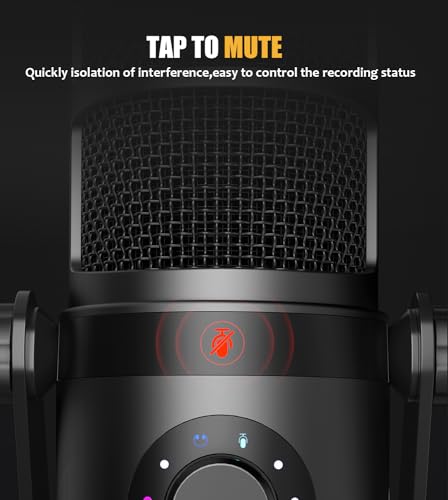
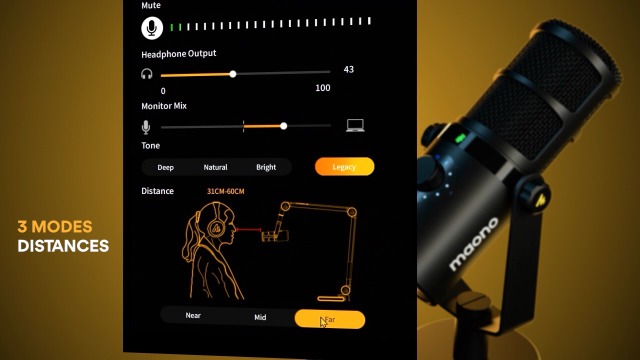
The MAONO Premium is the hybrid broadcast pick on a budget. It is a dynamic microphone with both USB and XLR outputs, on-mic EQ, a tap-to-mute touch sensor, a hardware headphone jack and gain/volume knobs. At around $155 it bundles a serious feature list into a hybrid body, undercutting the bigger broadcast names while keeping the dynamic-capsule advantage.
This is the pick for the creator who wants a feature-dense hybrid broadcast mic without paying Shure pricing. The dynamic capsule rejects untreated room noise the way broadcasters expect, the onboard EQ tunes the voice without external software, the tap-to-mute is a daily workflow essential, and the USB/XLR dual output supports both day-one PC recording and an eventual interface upgrade. As an affordable, well-equipped hybrid broadcast mic, the MAONO Premium is a strong value pick.
Pros: Hybrid USB/XLR, dynamic capsule, on-mic EQ, tap-mute and headphone jack at sub-Shure pricing.
Cons: Brand prestige below Shure for audience-facing setups.
4. Shure SM58-LC Dynamic Vocal Microphone – Cardioid Handheld XLR

22
Shure SM58-LC Dynamic Vocal Microphone – Professional Handheld Cardioid XLR Mic for Singing, Live Performance, Studio Recording, Podcast & Broadcast, Black
In Stock





As an Amazon Associate we earn from qualifying purchases. Product prices and availability are accurate as of the date/time indicated.
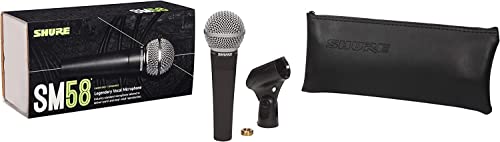
The Shure SM58-LC is the live broadcast pick on this list. It is a professional handheld cardioid dynamic XLR microphone — the most famous live vocal mic in the world — included here as a live-broadcast-adjacent option for stand-up presenters, hosts on location, and creators who need a road-tough mic. At around $98 it is far more affordable than its reputation suggests.
Be honest about what this is: the SM58 is a live vocal microphone first and a studio mic second. It is the standard handheld for concerts, presentations and event broadcasts because it survives drops, rejects feedback on stage, and reproduces voice clearly. For a creator who broadcasts live, hosts events or wants a rugged handheld in addition to a desk mic, the SM58 is the obvious pick — and the Shure broadcast pedigree carries here too. For seated studio podcasting, the SM7B, MV7+ or MV7X are the better fit.
Pros: Industry-standard live vocal dynamic, tough and reliable, classic Shure tone, fantastic value.
Cons: Designed for live use — not a tabletop studio podcast mic.
5. Elgato Wave DX – Dynamic XLR Microphone, Speech-Optimised Cardioid
36
Elgato Wave DX – Dynamic XLR Microphone, Cardioid pattern, Noise Rejection, speech optimised for Podcasting, Streaming, Broadcasting, No Signal Booster Required, works with any Interface, for Mac, PC
In Stock


As an Amazon Associate we earn from qualifying purchases. Product prices and availability are accurate as of the date/time indicated.
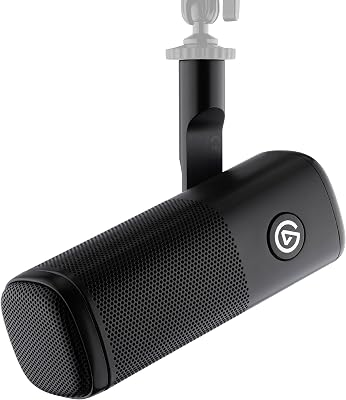
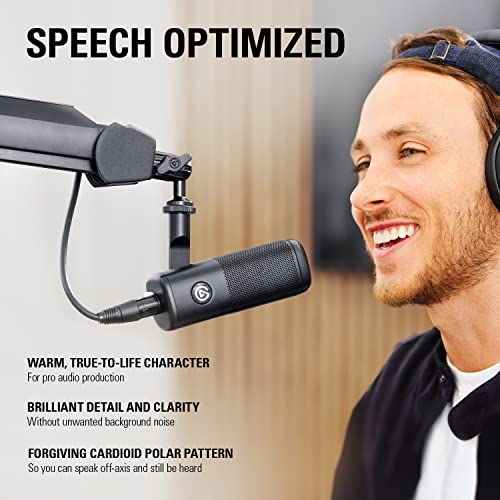
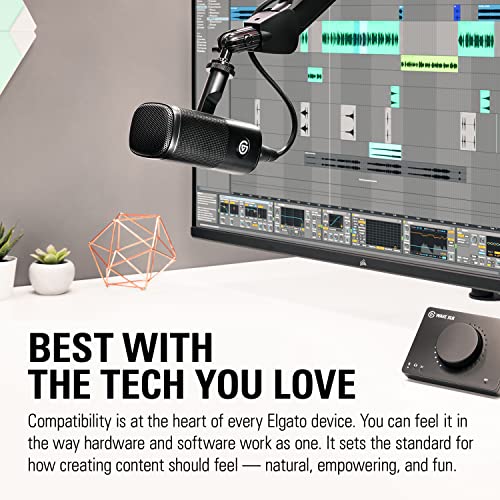
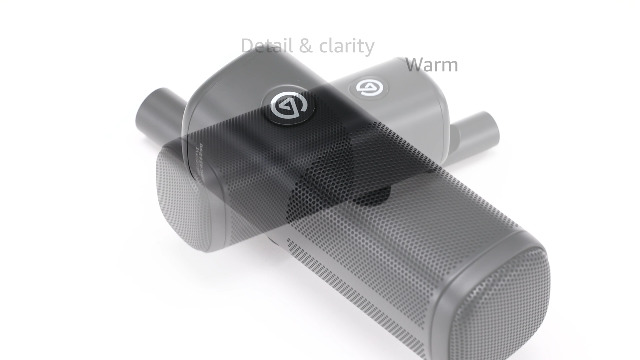
The Elgato Wave DX is the streamer-friendly broadcast XLR pick. It is a cardioid dynamic XLR microphone, speech-optimised and engineered for podcasting, streaming and voiceover, from the same brand behind the popular Stream Deck and Wave streaming gear. At around $100 it brings broadcast-style audio into an Elgato-friendly setup at an aggressive price.
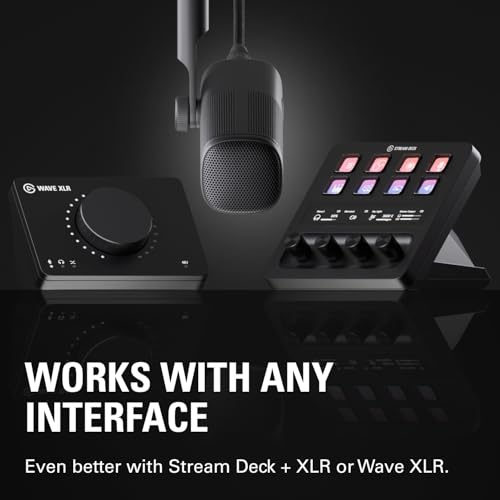
This is the microphone for the streamer who already runs Wave audio or Stream Deck and wants a matched XLR mic into a Wave XLR interface or a similar broadcast chain. The dynamic capsule rejects room noise as expected from the category, the cardioid pattern is tuned for close speech, and Elgato’s voice tuning keeps episodes clear and balanced. As an accessible, ecosystem-friendly entry into broadcast XLR, the Wave DX is well placed.
Pros: Speech-optimised cardioid dynamic, broadcast tone, accessible price for an XLR studio mic.
Cons: XLR only — needs an interface like Elgato’s Wave XLR.
6. Shure MV7+ Dynamic Microphone – USB-C & XLR Podcast Mic, OBS Certified

9


As an Amazon Associate we earn from qualifying purchases. Product prices and availability are accurate as of the date/time indicated.
Rounding out the list is the Shure MV7+, the modern hybrid broadcast pick. It is a dynamic microphone with both USB-C and XLR outputs, OBS-certified for streamer workflows, with onboard auto level, digital pop filter and Shure’s modern broadcast tuning. At around $269 it brings the SM7B family DNA into a hybrid USB/XLR body, making serious broadcast audio more accessible than ever.
This is the microphone for the podcaster or streamer who wants real Shure broadcast pedigree without committing to an audio interface on day one. The dynamic capsule keeps recordings clean in real-world rooms, the USB-C output plugs straight into a PC or Mac for solo episodes, and the XLR output unlocks a full studio chain when you upgrade. Auto level smooths out volume shifts so an inconsistent guest does not wreck a take. As Shure’s hybrid broadcast answer, the MV7+ is exceptional.

Pros: Hybrid USB-C and XLR, OBS-certified, auto level, Shure broadcast pedigree, modern workflow.
Cons: Mid-premium price; still a serious investment for hobbyists.
How to Choose a Broadcast Microphone
The first thing to be clear about is what ‘broadcast’ really means in mic terms. A broadcast microphone is almost always a dynamic mic — never a condenser — tuned to flatter the human voice, with a rugged build that holds up to daily professional use. Every microphone in this guide is dynamic for that reason, and the Shure family in particular (SM7B, MV7+, MV7X, SM58) is what defines the broadcast tonal character listeners recognise.
Connector and signal chain matter as much as the capsule. A pure-XLR mic like the SM7B, MV7X, Wave DX, PodMic-style or SM58 plugs into an audio interface (or a RØDECaster, GoXLR, Wave XLR or similar) — this is the traditional broadcast chain and the route to the best results. A hybrid USB/XLR mic like the MV7+ or the MAONO Premium gives you a day-one PC route over USB and an upgrade path to an interface over XLR. Choose pure XLR for a serious studio built around an interface; choose hybrid if you want flexibility.
Tonal intent shapes which broadcast capsule fits your voice. A flat-tilted voice mic like the SM7B is the broadcaster’s default because it sits cleanly in a mix and takes EQ well, a voice-isolating cardioid like the MV7X focuses the midrange even more aggressively for solo voice, and a live-vocal capsule like the SM58 is built to project on stage rather than smooth a podcast. Match the mic’s voicing to the role: studio podcast, hybrid streaming, or live presentation.
Finally, plan the full chain and the budget. An SM7B or MV7X needs an audio interface with strong clean gain and may benefit from a Cloudlifter-style inline preamp, the MV7+ and MAONO Premium can run direct over USB, and the Wave DX pairs naturally with Elgato’s Wave XLR. Decide whether broadcast-grade tone, a modern hybrid workflow, or a live-broadcast handheld matches what you do, and pick the mic on this list that hits the priority. For most serious podcasters, the answer is somewhere on the Shure family tree.
Frequently Asked Questions
Why is the Shure SM7B the industry standard for broadcast?
The SM7B combines a dynamic capsule that rejects the room with a flat, voice-friendly frequency response, an integral pop filter and a rugged broadcast build. It has been used on enormous podcasts, radio shows and music vocals for decades because it consistently delivers a warm, clear, broadcast-ready voice in a wide variety of rooms. Other mics imitate that voicing — the SM7B is the original.
Do I need an audio interface for a broadcast microphone?
For most of the picks here, yes — the SM7B, MV7X, Wave DX, and SM58 are XLR only and need an interface (like a Focusrite Scarlett or RØDECaster) with good clean gain. The MV7+ and MAONO Premium are USB/XLR hybrids and can plug directly into a PC via USB, then upgrade to XLR later. Choose hybrid if you want plug-and-play today and a broadcast chain tomorrow.
Is the Shure SM58 a podcast microphone?
Not really. The SM58 is a legendary live vocal mic, designed for stage use — rugged, feedback-resistant, and handheld. It is included here as a live-broadcast-adjacent option for hosts and presenters who broadcast live or on location. For seated, tabletop podcast or streaming use, the SM7B, MV7+, MV7X or Wave DX are the better fit.
What is the difference between the Shure MV7+ and the MV7X?
The MV7+ is a modern hybrid USB-C and XLR dynamic with onboard digital features (auto level, OBS certification) for streamers and podcasters who want a no-interface path. The MV7X is an XLR-only dynamic with a voice-isolating cardioid and an all-metal broadcast build, aimed at podcasters with an interface who want the most no-nonsense pro vocal sound for the price.
Related Guides
- Best Microphones for Gaming and Streaming
- Best Podcast Microphones
- Best Streaming Microphones
- Best Audio Interfaces for Streaming
- Best Gaming Headsets
- Best Webcams for Streaming
- Best Boom Arms for Microphones
- Best Streaming Setup
Affiliate Disclosure: As an Amazon Associate, we earn from qualifying purchases. If you click a link and make a purchase, we may earn a small commission at no extra cost to you. Prices and availability are accurate as of publication and may change.
Ready to decide? Our #1 pick for 2026 is the Shure MV7X XLR Voice-Isolating Dynamic.
Live price & availability on Amazon.


