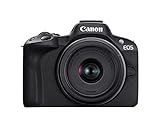
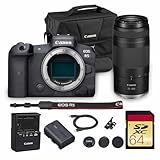
- Top Pick: Sony RX10 V – Premium 25x high-Zoom Camera with 24–600mm F2.4-4 Super-telephoto Lens, 20.1 MP Stacked Backside-Illuminated Sensor, AI-Based autofocus, up to 30 fps Burst Shooting
- Best Value: Panasonic Point and Shoot Digital Camera 4K, Vlogging Camera for Travel | 4K digital camera for photography featuring 60X optical zoom and image stabilization, Black, DC-FZ80D
- Premium Choice: Minolta MN68Z 20MP 4K Ultra HD Bridge Camera with 68x Optical Zoom – Black | Optical zoom, image stabilization, manual controls, vari angle LCD, blogging, vlogging, high resolution photos, CMOS sensor
A bridge camera sits between a pocket compact and an interchangeable-lens system: one fixed lens, a very long zoom, and a body shaped like a small DSLR. The attraction is obvious for anyone who photographs birds, airshows, kids’ soccer, or distant landmarks and does not want to carry three lenses. The decision is rarely about megapixels. It comes down to how far the lens reaches, how bright it stays when zoomed, and whether you want 4K video or are happy with 1080p.
This guide is for first-time buyers stepping up from a phone, travelers who want one camera for everything, and hobbyists who want a second body for wildlife. Seven bridge models are compared below from their listing details only, ranging from a premium fast-lens model to simple, battery-powered zoom cameras that offer plenty of reach in 2026. Where a title says little, the write-up says so instead of guessing. Start with the Quick Picks table to see which models match your priority, whether that is reach, 4K video, or simply a camera that is easy to carry on a long day out.
Quick Picks
As an Amazon Associate we earn from qualifying purchases at no extra cost to you.


| Product | Best for | Key spec from the title |
|---|---|---|
| Sony RX10 V | Serious action and travel work | 24-600mm F2.4-4 lens, up to 30 fps burst |
| Panasonic DC-FZ80D | 4K travel and vlogging | 60X optical zoom, 4K video |
| Minolta MN68Z | Longest zoom with 4K | 68x optical zoom, vari-angle LCD |
| Kodak PIXPRO AZ528 | Wi-Fi sharing at the entry tier | 52x zoom, Wi-Fi, 6fps burst |
| Kodak PIXPRO AZ653 | Birding and wildlife | 65x zoom, OIS, 20MP |
| Kodak PIXPRO AZ425 | Sports and casual wildlife | 42x zoom, OIS, 20MP |
| Nikon COOLPIX P900 | Brand-loyal long-zoom shooters | COOLPIX P900, black body (no other specs listed) |
How to Choose
Zoom range versus lens brightness
A big number like 60x or 68x is a headline, but the aperture matters just as much. A lens that opens to F2.4 at the wide end and stays near F4 at full zoom, as the Sony listing states, keeps shutter speeds fast in dim light. Superzoom models that quote only a zoom figure usually drop into dim apertures at full reach, so plan to shoot in daylight and brace the camera against a wall, fence post, or monopod when you push to maximum zoom. Reach is useless if every frame is soft. As a rough rule, a modest zoom paired with a bright lens suits indoor sports and dusk shooting, while a very long zoom suits stationary subjects such as nesting birds, boats, or distant buildings in good light. Decide which of those two worlds you live in before comparing numbers.
Stabilization and burst speed
At long focal lengths a tiny hand tremor ruins a frame, so look for optical image stabilization, abbreviated OIS in the Kodak titles, or the image stabilization named on the Panasonic and Minolta. Burst speed matters if your subjects move: 6fps handles kids and pets, while 30 fps, as the Sony states, is aimed at birds in flight and sports. Ignore any mention of digital zoom, which only crops the image and softens detail. Also look past the megapixel count: a 20MP file from a small sensor is not automatically cleaner than a 16MP one, and extra pixels mostly help when you plan to crop a distant subject heavily.
Video resolution and screen
If you vlog or record family events, 4K on the Panasonic and Minolta listings gives sharper footage and room to crop for reframing. The Kodak entries record 1080p, which is perfectly adequate for sharing on a phone or a television. A vari-angle LCD, named on the Minolta, makes low and high shooting or selfie framing far easier than a fixed screen, while 3 inches is the stated size on the Kodak bodies. Manual controls, which the Minolta names, are useful to have if you eventually want to set shutter speed and aperture yourself rather than leave everything to automatic modes.
Where budget models cut corners
Entry-level bridge cameras generally use a small sensor, so image quality drops in low light and autofocus slows at the telephoto end. Battery life can be short, and viewfinders tend to be small. Read the connectivity line too: Wi-Fi saves time when you want to send photos to a phone, while its absence means a card reader. Ask what size you will actually view the pictures at, since a phone screen forgives what a large print will not. Finally, weigh the body: a heavier premium camera is more stable at full zoom but less likely to be carried every day, and the best camera is the one that travels with you.
The 7 Best Options
Sony RX10 V
The premium option for shooters who want an all-in-one camera that behaves like a serious system, from sports to travel to wildlife, without changing lenses.
- The 24-600mm F2.4-4 lens is the only one in this group whose title states a fast aperture range, and the listing calls it a premium 25x zoom.
- A 20.1 MP stacked backside-illuminated sensor, AI-based autofocus, and up to 30 fps burst shooting are all named.
- Trade-off: it is the premium tier of the group, so it is more camera than casual snapshots need.
Skip it if reach beyond 600mm matters more to you than brightness, or if you only shoot in bright daylight on vacation and want the longest zoom number on the shelf.
Panasonic DC-FZ80D
Aimed at travelers who want 4K video and a long zoom in one camera, with a nod toward vlogging and everyday photography.
- A 60X optical zoom and image stabilization are both stated in the title.
- 4K video support makes it more future-proof for sharing and editing than the 1080p Kodak models.
- Trade-off: the title does not state sensor size, burst rate, or aperture, so low-light and sports ability stay unclear.
Skip it if you need a confirmed fast-aperture lens, or if you want a stated tilting screen for self-framing, which this listing leaves out.
Minolta MN68Z
For buyers who want the longest zoom in the group together with 4K recording, manual controls, and a flexible screen for vlogs.
- A 68x optical zoom is the longest of the seven, and image stabilization is listed alongside it.
- A vari-angle LCD and manual controls suit both vlogging and creative shooting as skills grow.
- Trade-off: it has a 20MP CMOS sensor and no stated aperture, so dim-light reach is a question mark.
Skip it if you want a long-established camera maker’s name or a clear autofocus story. Buyers who prioritize action shots should look at the Sony instead.
Kodak PIXPRO AZ528
A friendly starter bridge camera for families who want to share photos to a phone and do not need 4K video.
- A 52x optical zoom, Wi-Fi, and optical image stabilization are listed together, which covers the basics of reach and sharing.
- The 24mm wide-angle lens helps with group shots, interiors, and landscapes.
- Trade-off: it has 16MP and 1080p video, the lowest resolution in this lineup.
Skip it if you want 4K, a vari-angle screen, or fast bursts; its 6fps is modest for birds in flight or fast sports.
Kodak PIXPRO AZ653
Marketed to birders and wildlife watchers who need the reach of a 65x zoom without moving to a larger system.
- The Astro Zoom name highlights a 65x optical zoom with OIS, the second-longest reach among the seven.
- A 20MP sensor, 24mm wide angle, 3-inch LCD, and Li-Ion battery are stated.
- Trade-off: video tops out at 1080p, which trails the 4K models.
Skip it if you shoot a lot of video or want Wi-Fi stated in the title, since this listing does not name it.
Kodak PIXPRO AZ425
A step down in reach for buyers who want moderate zoom for kids’ sports or backyard wildlife and a simple, easy-to-spot red body.
- A 42x zoom, OIS, and 20MP resolution come in the red finish named in the title.
- It shares the 24mm wide angle, 3-inch LCD, and Li-Ion battery with its Kodak siblings.
- Trade-off: the zoom is the shortest of the group, so distant birds are harder to fill the frame with.
Skip it if long reach is the point of the purchase, or if you would rather step up to the 65x sibling.
Nikon COOLPIX P900
For shooters who already prefer the COOLPIX name and want a conventional black bridge body to compare against the rest.
- It is a Nikon COOLPIX bridge model in a black finish, so the lineage is familiar to existing Nikon owners.
- The listing is short, which makes it a simple starting point for opening the full spec sheet.
- Trade-off: the title states no zoom, video, or screen details, so none of them can be confirmed here.
Skip it if you want to judge a camera from the listing alone; check the manufacturer’s spec sheet before deciding between this and the detailed entries above.
Which One Fits Your Situation
You photograph sports or birds in flight
The Sony RX10 V is the clearest match, since its title lists a bright lens range, AI-based autofocus, and 30 fps bursts. Nothing else here states a comparable frame rate.
You travel and want 4K clips
Choose the Panasonic DC-FZ80D for a 60X zoom with 4K, or the Minolta MN68Z if you prefer a vari-angle screen and the longest listed reach.
You need a simple camera for the family
The Kodak PIXPRO AZ528 adds Wi-Fi for easy sharing, while the AZ425 keeps the zoom moderate for kids’ games and uses the same Li-Ion battery type as its siblings.
You watch birds on weekends
The Kodak PIXPRO AZ653 is built for birding and wildlife, with 65x reach and OIS. Pair it with a monopod and shoot in morning light, when birds are active and the available light is still generous enough to keep shutter speeds up.
Common Mistakes
- Buying on the zoom number alone and ignoring aperture, which controls how fast you can shoot in shade.
- Counting on digital zoom to fill the gap, when it merely crops the picture.
- Forgetting a tripod or monopod, which at extreme zoom is nearly essential for sharp frames.
- Assuming 4K is needed for casual sharing, when 1080p looks fine on a phone.
- Skipping the battery type, then discovering that a long travel day needs a spare.
Related guides
- Combination Smoke And Carbon Monoxide Detectors
- Aio Liquid Coolers For High Performance Gaming
- Graphics Cards For Low Wattage Power Supplies
Frequently Asked Questions
What is a bridge camera?
It is a fixed-lens camera with a long optical zoom and a DSLR-like body. It bridges compacts and interchangeable-lens cameras, offering reach without extra lenses to carry or clean.
Is a bigger zoom always better?
No. Higher zoom magnifies shake and usually reduces brightness. A moderate zoom with stabilization and a brighter lens can deliver cleaner pictures than the longest zoom on the shelf, particularly in the evening.
Do you need 4K video?
Only if you plan to edit or crop footage. For social posts and family clips, 1080p is adequate and uses far less card storage, which matters on a long trip.
Are bridge cameras good for beginners?
Yes, because the lens is built in and nothing needs swapping. Look for a model with manual controls when you are ready to learn exposure, and start in automatic mode until then.