🛒 Best Price Today on Amazon
Prime members get fast, free shipping on everything above, plus member-only deals. New members get a 30-day free trial — cancel anytime.
- Top 8Gb Gpus Picks for 2026
- Best 8GB GPUs at a Glance
- 1. GIGABYTE Radeon RX 9060 XT Gaming OC 8G Graphics Card, PCIe 5.0, 8GB GDDR6
- 2. MSI GeForce RTX 4060 Ventus 2X Black 8G OC, 8GB GDDR6
- 3. MSI Gaming GeForce RTX 4060 8GB GDDR6, 128-Bit, Extreme Clock 2505 MHz
- 4. GIGABYTE Radeon RX 6600 Eagle 8G, WINDFORCE 3X Cooling, 8GB
- 5. MSI Gaming GeForce GTX 1080 8GB GDDR5X, VR Ready (STRIX-style)
- 6. MSI Gaming GeForce GTX 1070 8GB GDDR5, SLI, DirectX 12, VR Ready
- How to Choose an 8GB GPU
- Frequently Asked Questions
- Related Guides
- Related Articles
Top 8Gb Gpus Picks for 2026
Here are our current top 8gb gpus picks, compared on real Amazon owner reviews, price, and features. Live prices update below.
As an Amazon Associate we earn from qualifying purchases at no extra cost to you.
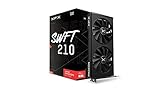


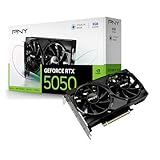


8GB of VRAM remains the practical baseline for mainstream gaming. It is enough video memory to run the vast majority of modern titles at 1080p — and many at entry 1440p — with high-quality textures, and it sits at the price-to-performance sweet spot where most gamers actually shop. While flagship cards now carry far more memory, an 8GB GPU paired with a capable core still delivers an excellent mainstream experience without the flagship price. This guide rounds up the best 8GB GPUs in 2026, spanning current-generation cards and strong options from recent generations, so you can match an 8GB card to your resolution and budget.
Our picks were chosen on what matters for an 8GB graphics card: the capability of the GPU core behind that memory, generational features, target resolution, and value. Every card here carries exactly 8GB of VRAM — that is the theme of the list — and we note where a card’s memory type or generation affects how that 8GB performs. Prices span from around $359 up to around $570. We avoid invented frame-rate numbers and instead describe where each card fits and the resolution it suits. Below is an at-a-glance comparison of all six 8GB cards, then a closer look at each and a buyer’s guide built around VRAM, generation and value.
Best 8GB GPUs at a Glance
| Graphics Card | Best For | Standout Spec | Approx Price |
|---|---|---|---|
| GIGABYTE Radeon RX 9060 XT Gaming OC 8G | Newest-gen 8GB value | 8GB GDDR6, PCIe 5.0 | around $360 |
| MSI GeForce RTX 4060 Ventus 2X 8G OC | Efficient 1080p RTX + DLSS | 8GB, RTX features | around $530 |
| MSI GeForce RTX 4060 8GB (Extreme Clock) | Compact RTX 4060 build | 8GB, 128-bit, high clock | around $570 |
| GIGABYTE Radeon RX 6600 Eagle 8G | Budget 1080p Radeon | 8GB, WINDFORCE 3X cooling | around $570 |
| MSI GeForce GTX 1080 8GB ROG Strix-style | High-VRAM older flagship | 8GB GDDR5X, VR ready | around $389 |
| MSI GeForce GTX 1070 8GB | Entry 8GB classic | 8GB GDDR5, SLI, DX12 | around $470 |
1. GIGABYTE Radeon RX 9060 XT Gaming OC 8G Graphics Card, PCIe 5.0, 8GB GDDR6
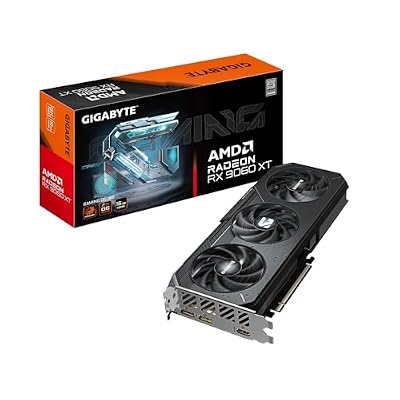
GIGABYTE Radeon RX 9060 XT Gaming OC 16G Graphics Card, PCIe 5.0, 16GB GDDR6, GV-R9060XTGAMING OC-16GD Video Card



As an Amazon Associate we earn from qualifying purchases. Product prices and availability are accurate as of the date/time indicated.
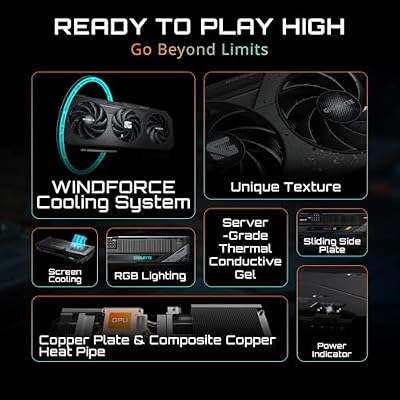
The GIGABYTE Radeon RX 9060 XT is the newest-generation 8GB pick and our top choice on this list. It pairs 8GB of GDDR6 memory with a current-generation Radeon core on a modern PCIe 5.0 interface, plus GIGABYTE’s Gaming OC cooling for sustained clocks. At around $360 it is also the best-priced card here, making it the standout value among these 8GB options.
This is the card to choose if you want an 8GB GPU with the latest architecture and features rather than older silicon. The current-generation core delivers strong, efficient performance for 1080p and entry 1440p gaming, the 8GB of GDDR6 comfortably handles modern textures at those resolutions, and PCIe 5.0 keeps it forward-looking on a new platform. The Gaming OC dual/triple-fan cooler keeps it running cool and quiet. For a modern, well-priced 8GB graphics card that hits the mainstream sweet spot, the RX 9060 XT is the clear pick.
Pros: Current-generation core, 8GB GDDR6, PCIe 5.0, strong cooling, best value here.
Cons: 8GB is well suited to 1080p/entry 1440p rather than maxed-out higher resolutions.
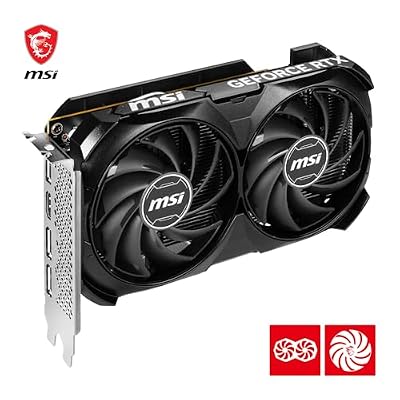
2. MSI GeForce RTX 4060 Ventus 2X Black 8G OC, 8GB GDDR6

MSI GeForce RTX 4060 Ventus 2X Black 8G OC Gaming Graphics Card - 8GB GDDR6X, PCI Express Gen 4, 128-bit, 3X DP v 1.4a, HDMI 2.1a (Supports 4K & 8K HDR)



As an Amazon Associate we earn from qualifying purchases. Product prices and availability are accurate as of the date/time indicated.
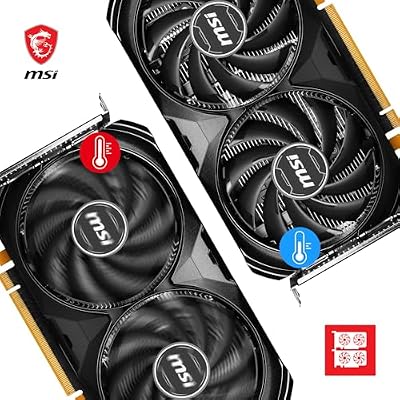
The MSI GeForce RTX 4060 Ventus 2X is the efficient RTX pick. It carries 8GB of memory on a current-generation GeForce core that brings NVIDIA’s full feature set — hardware ray tracing and DLSS upscaling — in a compact, power-efficient package with MSI’s compact Ventus 2X cooler. At around $530 it is the card for 1080p gamers who want RTX features alongside their 8GB.
This is the GPU for the gamer who values efficiency and NVIDIA’s software ecosystem. The RTX 4060 sips power and runs cool, the 8GB of VRAM is well matched to 1080p high-quality gaming, and DLSS can boost frame rates or enable ray tracing while easing the load on that memory. The dual-fan Ventus 2X design fits compact builds. As an 8GB card that pairs modern RTX and DLSS features with low power draw for mainstream 1080p play, the RTX 4060 Ventus 2X is a strong, sensible choice.

Pros: Current-gen RTX features, DLSS upscaling, 8GB GDDR6, very power-efficient, compact cooler.
Cons: 8GB on a 128-bit bus suits 1080p best; less headroom at higher resolutions.
3. MSI Gaming GeForce RTX 4060 8GB GDDR6, 128-Bit, Extreme Clock 2505 MHz
MSI GeForce RTX 4060 Ventus 2X Black 8G OC Gaming Graphics Card - 8GB GDDR6X, PCI Express Gen 4, 128-bit, 3X DP v 1.4a, HDMI 2.1a (Supports 4K & 8K HDR)
As an Amazon Associate we earn from qualifying purchases. Product prices and availability are accurate as of the date/time indicated.
This MSI RTX 4060 is the compact-build pick, a factory Extreme Clock variant of the same 8GB current-generation GeForce card running at a 2505 MHz boost over a 128-bit memory interface. It delivers the full RTX and DLSS feature set with a slight clock-speed edge in a small form factor. At around $570 it is the higher-priced RTX 4060 listing here, aimed at tidy, space-conscious builds.
This is the card for a gamer building a compact or small-form-factor 1080p system who still wants modern NVIDIA features. The 8GB of VRAM matches 1080p high-quality gaming, the factory Extreme Clock gives a modest performance bump, and DLSS helps stretch frame rates and the 8GB memory further. The compact board and HDMI/DP outputs slot neatly into small cases. As a factory-overclocked 8GB RTX 4060 for an efficient, space-saving build, it covers that niche well, though it is priced above the standard Ventus model.
Pros: Factory Extreme Clock, full RTX/DLSS features, 8GB GDDR6, compact form factor.
Cons: Priced above the standard RTX 4060; 128-bit bus and 8GB favour 1080p.
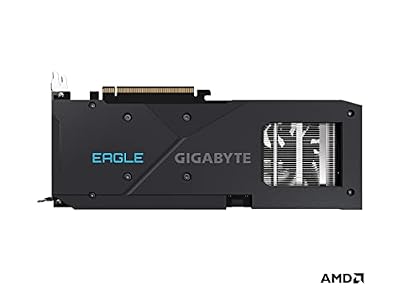
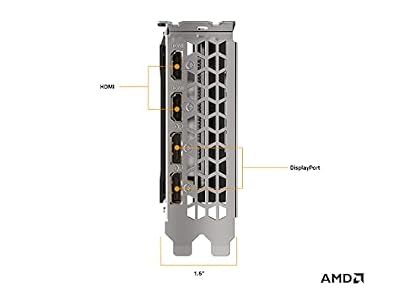
4. GIGABYTE Radeon RX 6600 Eagle 8G, WINDFORCE 3X Cooling, 8GB

GIGABYTE Radeon RX 6600 Eagle 8G Graphics Card, WINDFORCE 3X Cooling System, 8GB 128-bit GDDR6, GV-R66EAGLE-8GD Video Card




As an Amazon Associate we earn from qualifying purchases. Product prices and availability are accurate as of the date/time indicated.
The GIGABYTE Radeon RX 6600 Eagle is the budget Radeon pick from the previous generation. It pairs 8GB of memory with an efficient RDNA 2 core and GIGABYTE’s triple-fan WINDFORCE 3X cooling, making it a well-cooled, low-power option built for excellent 1080p gaming. It is listed here at around $570.
This is the card for a 1080p gamer who wants a proven, efficient 8GB Radeon with strong cooling. The RX 6600’s RDNA 2 core is a well-regarded 1080p performer, the 8GB of VRAM handles modern textures at that resolution, and the WINDFORCE 3X cooler keeps temperatures and noise low while running on modest power. It is a no-frills, dependable mainstream card. Note that as a previous-generation part it lacks the newest features of the RX 9060 XT, so weigh its listed price against that newer option for the money.

Pros: Efficient RDNA 2 core, 8GB VRAM, triple-fan WINDFORCE 3X cooling, low power draw.
Cons: Previous-generation; at this listed price the newer RX 9060 XT is strong competition.
5. MSI Gaming GeForce GTX 1080 8GB GDDR5X, VR Ready (STRIX-style)

msi Gaming GeForce GTX 1070 8GB GDDR5 SLI DirectX 12 VR Ready Graphics Card (GEFORCE GTX 1070 Gaming X 8G)


As an Amazon Associate we earn from qualifying purchases. Product prices and availability are accurate as of the date/time indicated.
The MSI GeForce GTX 1080 is the high-VRAM older-flagship pick. In its day it was a top-tier card, and it carries 8GB of fast GDDR5X memory with a capable Pascal core that remains VR-ready and competent at 1080p. At around $389 it is one of the more affordable 8GB cards here, appealing to those who want a former flagship’s 8GB at a lower outlay.
This is the card for a budget-minded gamer or upgrader who values 8GB of VRAM and a strong core but does not need the latest features. The GTX 1080’s 8GB GDDR5X and former-flagship muscle still drive many games well at 1080p, and it remains VR-capable. Be clear-eyed, though: as an older Pascal card it lacks modern ray tracing and DLSS, and its GDDR5X memory, while ample at 8GB, is an older type than the GDDR6 in the newer cards. For 8GB on a proven older flagship at a fair price, it is a reasonable pick.
Pros: 8GB GDDR5X, former-flagship core, VR ready, capable 1080p performance at a lower price.
Cons: Older Pascal generation; no ray tracing or DLSS, and GDDR5X is an older memory type.
6. MSI Gaming GeForce GTX 1070 8GB GDDR5, SLI, DirectX 12, VR Ready
msi Gaming GeForce GTX 1070 8GB GDDR5 SLI DirectX 12 VR Ready Graphics Card (GEFORCE GTX 1070 Gaming X 8G)
As an Amazon Associate we earn from qualifying purchases. Product prices and availability are accurate as of the date/time indicated.
Rounding out the list is the MSI GeForce GTX 1070, the entry 8GB classic. This Pascal-generation card pairs 8GB of GDDR5 memory with a still-respectable core, supports DirectX 12 and SLI, and remains VR-ready. It is listed here at around $470, and it represents the entry point into 8GB gaming from a well-known previous-generation card.
This is the card for someone who specifically wants an 8GB GTX 1070 and understands its place. The 8GB of VRAM is generous for a card of its era and still helps at 1080p, the Pascal core handles many games at that resolution, and DX12 and VR support remain. As with the GTX 1080, the trade-offs are clear: it is an older generation without ray tracing or DLSS, and its GDDR5 memory is older and slower than modern GDDR6. Weigh its listed price carefully against the newer 8GB options, but as a known 8GB classic it completes the list.

Pros: 8GB GDDR5, capable Pascal core, DirectX 12 and SLI support, VR ready.
Cons: Older generation with no ray tracing or DLSS; GDDR5 is slower than modern GDDR6.
How to Choose an 8GB GPU
With every card here carrying 8GB of VRAM, the first thing to understand is what that 8GB is for. Eight gigabytes of video memory is the mainstream baseline: it comfortably holds high-quality textures for the great majority of modern games at 1080p, and many at entry 1440p, which is exactly where most gamers play. It is not aimed at maxing out demanding titles at 4K, where larger memory pools help, but for the resolution these cards target, 8GB is a sensible, well-judged amount rather than a limitation.
Because the VRAM is fixed at 8GB across the board, the GPU core behind it becomes the real differentiator. A current-generation core, like the one in the Radeon RX 9060 XT or the RTX 4060 cards, delivers more performance and modern features than an older Pascal core in the GTX 1070 or 1080, even though all carry 8GB. Look at the generation and the core’s class first — that, far more than the shared 8GB figure, determines how fast the card actually is in today’s games.
Features and memory type are the next layer to weigh. The newer cards bring advantages the older ones cannot: NVIDIA’s RTX 4060 models add hardware ray tracing and DLSS upscaling, which can boost frame rates and effectively stretch that 8GB further, while modern cards use faster GDDR6 memory versus the older GDDR5/GDDR5X in the Pascal flagships. The GTX 1080 and 1070 still have a full 8GB, but their older memory types and lack of ray tracing and upscaling are real generational gaps to factor in.
Finally, balance price, cooling and platform against the resolution you play at. Compare the listed prices carefully — a newer 8GB card like the RX 9060 XT can undercut older options while offering more — and consider cooler quality (triple-fan WINDFORCE and Gaming OC designs run cooler and quieter) and form factor for compact builds. Confirm the card suits your target resolution, favour a current-generation core and modern features for longevity, and pick the 8GB GPU on this list that delivers the best capability for your money.
Frequently Asked Questions
Is 8GB of VRAM enough for gaming in 2026?
For 1080p gaming, and many entry 1440p situations, 8GB of VRAM is enough to run the great majority of modern games with high-quality textures — which is why it remains the mainstream baseline. It is not built for maxing out the most demanding titles at 4K, where larger memory helps, but for the resolutions these cards target, every 8GB GPU here is well matched to the job.
All these cards have 8GB — so what actually makes one better than another?
The GPU core behind the memory. Since the VRAM is fixed at 8GB across this list, the card’s generation and core class are what determine real-world speed. A current-generation core like the Radeon RX 9060 XT or RTX 4060 outperforms and out-features an older Pascal core in the GTX 1070 or 1080, despite all of them carrying the same 8GB. Judge the core and generation first.
Does the type of VRAM matter, or just the 8GB amount?
Both matter. All these cards have 8GB, but the memory type differs: the newer Radeon and RTX cards use faster GDDR6, while the GTX 1080 uses GDDR5X and the GTX 1070 uses older GDDR5. Faster, newer memory feeds the GPU more effectively, so two cards with the same 8GB capacity but different memory generations will not perform identically. The amount sets the baseline; the type and core do the rest.
Should I buy a newer 8GB card or an older flagship with 8GB?
Generally a newer 8GB card is the smarter buy. Options like the Radeon RX 9060 XT bring a current-generation core, faster GDDR6 and modern features such as upscaling, often at a competitive price. Older 8GB flagships like the GTX 1080 and 1070 still have plenty of VRAM and a capable core, but they lack ray tracing and DLSS and use older memory — so weigh their listed price carefully against the newer options.
Related Guides
- Best GPUs for Gaming
- Best 1080p Graphics Cards
- Best Budget GPUs
- Best CPUs for Your Build
- Best Gaming PC Builds
- Best Power Supplies
Affiliate Disclosure: As an Amazon Associate, we earn from qualifying purchases. If you click a link and make a purchase, we may earn a small commission at no extra cost to you. Prices and availability are accurate as of publication and may change.